You know that feeling when you look at your screen time report and realize you spent forty hours last week just grinding levels in World of Warcraft or ranking up in League of Legends? It’s not just "having fun" anymore. For many people, it’s a coping mechanism that has quietly taken over their sleep, jobs, and relationships. But here is the hard truth: trying to quit cold turkey alone often leads to relapse because the social void left by gaming feels too big to fill.
This is where a local gaming addiction support group changes the game. Unlike online forums where anonymity can hide the real struggle, a physical meetup forces accountability and human connection. If you are in Portland, Oregon, or anywhere else with a vibrant gaming culture, starting one might seem daunting. Do you need a therapist? A charter? A specific curriculum? The short answer is no. You need structure, consistency, and a safe space. Here is how you build one from scratch without burning out.
Why Physical Presence Beats Digital Connection
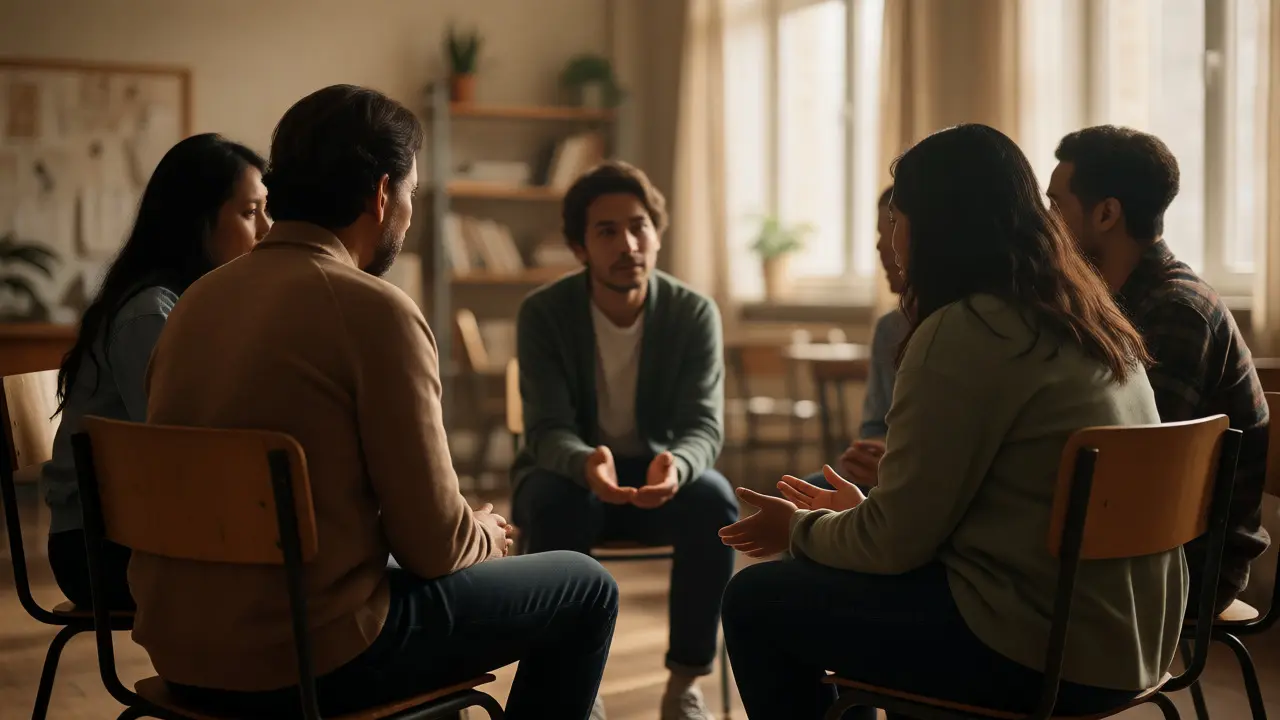
Gaming addiction is paradoxical. It connects you digitally while isolating you physically. When you join an online Discord server for recovery, you are still staring at a screen. You are using the very tool that caused the problem to solve it. A local group breaks this loop. By meeting face-to-face, participants engage in eye contact, read body language, and share physical space. This triggers oxytocin release in ways digital text cannot.
Consider the difference between typing "I feel guilty about skipping work" in a chat versus saying it to five other humans who nod in recognition. The vulnerability required in person creates stronger bonds. These bonds become the safety net that catches you when you want to log back in for "just one more match." Furthermore, local groups allow for immediate crisis intervention. If someone looks shaky during a meeting, you can offer a hug or a coffee immediately. On Zoom, you just type "hope you're okay" and hope they see it.
Defining Your Group’s Identity and Rules
Before you book a room, you need to decide what kind of group this is. Is it strictly abstinence-based, like traditional Gamblers Anonymous models adapted for gamers? Or is it harm-reduction focused, aiming for moderate play? Most successful groups lean toward moderation goals initially, as total abstinence from all screens is unrealistic for modern workers.
You must establish clear boundaries. Without rules, meetings turn into complaints sessions or technical debates about graphics cards. Write down three core principles. First, confidentiality. What happens in the circle stays in the circle. Second, non-judgment. No one is there to fix anyone; everyone is there to listen. Third, focus on behavior, not the game itself. We don't judge whether Elden Ring is better than Baldur's Gate 3; we discuss why someone played it until 4 AM instead of sleeping.
| Model Type | Primary Goal | Best For | Structure Level |
|---|---|---|---|
| Abstinence-Based | Zero gaming for set period | Severe dependency cases | High (12-step style) |
| Harm Reduction | Moderate, controlled play | Functional but struggling gamers | Medium (Goal setting) |
| Cognitive Behavioral | Identifying triggers | Anxiety-driven players | High (Facilitator led) |
Finding the Right Venue and Logistics
Location matters more than you think. You do not want to meet in a bar where alcohol lowers inhibitions and makes relapse easier. You also want to avoid internet cafes or arcades, which are full of visual triggers. Look for neutral spaces: community centers, library meeting rooms, or church basements. In Portland, many libraries offer free rooms if you register as a nonprofit or community group six weeks in advance.
Timing is equally critical. Avoid peak gaming hours. If your group meets at 8 PM on a Friday, half your members will be mid-raid. Early mornings or Sunday afternoons work best because they disrupt the weekend binge cycle. Keep meetings under 90 minutes. Any longer, and attention spans drift. Any shorter, and people don’t have time to process emotions.

The Structure of a Successful Meeting
Don’t wing it. A chaotic meeting scares off new attendees who fear judgment or awkward silences. Use a simple, repeatable agenda. This predictability reduces anxiety for newcomers who are already nervous about admitting they have a problem.
- Welcome and Ground Rules (5 mins): Read the confidentiality pledge aloud. Remind everyone that sharing is voluntary.
- Check-In Round (15 mins): Each person states their name and one win or one struggle from the past week. No advice given yet, just listening.
- Topic Discussion (30 mins): Pick a specific theme each week. Examples include "Handling FOMO (Fear Of Missing Out) on New Releases," "Negotiating Screen Time with Partners," or "Sleep Hygiene and Blue Light." Facilitators should guide this, ensuring no one dominates the conversation.
- Action Planning (15 mins): Everyone commits to one small action step for the next week. Not "I’ll stop gaming," but "I’ll install a timer app" or "I’ll go for a walk before logging in."
- Closing Ritual (5 mins): End with a positive affirmation or a shared moment of silence. This signals closure and helps transition members back to reality.
Recruiting Members Who Stick Around
Word of mouth is powerful, but it’s slow. To grow your peer support network, you need targeted outreach. Post flyers in places where gamers congregate but aren't actively playing: coffee shops near universities, gyms, and co-working spaces. Avoid posting solely in gaming stores; those folks are often in denial or not ready to quit.
Leverage local Reddit communities and Facebook groups dedicated to mental health in your city, not just gaming. Use language that resonates with pain points rather than clinical terms. Instead of "Join our Gaming Addiction Support Group," try "Struggling to Balance Work and World of Warcraft? Let's Talk." People respond to solutions for their daily frustrations, not labels.
Expect high turnover in the first three months. Many people come once, get scared, and don't return. That’s normal. Focus on retaining the core four or five regulars. They will provide the stability needed to welcome new faces. Consistency builds trust faster than charisma does.

Handling Common Pitfalls and Relapses
You will encounter resistance. Some members may minimize their usage, claiming they "only" play twenty hours a week. Others may become defensive when asked about their job performance. As a facilitator, stay curious, not confrontational. Ask open-ended questions: "How did that late-night session affect your morning routine?" rather than "You shouldn't have stayed up so late."
Relapse is part of the process. When someone returns after a binge, celebrate their return, not their failure. Shame drives people away; acceptance brings them back. Create a buddy system within the group. Pairing a newcomer with a veteran member provides a low-pressure channel for asking questions or venting between meetings.
Also, watch out for "gamification" of the support itself. Don't create point systems or leaderboards for attendance. This mimics the dopamine loops of gaming and can make missing a meeting feel like losing a rank, adding unnecessary pressure.
Sustaining Momentum Beyond Year One
After six months, novelty wears off. To keep the group alive, rotate facilitation duties. Let different members lead the topic discussion. This empowers them and prevents burnout for the founder. Occasionally invite guest speakers-a therapist specializing in behavioral addictions, a career coach, or even a former gamer who successfully balanced hobbies and life.
Track your impact informally. Note how many members report improved sleep or better relationship communication. These qualitative wins are your fuel. Remember, you are building a community, not running a clinic. The goal isn't perfection; it's progress. Every person who logs off earlier to attend your Tuesday night meetup is a victory worth celebrating.
Do I need a professional therapist to run a gaming support group?
No, you do not need a licensed therapist. Peer-led groups are highly effective for mutual support. However, having a background in active listening or counseling basics helps. Always encourage members to seek professional help if they show signs of severe depression or anxiety beyond gaming habits.
What if someone in the group denies they have a problem?
Denial is common in early stages. Avoid arguing facts. Instead, ask reflective questions about how their gaming affects their stated goals (e.g., fitness, career). Let the natural consequences speak for themselves. If they remain disruptive, gently remind them of the group's purpose and suggest individual counseling.
Is it okay to talk about specific games during meetings?
Yes, but keep it brief. Mentioning specific titles like Fortnite or Dota 2 helps contextualize triggers. However, avoid long technical discussions about mechanics or lore, which can exclude non-gamers or derail the emotional focus of the session.
How much does it cost to start a local support group?
It can be nearly free. Many community centers and libraries offer rooms at no cost. Costs usually arise from printing flyers, buying snacks, or renting private spaces if public ones are unavailable. Aim for a budget under $50/month initially.
Can family members attend the support group?
Typically, no. The primary member needs a safe space to speak freely without worrying about judging eyes from partners or parents. Consider creating a separate, occasional meeting for families to learn how to support their loved ones effectively.