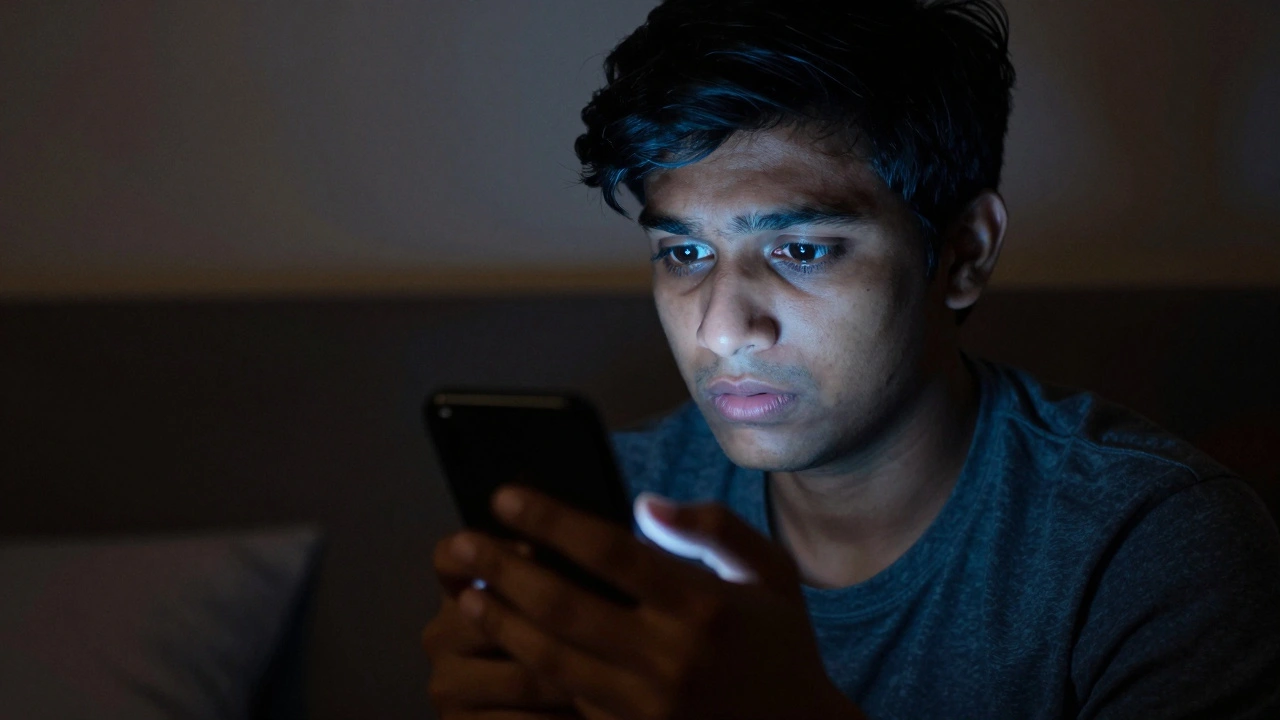
You stare at the glowing rectangle in your hand. The blue light burns into your retinas, but you can't look away. Your heart races with a mix of dopamine hits and rising panic. You know you should stop. You try to put the phone down, but your thumb moves on its own, scrolling through endless feeds, checking notifications that don't exist, or refreshing social media profiles until your eyes water. This isn't just "bad habit" territory anymore. For many people across India, this compulsion has spiraled into technology overuse, which is a behavioral condition characterized by excessive and uncontrollable use of digital devices leading to significant distress and impairment in daily life. It feels like being trapped in a loop you didn't choose.
If you are reading this because you feel overwhelmed by your screen time, or if you are worried about a loved one who seems lost in the digital world, you are not alone. The good news? You don't have to fight this battle in silence. India has developed a robust network of mental health helplines, which are free or low-cost telephone and chat-based support services providing immediate psychological aid and crisis intervention. These resources are designed to offer immediate relief, practical strategies, and professional guidance when the digital noise becomes too loud to ignore.
Understanding the Crisis of Digital Dependency
Before we dive into the numbers, it helps to understand what you are actually dealing with. Technology overuse isn't just about spending too much time online. It's about the emotional dependency on those devices. In India, where smartphone penetration has skyrocketed and internet access has become ubiquitous even in rural areas, the pressure to be constantly connected is immense. From WhatsApp groups demanding instant replies to Instagram reels designed to hook your attention every fifteen seconds, the architecture of modern tech is built to keep you engaged.
This constant connectivity triggers a cycle of anxiety and relief. You check your phone to relieve boredom or stress, get a quick hit of satisfaction, and then feel worse because you wasted time or missed out on real-life interactions. This cycle can lead to sleep deprivation, increased anxiety, depression, and a sense of isolation. Recognizing these symptoms is the first step toward seeking help. If you find yourself irritable when separated from your device, lying about how much time you spend online, or neglecting work, family, and hygiene to stay connected, it’s time to reach out.
National Emergency & Suicide Prevention Hotlines
In moments of acute crisis-when the stress of technology overuse leads to severe panic attacks, deep despair, or thoughts of self-harm-you need immediate, round-the-clock support. India has established national toll-free numbers that connect you to trained counselors instantly. These are not just for suicide prevention; they are for anyone experiencing a mental health emergency, including those overwhelmed by digital addiction.
| Service Name | Contact Number | Availability | Key Features |
|---|---|---|---|
| Kiran | 1800-599-0019 | 24/7 | Government of India initiative; multilingual support; covers substance abuse, domestic violence, and general mental distress. |
| Aasra | 9820466726 | 24/7 | One of India's oldest suicide prevention organizations; offers confidential counseling and crisis intervention. |
| Vandrevala Foundation | 1860-266-2345 / 1800-233-3330 | 24/7 | Provides free tele-counseling and online therapy; specializes in trauma and anxiety disorders. |
Kiran (Killed in Action) is particularly notable because it is a government-backed service. This means it is widely accessible and trusted. When you call Kiran, you speak to a counselor who can help de-escalate your immediate anxiety. They won't judge you for your phone usage; they will listen to your distress and help you ground yourself in the present moment. If you are in a state of panic, dialing 1800-599-0019 is often the fastest way to get someone on the other end of the line who understands mental health crises.
Specialized Support for Behavioral Addictions
While emergency hotlines are crucial for immediate safety, long-term recovery from technology overuse often requires specialized counseling. Some organizations in India focus specifically on behavioral addictions, including gaming disorder, social media addiction, and internet dependency. These services understand the unique psychological hooks of digital platforms.
The Vandrevala Foundation is a prominent non-profit organization in India dedicated to mental health awareness, offering free tele-counseling and clinical services. Their team includes psychiatrists and clinical psychologists who are well-versed in modern behavioral issues. They can help you develop coping mechanisms that don't involve reaching for your phone. Similarly, Snehi is a suicide prevention helpline based in Chennai that provides emotional support and crisis counseling via phone and email. While their primary focus is suicide prevention, their counselors are skilled in addressing the underlying loneliness and anxiety that often drive excessive screen time.
Another valuable resource is iCall, which is a psycho-social helpline run by the Tata Institute of Social Sciences (TISS), offering email and phone counseling by trained professionals. iCall operates during specific hours but provides high-quality, evidence-based counseling. They are particularly good at helping students and young adults navigate the pressures of digital life, academic stress, and social comparison fueled by social media.

Online Counseling Platforms for Ongoing Care
Helplines are great for crisis moments, but overcoming technology overuse is a journey. It requires consistent support, accountability, and therapeutic techniques like Cognitive Behavioral Therapy (CBT). This is where online counseling platforms come in. Since the problem is digital, using digital tools to solve it might seem ironic, but structured online therapy can be highly effective.
Platforms like YourDOST is an AI-powered mental health platform in India that connects users with licensed therapists for text, audio, and video sessions. allow you to speak with a therapist without leaving your home. This convenience can be a double-edged sword, so it's important to set boundaries. Use these platforms to schedule regular sessions, not to chat endlessly. Your therapist can help you identify triggers for your overuse and create a personalized plan to reduce screen time gradually.
Another option is Practo, which is a healthcare marketplace that lists verified psychiatrists and clinical psychologists across India for booking appointments.. Through Practo, you can find specialists who explicitly mention "behavioral addiction" or "internet addiction" in their profiles. Reading reviews from other patients can also give you insight into how well a therapist handles digital dependency issues.
Practical Steps to Take Alongside Professional Help
Calling a helpline is a powerful first step, but combining it with practical actions accelerates recovery. Here are some strategies that complement professional counseling:
- Digital Detox Challenges: Start small. Try turning off non-essential notifications for 24 hours. Then extend it to a full day without social media. Use apps like Forest or Screen Time to track and limit your usage.
- Create Tech-Free Zones: Designate certain areas in your home, like the bedroom or dining table, as strictly no-phone zones. This helps reassociate these spaces with rest and connection rather than stimulation.
- Replace, Don't Just Remove: When you take away the phone, you need to fill the void. Pick up a hobby that engages your hands and mind, such as cooking, painting, or exercising. Physical activity releases endorphins that can counteract the dopamine withdrawal from screens.
- Join Support Groups: Look for local or online support groups for digital detox. Sharing your struggles with others who face similar challenges reduces shame and builds accountability.
Remember, relapse is part of the process. If you slip up and binge-scroll for three hours, don't beat yourself up. Acknowledge it, analyze what triggered it, and get back on track. The goal is progress, not perfection.

How to Choose the Right Resource
With so many options available, choosing the right helpline or platform can feel overwhelming. Here’s a simple guide to help you decide:
- If you are in immediate crisis: Call Kiran (1800-599-0019) or Aasra (9820466726) immediately. Do not wait.
- If you need ongoing therapy: Explore YourDOST or search for specialists on Practo who focus on behavioral addictions.
- If you prefer anonymous support: Try iCall via email or chat, which allows you to express your feelings without revealing your identity.
- If cost is a concern: Stick to government-funded lines like Kiran or NGO-run services like Vandrevala Foundation, which offer free or nominal-fee services.
Don't hesitate to try more than one resource. What works for one person might not work for another. The most important thing is that you make the call. Breaking the silence is the hardest part, but once you do, you'll likely find a wealth of support waiting for you.
Frequently Asked Questions
Is technology overuse considered a mental illness in India?
While "technology addiction" is not yet a standalone diagnosis in all Indian psychiatric manuals, it is recognized as a significant behavioral issue that can lead to anxiety, depression, and sleep disorders. Many Indian mental health professionals treat it under the umbrella of behavioral addictions or impulse control disorders, similar to how gambling disorder is classified globally.
Are the mental health helplines in India free?
Yes, most major helplines like Kiran (1800-599-0019) and Aasra are completely free to call. NGO-run services like the Vandrevala Foundation also offer free tele-counseling. However, private online therapy platforms like YourDOST or private practitioners listed on Practo may charge fees for their services.
Can I get help for my child's screen time addiction?
Absolutely. Most helplines and counseling services accept calls from parents concerned about their children. Counselors can provide guidance on setting healthy boundaries, managing parental controls, and communicating effectively with teens about digital habits. Child psychologists specializing in behavioral issues can also be found through platforms like Practo.
What if I am too ashamed to talk about my phone usage?
Shame is a common barrier, but remember that counselors are trained professionals who have heard it all. They are there to help, not judge. If speaking feels too difficult, consider starting with email-based counseling services like iCall, which allow you to write out your feelings at your own pace before engaging in voice conversations.
How long does it take to recover from technology overuse?
Recovery timelines vary greatly depending on the severity of the addiction and individual circumstances. Some people see improvements in a few weeks with strict digital detoxes, while others may require months of therapy. The key is consistency. Combining professional help with lifestyle changes yields the best long-term results.
Are there any apps that can help me reduce screen time?
Yes, several apps can assist in monitoring and limiting usage. Built-in features like iOS Screen Time and Android Digital Wellbeing are excellent starting points. Third-party apps like Forest, Freedom, and Flipd offer gamified approaches to staying off your phone. However, use these tools as aids, not crutches, and combine them with professional advice for deeper behavioral change.
Is online therapy as effective as in-person counseling for digital addiction?
Research suggests that online therapy can be just as effective as in-person sessions for many conditions, including anxiety and behavioral addictions. The convenience of online platforms often increases adherence to treatment plans. However, if you find that being on a screen triggers your addiction, you might prefer starting with phone-only counseling or eventually transitioning to in-person visits.