
You walk into a room full of people who claim to care about you, but the air feels thin. You’re trying to heal, yet every conversation feels like walking through molasses. This is the quiet crisis of loss of support networks during the process of recovering from addiction or mental health struggles while facing damaged interpersonal connections. It’s not just about missing a friend; it’s about realizing that the very people who were supposed to be your safety net are now part of the problem.
We often think of recovery as an internal battle-a war against cravings, anxiety, or depression. But here’s the hard truth: you cannot heal in a vacuum. Human beings are wired for connection. When those connections fray, break, or turn toxic, the path to wellness becomes exponentially harder. In fact, research from the National Institute on Alcohol Abuse and Alcoholism (NIAAA) suggests that social support is one of the strongest predictors of long-term sobriety and mental stability. Without it, relapse rates skyrocket.
The Paradox of Isolation in Recovery
Ironically, the act of getting better can push people away. When you decide to stop drinking, quit smoking, or seek therapy for trauma, you change the dynamic of your existing relationships. Friends who bonded over late-night binge sessions suddenly feel left out. Family members who relied on your chaos to define their own roles may resist your new boundaries. This isn’t malice-it’s discomfort. People get used to who you were, and when you start becoming someone else, they panic.
Consider Sarah, a 34-year-old marketing manager in Seattle who spent five years battling alcohol dependence. When she entered treatment, her closest friends stopped inviting her to weekend trips. Her sister complained that she was “too serious” now. Sarah didn’t lose these relationships because she did something wrong; she lost them because she refused to participate in behaviors that kept her sick. This phenomenon is common. According to a 2023 study published in *Addiction Science & Clinical Practice*, nearly 60% of individuals in early recovery report significant strain or loss of key relationships within the first six months.
This isolation creates a dangerous feedback loop. You need support to stay sober, but staying sober costs you your support system. The loneliness sets in, and suddenly, old habits look tempting again-not because you want them, but because you’re desperate for connection.
Why Do Relationships Break Down?
To rebuild what’s broken, you have to understand why it broke in the first place. There are usually three main culprits: codependency, betrayal of trust, and mismatched values.
- Codependency: Many relationships form around enabling behavior. A partner might cover up your mistakes, lend you money you’ll never repay, or make excuses for your actions. When you stop needing that rescue, the relationship loses its purpose. The other person may feel rejected or useless, leading to resentment.
- Betrayal of Trust: If your illness led to lies, financial theft, or emotional abuse, trust has been shattered. Even if you’re committed to change, the other person may still feel unsafe. Healing requires time, consistency, and proof-not just promises.
- Mismatched Values: As you grow, your priorities shift. You might value peace over partying, honesty over convenience, or self-care over obligation. Old friends who thrive on drama or excess will naturally drift away. This isn’t always painful-it can be liberating-but it leaves a void that needs filling.
Understanding these dynamics helps remove the blame game. It wasn’t necessarily your fault that relationships ended, nor was it entirely theirs. It was the collision of two different paths-one moving toward health, the other stuck in familiar patterns.
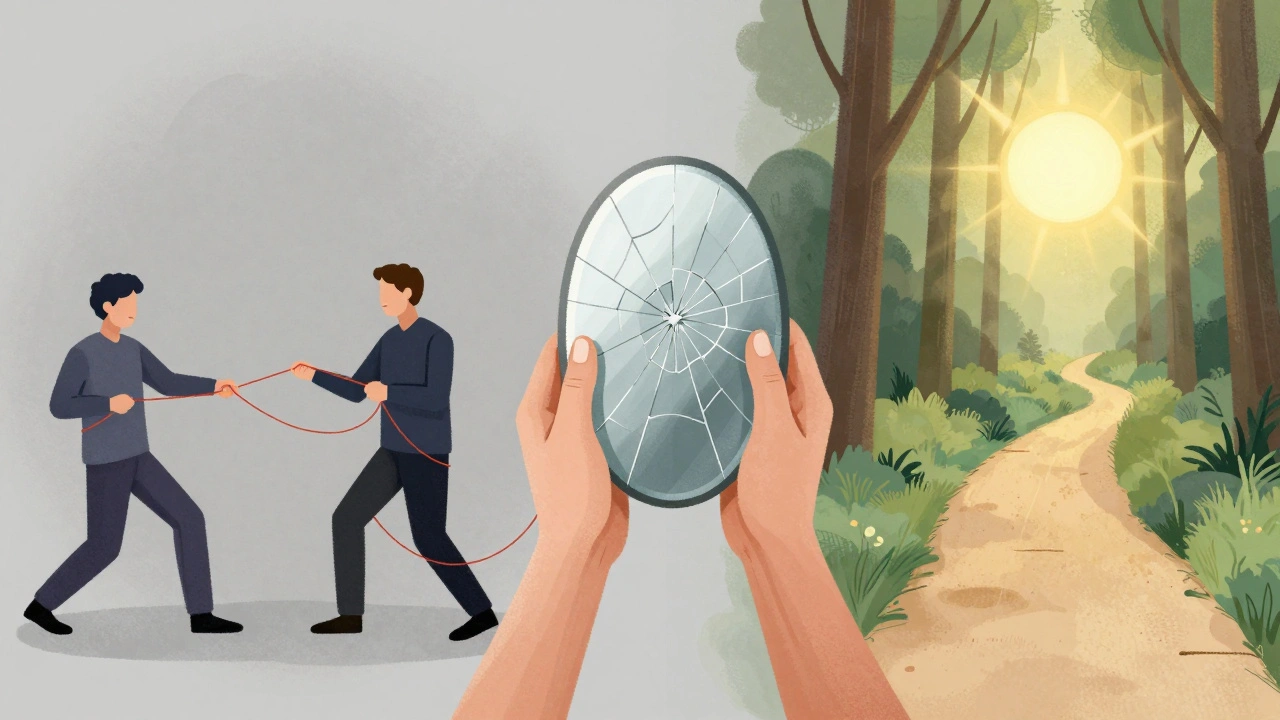
Rebuilding Your Circle: Practical Steps
So, how do you build a new support network when the old one is gone? Start small. Don’t try to replace ten friends with ten new ones overnight. Focus on quality over quantity. Here’s a step-by-step approach that works:
- Join Peer Support Groups: Organizations like Alcoholics Anonymous (AA), Narcotics Anonymous (NA), or SMART Recovery offer structured environments where everyone understands your struggle. These groups provide immediate camaraderie without judgment. Studies show that regular attendance at such meetings reduces relapse risk by up to 50%.
- Seek Professional Guidance: Therapists specializing in trauma or addiction can help you navigate complex family dynamics. They act as neutral mediators, helping you communicate boundaries clearly and repair bridges where possible.
- Engage in Community Activities: Volunteer work, hobby clubs, or fitness classes introduce you to people who share your interests rather than your vices. Running a local marathon training group or joining a book club creates organic bonds based on mutual respect.
- Set Clear Boundaries: Learn to say no without guilt. If a friend asks you to attend an event centered around substance use, decline politely but firmly. True friends will respect your limits; fake ones won’t-and that’s okay.
- Practice Radical Honesty: Share your journey openly with trusted individuals. Vulnerability invites deeper connections. Instead of hiding your struggles, talk about them. You’ll find others who relate, creating authentic friendships.
Remember, building a healthy support network takes time. It’s not about finding perfect people; it’s about finding real ones who encourage your growth instead of hindering it.
Repairing What Can Be Saved
Not all relationships are beyond repair. Some family members or friends genuinely want to see you succeed-they just don’t know how to adjust. For these cases, proactive communication is key.
Start by acknowledging past hurts. Say things like, “I know I hurt you when I lied about my spending,” or “I’m sorry I missed your birthday last year.” Apologies must be specific and sincere, avoiding qualifiers like “but” or “if.” Then, explain your current goals and ask for their support in concrete ways. For example, “I’d appreciate it if we could hang out at coffee shops instead of bars.”
If conversations become heated, consider involving a mediator. Family therapy sessions can create safe spaces for difficult dialogues. According to the American Psychological Association, couples and families undergoing joint counseling report higher satisfaction levels and improved communication skills compared to those attempting solo repairs.
However, recognize when a relationship is fundamentally unhealthy. If someone consistently disrespects your boundaries, mocks your progress, or pressures you to revert to old behaviors, it may be healthier to distance yourself temporarily-or permanently. Protecting your recovery means prioritizing your well-being above maintaining toxic ties.
| Relationship Type | Impact on Recovery | Action Required |
|---|---|---|
| Enabling Friend | Negative - Reinforces harmful behaviors | Set firm boundaries; limit contact |
| Supportive Family Member | Positive - Provides emotional stability | Strengthen bond through open dialogue |
| Peer in Recovery | Highly Positive - Shared experience fosters empathy | Engage regularly in mutual aid groups |
| Former Enabler | Mixed - May resist change initially | Patient education; gradual reintegration |

The Role of Technology in Reconnection
In today’s digital age, technology offers unique opportunities to rebuild connections. Social media platforms allow you to stay updated on loved ones’ lives without direct interaction, reducing pressure. Messaging apps enable asynchronous communication, giving both parties time to reflect before responding. Online forums dedicated to specific conditions-such as Reddit’s r/recovery or specialized Facebook groups-provide anonymous yet supportive communities.
However, beware of cyberbullying or negative influences online. Curate your feed carefully. Unfollow accounts that trigger unhealthy comparisons or remind you of past traumas. Follow influencers who promote positivity, resilience, and practical advice. Use technology intentionally, not passively.
Virtual reality (VR) therapies are emerging as innovative tools for exposure-based treatments, allowing patients to practice social interactions in controlled settings. While still experimental, VR shows promise in helping individuals overcome social anxiety linked to recovery-related stigma.
Long-Term Maintenance Strategies
Building a new support network is only half the battle. Maintaining it requires ongoing effort. Schedule regular check-ins with mentors, sponsors, or therapists. Celebrate milestones together-whether it’s one month sober or completing a challenging project. Gratitude journals can help track positive interactions, reinforcing appreciation for those who stand by you.
Also, give back. Mentoring newer members in recovery programs strengthens your own commitment while fostering leadership skills. Teaching yoga, writing blogs, or speaking publicly about your journey expands your influence and attracts like-minded individuals.
Finally, accept that some losses are permanent. Not everyone will return, and that’s alright. Grieve those departures fully, then move forward with gratitude for those who remain. Your worth isn’t defined by how many people surround you, but by the depth of meaning in those relationships.
How long does it take to rebuild a support network after recovery begins?
There’s no fixed timeline, but most experts suggest expecting noticeable improvements within 6-12 months. Early stages involve shedding unhealthy ties, which feels isolating. Middle phases focus on forming new connections through shared activities or peer groups. Late stages emphasize deepening existing bonds. Patience is crucial-rushing leads to superficial relationships.
Can I fix a relationship with someone who enabled my addiction?
Yes, but only if both parties acknowledge the enabling pattern and commit to changing it. Begin with honest conversations about past behaviors and future expectations. Consider attending family therapy sessions together. Remember, you can’t force anyone to change; you can only model healthy behavior and set clear boundaries.
What should I do if all my close friends judge my decision to recover?
First, validate your feelings-it’s normal to feel hurt. Next, evaluate whether these friendships align with your long-term goals. If they consistently undermine your progress, consider distancing yourself. Seek alternative communities where your choices are respected. Surrounding yourself with supportive peers accelerates healing significantly.
Are online support groups effective for rebuilding connections?
Absolutely. Online platforms break geographical barriers, offering access to diverse perspectives anytime. Platforms like AA Live Meetings or Discord servers focused on mental health provide instant relief during crises. However, supplement virtual interactions with face-to-face engagements whenever possible for richer emotional engagement.
How do I handle guilt over losing friends due to my recovery?
Guilt stems from misplaced responsibility-you didn’t choose to lose them; circumstances dictated separation. Reframe this narrative: you chose life over destruction. Allow yourself to mourn briefly, then redirect energy toward nurturing healthier relationships. Self-compassion practices, such as mindfulness meditation, reduce lingering shame effectively.