
You might think gaming addiction is a kid’s problem, or maybe something that affects everyone equally. But the data tells a different story. Male gaming addiction is significantly more prevalent than in women, with studies suggesting men are up to five times more likely to develop problematic gaming habits. It’s not just about playing too much; it’s about why men specifically get hooked, how society fuels it, and what makes them vulnerable. If you’re a guy who feels like your hobby has turned into a compulsion, or if you’re worried about one, understanding these specific risk factors is the first step to taking control back.
The Biological and Psychological Hook
Why do men seem more prone to getting stuck in the loop? It starts with biology and psychology intertwining. Men often report higher levels of sensation-seeking behavior. This isn’t a character flaw; it’s a trait linked to dopamine regulation. Video games are engineered to deliver rapid, frequent rewards-points, loot boxes, level-ups-that trigger dopamine hits. For a brain wired for high-intensity stimulation, this can be irresistible.
Then there’s the issue of emotional regulation. Many men struggle to identify and express emotions verbally. Games offer a space where feelings are translated into actions. You feel angry? You crush an enemy. You feel accomplished? You see a progress bar fill up. It’s tangible feedback that real life rarely provides. When real-world achievements feel slow or ambiguous, the immediate clarity of a game becomes a powerful coping mechanism. This reliance on external validation through gameplay creates a fragile foundation. If the server goes down or the team loses, the emotional stability tied to it collapses, leading to irritability and withdrawal symptoms similar to substance abuse.
Social Isolation vs. Online Community
We often hear that gamers are antisocial loners. That’s a myth. In fact, many male gamers have robust online social circles. The problem isn’t isolation per se; it’s displacement. Time spent maintaining digital relationships often replaces face-to-face interactions that require vulnerability and effort. Online, you can curate your persona. You can be the tank, the leader, the expert. In real life, you might be struggling at work or feeling disconnected from friends.
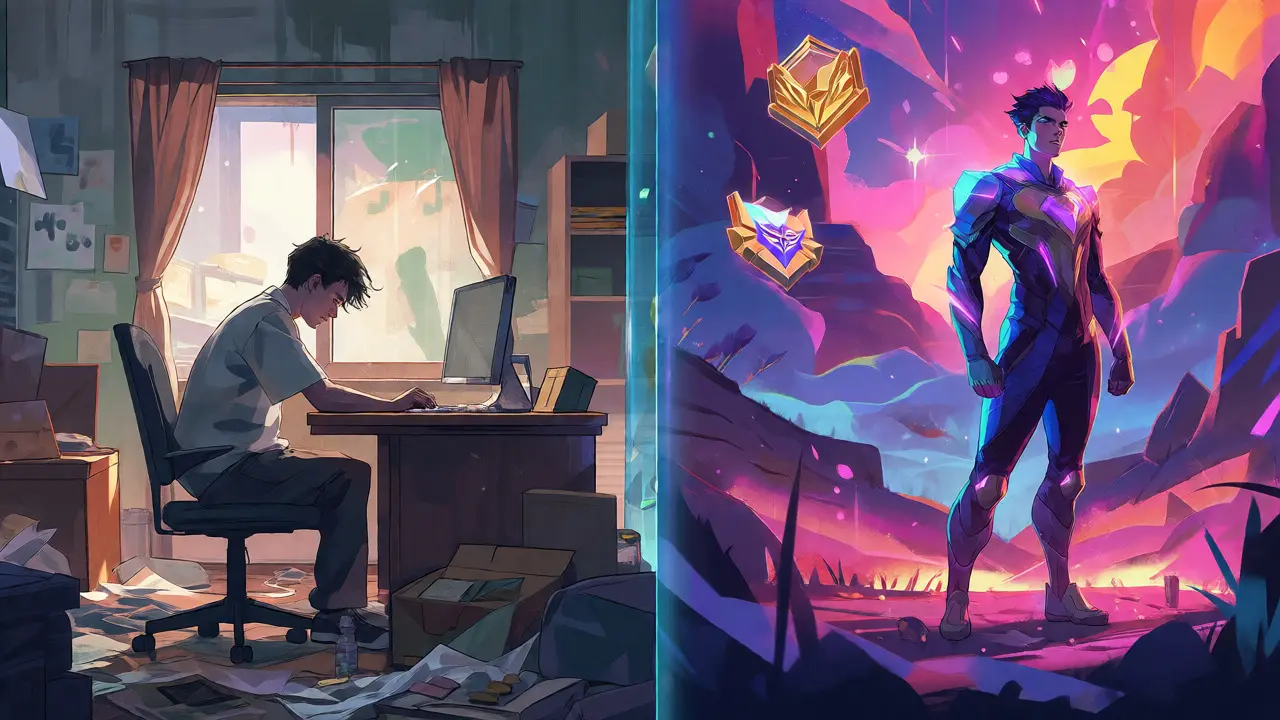
This curated identity creates a trap. The online self feels competent and valued, while the offline self feels inadequate. Men are particularly susceptible to this because traditional masculinity often discourages admitting weakness or seeking help. Admitting you need help with loneliness feels risky. Logging onto Discord doesn’t. Over time, the physical world shrinks. Jobs suffer, relationships strain, and the only place that feels "real" is the screen. This isn’t just about having fun; it’s about avoiding the discomfort of unmediated human connection.
Career Instability and Escapism
There’s a strong correlation between economic uncertainty and gaming dependency. When career paths feel unstable or unrewarding, escapism becomes a survival tactic. Unlike older generations who might have escaped into television or alcohol, modern men escape into immersive worlds where effort directly correlates with success. In a game, if you grind for ten hours, you get stronger. In a modern gig economy, you might work ten hours and still feel stagnant.
This discrepancy breeds resentment toward reality. Why deal with a boss who takes credit for your work when you can lead a raid group where your contribution is clear? For men facing job loss, underemployment, or burnout, gaming offers a sense of agency that professional life denies. It’s a low-cost way to feel productive. However, this productivity is illusory. It drains energy that could be used for upskilling or networking, creating a vicious cycle where less real-world success leads to more gaming, which further hinders real-world progress.
Design Mechanics Targeted at Male Psychology
Game developers aren’t neutral observers. They design systems based on extensive user data, and they know what keeps players engaged. Competitive multiplayer games (like League of Legends, Call of Duty, or Overwatch) rely heavily on ranking systems. These systems tap into status anxiety, a pressure point for many men. Climbing ranks isn’t just fun; it’s proof of competence.
| Mechanic | Psychological Trigger | Risk Factor |
|---|---|---|
| Ranked Matches | Status and Hierarchy | Fear of losing rank leads to "tilt" and compulsive replaying. |
| Loot Boxes/Gacha | Variable Reward Schedules | Similar to slot machines; triggers gambling-like pathways. |
| Guild Raids | Social Obligation | Peer pressure to attend scheduled events disrupts sleep/work. |
| Daily Quests | FOMO (Fear Of Missing Out) | Creates guilt if skipped, forcing daily engagement. |
These mechanics exploit competitive drives. Losing a match feels like a personal failure, prompting immediate rematch attempts. This "just one more game" mentality is fueled by ego preservation. Stopping after a loss means accepting defeat; continuing offers a chance to redeem oneself. For men conditioned to value winning, this loop is hard to break without conscious intervention.

Identifying the Red Flags
How do you know if it’s crossed the line from hobby to addiction? Look for changes in function, not just frequency. Playing four hours a day isn’t necessarily bad if you’re meeting responsibilities. But if you’re skipping meals, ignoring hygiene, or lying about how long you’ve been playing, pay attention.
- Neglect of Responsibilities: Work deadlines missed, chores ignored, family obligations skipped.
- Withdrawal Symptoms: Irritability, anxiety, or anger when unable to play.
- Tolerance: Needing to play longer to get the same satisfaction.
- Loss of Interest: Abandoning other hobbies, sports, or social activities.
- Deception: Hiding gaming habits from partners or parents.
Physical signs matter too. Carpal tunnel syndrome, eye strain, and poor posture are common. But the psychological toll is heavier. Sleep disruption is critical. Blue light suppresses melatonin, but the adrenaline from competitive play keeps the brain wired. Chronic sleep deprivation worsens mood regulation, making the next day harder to cope with, which leads to more gaming. It’s a physiological trap.
Breaking the Cycle Without Quitting Cold Turkey
For most men, total abstinence isn’t realistic or necessary. Gaming is a valid form of entertainment. The goal is moderation and intentionality. Start by auditing your triggers. Do you play when bored? Anxious? Lonely? Identifying the emotional driver helps you address the root cause rather than just the symptom.
Set hard boundaries. Use timers. When the timer goes off, stop. No exceptions for "finishing the match." Practice this discipline. Replace gaming sessions with alternative activities that provide similar rewards. If you crave competition, try a sport or a board game night. If you crave achievement, take on a small home improvement project. The key is finding non-digital sources of dopamine and status.
Consider professional help if self-regulation fails. Cognitive Behavioral Therapy (CBT) is effective for gaming disorder. It helps reframe thoughts around failure and reward. Support groups, both online and offline, can reduce shame. Talking to other men who understand the pull of the screen breaks the isolation that fuels the addiction.
Is gaming addiction officially recognized as a medical condition?
Yes. The World Health Organization (WHO) included "Gaming Disorder" in the International Classification of Diseases (ICD-11) in 2018. It is characterized by impaired control over gaming, increasing priority given to gaming over other activities, and continuation of gaming despite negative consequences.
Why are men more likely to develop gaming addiction than women?
Research suggests several factors: men generally engage in more competitive and action-oriented genres that use variable reward schedules; men may use gaming more frequently as a coping mechanism for stress or depression; and societal norms may discourage men from seeking help for emotional issues, leading to self-medication through gaming.
Can I still be a gamer if I want to avoid addiction?
Absolutely. Healthy gaming involves setting time limits, maintaining other interests, and ensuring gaming doesn't interfere with daily responsibilities. Being mindful of *why* you are playing (for fun vs. for escape) is crucial for maintaining balance.
What are the first steps to reducing gaming time?
Start by tracking your actual playtime using built-in console/PC stats or apps. Set specific "gaming windows" rather than open-ended sessions. Replace one hour of gaming with a non-screen activity each day. Communicate your goals to friends or family for accountability.
Does gaming affect testosterone levels?
Some studies suggest a correlation between excessive sedentary behavior (including gaming) and lower testosterone levels, partly due to lack of physical activity and sleep disruption. However, direct causal links are complex and influenced by overall lifestyle factors like diet and exercise.