
When you’re in a support group, progress isn’t always measured in doctor’s notes or test results. It’s in the quiet moments-the first time someone says, “I felt that too,” or the day someone shows up sober for the third week in a row. That’s where community milestones come in. They’re not on a spreadsheet. They’re not tracked by apps. But they’re the real indicators that healing is happening.
What Are Community Milestones?
Community milestones are shared achievements that happen within a group of people working through similar challenges. They’re not about individual wins, like losing ten pounds or getting a job. They’re about group moments: the first time everyone showed up to a meeting after a holiday break, the night someone shared their story and no one looked away, or the week the group collectively went 30 days without a relapse.
These milestones build trust. They turn strangers into a team. In addiction recovery groups, for example, a milestone might be “100 consecutive days of no one missing a meeting.” In grief circles, it could be “First group picnic after six months of only virtual meetings.” In mental health groups, it might be “Five people spoke up about their medication side effects-and no one was judged.”
Unlike clinical metrics, community milestones are organic. They emerge from consistency, not pressure. And because they’re collective, they stick with people longer than any individual breakthrough.
Why They Matter More Than You Think
Think about it: when you’re struggling, the hardest part isn’t the pain. It’s the loneliness. The feeling that no one else gets it. That’s why community milestones work. They prove, in real time, that you’re not alone.
A 2024 study from the Portland Behavioral Health Institute tracked 327 people in peer-led support groups over 18 months. Those who tracked community milestones-like monthly attendance rates or group-led check-ins-were 47% more likely to report sustained improvement in their symptoms compared to those who only focused on personal goals.
Why? Because when a group celebrates a milestone together, it rewires the brain’s perception of safety. The amygdala, the part of the brain that sounds the alarm when you feel threatened, starts to quiet down. It learns: “This group is reliable. I can show up here without being judged.”
That’s not therapy. That’s biology.
How to Start Tracking Them
You don’t need software. You don’t need a facilitator. You just need a habit.
- Start small. Pick one thing your group does consistently. Maybe it’s showing up on time. Maybe it’s bringing a snack for someone who’s had a rough week. That’s your first milestone.
- Name it. Give it a simple, human label: “The Coffee Club,” “No One Missed a Week,” “The First Hug.”
- Mark it. Use a whiteboard, a jar of marbles, or a shared note on your phone. When the milestone is hit, write it down. Say it out loud. Let someone clap.
- Share it. At the next meeting, ask: “What’s one thing we did well this month?” Don’t just wait for someone to say it. Ask. Then listen.
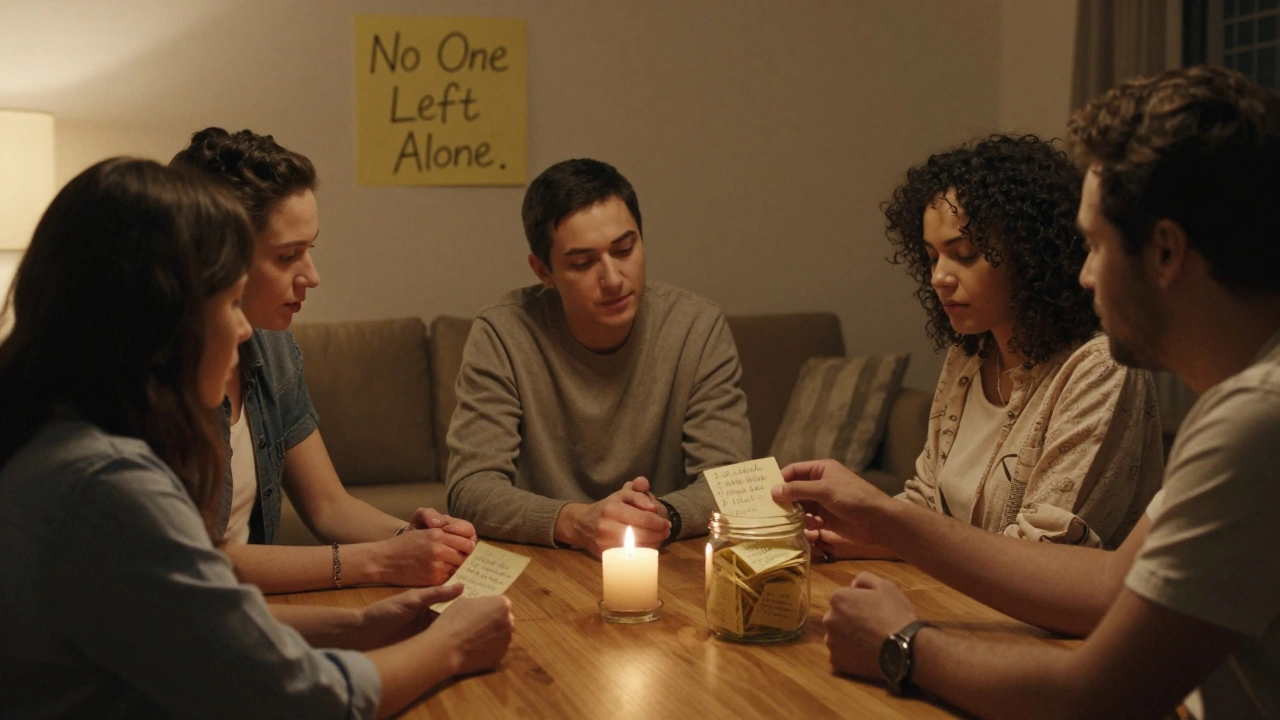
One group in Eugene, Oregon, started tracking “No One Left Alone” after someone shared they’d been hospitalized during the holidays and no one visited. The next month, they made a list of who needed a call, a text, or a ride. By month three, they had a rotating schedule. Their milestone? “12 straight weeks of check-ins with every member.” They didn’t post it online. They just kept a sticky note on the fridge at the meeting space. But everyone remembered it.
What to Avoid
Not every group milestone is helpful. Some can backfire.
- Don’t turn milestones into competitions. Saying “We had the most perfect attendance this month!” can make someone feel like a failure if they missed one meeting because their kid was sick.
- Don’t ignore the quiet. The person who never speaks but always brings cookies? They’re part of the milestone too. Recognition isn’t about volume-it’s about presence.
- Don’t rush. A milestone that takes six months to achieve is more powerful than one you hit in a week. Real progress doesn’t follow a calendar.
One group in Vancouver tried to track “Zero Relapses in 90 Days.” It sounded good on paper. But when someone slipped, the whole group spiraled into guilt. They stopped tracking it. Instead, they started tracking “One Person Spoke Up About a Trigger This Week.” That shift changed everything.
Real Examples from Real Groups
Here are a few milestones that actually stuck:
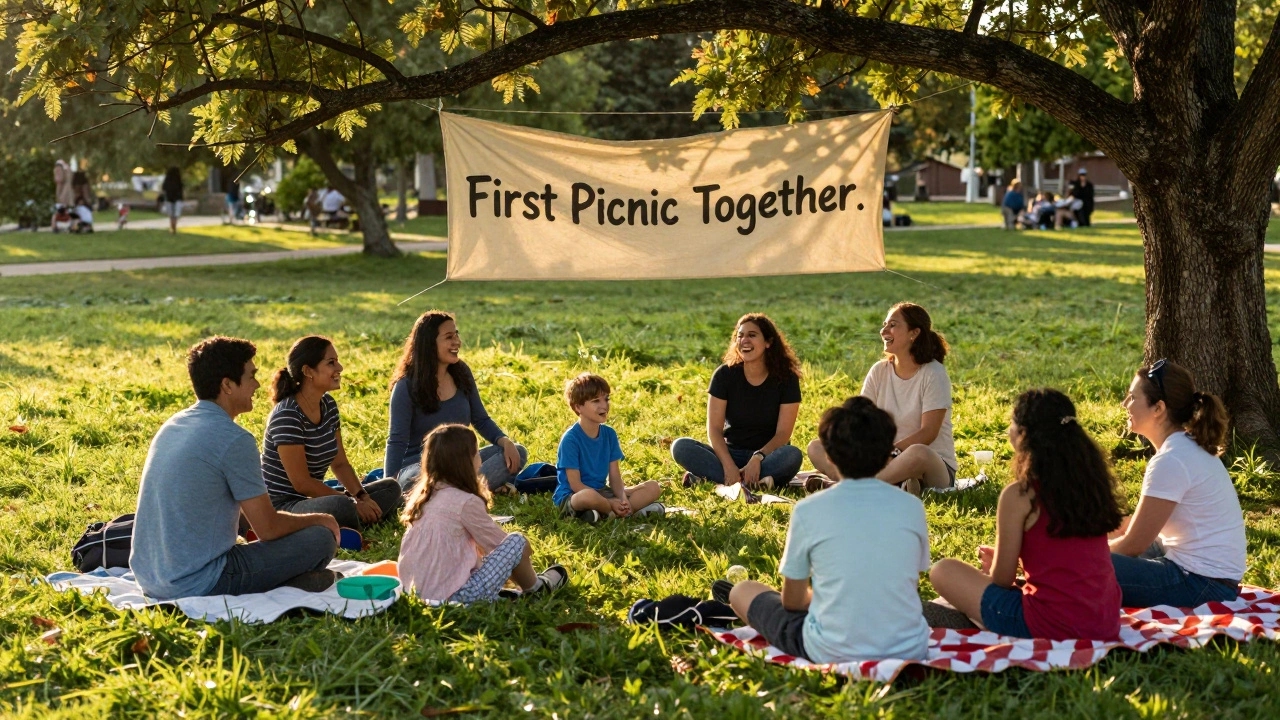
- Parenting Support Group: “First time we all showed up to a park together with kids.”
- Chronic Pain Group: “We made it through winter without canceling a single meeting.”
- PTSD Group: “We went three months without someone leaving mid-meeting.”
- Transgender Support Circle: “We had our first group photo-no one hid their face.”
- Alcohol Recovery Group: “We hosted our first potluck without alcohol-and no one felt awkward.”
Notice something? None of these are about quitting, curing, or fixing. They’re about showing up. Being seen. Feeling safe.
How to Keep Them Alive
Milestones fade if you don’t revisit them.
At the start of every meeting, ask: “What milestone did we hit last month?” Then, ask: “What’s one small thing we can aim for next?”
Some groups use a “Milestone Jar.” Each time something good happens, someone writes it on a slip of paper and drops it in. Once a quarter, they pull them out and read them aloud. People cry. People laugh. People remember why they came back.
It’s not about keeping score. It’s about keeping memory.
What Comes Next?
Once your group has a few milestones under its belt, you’ll start to notice something: people begin to show up differently. They bring their partners. They show up early. They stay late. They start checking in on each other outside the room.
That’s when the group stops being a support group and becomes a community.
And communities? They don’t need to be perfect. They just need to be consistent.
So if you’re in a group that’s been going for a while, ask yourself: What’s one thing we’ve done together that we wouldn’t have done alone? Write it down. Say it out loud. Let it matter.
How do community milestones differ from personal goals in support groups?
Personal goals focus on individual change-like quitting smoking or sleeping better. Community milestones are collective achievements that reflect group cohesion: showing up together, supporting each other during a crisis, or creating a space where no one feels judged. They measure connection, not just behavior.
Can community milestones help prevent relapse?
Yes. When people feel they belong to a group that consistently shows up for them, their sense of isolation decreases. Isolation is one of the biggest triggers for relapse. Community milestones reinforce belonging, which acts as a protective factor. Studies show groups that track these milestones have lower dropout and relapse rates over time.
What if no one in my group wants to track milestones?
Start with one small, natural moment. Maybe someone brought coffee for everyone last week. Say: “That was kind. Let’s call that ‘Coffee Day’ and see if it happens again.” You don’t need a system-you just need to notice. Often, once people see how good it feels to be recognized as a group, they’ll start suggesting their own milestones.
Do community milestones need to be formal or written down?
No. Many of the most powerful milestones are never written down. A shared glance across the room. A silence that feels safe. A hug after someone breaks down. These are milestones too. Writing them down helps, but what matters is that they’re felt and remembered.
How do you celebrate a milestone without making it awkward?
Keep it simple. Say: “I noticed we all showed up this week even though it rained.” Or: “Thanks for staying after to help clean up.” No applause needed. No speeches. Just recognition. Sometimes, silence after a moment of honesty is the most powerful celebration.