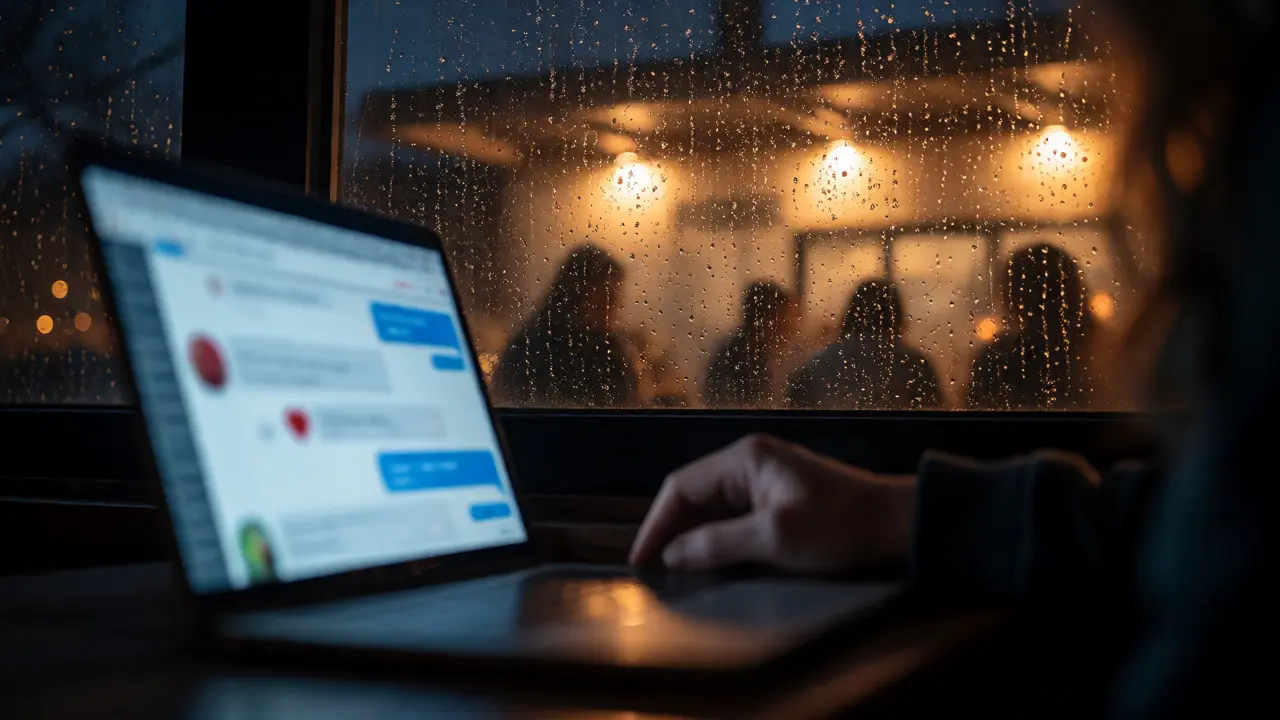
You know that feeling when you close your laptop after a two-hour Discord call with your recovery group? The screen goes black, the room is silent, and suddenly the connection feels… thin. You typed "I'm struggling" into a chat box, got ten heart emojis back, but no one actually sat next to you. That digital warmth fades fast. In Portland, where rain can make staying indoors feel like a lifestyle choice rather than a necessity, many people are realizing that online guilds are great for convenience, but they often lack the physical presence needed to truly anchor someone in recovery strategies.
This isn't about hating on technology. Zoom meetings saved lives during lockdowns. But as we move through late 2026, the novelty of virtual connection has worn off. People are craving texture-the sound of a real laugh, the awkward silence of a shared coffee break, the handshake that says, "I see you." If you're looking to swap pixels for pavement, here’s how to find or build the kind of in-person community that actually sticks.
Why Digital Connections Hit a Ceiling
Let's be honest: online groups are efficient. You can join a meeting at 11 PM in your pajamas without driving across town. For beginners, this low barrier to entry is huge. But efficiency isn't the same as efficacy. Research from the University of Washington suggests that while digital support reduces isolation, it doesn't always reduce the shame associated with addiction. Why? Because hiding behind an avatar makes it easier to hide the parts of yourself you aren't proud of.
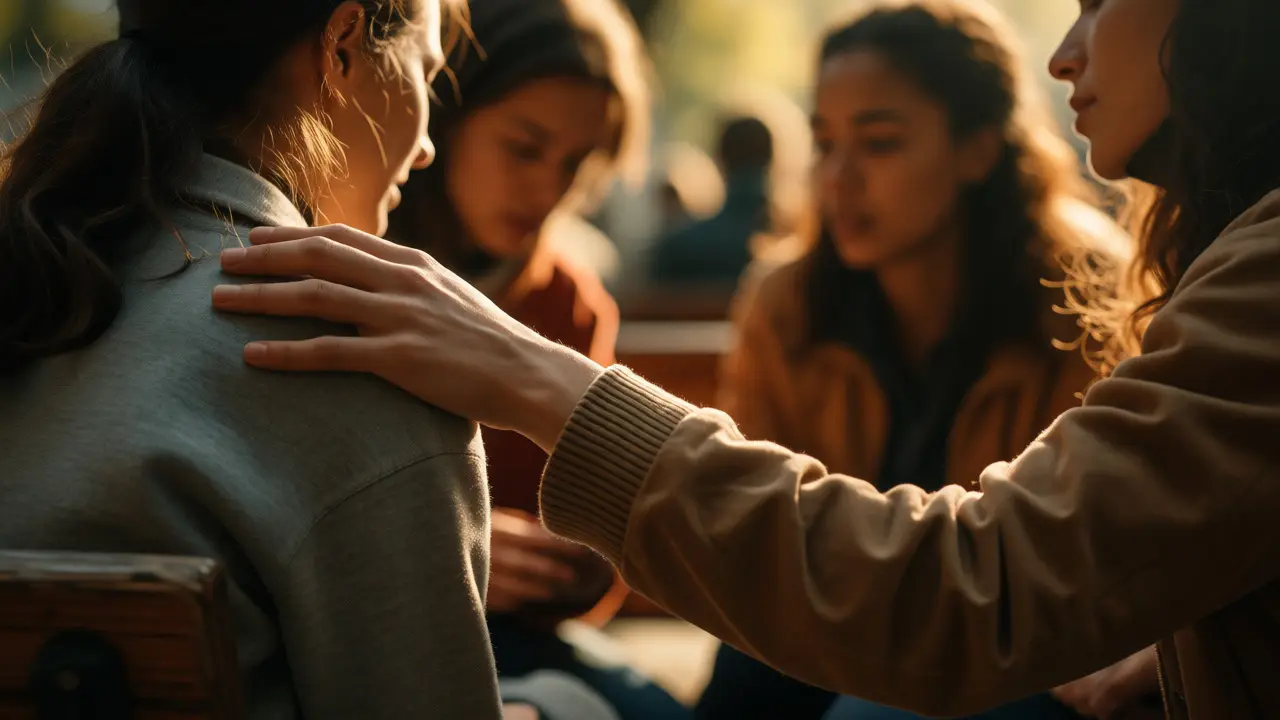
In a physical room, you can't filter out the messy parts. You smell the stale coffee; you hear the shaky voice of the person before you. This vulnerability creates a bond that text on a screen rarely replicates. When you replace an online guild with a local club, you aren't just changing the medium; you're changing the depth of accountability. It’s harder to flake on a meetup when your buddy knows exactly which chair you usually sit in.
The Rise of Sober Social Clubs
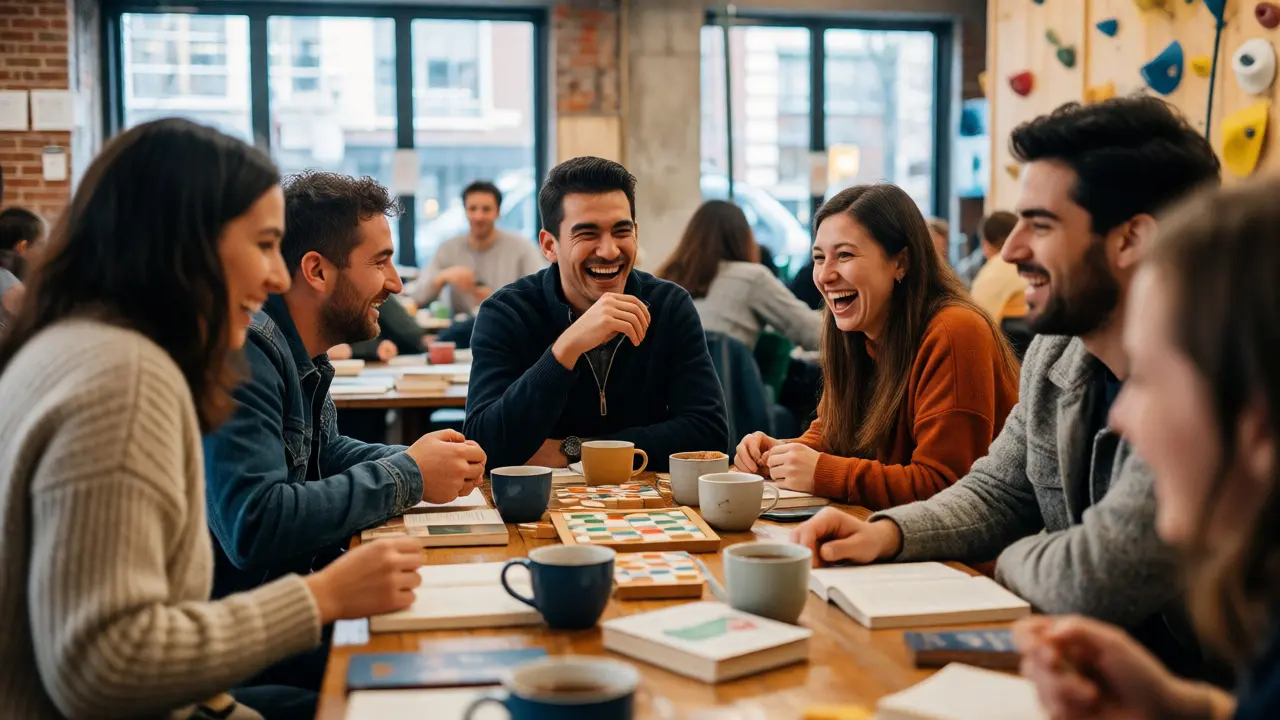
Gone are the days when recovery meant sitting in a circle of folding chairs reciting slogans. Today, the trend is shifting toward activity-based communities. These aren't therapy sessions disguised as hobbies; they are genuine hobbies that happen to be sober-friendly. Think hiking groups, board game cafes, climbing gyms, or book clubs.
In Portland, places like Pine Street Books host regular gatherings where alcohol isn't even on the menu. The focus is on the story, not the sobriety. This distinction matters. When you join a club, you're defined by what you do, not what you don't do. You're a reader, a climber, a gamer. Your identity expands beyond "person in recovery," which is a massive psychological win.
These groups act as natural filters. If you're trying to avoid bars, a Saturday morning trail run is a safer bet than a happy hour mixer. The structure provides a container for your time, filling those empty hours that used to be filled by drinking or scrolling.
How to Find Your Tribe (Without Awkwardness)
Finding these groups can feel intimidating. Walking into a room full of strangers when you're already feeling vulnerable takes guts. Here is a practical way to scout the landscape without committing to a lifetime membership immediately.
- Start with Interest, Not Need: Don't search for "support groups." Search for "beginner pottery class" or "Saturday chess club." Let the interest lead.
- Check Meetup.com and Eventbrite: Filter by "Sober" or "Alcohol-Free" events. Look for recurring events, not one-offs. Consistency builds trust.
- Vet the Vibe: Attend once as an observer. Is everyone talking over each other? Is there forced intimacy? Trust your gut. A good group allows for silence.
- Look for Third Places: Libraries, community centers, and independent coffee shops often host free, low-stakes gatherings. They are neutral ground, unlike bars or church basements.
If you live in a smaller town, libraries are often the unsung heroes of community building. Librarians are increasingly curating social calendars specifically for adults seeking connection outside of work and family obligations.
Building Your Own Micro-Community
Sometimes, the perfect group doesn't exist yet. Maybe you want a walking group, but everyone else runs. Maybe you want a sober gaming night, but the local arcade only opens at 8 PM. If you can't find it, start it. But keep it small.
Don't try to replicate a 50-person AA meeting. Aim for three to five people. Small groups allow for deeper conversation and higher accountability. Start with a simple rule: meet weekly, same time, same place. Make it easy to say yes. If you're organizing a board game night, pick games that don't require complex rules explanations so new members can jump in quickly.
| Feature | Online Guilds | In-Person Clubs |
|---|---|---|
| Accessibility | High (24/7 access) | Moderate (Schedule dependent) |
| Accountability | Low (Easy to ghost) | High (Social pressure) |
| Identity Focus | Addiction-centric | Hobby-centric |
| Sensory Engagement | Visual/Audio only | Full sensory experience |
| Cost | Often Free | Variable (Activity fees) |
Navigating the Transition Period
Switching from online to offline isn't a clean break. Most people need a hybrid approach. Keep your online groups for emergency support-when you're at work and panic hits, a quick text to a Discord channel is faster than calling a friend who might be asleep. Use the digital space for maintenance, but use the physical space for growth.
Expect friction. Real life is messier than curated feeds. Someone will cancel last minute. The weather will ruin your picnic plan. The conversation will get weird. This is good. Navigating these small stresses without turning to old coping mechanisms is part of the recovery strategy. You're practicing resilience in real-time.
Also, be patient with yourself. Building a new social circle takes time. Sociologists suggest it takes roughly 50 hours of interaction to move from acquaintance to casual friend, and 200 hours to become close friends. Don't expect instant besties. Show up consistently, and the bonds will form.
Localizing Your Search
Context matters. What works in rural Oregon might not work in downtown Manhattan. In Portland, the culture supports outdoor activities and alternative lifestyles, making it easier to find non-alcoholic social scenes. In more conservative areas, you might need to lean on faith-based organizations or civic groups like Rotary or Lions Club, which have their own sober-friendly traditions.
Look for niche communities that align with your values. Are you eco-conscious? Join a park cleanup crew. Are you creative? Attend open mic nights that serve tea instead of beer. The goal is to surround yourself with people whose lifestyle choices naturally reinforce your own. You become the average of the five people you spend the most time with, so choose wisely.
Troubleshooting Common Pitfalls
Even with the best intentions, things go wrong. Here are common traps and how to sidestep them.
- The "Fixer" Trap: Avoid groups where everyone is constantly analyzing each other's trauma. Look for groups that balance sharing with doing.
- Overcommitment: Don't join five new clubs in one month. Burnout is real. Pick one or two and stick with them for at least six weeks.
- Ignoring Red Flags: If a group leader dominates every conversation or if there's pressure to share personal details before you're ready, leave. Healthy groups respect boundaries.
- Isolation Masked as Independence: Saying "I don't need anyone" is often a defense mechanism. Allow yourself to be supported.
Remember, the goal isn't to replace human connection with another obligation. It's to find spaces where being sober feels normal, boring, and safe. That mundane safety is where true healing happens.
Are in-person meetups better than online support groups?
Neither is strictly "better," but they serve different functions. Online groups offer immediate, low-barrier access for crisis moments or when mobility is limited. In-person meetups provide deeper emotional bonding, non-verbal cues, and a stronger sense of accountability. For long-term recovery, a mix of both is often ideal, using online tools for daily check-ins and in-person clubs for building a sustainable social life.
How do I find sober-friendly clubs in my area?
Start by searching platforms like Meetup.com or Eventbrite using keywords like "sober," "alcohol-free," or specific hobbies like "hiking" or "board games." Check local libraries and community centers for bulletin boards. Ask bartenders or baristas at coffee shops if they know of any regular groups that gather there. Word-of-mouth is powerful; let your current online contacts know you're looking for local connections.
What if I feel awkward joining a new group?
It's completely normal. Most established groups welcome newcomers, especially if you arrive early to help set up or chat with the organizer. Remember that everyone was new once. You don't need to perform or explain your entire life story immediately. Just show up, listen, and participate in the activity. Consistency helps ease the awkwardness over time.
Can I replace all my online guilds with in-person clubs?
Not necessarily. Online guilds can still play a valuable role, particularly for niche interests or when traveling. However, relying solely on online interactions can limit your ability to develop real-world social skills. Aim to gradually shift your primary social energy to in-person interactions while keeping online groups as a supplemental resource for flexibility.
How many people should be in a recovery-focused club?
There is no magic number, but smaller groups (5-10 people) tend to foster deeper connections and higher accountability. Larger groups (20+) can feel anonymous and less supportive. If you're starting a club, aim for a size where everyone can speak comfortably without the meeting dragging on too long.