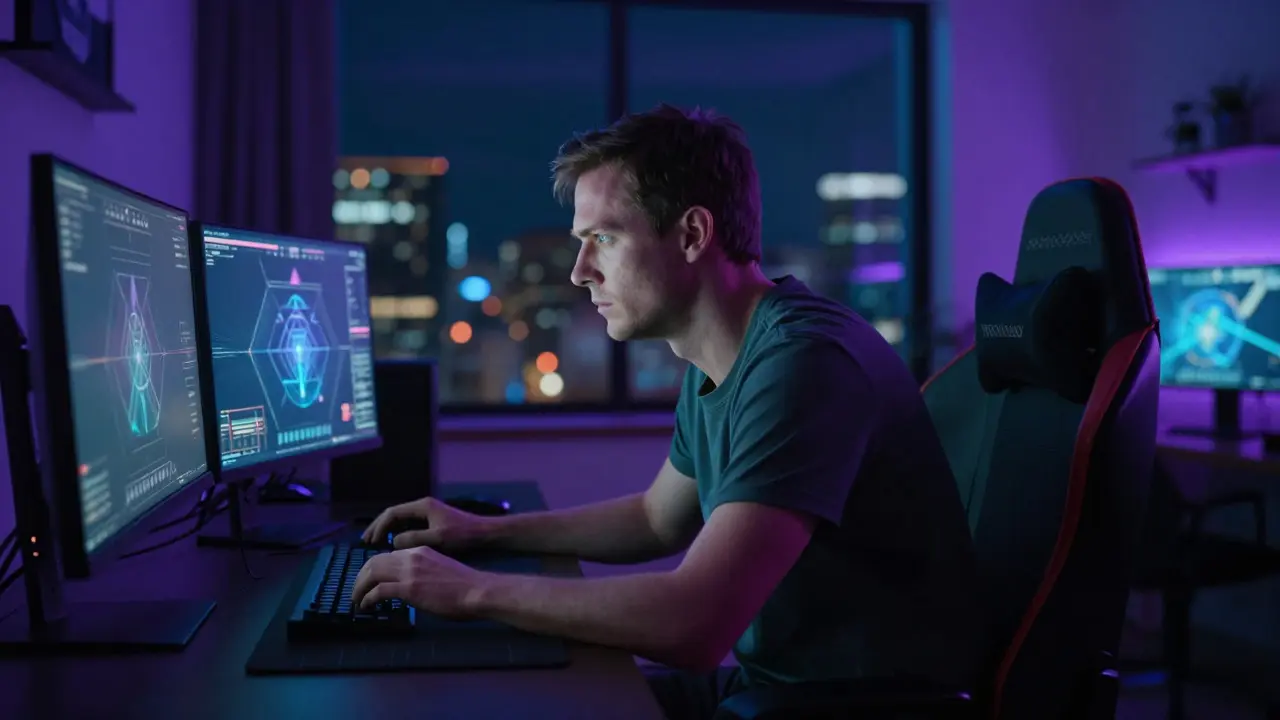
Imagine a room full of men in their mid-30s. They aren't talking about mortgages or parenting hacks. They are dissecting the meta-strategy for Competitive Gaming is a high-stakes digital activity where players compete for rank, rewards, and social status within structured online ecosystems. For this specific demographic, it isn't just a hobby; it is a primary social venue. But when does engagement turn into Overuse is a behavioral pattern characterized by excessive screen time that displaces sleep, physical health, and offline relationships? The line is blurrier than most people think.
We often hear about teenage gamers staying up until 4 AM. What we rarely discuss is the silent shift happening among adult men who use ranked ladders as their main source of camaraderie. This article breaks down the demographics, the psychology behind the grind, and how to spot when the fun stops being fun.
The Core Demographic: Who Are These Men?
To understand the problem, you have to look at who is actually playing. We are not talking about casual mobile gamers. We are looking at a specific slice of the male population that treats Esports is organized competitive video gaming that features professional leagues, tournaments, and significant prize pools as a lifestyle rather than a pastime.
- Age Range: Primarily 25 to 45 years old. This group has disposable income and stable schedules but limited free time.
- Occupation: Tech workers, engineers, and creative professionals. Jobs that require high cognitive load make gaming a preferred form of "decompression" compared to passive activities like watching TV.
- Social Structure: Often part of established Discord servers or clan groups formed during college or early career. These bonds are deep because they survived years of shared stress and victory.
- Geography: Heavily concentrated in urban centers with high-speed internet infrastructure, such as Seattle, Austin, and Portland.
This group values efficiency. If a game takes three hours to finish one match, they need to see tangible progress. That is why Ranked Modes are gameplay structures that assign players a numerical skill rating based on win-loss records, creating a competitive hierarchy dominate their playtime. The number goes up, or it stays the same. There is no ambiguity. It is measurable self-worth in a digital format.
Why Competitive Gaming Becomes an Escape Hatch
Why do these men lean so heavily on the keyboard? It comes down to clarity. In real life, feedback loops are slow. You work hard at your job, and you might get a raise in six months. You exercise, and you see results in weeks. In Real-Time Strategy (RTS) games or Fighting Games, every action has an immediate consequence. Did you miss the shot? You die instantly. Did you build the wrong unit? Your base falls. This instant feedback loop is addictive for brains wired for problem-solving.
Furthermore, the social pressure within these groups is intense. When you are part of a five-person squad trying to reach a top percentile, your performance affects everyone else. Missing a callout doesn't just hurt you; it lets your friends down. This creates a sense of duty that can override personal boundaries. One man in our focus group admitted he played through a minor injury in his back because his team was one win away from a season goal. The social contract felt heavier than his physical pain.
Defining Overuse: Beyond Just Screen Time
Many people define overuse simply as "too many hours." But for this demographic, it is more nuanced. A man can play four hours a day and be healthy if he sleeps well and exercises. Another man can play two hours and be miserable if those hours replace dinner with his family. So, what are the actual markers of Behavioral Addiction is a condition where an individual loses control over a behavior, continuing it despite negative consequences to health or relationships? Here is a practical checklist used by psychologists specializing in digital habits:
- Displacement of Basic Needs: Skipping meals, reducing sleep below seven hours, or ignoring hygiene to maintain a streak.
- Irritability Upon Disconnection: Feeling angry or anxious when forced to log off, even for short periods.
- Neglect of Offline Responsibilities: Procrastinating work tasks or household chores specifically to secure a gaming window.
- Social Withdrawal: Preferring voice chat with teammates over face-to-face interaction with partners or children.
- Chasing Losses: Playing longer after a bad loss to "fix" the score, leading to late-night sessions that ruin the next day's productivity.
If a man checks three or more of these boxes consistently for over a month, he is likely in an overuse pattern. It is not necessarily a clinical addiction yet, but it is a warning sign that the balance has tipped.
The Health Cost: Physical and Mental Toll
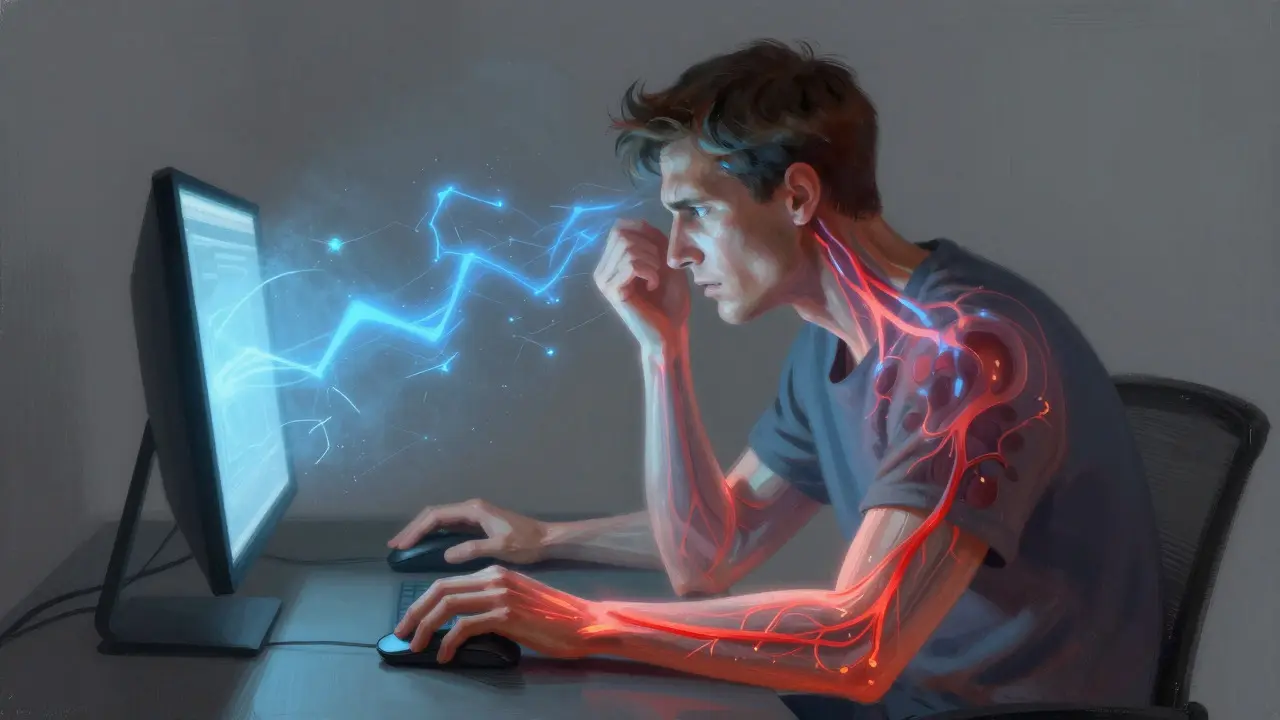
The physical impact is often underestimated because these men are usually young enough to bounce back quickly. But the cumulative damage adds up. Repetitive Strain Injury (RSI) is a group of disorders affecting muscles and nerves, commonly caused by repetitive movements, particularly in hands and wrists is rampant. Carpal tunnel syndrome and tendonitis in the forearms are common complaints. But there is a less visible cost: sedentary behavior. Sitting for extended periods without movement increases the risk of cardiovascular issues and metabolic disorders.
Mentally, the toll is equally significant. The constant state of hyper-focus required in competitive modes keeps the nervous system in a mild fight-or-flight response. While this feels energizing in the moment, it prevents true relaxation. Many users report feeling "wired but tired" at the end of the day. Their bodies are exhausted, but their minds are still processing game mechanics. This disrupts sleep quality, leading to a cycle where they need more caffeine to stay awake, which further impairs sleep.
| Factor | Healthy Engagement | Overuse Pattern |
|---|---|---|
| Daily Duration | 1-3 hours, scheduled | Unpredictable, often 4+ hours |
| Impact on Sleep | No disruption, consistent bedtime | Delayed bedtime, reduced REM sleep |
| Social Interaction | Gaming supplements offline life | Gaming replaces offline interactions |
| Emotional State Post-Game | Relaxed, satisfied | Anxious, irritable, or drained |
| Physical Activity | Maintains regular exercise routine | Exercises skipped due to fatigue/time |
Strategies for Rebalancing Without Losing Community
The good news is that you don't have to quit cold turkey. That usually leads to withdrawal symptoms and social isolation. Instead, try these structural changes that respect the community aspect while reclaiming time.
Implement Hard Stop Times. Use a simple timer or an app that mutes the computer audio after a set period. The key is to make the stop automatic. Willpower fails at 11 PM; systems do not. Start with a two-hour limit for ranked matches. Once the timer goes off, close the client. No exceptions for "one more game."
Batch Your Socializing. Agree with your guild or clan to have specific "grind nights" where everyone plays together, and other nights where everyone is offline. This reduces the guilt of logging off early on random days. If the whole group is offline, you are not missing out; you are just resting.
Swap Ranked for Casual. On days when you feel stressed or tired, switch to unranked modes or cooperative games. The pressure to perform drops significantly, allowing you to enjoy the social aspect without the anxiety of losing points. This helps reset your relationship with the game from "obligation" to "fun."
Create a Non-Gaming Ritual. Replace the post-game wind-down with something physical. Go for a 15-minute walk, stretch, or cook a meal. This signals to your brain that the session is over and helps transition your nervous system out of high-alert mode.

When to Seek Professional Help
Self-regulation works for most people, but some cases require outside intervention. Consider speaking with a therapist or counselor if:
- You have tried setting limits multiple times and failed completely.
- Your partner or family members have expressed concern about your availability.
- You experience significant mood swings when unable to play.
- Your work performance has noticeably declined due to fatigue or distraction.
Cognitive Behavioral Therapy (CBT) has shown promise in treating gaming-related issues by helping individuals identify the underlying triggers for excessive play, such as avoidance of real-life stressors. It is not about blaming the game; it is about understanding what the game is providing that life currently lacks.
Frequently Asked Questions
Is competitive gaming bad for mental health?
Not inherently. Moderate play can reduce stress and improve cognitive flexibility. However, excessive play linked to ranked pressure can increase anxiety and irritability. The key is balance and ensuring gaming complements rather than replaces other life domains.
How many hours is considered too much gaming for adults?
There is no universal number, but most experts suggest keeping recreational screen time under 3-4 hours per day for adults. More importantly, total daily sitting time should be balanced with physical activity. If gaming cuts into sleep or essential responsibilities, it is likely too much regardless of the hour count.
What is the difference between a hobby and an addiction?
A hobby is chosen freely and can be paused without significant distress. An addiction involves compulsive behavior where stopping leads to withdrawal symptoms like anger or sadness. Addictions also typically lead to negative consequences in health, work, or relationships that the person continues to ignore.
Can quitting competitive gaming cause depression?
For some, sudden cessation can trigger temporary low mood due to the loss of a primary social outlet and dopamine source. This is normal withdrawal. It usually subsides within a few weeks as new routines and social connections are established. Gradual reduction is safer than abrupt quitting.
How can I convince my gaming group to take breaks?
Frame it as a strategic advantage. Explain that rested players perform better in ranked matches. Propose a schedule where everyone agrees to be offline on certain nights. When the whole group participates, the social pressure to stay online disappears, making it easier for everyone to rest.