
You know that feeling when you boot up a console after a brutal day? The screen glows, the music swells, and for an hour or two, the weight on your chest feels lighter. It’s not just escapism; it’s a coping mechanism millions rely on. But here is the tricky part: while video games can offer genuine relief from stress, they can also deepen the trenches of mental health struggles. We need to talk about where the line blurs between healthy play and harmful avoidance.
Let’s be real about the numbers. According to recent data from the World Health Organization, nearly one in eight people globally lives with a mental disorder. Among young adults, specifically those aged 18 to 25, the prevalence of anxiety disorders and depression has spiked dramatically over the last decade. And guess who is playing more than ever? Gamers. This isn’t a coincidence. The relationship between digital entertainment and psychological well-being is complex, often misunderstood, and deeply personal.
The Double-Edged Sword of Digital Escapism
Think about why you play. Is it for competition? For story? Or maybe because the real world feels too loud, too demanding, too unpredictable? Games provide structured environments with clear rules and immediate feedback. In Elden Ring, if you die, you learn what killed you and try again. There is clarity there. Life rarely offers such clear cause-and-effect relationships.
For many dealing with social anxiety, online multiplayer spaces like League of Legends or Overwatch serve as low-stakes social training grounds. You interact without the pressure of eye contact or physical presence. It builds confidence. However, this same structure can become a trap. When gaming becomes the only place you feel competent or connected, real-world interactions start to feel impossible. That is when escapism turns into avoidance.
When Coping Becomes Compulsion
The American Psychiatric Association added Internet Gaming Disorder to its diagnostic manual as a condition requiring further study. It’s not just about playing too much; it’s about loss of control. If you skip meals, ignore hygiene, or cancel plans consistently to play, the behavior is no longer leisure-it’s compulsion.
Depression often feeds on inertia. You feel tired, so you sit down to play. Playing keeps you sedentary, which worsens fatigue and mood. It’s a vicious cycle. Anxiety plays a different trick. High-intensity competitive games can spike cortisol levels. If you’re already anxious, losing a ranked match might trigger a disproportionate emotional response, reinforcing the idea that you are failing even in your safe space.
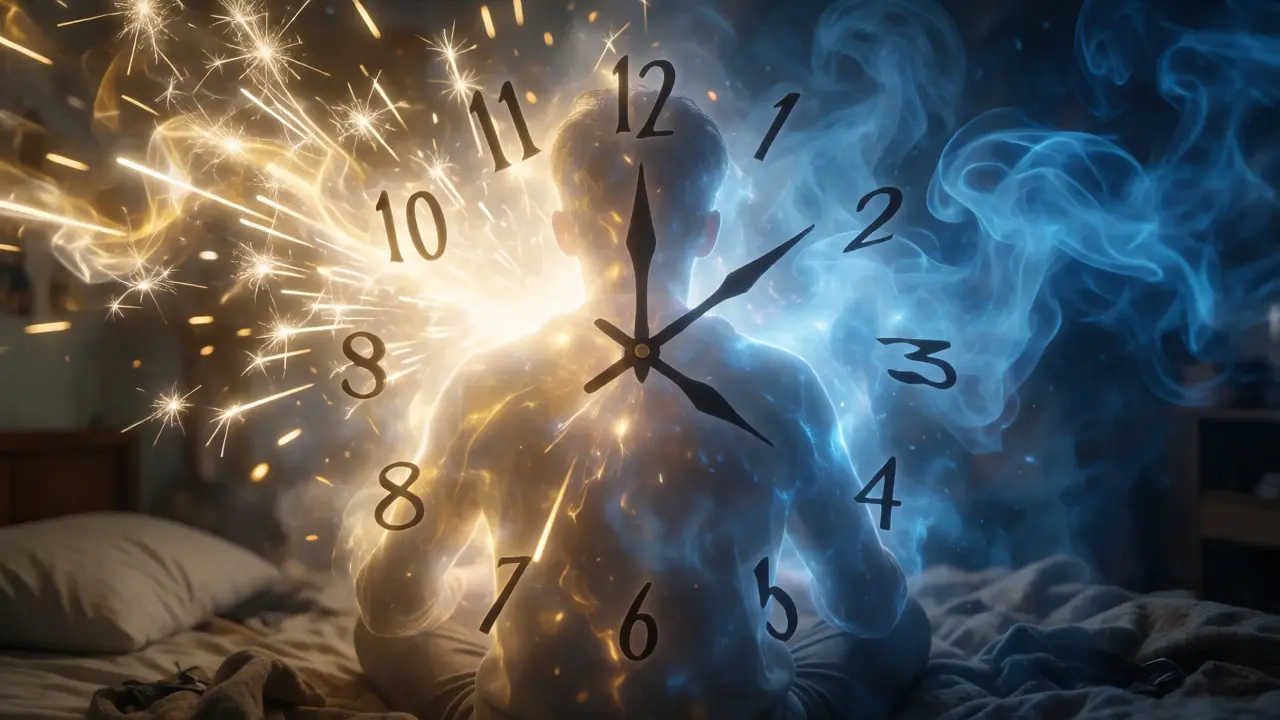
Neurochemistry: Dopamine vs. Serotonin
Here is the science bit, kept simple. Video games are engineered to release dopamine-the "reward" neurotransmitter. Every loot box, every level-up, every kill gives you a hit. For someone with depression, whose baseline dopamine signaling might be dysregulated, these artificial highs can make natural rewards (like a walk or a chat with a friend) feel dull by comparison.
Conversely, chronic stress and anxiety deplete serotonin, the mood stabilizer. While gaming doesn’t directly produce serotonin, poor sleep caused by late-night sessions absolutely does. Blue light exposure suppresses melatonin, disrupting circadian rhythms. Poor sleep exacerbates both anxiety and depression symptoms. So, staying up until 3 AM grinding for gear isn’t just tiring; it’s chemically sabotaging your mental resilience.
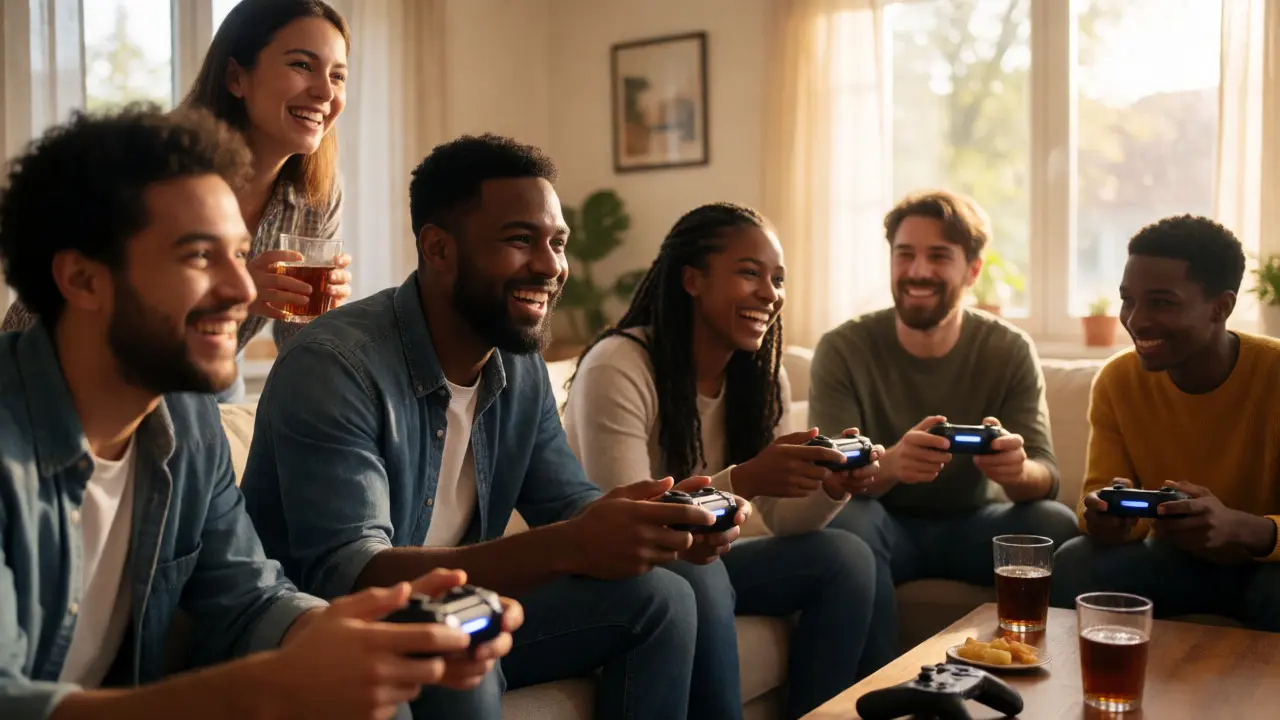
Community Support vs. Toxic Environments
We cannot ignore the community aspect. Platforms like Discord have revolutionized how gamers connect. Many support groups exist entirely within gaming servers. People find friends who understand their niche interests, reducing feelings of isolation. This social buffer is protective against depression.
But toxicity is rampant. Harassment in voice chats can trigger trauma responses or increase social anxiety. If you log off feeling worse than when you logged on, the environment is hurting you. Curating your online circle is crucial. Muting toxic players isn’t weakness; it’s mental hygiene.
| Habit Type | Potential Benefit | Potential Risk |
|---|---|---|
| Social Multiplayer | Reduces isolation; builds teamwork skills | Exposure to harassment; social comparison |
| Single-Player Narrative | Emotional catharsis; stress reduction | Can reinforce rumination if themes are dark |
| Competitive Ranked | Boosts self-efficacy upon winning | Increases cortisol/anxiety during losses |
| Casual/Mobile | Quick mood lift; accessible relaxation | Fragmented attention; addictive micro-transactions |
Strategies for Healthy Play
You don’t have to quit gaming to save your sanity. You just need boundaries. Start with the "20-20-20" rule adapted for mental health: every 20 minutes, check in with yourself. Are you playing because you want to, or because you’re avoiding something?
- Set Hard Stops: Use alarms. Don’t rely on willpower alone when dopamine is driving you.
- Mix Genres: If competitive shooters spike your anxiety, switch to cooperative or relaxing games like Stardew Valley.
- Physical Anchor: Pair gaming with physical activity. Stand up during loading screens. Stretch. Break the sedentary chain.
- Talk About It: Tell a friend or therapist about your gaming habits. External perspective helps identify blind spots.
Remember, games are tools. Like any tool, they work best when used intentionally. If you find yourself unable to stop despite negative consequences, consider speaking with a mental health professional. They aren’t there to judge your hobby; they’re there to help you manage the crisis behind the controller.
Can video games actually help treat depression?
Yes, in some cases. Research suggests that certain games can improve mood through engagement and achievement. Games like SuperBetter were specifically designed to build resilience. However, they are typically most effective as complementary therapies alongside traditional treatment, not replacements.
Is gaming addiction recognized as a medical diagnosis?
The World Health Organization includes "Gaming Disorder" in the ICD-11. The DSM-5 lists "Internet Gaming Disorder" as a condition for further study. Diagnosis usually requires significant impairment in personal, family, social, educational, or occupational functioning over at least 12 months.
How does blue light from screens affect anxiety?
Blue light suppresses melatonin production, delaying sleep onset. Poor sleep quality significantly worsens anxiety symptoms the next day, creating a feedback loop where anxiety disrupts sleep, and lack of sleep increases anxiety.
Should I quit gaming if I have social anxiety?
Not necessarily. Online gaming can be a bridge to social interaction. The key is moderation and ensuring that virtual connections do not completely replace real-world ones. If gaming allows you to practice social skills, it can be beneficial.
What are signs my gaming habit is becoming unhealthy?
Warning signs include neglecting basic needs (eating, sleeping), withdrawing from non-gaming friends, lying about time spent playing, and experiencing irritability or sadness when unable to play.