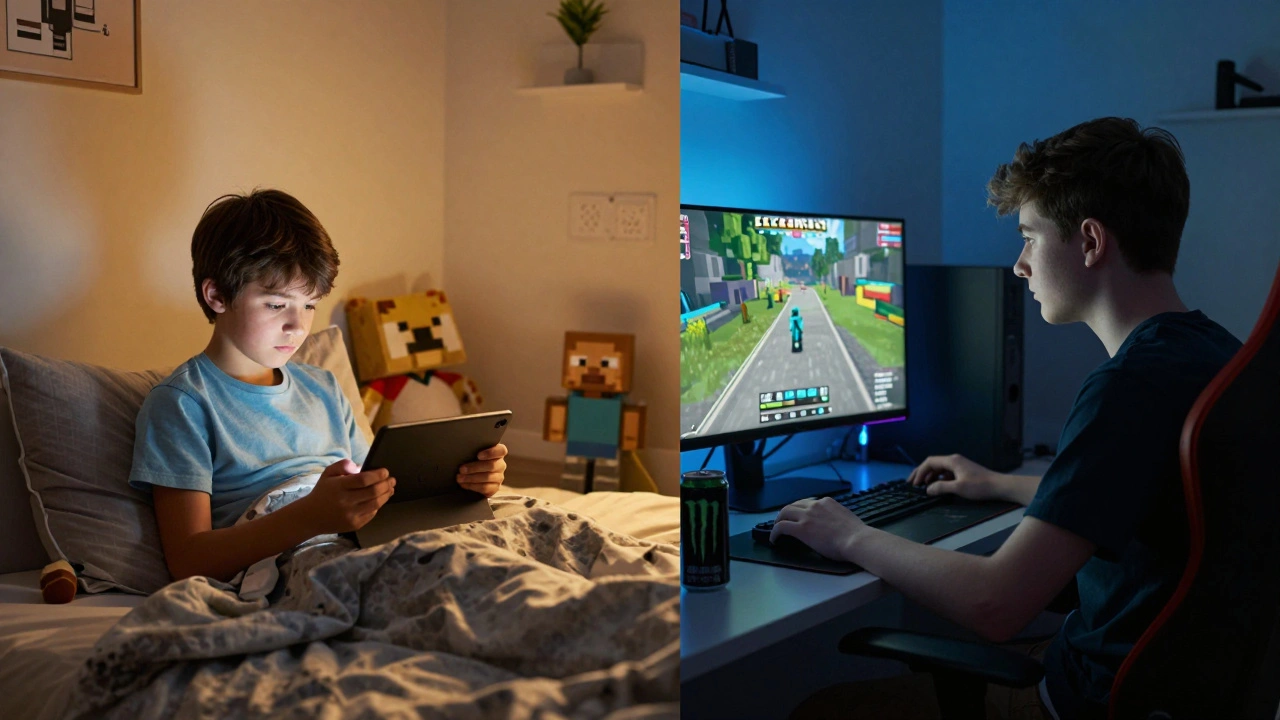
Parents often treat "kids" as a single block. They set one rule for the ten-year-old and expect it to work for the sixteen-year-old. It doesn’t. The brain of a middle schooler is wiring itself differently than the brain of a high schooler. This biological reality changes how they interact with digital worlds. When you ignore these developmental gaps, you miss the specific dangers lurking in their feeds and friend lists.
The shift from middle school to high school isn't just about bigger lockers or harder math. It’s a fundamental change in social hierarchy, cognitive ability, and emotional regulation. Gaming is a form of interactive entertainment that varies significantly in risk profile depending on the player's developmental stage. For a twelve-year-old, a game might be a safe sandbox. For a fifteen-year-old, that same game can become a pressure cooker for social anxiety or financial exploitation.
The Middle School Brain: Social Survival and Identity Formation
Middle school, typically ages eleven to fourteen, is a chaotic period defined by one thing: fitting in. The prefrontal cortex-the part of the brain responsible for impulse control and long-term planning-is still under construction. Meanwhile, the limbic system, which handles emotions and rewards, is firing on all cylinders. This mismatch makes them hyper-sensitive to social cues.
In this stage, gaming risks are rarely about addiction in the clinical sense. They are about social survival. If everyone in their class plays Minecraft is a sandbox video game that allows players to build and explore virtual worlds, your child feels excluded if they don’t join. The risk here is exclusion, not just the game itself. Parents who ban popular titles without offering alternatives often find their kids sneaking onto devices at night because the social cost of being left out feels unbearable.
Bullying also shifts shape. In elementary school, bullying is physical. In middle school, it moves online. Cyberbullying is the use of digital communication tools to harm others intentionally. Gaming chats become hunting grounds. A kid might get mocked for their skill level, their avatar choices, or their voice tone. Because their identity is still forming, these comments stick harder. They interpret a stranger’s insult in a multiplayer lobby as a confirmation that they are worthless.
Another major risk is exposure to inappropriate content. Middle schoolers lack the filter to distinguish between harmless edgy humor and genuine hate speech. They stumble into Discord servers or Twitch streams where adults discuss topics they aren’t ready for. Without guidance, they absorb these norms as standard behavior.
The High School Shift: Autonomy and Intensity
High school, ages fifteen to eighteen, brings a different set of challenges. The brain has matured slightly. These teens have better executive function but crave autonomy. They want to make their own decisions. This desire for independence opens the door to more complex risks.
The primary danger in high school gaming is intensity and monetization. Games are designed to hook older players with deeper psychological triggers. Loot Boxes are virtual items in video games that contain randomized loot, often requiring real money to open. They operate like slot machines. High schoolers understand probability better than middle schoolers, making them smarter targets for predatory design. They know exactly what they are buying, yet the dopamine hit keeps them coming back. This leads to significant financial drain, often funded by stolen credit cards or hidden parental subscriptions.
Socially, the stakes are higher. High school gamers often engage in competitive play. Losing isn't just embarrassing; it threatens their status within a tight-knit peer group. This pressure can lead to burnout, sleep deprivation, and neglect of academic responsibilities. The line between hobby and obsession blurs. A senior might skip studying for finals to grind for a rank in Fortnite is a battle royale game that combines building mechanics with intense competition because their friends are watching the stream.
Sexual predation is another severe risk. Older teens are more likely to share personal details, believing they are connecting with peers. Predators target high schoolers because they are more trusting and less supervised than younger kids. Voice chats and private messaging apps become vectors for grooming. Unlike middle schoolers, high schoolers may not report these interactions immediately due to fear of having their devices taken away or shame.

Comparing Risk Profiles: A Practical Guide
To manage these risks effectively, you need to see the differences clearly. Here is how the dangers break down by age group.
| Risk Category | Middle School (11-14) | High School (15-18) |
|---|---|---|
| Social Pressure | Fear of exclusion; need to belong | Status maintenance; competitive ranking |
| Financial Danger | Accidental purchases; confusion over microtransactions | Deliberate spending; loot box gambling; subscription traps |
| Content Exposure | Inappropriate language; shock value content | Adult themes; sexualized content; political extremism |
| Bullying Type | Public humiliation in chat; skill-based mockery | Coordinated harassment; doxxing threats; reputation damage |
| Predation Risk | Low awareness; naive trust | Targeted grooming; romantic manipulation |
| Parental Control Response | Rebellion; secrecy | Negotiation; hiding behavior; lying |
Strategies for Middle School Guardians
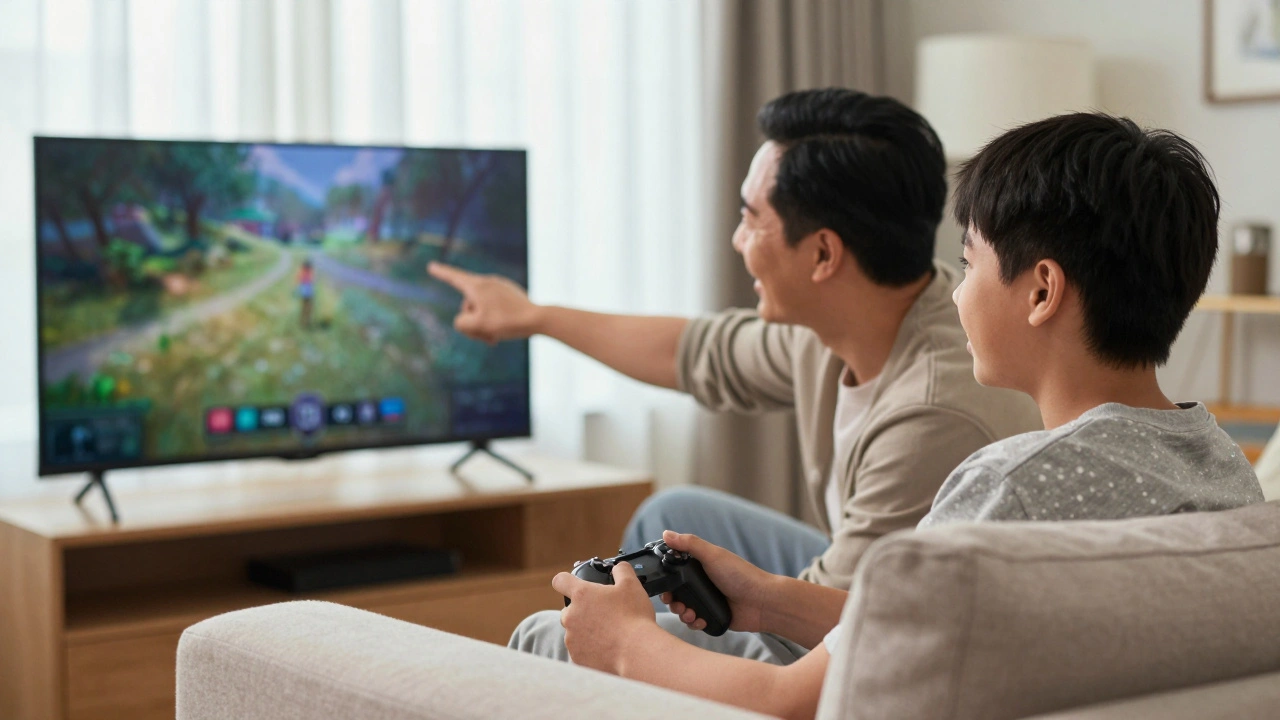
If your child is in middle school, your goal is connection and education. Hard restrictions usually backfire because they fuel rebellion. Instead, focus on co-playing. Sit down and play the game with them. This does two things: it shows you care about their world, and it lets you see the environment firsthand. You’ll hear the language they use and meet their friends virtually.
Set clear boundaries around time, but frame them as health issues, not punishments. Explain that sleep affects their mood and grades. Use parental controls to block in-game purchases entirely. At this age, they shouldn’t be able to spend money without asking. Teach them about privacy settings. Make sure they know never to share their full name, school, or location. Role-play scenarios where someone asks for personal info so they practice saying no.
Encourage offline hobbies. Middle schoolers need diverse sources of self-esteem. If gaming is their only success metric, any failure in the game feels catastrophic. Support sports, arts, or coding clubs. Give them wins outside the screen.
Approaches for High School Parents
With high schoolers, control must shift to collaboration. They will resist micromanagement. Your role becomes that of a consultant. Discuss the business model of free-to-play games. Show them how companies profit from their attention. This appeals to their growing critical thinking skills. Help them recognize manipulative design patterns like daily login bonuses or limited-time offers.
Address financial responsibility directly. If they want to buy skins or loot boxes, they should pay with their own money. This creates natural consequences. If they run out of cash, they stop playing. It teaches budgeting better than any lecture.
Monitor for signs of distress rather than hours played. Isolation, irritability, and declining grades are red flags. Talk openly about online relationships. Ask questions about their friends in voice chats. Normalize reporting suspicious behavior. Assure them that telling you won’t result in losing their phone. Trust is your biggest asset here.
Building Digital Resilience Across Ages
Regardless of age, resilience comes from open communication. Create a household culture where mistakes are learning opportunities, not reasons for punishment. If a middle schooler gets bullied, respond with support, not anger. If a high schooler overspends, help them analyze the decision, not just confiscate the device.
Educate yourself on the platforms they use. Discord is a voice, video, and text chat application primarily used by communities and gaming groups. Understanding its server structure helps you guide safety settings. Know the difference between public and private channels. Learn how to mute notifications to protect sleep hygiene.
Finally, model healthy behavior. If you scroll through your phone during dinner, your child learns that screens take priority over people. Put your own devices away. Engage in face-to-face conversations. Show them that life happens offline too.
What is the most dangerous gaming risk for middle schoolers?
The most significant risk is cyberbullying and social exclusion. Middle schoolers are highly sensitive to peer approval. Negative interactions in gaming chats can severely impact their self-esteem and mental health. They may also encounter inappropriate content due to a lack of filtering skills.
How do high schoolers fall victim to gaming scams?
High schoolers often fall for phishing scams promising free in-game currency or rare items. They may also succumb to predatory monetization like loot boxes, which exploit their understanding of probability and desire for status symbols. Financial loss is a common consequence.
Should I let my middle schooler play online multiplayer games?
Yes, but with strict supervision. Enable chat filters and restrict voice communication initially. Play alongside them to monitor interactions. Gradually increase freedom as they demonstrate good judgment. Always ensure privacy settings hide their personal information.
How can I tell if my high schooler is addicted to gaming?
Look for behavioral changes such as neglecting schoolwork, withdrawing from family activities, lying about playtime, and irritability when disconnected. Addiction is characterized by loss of control and continued use despite negative consequences to health and relationships.
What are effective ways to limit screen time for teenagers?
Collaborative rule-setting works best. Involve your teen in creating a schedule that balances gaming with sleep, exercise, and socializing. Use technical tools like router schedules or built-in parental controls as backups, not primary enforcement methods. Focus on the 'why' behind the limits.