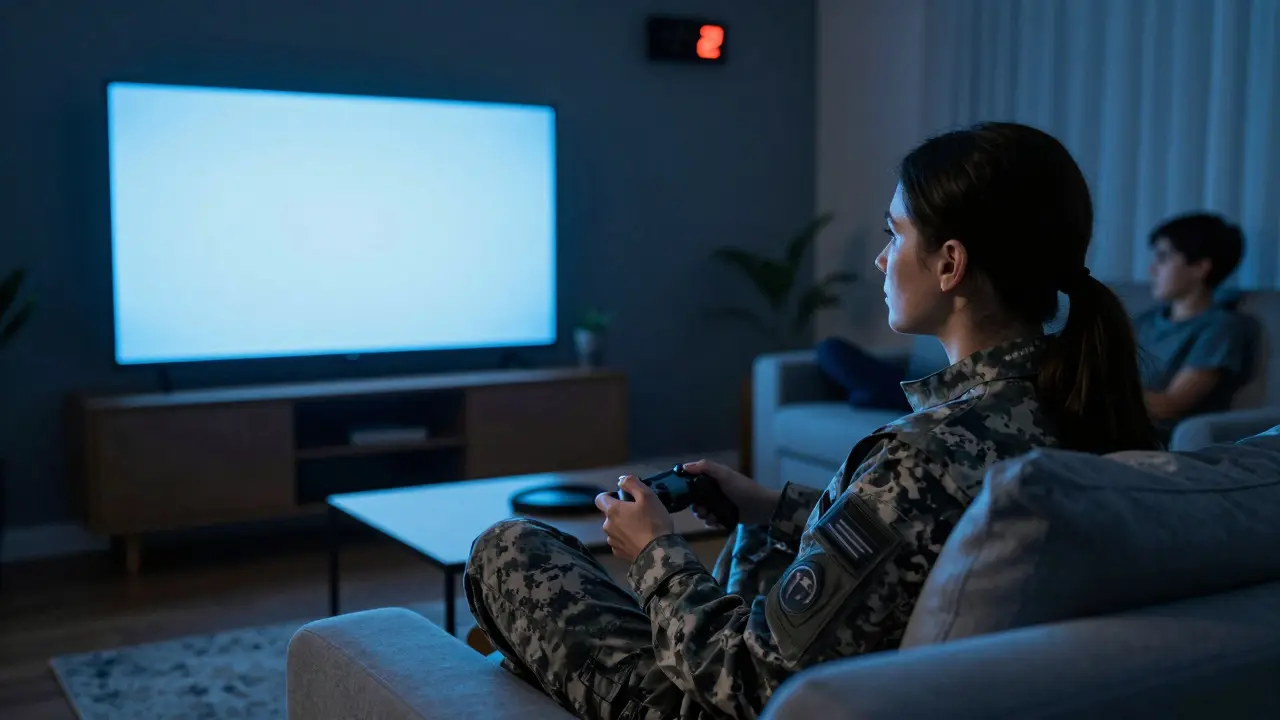
When a parent ships out for six months, the house doesn't just get quiet; it gets loud in different ways. For many Military Families is households where one or both partners serve in the armed forces, often facing frequent relocations and long periods of separation due to deployments., the living room becomes a hub of anxiety, boredom, and fragmented routines. But there is a specific behavior that spikes during these times: screen time. Specifically, Gaming Habits is the frequency, duration, and type of video games played by individuals within a household, which can shift significantly based on life stressors like military deployment. It’s not just about killing time. It’s about maintaining a thread of normalcy when everything else feels upended.
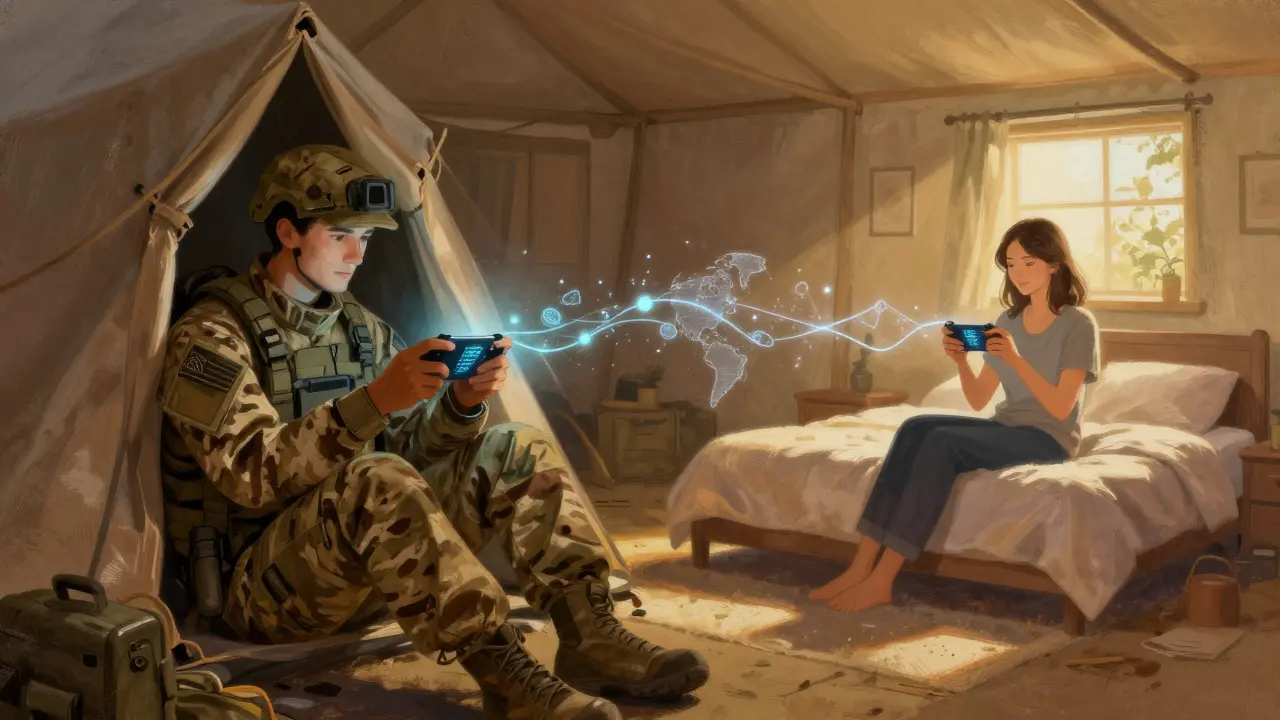
You might think deployment means less money and less energy for hobbies. The data tells a different story. In many cases, gaming becomes the primary coping mechanism for both the deployed service member and the family left behind. It bridges the gap between two time zones, three continents, or just two rooms in a house where the silence is deafening. This isn’t a new phenomenon, but the scale has changed with modern connectivity. Today, a soldier in a forward operating base can join a lobby with their spouse at home, playing the same match, hearing the same footsteps, even if they are 5,000 miles apart.
The Psychology of Play During Separation
Why do we pick up a controller when we’re stressed? It’s not always escapism. Sometimes, it’s control. When your job depends on orders you didn’t make and your safety depends on luck, gaming offers a rare moment where your actions have immediate, predictable consequences. You press a button, something happens. That feedback loop is soothing.
For the partner staying home, the dynamic shifts. They are suddenly the sole decision-maker for finances, children, and household maintenance. The cognitive load is high. Gaming offers a mental break that doesn’t require explaining to anyone. Unlike reading or watching TV, which are passive, gaming is active. It requires focus. For 30 minutes, you aren’t worrying about the next email from the unit. You’re navigating a dungeon or managing a base. It’s a form of micro-meditation.
However, there is a flip side. If the game becomes the only way to connect with the deployed partner, it creates a dependency. If the internet cuts out, the emotional anchor disappears. This is why the *type* of game matters as much as the time spent playing it.
How Deployment Alters Household Routines
A typical week in a non-deployed military family involves school runs, training sessions, and social events. A deployment week looks nothing like that. The structure collapses. Here is how gaming habits typically evolve in this environment:
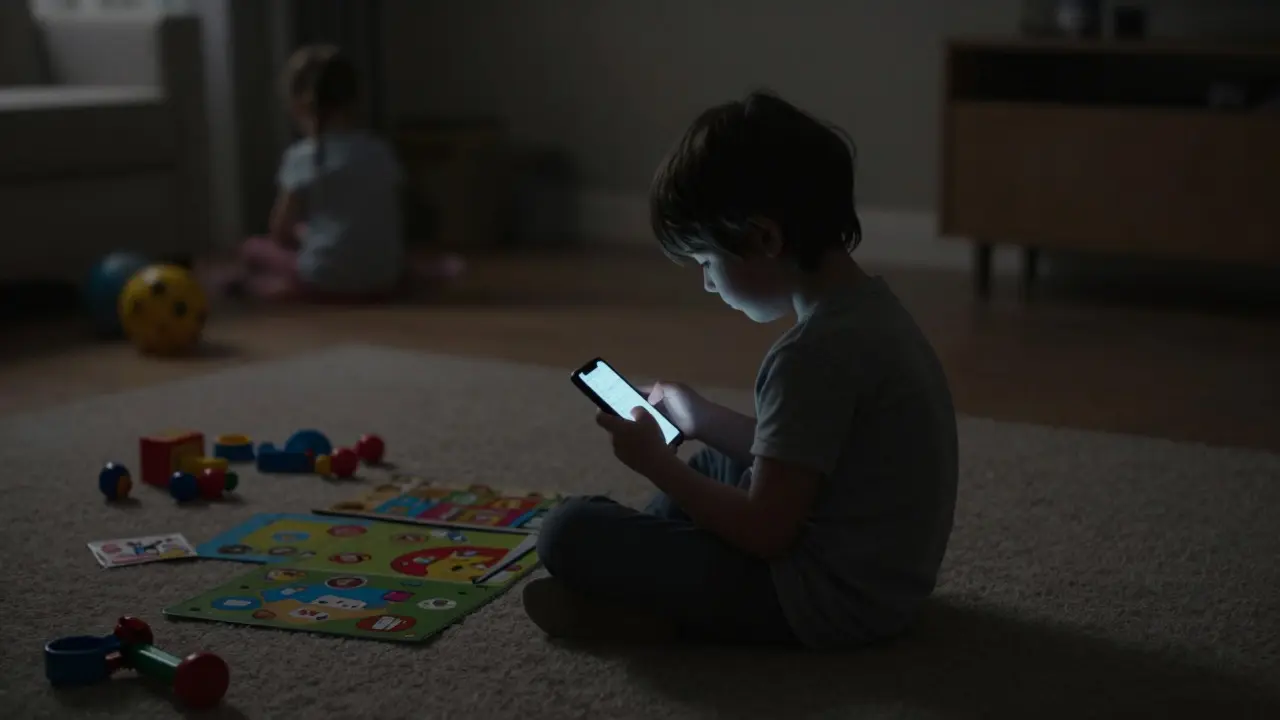
- Increased Solo Play: Children often play alone because their parents are tired or distracted. This can lead to fewer multiplayer interactions and more single-player campaign completion.
- Scheduled Co-op Sessions: Spouses often set specific times to play together online. These become "date nights" that don’t cost money or require travel. It’s low-stress intimacy.
- Shift to Mobile Gaming: With less time for PC or console setups, mobile games fill the gaps. Waiting for a bus, sitting in a clinic, or lying in bed before sleep-these moments are filled with quick, bite-sized gameplay.
- Community Seeking: Isolated families often join online guilds or clans. These groups provide a sense of belonging that replaces the local community network temporarily lost during the separation.
Notice the pattern? The gaming habit moves from a leisure activity to a structural pillar of the day. It provides the rhythm that the missing person used to provide.
Connectivity vs. Isolation: The Double-Edged Sword
We often assume that online gaming connects people. But in the context of deployment, it can also highlight the distance. Imagine playing a co-op game with your partner. You hear them laugh, but you can’t touch them. You see their avatar move, but you miss their physical presence. This can sometimes amplify feelings of loneliness rather than reduce them.
On the other hand, for service members stationed in remote areas with limited social interaction, gaming is a lifeline. It keeps their social skills sharp. It allows them to talk to friends back home without the pressure of a serious phone call. Casual banter in a game lobby is easier than discussing fears and anxieties over voice chat. It’s a softer entry point for communication.
There is also the issue of latency. High ping can be frustrating, but for military families, it’s often worth tolerating. The frustration of lag is minor compared to the frustration of silence. Most families learn to adjust their expectations. They choose games that are forgiving of delay, such as turn-based strategies or asynchronous puzzle games, rather than fast-paced shooters where milliseconds matter.
Economic Factors and Hardware Access
Let’s talk money. Military pay is stable, but deployments come with unique financial pressures. There are costs for shipping personal effects, potential housing changes, and the general strain on savings. Does this affect gaming?
Surprisingly, not as much as you’d think. While buying the latest $700 console might be paused, subscription services and free-to-play models thrive. Platforms like Xbox Game Pass is a subscription service offering access to a library of hundreds of games for a monthly fee, popular among military families for its value proposition. and similar services allow families to access premium titles for a fraction of the retail price. This makes gaming a highly efficient entertainment expense.
Furthermore, many service members receive gear allowances or use post exchanges (PX) for discounts on hardware. The barrier to entry is lower for military households than for the average civilian family. This accessibility ensures that gaming remains a viable option even when budgets are tight.
| Factor | Non-Deployed Period | Deployment Period |
|---|---|---|
| Primary Motivation | Socializing with local friends | Coping with stress & maintaining distant connections |
| Most Common Genre | Multiplayer Online Battle Arena (MOBA) / Sports | Co-op Adventure / Single-Player Narrative |
| Session Length | Short bursts (15-30 mins) | Longer blocks (1-2 hours) due to schedule flexibility |
| Hardware Preference | PC / Console (Living Room) | Mobile / Tablet (Bedroom/Portable) |
| Social Dynamic | In-person + Online mix | Primarily Online / Asynchronous |
The Role of Community and Support Networks
Gaming doesn’t happen in a vacuum. For military families, the online community often mirrors the real-world support structures they rely on. Guilds and clans become informal support groups. When a spouse is struggling with anxiety, a fellow clan member who is also dealing with a deployment knows exactly what to say. They don’t need to explain the jargon or the logistics. They just know.
This shared experience creates a unique bond. It’s different from civilian gaming communities, where the common ground is usually the game itself. In military gaming circles, the common ground is the lifestyle. This empathy reduces friction. Arguments over strategy are less likely to blow up into personal conflicts because everyone understands the underlying stress.
Organizations have noticed this trend too. Some military support charities now sponsor gaming tournaments specifically for spouses and dependents. The goal isn’t just entertainment; it’s to build a network of peers who understand the specific challenges of being left behind. These events prove that gaming is a legitimate tool for mental health and community building, not just a distraction.
Practical Tips for Maintaining Healthy Habits
If you are part of a military family navigating a deployment, here are some concrete ways to keep gaming healthy and beneficial:
- Set Time Zones, Not Just Times: Agree on a regular window for playing together that accounts for time zone differences. Consistency matters more than the exact hour.
- Mix Up Genres: Don’t stick to one intense shooter. Rotate in relaxing puzzle games or creative sandbox games to prevent burnout.
- Keep Offline Options Ready: Ensure board games or card games are accessible. Screen fatigue is real, especially after long days of monitoring news or emails.
- Communicate Expectations: If one partner needs to disconnect to handle work or kids, agree on a signal. Avoid resentment by making boundaries clear before the session starts.
- Involve the Kids: If appropriate, let children join in on family-friendly co-op games. It helps them feel included in the ritual of connection.
Remember, the goal isn’t to maximize playtime. The goal is to use gaming as a bridge, not a wall. If you find yourself avoiding phone calls because you’re "in a game," it’s time to reassess. If the game brings you closer, keep playing.
Frequently Asked Questions
Does gaming help reduce anxiety for military spouses?
Yes, for many, it does. Active engagement in a game requires focus, which interrupts rumination cycles associated with anxiety. However, it works best when combined with other coping mechanisms and does not replace professional therapy if needed.
What are the best games for long-distance couples in the military?
Games with strong asynchronous features or cooperative elements work well. Titles like Stardew Valley, Minecraft, or Overcooked allow for flexible scheduling and shared progress without requiring simultaneous real-time reflexes. Turn-based strategy games are also excellent for high-latency connections.
How can military families balance gaming with other responsibilities?
Use scheduled blocks rather than open-ended play. Treat gaming appointments like work meetings: start and end at designated times. This prevents encroachment on rest, chores, or childcare duties. Mobile gaming can also be integrated into waiting times, making it less disruptive to daily schedules.
Is online gaming safe for military families regarding data privacy?
Generally yes, but caution is advised. Avoid sharing sensitive location data or operational details in public lobbies. Use private parties or invite-only servers for sensitive conversations. Standard consumer-grade encryption on major platforms is sufficient for casual play, but operational security (OPSEC) discipline should still apply.
How does deployment affect children's gaming habits?
Children may increase solo playtime due to lack of parental supervision or energy. Parents should monitor for signs of excessive isolation. Encouraging multiplayer modes with trusted friends or family members can help maintain social skills and provide a sense of stability during the transition.