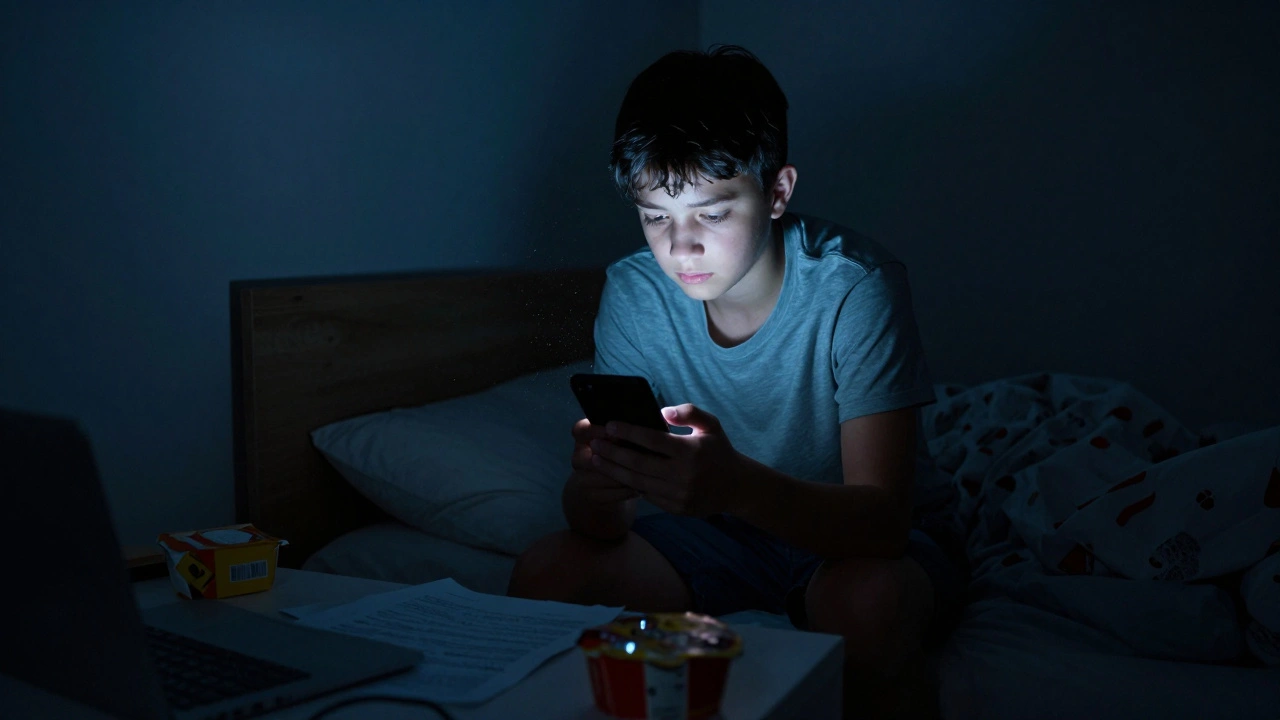
You check your phone over eighty times a day on average. For many people, tapping the screen is just habit. For others, those taps turn into a compulsion. By 2026, we have enough data to see a clear pattern. Mobile gaming addiction is now recognized as a subset of Internet Gaming Disorder. It affects millions worldwide, but smartphone users face unique risks compared to console players.
Defining the Scope of Mobile Gaming Problems
We need to separate heavy use from actual addiction. Playing for three hours does not mean you are addicted. The difference lies in loss of control. When you try to stop and feel physically anxious, or when you ignore hygiene and bills to keep grinding levels, that signals a disorder. Clinical guidelines from the World Health Organization updated their stance in recent years. They classify "Gaming Disorder" when behavior becomes so dominant it impairs daily life.
This definition matters because casual gaming provides stress relief for most. It becomes a problem when the game controls you. Mobile games are designed differently than PC titles. They use push notifications. They feature short loops designed to trigger dopamine releases frequently. These mechanics make the smartphone a more potent delivery system for addictive behaviors than any other device history has seen.
Current Prevalence Statistics and Demographics
Data collected throughout early 2026 shows distinct trends in who gets affected most. We look at global surveys covering over five million respondents. The numbers vary significantly based on how strict the criteria are.
| Region | Average Rate | High-Risk Age Group |
|---|---|---|
| East Asia | 8.5% | 13-18 Years |
| North America | 3.2% | 18-25 Years |
| Europe | 4.1% | 16-24 Years |
| Latin America | 2.9% | 14-19 Years |
These figures highlight a massive disparity. East Asian nations report nearly triple the prevalence found in North America. Cultural attitudes toward gaming likely play a role here. Schools in some regions offer gaming classes, normalizing high engagement. In Western contexts, gaming is often viewed as a pastime until it spills over into productivity issues.
Age remains the strongest predictor. Adolescents and young adults show higher vulnerability. Their prefrontal cortex is still developing. This part of the brain handles impulse control. When combined with smartphone access available twenty-four hours a day, regulation becomes difficult. Females are increasingly represented in these statistics. While older data suggested males dominated gaming addiction, female participation in mobile casual games has narrowed that gap.
The Mechanics of Smartphone Dependency
Why is the smartphone specifically dangerous compared to a tablet or laptop? Portability creates an environment of constant availability. You carry the device everywhere. A subway ride or waiting in line at a grocery store becomes a session opportunity. Convenience removes friction.
Game developers optimize for retention using psychological triggers. One common mechanism is the "gacha" system. This involves spending money or time for random rewards. It mimics gambling dynamics. Studies indicate that variable ratio reinforcement keeps users engaged longer than predictable outcomes. The brain waits for that next win.
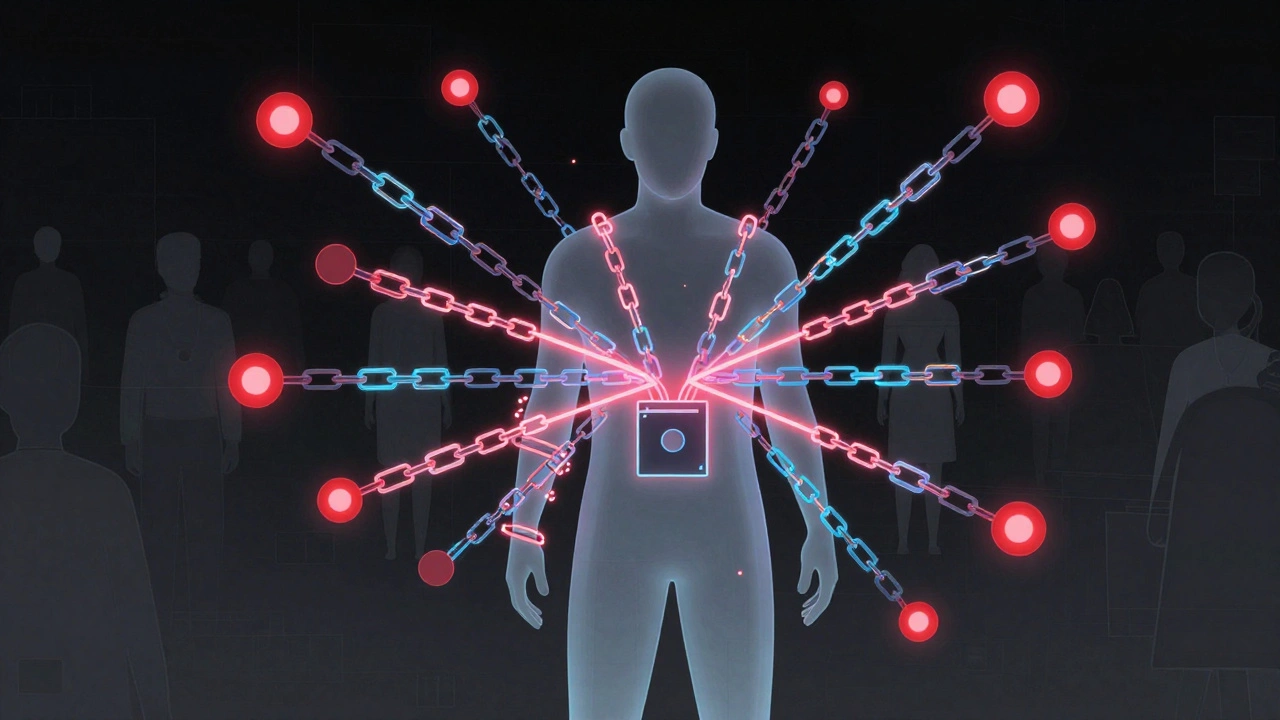
Notifications serve as external cues. Even when you do not open a game, a red badge appears on the icon. This visual nudge demands attention. Over time, your brain associates the sound with anticipation. Ignoring it feels like losing something. This is known as Fear of Missing Out. It drives compulsive checking behaviors that escalate into problematic use.
Recognizing Warning Signs in Daily Life
Identifying the problem early prevents severe consequences. Most people recognize addiction in others before themselves. Watch for behavioral shifts rather than just time spent. Here are specific red flags observed in clinical assessments.
- Sleep Disruption: Staying up late to finish a daily mission or event reward.
- Irritability: Getting angry when asked to put the phone away.
- Neglect: Skipping meals, cleaning, or work responsibilities.
- Lying: Hiding screen time usage from partners or parents.
- Withdrawal: Feeling depressed or anxious when unable to access the app.
If someone checks three or four of these regularly, the situation needs attention. It is easy to dismiss one bad week as stressful. Consistency over months indicates a deeper issue. Parents notice changes in school performance first. Adults notice financial strain from microtransactions.
Mental Health Correlations
Mobile gaming addiction rarely exists in isolation. It often co-occurs with other mental health challenges. Research consistently links high-risk gaming behavior to depression and anxiety disorders. It is hard to say which comes first. Anxiety may drive someone to seek comfort in a game. Alternatively, excessive gaming creates isolation that fosters anxiety.
Social interaction within games provides community for lonely individuals. When that virtual world replaces real-world connections, loneliness worsens. You lose practice in face-to-face communication skills. Physical activity declines as well. Sedentary behavior associated with long screen sessions contributes to poor physical health. Sleep quality suffers from blue light exposure near bedtime.
Treatment approaches address these comorbidities together. Treating just the gaming habit without addressing underlying depression usually leads to relapse. Cognitive Behavioral Therapy helps manage impulses. Medication may help if anxiety is severe.

Digital Wellbeing Tools and Management
Technology created this crisis, and technology can help solve it. Modern operating systems include screen time trackers. They show exactly how many hours you spend per app. Awareness alone reduces usage for some users. Setting limits requires commitment.
Parental controls exist for younger children. Apps can block specific games after a set time limit. Removing payment methods from devices stops accidental spending on loot boxes. Creating tech-free zones in the house helps reset habits. Bedrooms are ideal places to ban phones overnight.
Habit replacement works effectively. Replace the urge to game with another quick activity. Reading a book page or walking ten minutes occupies the same hand movement but engages different neural pathways. Professional support remains necessary for severe cases. Therapists specializing in behavioral addictions guide recovery plans.
Long-Term Outlook and Prevention
By 2026, regulations are catching up with reality. Some countries require developers to warn users about risky features. Labeling loot boxes similar to gambling warnings helps transparency. Awareness campaigns in schools teach students about manipulation tactics used in free-to-play models.
Education empowers users. Understanding how the game mechanics work reduces their pull. Knowing that the timer running down on a limited-time offer is artificial creates distance. Mindful gaming allows enjoyment without obsession. Balance means acknowledging when the game serves you instead of controlling you.
Monitoring your own relationship with your screen builds resilience. Regular self-checks prevent small slips from becoming full-blown dependency. Community support groups provide accountability. Sharing progress with friends makes quitting easier.
Is mobile gaming considered a real medical condition?
Yes, the World Health Organization includes Gaming Disorder in the International Classification of Diseases. While debates continue about exact criteria, the core symptoms involve loss of control and negative impact on life function.
How much gaming per day is considered safe?
Time limits vary by person. Generally, less than two hours daily without interfering with sleep, work, or relationships is healthy. Quality of life impacts matter more than raw hours played.
What are the first steps to reduce smartphone gaming addiction?
Start by turning off non-critical notifications. Use built-in screen time limits on your device. Delete payment information from your phone settings to reduce impulse purchases.
Do teenagers recover faster than adults from gaming addiction?
Younger brains adapt quickly. With intervention, teens often bounce back fast once the device is removed. Adult addiction tends to be more entrenched due to long-term coping patterns.
Are there medications that cure gaming disorder?
There is no pill specifically for gaming addiction. Medications may treat co-occurring conditions like ADHD or depression, which indirectly helps manage the behavior.