Ever wonder why The Elder Scrolls V: Skyrim is still dominating Twitch streams and YouTube playthroughs more than a decade after its 2011 release? It isn’t just nostalgia. It’s the modders. While developers patch bugs and sell DLCs, the community rebuilds the game from the ground up, adding new mechanics, fixing broken AI, and creating entirely new worlds within existing engines. This phenomenon-the practice of altering or enhancing video games by players-has transformed gaming from a static product into a living platform.
If you’re a developer, seeing your game thrive years after launch is the holy grail. If you’re a player, it means endless replayability without buying a sequel. But how does this ecosystem actually work? And what makes some communities explode while others fade into obscurity? Let’s break down the mechanics of modding communities and their critical role in extending game longevity.
Why Mods Keep Games Alive Long After Launch
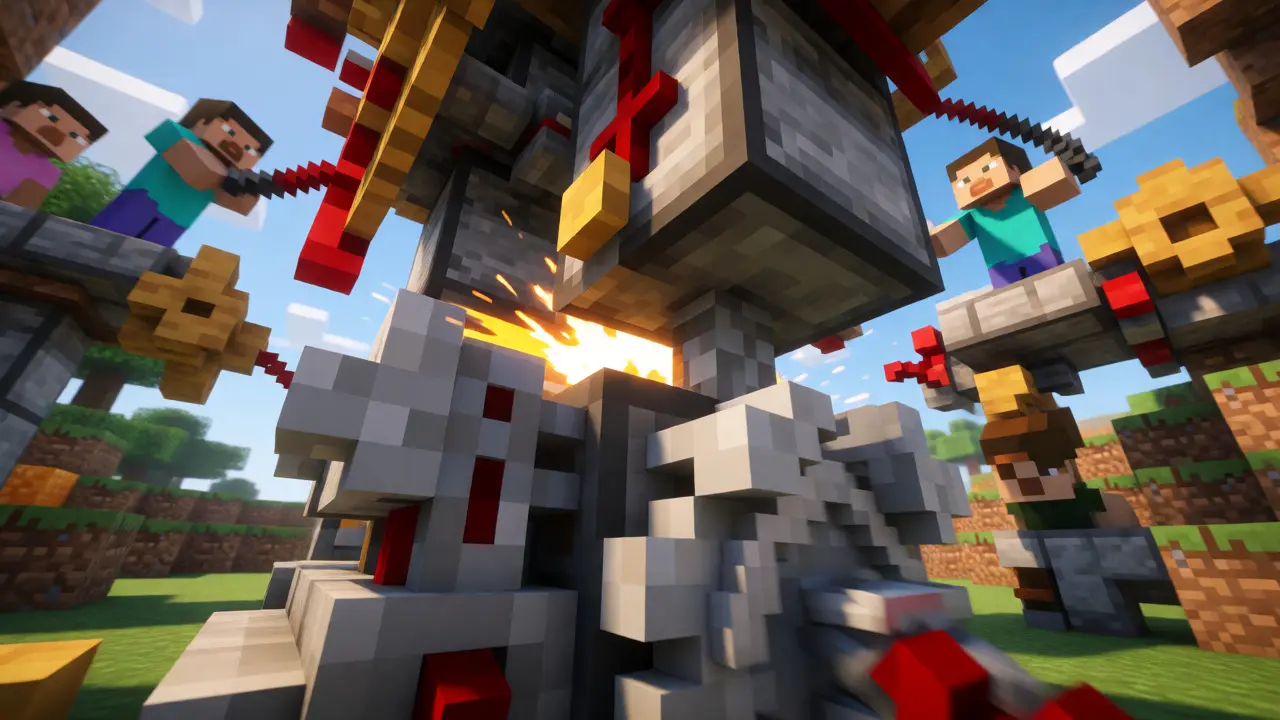
Games have a natural lifecycle. They launch, peak, and then slowly bleed players as they move on to the next big thing. Mods disrupt this curve. By introducing fresh content that developers didn’t-or couldn’t-include, mods reset the engagement clock. Think about Minecraft. Without mods like OptiFine for performance or Create for mechanical engineering, Minecraft would just be a block-building sandbox. With them, it becomes a complex simulation engine where players build functional computers and automated factories.
This extension of playtime isn’t accidental. It’s driven by three core factors:
- Novelty Injection: Mods add features that change how you interact with the game. A combat overhaul in Skyrim doesn’t just look different; it forces you to learn new timing and strategy, effectively making it a new game.
- Community Retention: When players install a popular mod pack, they often return to check for updates or compatibility fixes. This keeps the server population active.
- Creative Ownership: Players feel invested when they customize their experience. This emotional connection reduces churn rates significantly compared to vanilla experiences.
Data backs this up. According to Valve’s own statistics, games with robust Steam Workshop integration see a 30-40% higher retention rate in the second year post-launch compared to those without. That’s massive revenue potential for publishers who support the infrastructure.
The Architecture of Successful Modding Ecosystems
Not all games are built for modding. Some engines lock everything down tight, leaving little room for tinkering. Others, like id Tech or Creation Engine, are designed with extensibility in mind. The difference lies in accessibility and tooling. A thriving community needs more than just passion; it needs tools that lower the barrier to entry.
| Platform | Accessibility | Primary Audience | Key Feature |
|---|---|---|---|
| Steam Workshop | High (One-click install) | Casual & Hardcore Gamers | Automatic updates and dependency management |
| Nexus Mods | Medium (Manual download) | RPG & Simulation Fans | Vast library of visual and gameplay overhauls |
| CurseForge | Medium-High (Launcher based) | Minecraft & MMO Players | Modpack creation and sharing |
| Github / Source Repos | Low (Code required) | Developers & Power Users | Full access to source code and logic |
Notice the pattern? The easier it is to install a mod, the larger the casual audience. Nexus Mods, for instance, dominates the RPG space because it allows users to manage load orders-a critical technical hurdle for complex games like Fallout 4. Without a manager like Vortex or MO2, most players would give up before even starting.
Case Study: The Bethesda Effect
No discussion of modding is complete without mentioning Bethesda Game Studios. Their titles (Oblivion, Skyrim, Fallout 3/4) are practically synonymous with mod culture. Why? Because Bethesda intentionally left gaps in their design. They prioritized breadth over polish, creating vast open worlds with repetitive NPC behaviors and clunky combat. These flaws became canvases for modders.
Consider Enderal, a total conversion mod for Skyrim. It replaced the entire map, story, voice acting, and mechanics, effectively releasing a standalone expansion pack for free. Or look at Sim Settlements, which turned the settlement building system from a chore into a strategic city-builder layer. These aren’t just tweaks; they’re fundamental redesigns that extend the game’s relevance for millions of hours.
Bethesda’s approach teaches us a valuable lesson: imperfection fuels creativity. When developers leave room for interpretation, communities fill it with innovation. Conversely, highly polished, linear games like Uncharted rarely see significant modding scenes because there’s less to “fix” or expand.
The Role of Developers: Support vs. Control
Historically, developers were wary of mods. Fear of IP infringement, stability issues, and monetization conflicts led many to ban third-party alterations. Today, the mindset has shifted. Smart studios now provide official SDKs (Software Development Kits) and APIs to encourage modding.
Take Dota 2. Its custom game mode, Auto Chess, started as a community mod. It became so popular that Riot Games hired the creators to build Teamfight Tactics. Similarly, PUBG began as a mod for Arma 2. By embracing the community, developers don’t just extend lifespan-they discover new genres.
However, control matters. When mods break the game, who fixes it? In supported ecosystems, developers often step in to patch compatibility issues. In unsupported ones, modders must reverse-engineer updates, leading to “modded game death” after every patch. The sweet spot is clear: provide tools, but let the community drive content.

Challenges Facing Modern Modding Communities
It’s not all sunshine and free content. As games become more complex, modding gets harder. Modern engines like Unreal Engine 5 use Nanite geometry and Lumen lighting, which are difficult to alter without breaking visual fidelity. Additionally, the rise of live-service models complicates things. If a game requires an always-online connection and frequent balance patches, local mods can cause desync errors or bans.
Monetization is another flashpoint. Should modders get paid? Platforms like Nexus Mods offer premium subscriptions, but direct sales are rare due to licensing complexities. This limits professional talent from entering the space full-time. Most modders work for recognition and community feedback, which is sustainable for hobbyists but risky for ambitious projects that take years to develop.
How to Get Involved: A Starter Guide
Want to join a modding community? Here’s how to start without getting overwhelmed:
- Pick a Supported Game: Choose a title with an active forum or Discord. Look for recent activity dates.
- Install a Manager: Don’t drag-and-drop files manually. Use Vortex (for Nexus) or the Steam Workshop client. It handles dependencies automatically.
- Start Small: Install quality-of-life mods first (UI improvements, bug fixes). Avoid total conversions until you understand the base game.
- Check Compatibility: Read comments. If a mod hasn’t been updated in two years, it might conflict with newer versions.
- Backup Saves: Always keep a backup before installing major changes. Mods can corrupt save files.
For creators, start by learning the specific scripting language of the engine (Papyrus for Bethesda, Lua for Minecraft). Join a Discord server early to ask questions. The community is generally helpful if you show effort.
Do mods void my warranty or cause bans?
Generally, no. Single-player games rarely ban you for using mods. However, in competitive multiplayer games, using mods that give unfair advantages (like wall-hacks or auto-aim) can lead to bans. Always check the game’s terms of service regarding third-party software.
Which games have the best modding communities?
Bethesda titles (Skyrim, Fallout), Minecraft, Grand Theft Auto V, The Sims 4, and Half-Life 2 are renowned for their extensive and active modding scenes. These games offer robust tools and large user bases.
Can I make money from creating mods?
Directly selling mods is rare due to copyright laws. However, modders can earn through Patreon donations, Nexus Mods Premium rewards, or by being hired by developers. Some platforms allow paid mods, but acceptance varies by community.
What happens if a mod breaks my game?
Use your mod manager to disable the problematic mod. If the issue persists, verify game file integrity via Steam or Epic Games Launcher. Keeping regular backups of your saves prevents data loss during troubleshooting.
Are console games moddable?
Yes, but with limitations. Xbox supports mods for select PC-played titles via Game Pass. PlayStation has limited mod support, mostly for older titles like Skyrim. PC remains the primary hub for deep, unrestricted modding.