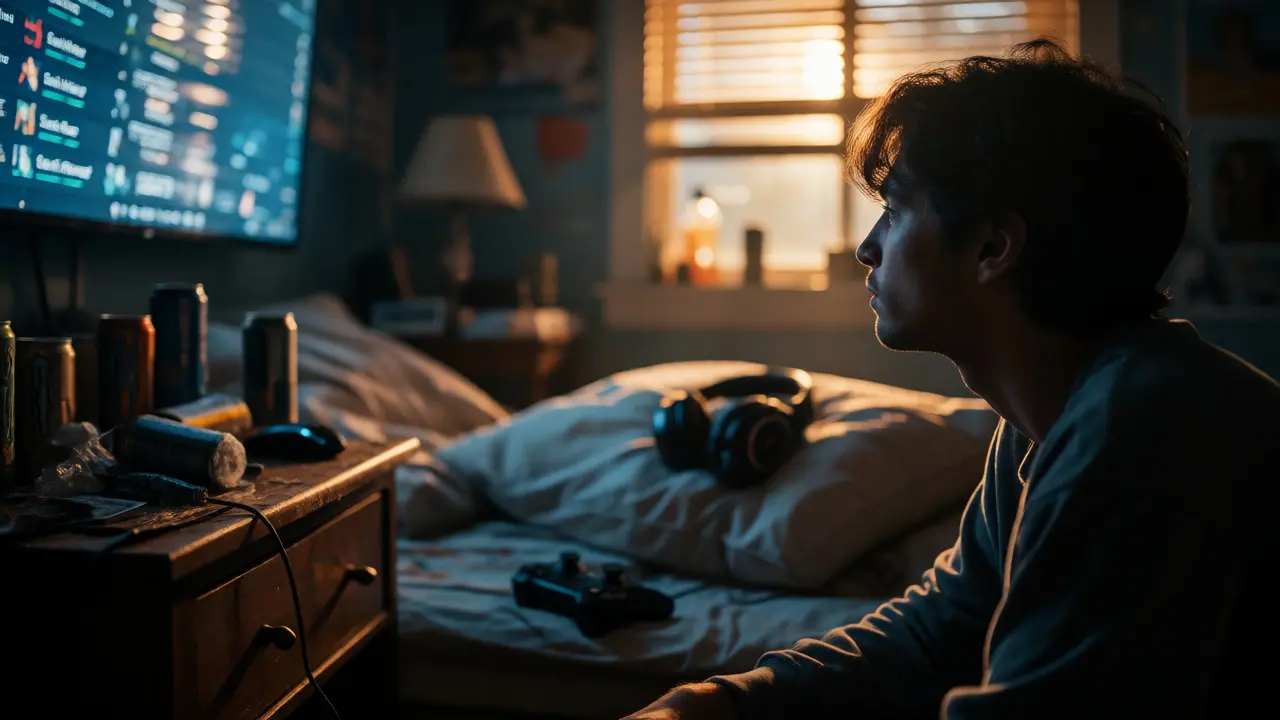
You’ve probably heard the horror stories. The teenager who hasn’t left his room in three days, the adult whose career stalled because they prioritized raid nights over deadlines, or the parent watching their child’s grades plummet as screen time skyrockets. We often assume that once gaming becomes a problem-what the World Health Organization now classifies as Gaming Disorder is a pattern of persistent or recurrent gaming behavior characterized by impaired control over gaming, increasing priority given to gaming over other activities, and continuation despite negative consequences-professional intervention is the only way out. But here’s the uncomfortable truth many therapists don’t lead with: most people who struggle with excessive gaming actually quit on their own.
This phenomenon is known as Natural Recovery is the process of overcoming an addiction without formal treatment or professional assistance. It sounds too good to be true, doesn’t it? Especially when marketing for rehab centers and specialized therapy apps suggests you need a structured program to break free. Yet, research consistently shows that a significant portion of individuals resolve their problematic gaming habits through life changes, maturity, or sheer willpower. So, why do some people improve without treatment while others spiral deeper into the digital rabbit hole? And more importantly, if you’re currently stuck in the loop, can you rely on natural recovery, or are you gambling with your mental health?
The Myth of the "Only Path" to Sobriety
Let’s look at the data before we get emotional. A pivotal study published in Addiction Research & Theory found that nearly 80% of individuals who met the criteria for internet-related addictions recovered without seeking professional help. This isn’t just anecdotal evidence from Reddit threads; it’s a robust statistical reality. When researchers analyzed the trajectories of users playing Massively Multiplayer Online Role-Playing Games (MMORPGs), they discovered that many players naturally aged out of their compulsive habits as their real-world responsibilities grew heavier.
Why does this happen? Gaming addiction is fundamentally different from chemical dependencies like alcoholism or opioid use disorder. There is no physical withdrawal syndrome involving seizures or delirium tremens. Instead, the "withdrawal" from gaming is psychological and behavioral. It involves irritability, boredom, and a sense of loss. For many, these feelings are manageable enough that they can navigate them alone. However, relying on this statistic can be dangerous if you ignore the context. Natural recovery often happens not because the person had superior willpower, but because their environment changed. They got a new job, started a relationship, moved cities, or simply burned out on the specific game mechanics that hooked them.
Who Actually Recovers Naturally?
If you’re wondering whether you fit the profile of someone who can quit cold turkey, consider the factors that typically drive natural recovery. It’s rarely about one big decision. It’s usually a convergence of circumstances.
- Life Transitions: Starting college, entering the workforce, or becoming a parent forces a restructuring of time. The rigid schedule of a corporate job leaves little room for 10-hour gaming marathons.
- Social Displacement: Often, gamers recover when they find a social circle that doesn’t revolve around screens. Joining a sports league, a hiking group, or even a local board game club replaces the dopamine hits from virtual achievements with real-world connection.
- Game Lifecycle Completion: Many MMORPGs have a finite lifespan. Once the content is exhausted and the community moves on, the primary driver for logging in daily disappears. The player drifts away not because they "healed," but because the hook was removed.
- Maturity and Frontal Lobe Development: The prefrontal cortex, responsible for impulse control, continues developing until age 25. Many adolescents who struggle with gaming control see significant improvement simply by crossing into their mid-twenties.
Notice a pattern? Most natural recoveries are passive. They happen to the person rather than being actively engineered by them. If you are waiting for a magical moment where the urge to play vanishes, you might be waiting forever. Active recovery requires changing your environment, not just your mindset.
The Hidden Risks of Going It Alone
While natural recovery is common, it’s not risk-free. The biggest pitfall is the "replacement effect." In behavioral psychology, we know that humans don’t just stop behaviors; they swap them. If you remove gaming from your life without filling the void with another meaningful activity, you’re likely to pick up a new habit. This could be binge-watching streaming services, excessive shopping, or even substance use. The brain still craves that rapid feedback loop, and if games aren’t providing it, something else will.
Another major concern is the underlying cause. Gaming is often a symptom, not the disease. People frequently escape into virtual worlds to cope with anxiety, depression, ADHD, or social isolation. If you quit gaming but don’t address the anxiety driving the escape, you’ll likely relapse. Or worse, you’ll stay sober from games but remain miserable in your daily life. Professional treatment helps uncover these root causes. Natural recovery, by definition, skips this diagnostic step.
Consider the case of "Alex," a 28-year-old software developer. He stopped playing competitive shooters after landing a promotion that required travel. His gaming dropped to zero. But within six months, he developed severe insomnia and began drinking wine every night to fall asleep. He had achieved natural recovery from gaming, but his underlying stress management issues remained unaddressed. He traded one coping mechanism for another.

Signs You Might Need More Than Willpower
How do you know if you’re in the majority who can handle it alone, or the minority who needs support? Be honest with yourself about these red flags.
| Indicator | Likely Suitable for Natural Recovery | Likely Needs Professional Help |
|---|---|---|
| Control Attempts | You have successfully cut back for weeks at a time before. | Every attempt to stop results in immediate, intense anger or panic. |
| Daily Functioning | You miss deadlines occasionally but maintain basic hygiene and meals. | You skip meals, lose sleep for days, or neglect personal hygiene regularly. |
| Social Impact | Friends complain, but relationships remain intact. | You have lost friends, family contact, or employment due to gaming. |
| Emotional State | You feel bored when not playing. | You feel deep shame, hopelessness, or suicidal thoughts when offline. |
| Duration | The problem has persisted for less than a year. | The behavior has been entrenched for multiple years. |
If you checked mostly right-hand column boxes, going it alone is risky. The intensity of your symptoms suggests that your brain’s reward system has undergone significant neuroplastic changes that may require guided cognitive-behavioral strategies to rewire.
A DIY Protocol for Sustainable Change
If you decide to pursue natural recovery, don’t just "try harder." Use a structured approach. Here is a practical framework based on behavioral modification principles that works for self-managed recovery.
- Audit Your Triggers: Keep a log for one week. Note exactly what happens before you start gaming. Is it boredom after work? Stress from a meeting? Loneliness? Identifying the trigger allows you to intercept the urge before you click the icon.
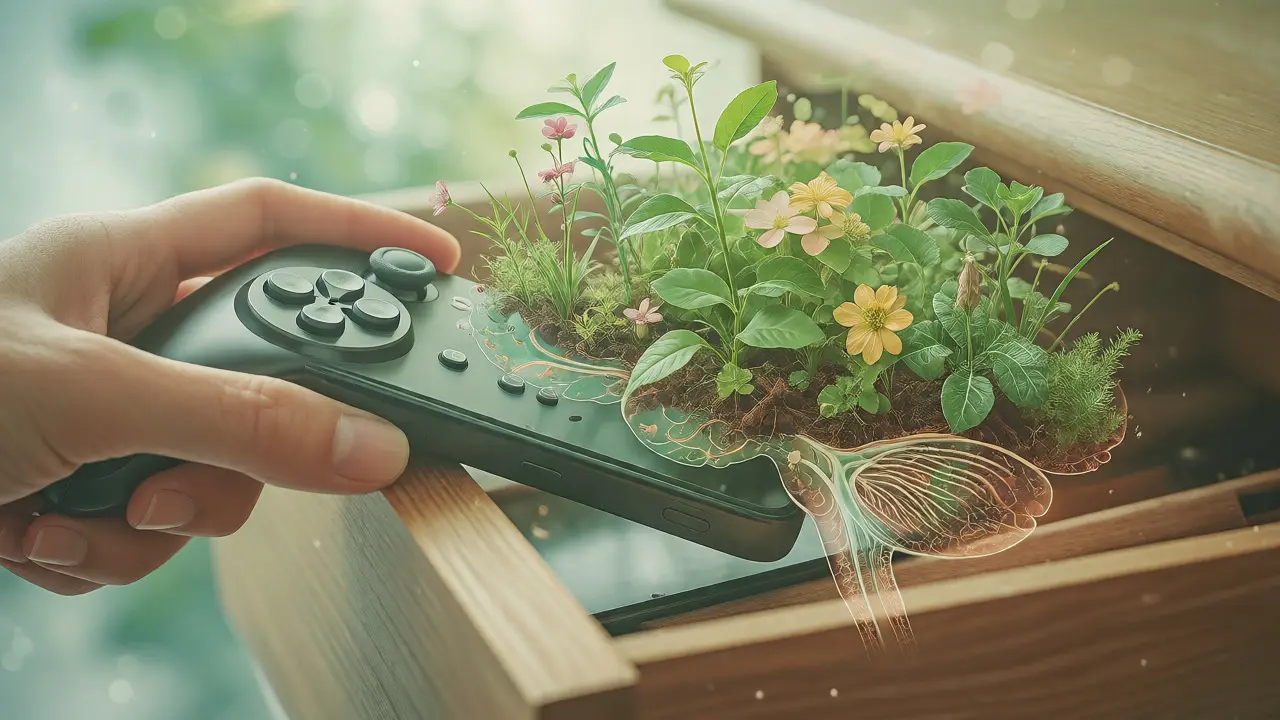
- Create Friction: Make gaming annoying to access. Uninstall the game. Log out of accounts. Put the controller in a drawer in another room. The extra 30 seconds of effort gives your prefrontal cortex time to override the impulse.
- Replace, Don’t Erase: Choose a high-engagement alternative. Passive activities like watching TV often fail because they don’t provide the same level of active engagement. Try learning a musical instrument, coding a new project, or joining a martial arts class. These activities offer similar feedback loops and skill progression.
- Set Micro-Goals: Don’t aim for "never again." Aim for "no gaming before noon." Small wins build confidence. Celebrate these victories with non-gaming rewards, like a nice meal or a movie ticket.
- Reclaim Your Sleep Hygiene: Blue light and mental stimulation disrupt sleep. Enforce a strict "screens off" rule one hour before bed. Better sleep significantly improves impulse control, making it easier to resist cravings the next day.
This protocol works because it addresses the environmental cues and behavioral patterns, not just the desire to play. It mimics the structure of outpatient therapy without the cost.
When Natural Recovery Fails: The Relapse Trap
Relapse is part of recovery, even in natural cases. The danger lies in how you interpret a slip-up. Many people view a single session of excessive gaming as total failure, leading to a "what the hell" effect where they abandon all progress. In natural recovery, you must adopt a growth mindset. A slip is data. Why did it happen? Were you stressed? Did you isolate yourself? Analyze it, adjust your friction strategy, and move on.
Furthermore, beware of "dry drunk" equivalents in gaming. Some individuals quit playing but become irritable, withdrawn, and critical of those who still play. This indicates unresolved emotional regulation issues. If you find yourself policing others’ fun while feeling empty yourself, you haven’t healed; you’ve just suppressed the symptom. At this stage, talking to a therapist-even for just a few sessions-can provide the tools to manage emotions without the crutch of the game.
The Role of Community in Solo Recovery
Just because you aren’t in formal treatment doesn’t mean you should be isolated. Human beings are social creatures. Gaming communities are powerful because they provide belonging. When you leave the game, you lose that tribe. To sustain natural recovery, you must build a new tribe. This could be an online forum focused on productivity, a local meetup group, or even a supportive partner who understands your struggle.
Accountability partners are crucial. Tell one trusted friend or family member about your goal. Ask them to check in weekly. Knowing someone else knows your plan increases the social cost of breaking it. This leverages our innate desire for social approval to reinforce your new habits.
Final Thoughts: Trust Your Trajectory
So, do some people improve without treatment? Absolutely. In fact, most do. But "natural" doesn’t mean "effortless." It means the change is driven by internal motivation and external life shifts rather than clinical protocols. If you have mild to moderate symptoms and strong real-world anchors, you have a solid chance of recovering on your own. If your life feels like it’s unraveling, if you’re losing jobs or relationships, or if you feel unable to stop despite wanting to, seek help. There is no shame in needing a guide. Whether you go it alone or hire a coach, the goal is the same: reclaiming your time and your mind from the pixelated prison.
Is gaming addiction officially recognized as a medical condition?
Yes. The World Health Organization included "Gaming Disorder" in the International Classification of Diseases (ICD-11) in 2019. It defines it as a pattern of persistent or recurrent gaming behavior manifested by impaired control over gaming, increasing priority given to gaming over other activities to the extent that gaming takes precedence over other interests and daily activities, and continuation or escalation of gaming despite the occurrence of negative consequences.
How long does it take to recover from gaming addiction naturally?
There is no fixed timeline. For some, acute cravings subside within 2-4 weeks as the brain adjusts to lower dopamine levels. However, establishing new habits and fully rewiring behavioral patterns typically takes 3 to 6 months. Individual variation depends on the severity of the addiction, underlying mental health conditions, and the strength of the new support systems built during recovery.
Can I ever play video games again after recovering?
Many people can return to casual gaming without falling back into addictive patterns. However, this requires careful monitoring. Those with a history of severe addiction often find that certain genres, particularly MMORPGs or competitive multiplayer games with loot boxes and endless progression, act as triggers. Moderation is key, and some individuals choose to abstain entirely to protect their recovery.
What is the difference between high engagement and addiction?
High engagement involves spending significant time gaming but maintaining control over when to stop, keeping up with daily responsibilities, and experiencing positive emotions. Addiction is characterized by loss of control, continued use despite negative consequences (such as job loss or relationship strain), and using gaming primarily to escape negative emotions rather than for enjoyment.
Does quitting gaming improve mental health immediately?
Not necessarily. Initially, individuals often experience increased irritability, boredom, and anxiety as they withdraw from the high-stimulation environment of gaming. Mental health improvements typically appear after several weeks as the individual develops healthier coping mechanisms, better sleep patterns, and stronger real-world social connections.