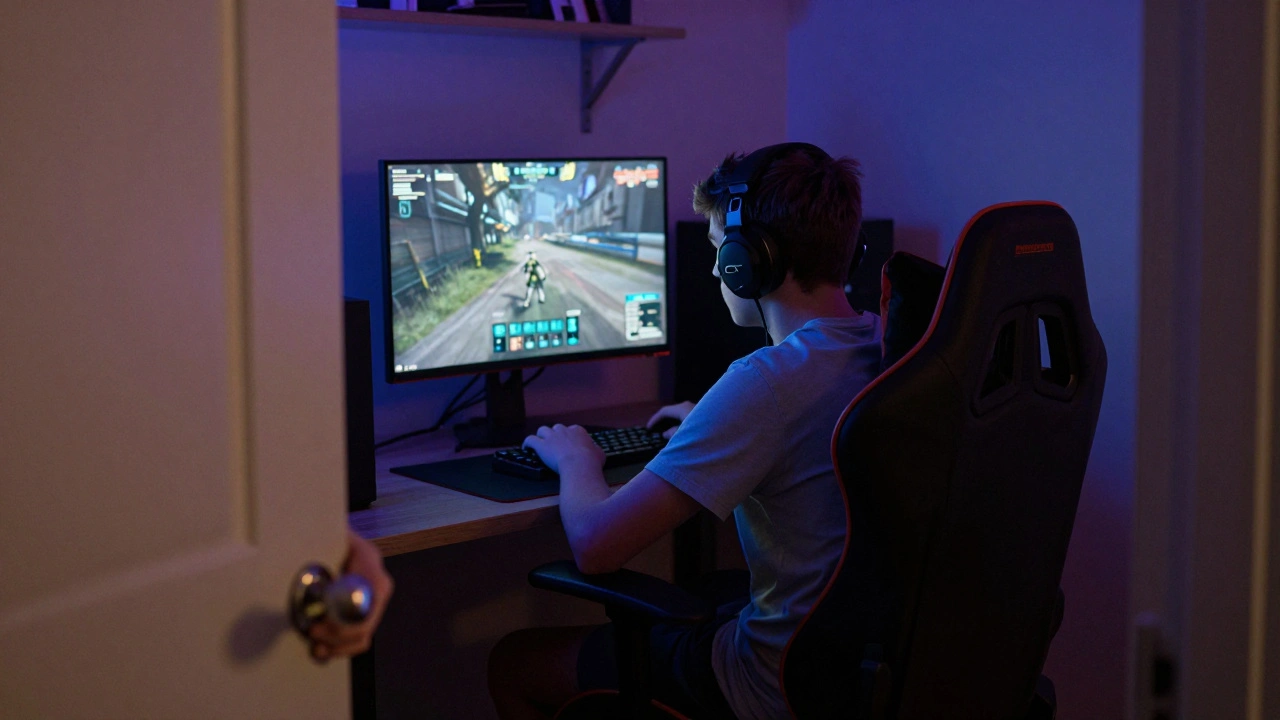
It’s 9 PM. The house is quiet, except for the rapid clicking of a mouse and the muffled sounds of virtual combat coming from your teenager’s room. You’ve asked them to log off three times. Each request was met with silence, then irritation, and finally, a flat refusal. This isn’t just about missing curfew; it’s a power struggle that leaves both you and your child exhausted, frustrated, and disconnected.
You are not alone in this battle. As digital entertainment becomes more immersive, the line between leisure and obsession blurs. Understanding why children resist stopping-and how to guide them without sparking a war-is crucial for maintaining a healthy family dynamic. This guide breaks down the psychology behind gaming resistance and offers practical, empathetic strategies to regain balance.
The Psychology Behind the Screen
To change behavior, you first need to understand the driver. Why does logging off feel like losing a limb? It’s not just stubbornness. Dopamine is a neurotransmitter associated with pleasure and reward that reinforces behaviors leading to its release. In gaming, every level up, loot drop, or victory triggers a dopamine spike. Over time, the brain builds tolerance, requiring more playtime to achieve the same satisfaction. Stopping abruptly creates a withdrawal-like state, making the child irritable and defensive.
Beyond chemistry, games offer something real life often lacks: clear goals, immediate feedback, and a sense of mastery. In school, effort doesn’t always equal grades. In social circles, acceptance can be fickle. But in a game, if you practice, you get better. If you follow the rules, you win. For many kids, especially those facing anxiety or academic pressure, the game world is a safe haven where they feel competent and valued. Asking them to leave isn’t just taking away fun; it’s removing their primary source of confidence and community.
Identifying Healthy vs. Problematic Gaming
Not all engagement is bad. Before implementing strict controls, assess whether the gaming habit is functional or dysfunctional. Look for these signs:
- Healthy Engagement: The child plays after completing responsibilities (homework, chores). They can pause mid-game to eat or answer a question without rage. Their mood improves after playing, and they maintain offline friendships and hobbies.
- Problematic Engagement: Gaming interferes with sleep, hygiene, or school performance. The child lies about playtime. They exhibit anger or aggression when interrupted. Offline activities lose appeal entirely.
If you see the latter, the goal isn’t to ban gaming-it’s to restore balance. Bans often lead to secrecy and increased resentment. Instead, aim for sustainable moderation.

Step-by-Step: Setting Boundaries Without Conflict
Changing routines requires preparation. Springing new rules on a resistant teen rarely works. Follow this structured approach:
- Choose a Neutral Time: Don’t discuss limits during or immediately after a gaming session. Pick a calm moment, like Sunday morning, when neither of you is stressed.
- Listen First: Ask open-ended questions: “What do you enjoy most about this game?” or “How does it make you feel when I ask you to stop?” Validate their feelings. Show you’re interested in their experience, not just controlling it.
- Collaborate on Rules: Involve your child in creating the schedule. Let them propose reasonable cutoff times. When they help design the plan, they’re more likely to own it. Use a visual chart or app to track progress.
- Define Consequences Clearly: Agree on what happens if limits aren’t respected. Avoid vague threats like “you’ll lose privileges.” Be specific: “If you don’t log off by 9 PM, the console turns off automatically at 9:15 PM.”
- Implement Gradually: If your child currently plays four hours straight, don’t cut it to one hour overnight. Reduce by 15-30 minutes each week. Sudden shocks trigger rebellion.
Tools and Techniques for Enforcement
Willpower alone won’t sustain boundaries. Use technology to support your efforts. Parental control tools can automate enforcement, removing you from the role of “bad guy.”
| Tool Type | Key Features | Best For | Limitations |
|---|---|---|---|
| Console Built-in Settings | Playtime limits, content filters, spending caps | Families using PlayStation, Xbox, or Nintendo Switch | Limited cross-platform tracking |
| Third-Party Apps (e.g., Qustodio, Bark) | Screen time reports, app blocking, location tracking | Parents managing multiple devices (phones, tablets, PCs) | Subscription cost; privacy concerns |
| Router-Level Controls | Schedule internet access per device | Homes with Wi-Fi-only gaming setups | Tech-savvy teens may find workarounds |
Combine tools with environmental cues. Place the gaming console in a common area, not the bedroom. This naturally encourages shorter sessions and allows you to monitor usage casually. Also, establish “tech-free zones” like the dinner table or bedrooms after a certain hour. Consistency is key-enforce rules even when you’re tired.

Replacing Gaming with Engaging Alternatives
You can’t just remove an activity; you must replace it with something equally rewarding. Boredom leads back to screens. Brainstorm alternatives together:
- Physical Activities: Join a sports league, take dance classes, or go hiking. Physical movement releases endorphins, mimicking the positive feelings from gaming.
- Creative Pursuits: Learn an instrument, start coding simple games, or engage in art projects. These provide similar problem-solving satisfaction as video games.
- Social Connections: Encourage face-to-face hangouts with friends. Board games, escape rooms, or volunteer work build community without screens.
Model the behavior you want to see. If you’re glued to your phone while asking your child to put theirs away, hypocrisy undermines your message. Spend quality time doing non-screen activities together. Cook a meal, play a card game, or take a walk. Rebuild the connection that gaming has temporarily replaced.
When to Seek Professional Help
Sometimes, parenting strategies aren’t enough. Consider professional support if:
- Gaming causes significant impairment in school, relationships, or health.
- Your child exhibits severe mood swings, depression, or anxiety linked to gaming.
- Family conflict escalates to verbal or physical aggression.
A therapist specializing in behavioral issues can help uncover underlying causes, such as ADHD, autism spectrum traits, or social anxiety. Cognitive Behavioral Therapy (CBT) has shown effectiveness in helping individuals develop healthier coping mechanisms and impulse control. Remember, seeking help is a sign of strength, not failure.
How much gaming is too much for a child?
There’s no universal number, but experts suggest limiting recreational screen time to 1-2 hours daily for school-aged children. The key indicator is impact: if gaming disrupts sleep, homework, or social life, it’s excessive regardless of duration.
Why does my child get so angry when I ask them to stop?
Anger stems from dopamine withdrawal and loss of control. Games are designed to be hard to quit, with ongoing quests and social pressures. Interrupting mid-session feels like a personal attack on their autonomy and achievement.
Should I confiscate the gaming device?
Confiscation usually backfires, leading to secrecy and deeper resentment. Instead, use controlled access via parental settings and natural consequences. Focus on teaching self-regulation rather than imposing external force.