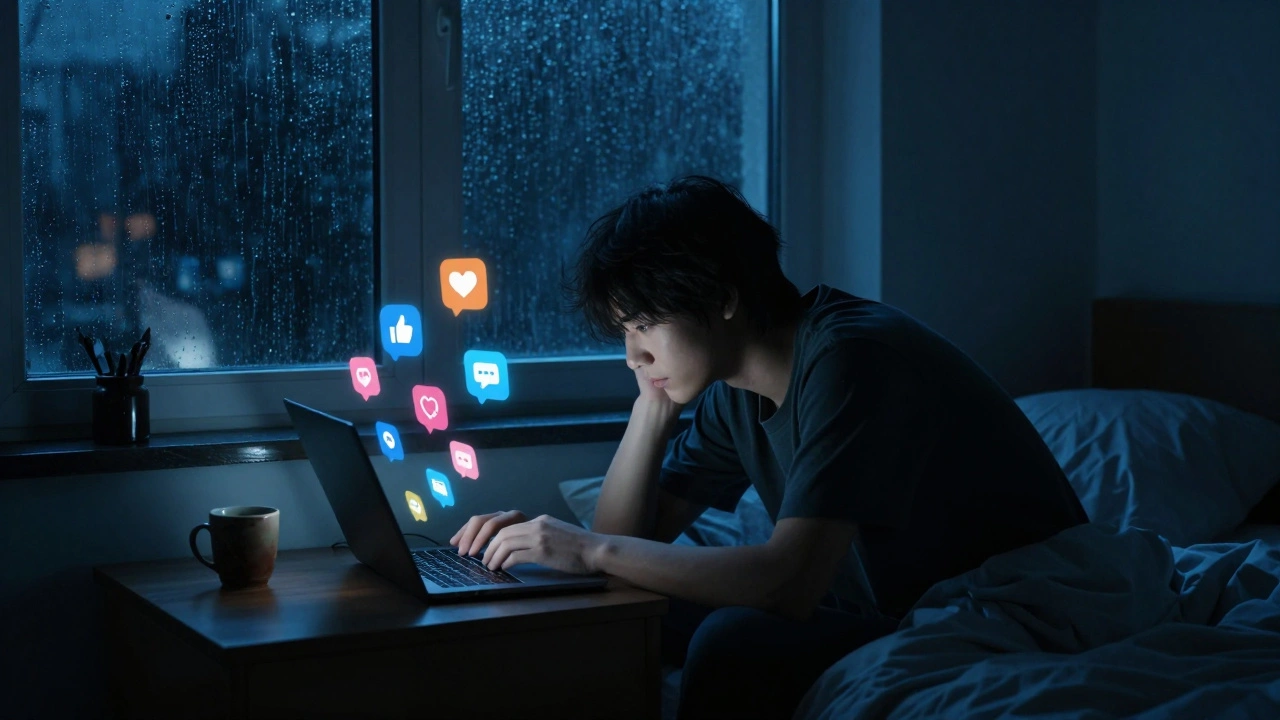
Think about the last time you felt truly understood. Was it during a late-night text thread with someone you met online? Or was it sitting across from a friend at a coffee shop, silence comfortable, eyes saying what words couldn’t? We live in a world where you can have 500 online friends and still feel alone. And that’s not a glitch-it’s a growing problem.
The Illusion of Connection
Online friendships are easy to build. You like someone’s post, reply to their story, share memes, and suddenly you feel close. But how many of those people know your real name? How many know you lost your job last year? Or that you cry when you hear your mom’s voice on the phone? Most don’t. And that’s not because they’re bad people-it’s because online interaction doesn’t demand vulnerability. It rewards performance.
A 2024 study from the University of Chicago tracked 1,200 adults over 18 months. Those who spent more than 3 hours a day on social media reported feeling more isolated than those who spent under 30 minutes. Why? Because scrolling replaces talking. Liking replaces listening. A quick emoji reply doesn’t build trust-it just keeps the illusion alive.
Real Friends Don’t Need a Filter
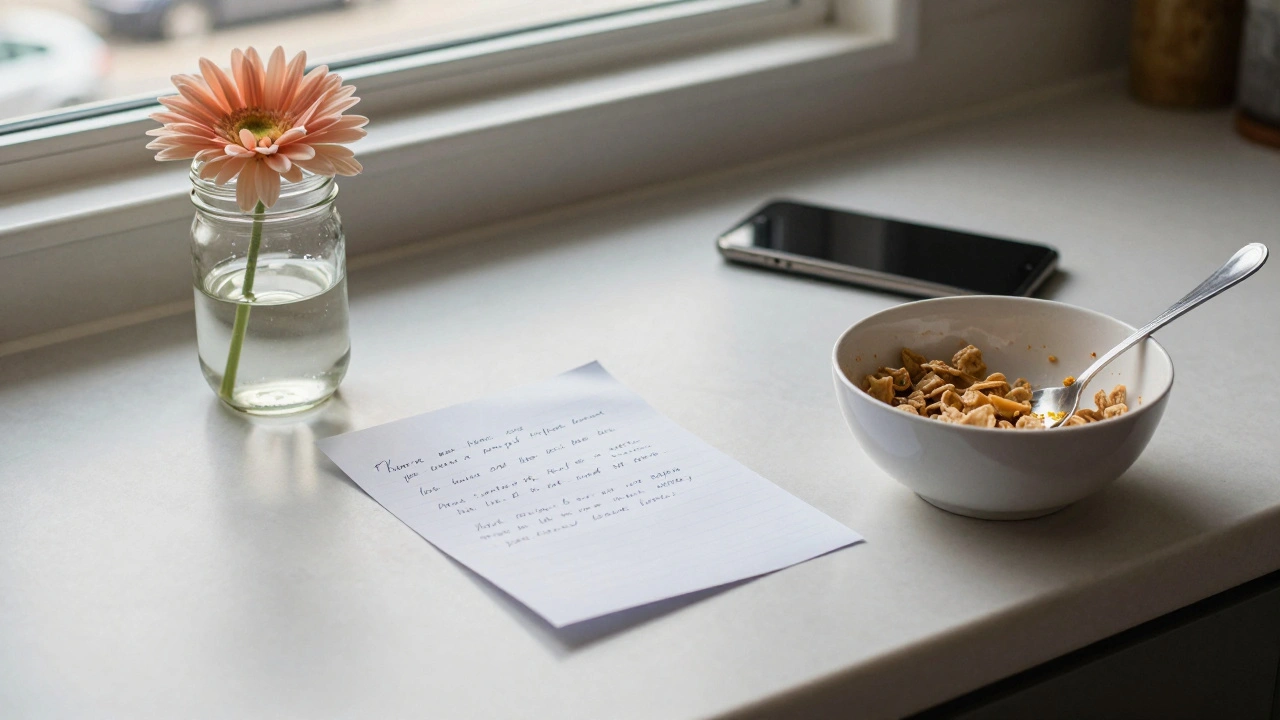
Real friends are the ones who show up. Not when it’s convenient. Not when they’re bored. But when you’re broken. When you don’t have the energy to pretend. When you haven’t shaved in three days and you’re sitting on your couch eating cereal with a fork.
They remember your coffee order. They know your dog’s name is Luna, not Lucy. They call you on your birthday, not just to wish you happy, but to ask how you’re really doing. And if you don’t answer? They’ll text again. And again. Until you do.
These friendships aren’t built on likes. They’re built on shared silence, inside jokes from 10 years ago, and showing up at the hospital at 2 a.m. because you said you would. That’s the kind of connection that doesn’t vanish when you turn off your phone.

The Hidden Cost of Prioritizing Online Friends
When you spend more time nurturing online relationships, you start to forget how to be present. You check your phone during dinner. You scroll while your partner talks. You reply to DMs before answering your mom’s call. Over time, this rewires your brain. You begin to expect instant replies, surface-level engagement, and constant validation.
And when real life doesn’t deliver that? You feel let down. You think, “Why doesn’t my best friend text me back right away?” But your best friend is at work. Or in therapy. Or sleeping. They’re human. Not an algorithm.
One woman I spoke to-let’s call her Lisa-had 87 online friends she talked to daily. She felt connected. But when her father passed away, not one of them showed up. Not one called. Not one sent a handwritten note. Only her sister, who lived across the country, flew in. Lisa realized then: she had built a network, not a life.
How to Shift Your Priorities
You don’t have to cut off online friends. But you do need to stop letting them take priority over the people who’ve been there through your worst days. Here’s how to start:
- Track your time: For one week, write down how many hours you spend on social media versus talking to someone face-to-face or on the phone. You might be shocked.
- Replace scrolling with calling: Instead of liking a friend’s post, call them. Ask how their week went. Listen. Don’t just wait for your turn to talk.
- Plan one in-person meetup per week: Even if it’s just coffee for 20 minutes. No phones on the table. Just talk.
- Ask yourself this: If I lost all my online friends tomorrow, who would I miss? If the answer is no one, it’s time to rebuild.
It’s not about quitting social media. It’s about making sure the people you care about know you care. And that doesn’t happen through a comment section.
What Happens When You Flip the Script
When you start investing in real friendships, something shifts. You stop needing constant validation. You feel more secure. Less lonely. Because real connection doesn’t come from likes-it comes from being seen.
One man, Mark, started calling his childhood friend every Sunday. They didn’t talk about anything big. Just what they ate, what movie they watched, how their kids were doing. After six months, Mark said he felt calmer. Less anxious. He didn’t need to post updates to feel okay. He just needed to hear his friend’s voice.
That’s the power of real friendship. It doesn’t need to go viral. It just needs to exist.
The Quiet Truth
You can’t replace a hug with a heart emoji. You can’t replace a shared meal with a group chat. You can’t replace someone who knows your story with someone who knows your profile picture.
Online friends are fine. But they’re not enough. Real friends are messy, inconvenient, and sometimes hard. But they’re the only ones who’ll still be there when the internet goes down.
So ask yourself: Who are you building your life around? The people who cheer from the screen? Or the ones who show up at your door-with snacks, silence, and no agenda?
Can online friendships be as meaningful as real ones?
Some online friendships can be deeply meaningful, especially if they involve consistent, vulnerable communication over time. But they’re rare. Most online interactions lack the physical presence, shared history, and emotional risk that make real friendships stick. A study in the Journal of Social and Personal Relationships found that friendships with regular face-to-face contact were 50% more likely to last beyond five years than those maintained only online.
Why do I feel lonelier with more online friends?
Because online connections often create the illusion of closeness without the depth. You’re surrounded by noise-likes, comments, DMs-but not by real emotional support. Your brain starts to confuse quantity with quality. The more you scroll, the less you engage in the kind of slow, patient, messy bonding that builds true trust. Loneliness isn’t about being alone-it’s about feeling unseen.
Is it bad to have both online and real friends?
No. Having both is normal. The issue isn’t having online friends-it’s letting them replace real ones. Think of online friends as acquaintances who share your hobbies. Real friends are the ones who know your fears, your failures, and still choose to stay. Balance matters. If your online circle takes up 80% of your emotional energy, it’s time to rebalance.
How do I know if someone is a real friend?
Real friends show up without being asked. They remember small details about your life. They don’t ghost you when you’re going through a hard time. They’re comfortable with silence. They don’t need to be praised to care. If someone only reaches out when they need something-or when they’re bored-you’re not their priority. And that’s okay. It just means they’re not your real friend.
What if I don’t have any real friends?
You’re not alone. Many people feel this way. Start small. Join a local group-book club, hiking group, volunteer group. Focus on one person at a time. Don’t try to build a whole circle overnight. Just show up, be consistent, and let trust grow slowly. Real friendships aren’t found-they’re built, one honest conversation at a time.