
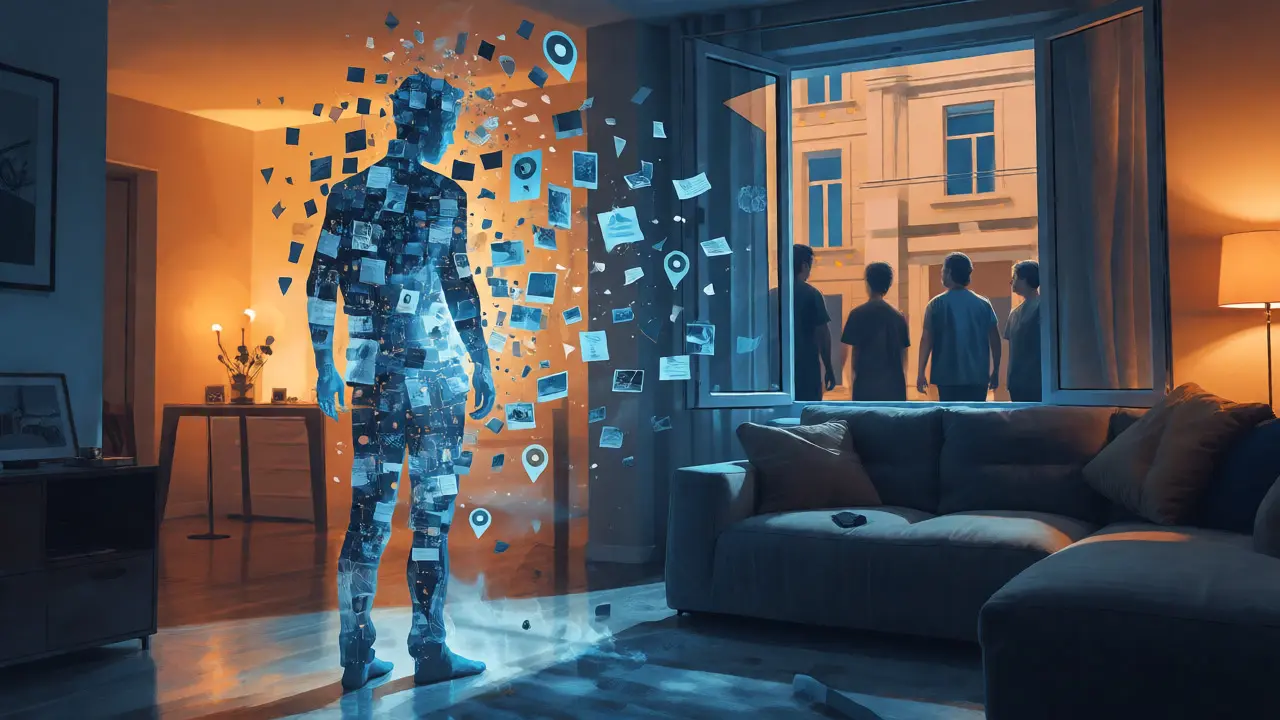
You’re scrolling through your phone in a coffee shop, and suddenly you see it. A comment from someone you’ve never met, referencing the exact street corner where you just posted a photo. It’s not just mean; it’s specific. And that specificity makes your stomach drop. This is the new reality of online harassment-it doesn’t stay on the screen anymore. It walks out of the browser and onto your sidewalk.
We used to think of digital abuse as separate from our physical lives. If you blocked them, they were gone. But with GPS-enabled photos, public data brokers, and aggressive doxxing tactics, the line between virtual threats and real-world danger has blurred. You might be dealing with a former partner who knows your commute because you tweeted about it, or an anonymous troll who figured out your workplace from a LinkedIn profile. The fear isn't just emotional distress; it's the genuine uncertainty of whether this person will show up at your door.
So, what do you actually do? Panic is natural, but it’s not a strategy. What you need is a concrete safety plan. Not a vague idea of "being careful," but a set of actionable steps that reduce your exposure and give you control back. Let’s break down how to secure your physical space when your digital one feels compromised.
Understanding the Leak: How Digital Becomes Physical
Before you can stop the leak, you have to know where it’s coming from. Most people underestimate how much location data they voluntarily broadcast. It’s rarely one big mistake; it’s usually a accumulation of small ones.
Consider EXIF data in your photos. When you take a picture with your smartphone, it often embeds coordinates. If you post that image to a platform that strips metadata (like Instagram), you’re safe. But if you email the original file or post to a site that keeps it, anyone downloading that image can find exactly where you stood. I’ve seen cases where a single vacation photo emailed to a colleague revealed a home address within a ten-mile radius.
Then there’s the issue of social engineering. Harassers are persistent detectives. They cross-reference usernames across platforms. If you use the same handle on Twitter, Reddit, and a niche hobby forum, they can build a timeline of your life. They see you checking into a gym every Tuesday. They notice you only post during weekends. They infer your schedule without ever speaking to you. Recognizing these patterns helps you understand why random comments feel so invasive-they aren’t random. They’re derived.
Auditing Your Digital Footprint
The first step in your safety plan is an audit. You need to see yourself the way a stranger does. Start by Googling your name, your phone number, and your old addresses. Look for sites like WhitePages, Spokeo, or BeenVerified. These data broker sites aggregate public records, voter registrations, and property deeds. For a harasser, this is a goldmine. They can find your past employers, relatives’ names, and even your age.
Once you identify which sites list your info, opt-out. Yes, it’s tedious. Some sites require faxing a form; others let you submit online requests. Do it anyway. If you have the budget, services like DeleteMe or Incogni automate this process for a yearly fee. It’s worth it for the peace of mind alone.
Next, check your social media privacy settings. Are your posts public? Can strangers see your friend list? In many harassment scenarios, the attacker uses your friends' tags to locate you. If your friend tags you at a restaurant, and their profile is public, your location is now public too. Ask close friends to be mindful of tagging you in real-time locations. Better yet, tag after you’ve left.
| Area | Action Item | Risk Level if Ignored |
|---|---|---|
| Photos | Disable location services for camera app | High |
| Data Brokers | Opt-out of top 10 aggregator sites | Medium |
| Social Media | Switch profiles to private / restrict tags | High |
| Create unique aliases for sign-ups | Low | |
| Smart Devices | Review voice assistant history | Medium |
Securing Your Physical Space
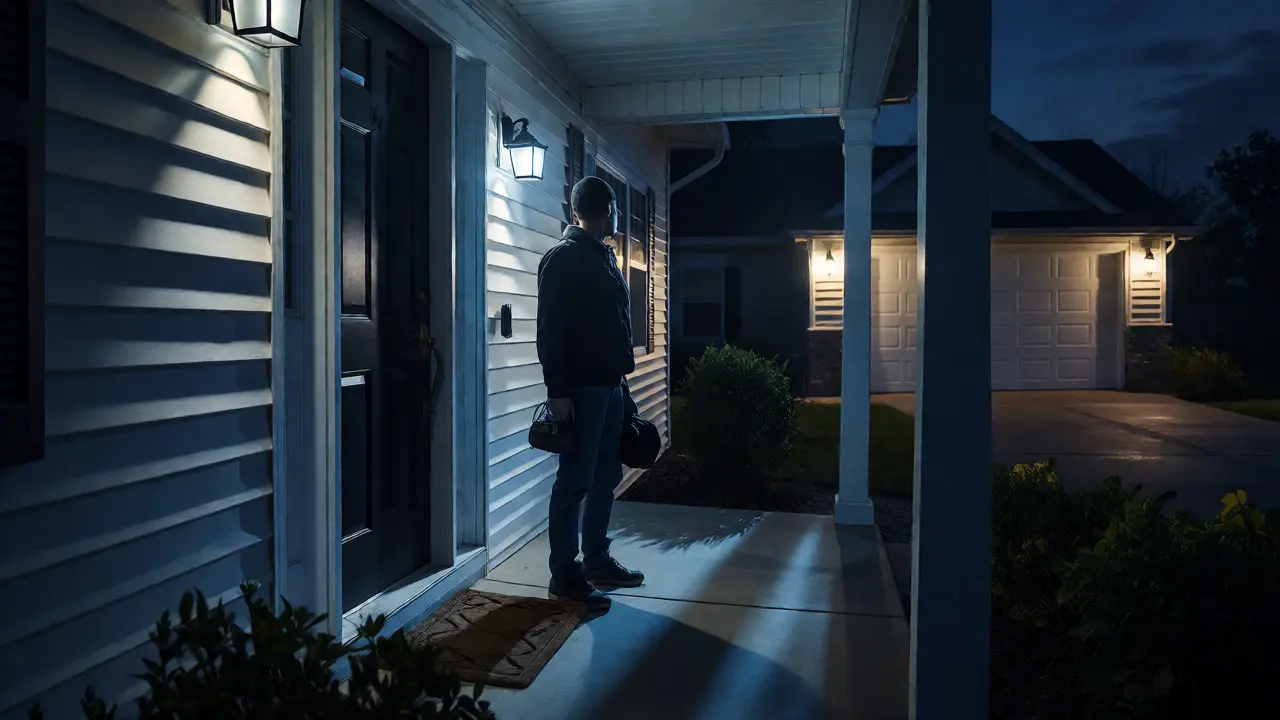
If the threat feels imminent, your home becomes your fortress. But most homes are surprisingly porous. Who else has a key? Did you leave a spare under the mat three years ago and forget? Change your locks if you suspect a stalker knows your routine. It’s a low-cost upgrade that offers high psychological relief.
Lighting matters more than you think. Motion-sensor lights at entry points deter casual intruders and alert you to movement. You don’t need a full CCTV system immediately, though options like Ring or Arlo make it accessible. The mere presence of a camera sticker can change behavior. Just ensure those cameras aren’t easily visible from the street where they could be disabled.
Consider your daily routes. If you always walk the same path to work, vary it. If you park in the same spot every day, mix it up. Predictability is the enemy of safety. Harassers rely on patterns. By introducing randomness into your routine, you increase the effort required for them to track you. This isn’t paranoia; it’s tactical unpredictability.
Also, review who has access to your building or apartment complex. If you live in a shared space, talk to management about package theft or unauthorized visitors. Sometimes the harassment comes from a neighbor who sees you come and go. Being aware of your immediate physical environment reduces blind spots.
Documentation and Legal Recourse
When emotions run high, we tend to delete messages to get them out of our faces. Don’t. Screenshots are your best evidence. Save everything. Timestamps, usernames, context-all of it matters. If you need to involve law enforcement, having a chronological record proves a pattern of behavior rather than isolated incidents.
Understand the legal landscape in your area. In Oregon, for example, laws regarding stalking and harassment have evolved to include cyber-stalking. However, police often respond better to documented threats that imply physical danger than to general insults. Learn the threshold for filing a restraining order in your jurisdiction. Usually, you need to prove credible threat or repeated unwanted contact that causes substantial emotional distress.
Consult with a lawyer if the situation escalates. Many offer free initial consultations. They can help you send a cease-and-desist letter, which sometimes works as a deterrent. Even if it doesn’t stop the harasser, it creates a paper trail showing you took formal action.
Building a Support Network
Isolation amplifies fear. Tell someone you trust-a friend, family member, or partner-what’s happening. Not everyone needs to know, but your inner circle should be aware. Give them a code word. If you text them "pineapple," it means "come pick me up" or "call the police." This simple protocol removes the hesitation of explaining the situation while you’re stressed.
Workplace dynamics also play a role. If the harasser knows where you work, inform HR or security. Provide them with a photo if possible. Most office buildings have protocols for handling unwanted visitors. Knowing that your workplace takes it seriously reduces anxiety during the workday.
Don’t neglect your mental health. Constant vigilance is exhausting. It drains your cognitive resources, making you less effective at work and less present with loved ones. Consider talking to a therapist who specializes in trauma or anxiety. They can help you distinguish between healthy caution and debilitating fear. Remember, the goal is to reclaim your freedom, not to live in a bunker.
Practical Tools for Immediate Relief
Technology can help you fight fire with fire. Use apps that allow you to create temporary phone numbers for dating apps or deliveries. This keeps your primary number private. If a harasser gets your main number, consider changing it. It’s annoying, but it resets the clock.
For social media, utilize block lists aggressively. Don’t feel guilty about blocking anyone who makes you uncomfortable. You owe no explanation. Also, turn off read receipts. There’s power in not letting someone know you saw their message immediately. It breaks their feedback loop.
Finally, keep a "go bag" near your door if you live alone. Include keys, wallet, phone charger, and a copy of important documents. It’s a small habit that prepares you for unexpected exits, whether due to harassment or other emergencies.
What is doxxing?
Doxxing is the act of publicly revealing previously private personal information about an individual, usually via the internet. This can include home addresses, phone numbers, workplace details, and family members' names. It is often used as a tool for harassment to intimidate victims or encourage offline confrontation.
Should I respond to online harassers?
Generally, no. Responding often fuels the harasser's desire for attention and engagement. Silence deprives them of the reaction they seek. Instead, document the interaction, block the user, and report the account to the platform. Engaging can escalate the conflict and provide more material for the harasser to use against you.
How do I remove my address from Google Maps?
If your home appears incorrectly or you want to hide it, you can suggest an edit on Google Maps. Click on your location, select 'Suggest an edit,' and choose 'Close or remove.' Note that removing a residential listing entirely can be difficult if multiple sources verify it exists. For stricter privacy, consider using a PO Box for mail and keeping your residential address out of public business listings.
Can I press charges for cyberbullying?
It depends on the severity and local laws. Simple bullying may not meet the legal threshold for criminal charges unless it involves threats of violence, stalking, or hate crimes. Civil lawsuits are another option for damages related to emotional distress or defamation. Always consult with a local attorney to understand the specific statutes in your state or country.
Are smart home devices risky for privacy?
They can be if not configured correctly. Smart speakers and cameras can malfunction or be hacked, potentially allowing outsiders to hear or see inside your home. Regularly update firmware, use strong passwords, and disable features you don't use. Some users prefer to cover cameras when not in use or place smart devices in common areas rather than bedrooms.