Key Takeaways
- Online harassment in gaming can trigger genuine paranoia and hyper-vigilance.
- Toxicity often escalates from "trash talk" to doxxing and targeted stalking.
- Long-term exposure leads to social isolation and increased cortisol levels.
- Setting hard digital boundaries is the most effective way to recover mental clarity.
The Invisible Weight of Digital Toxicity
We often dismiss gaming toxicity as just "part of the culture." We call it banter or trash talk. But there is a massive difference between a teammate complaining about a missed shot and a coordinated group of strangers sending death threats to your inbox. Online Harassment is the use of digital communication tools to intimidate, threaten, or demean individuals through repeated and hostile interactions. When this happens in a gaming context, it doesn't just ruin the game; it rewires how the brain perceives safety.
When a player is targeted, the brain enters a state of high alert. You start questioning every interaction. Why is that person following you in the game? Why did they mention a detail about your location? This is where gaming mental health begins to deteriorate. The brain's amygdala-the center for processing fear-stays active long after the console is turned off. You aren't just "stressed"; you are experiencing a physiological response to a perceived threat that feels omnipresent because the internet never sleeps.
From Trash Talk to True Paranoia
Paranoia isn't always a clinical diagnosis; in the world of gaming, it often manifests as hyper-vigilance. It starts with a feeling of being watched. You might find yourself checking your privacy settings every ten minutes or hesitating to post a screenshot because you're afraid someone will find a clue to your real identity. Paranoia in this context is an irrational suspicion or mistrust of others, often triggered by a breach of privacy or a targeted attack.
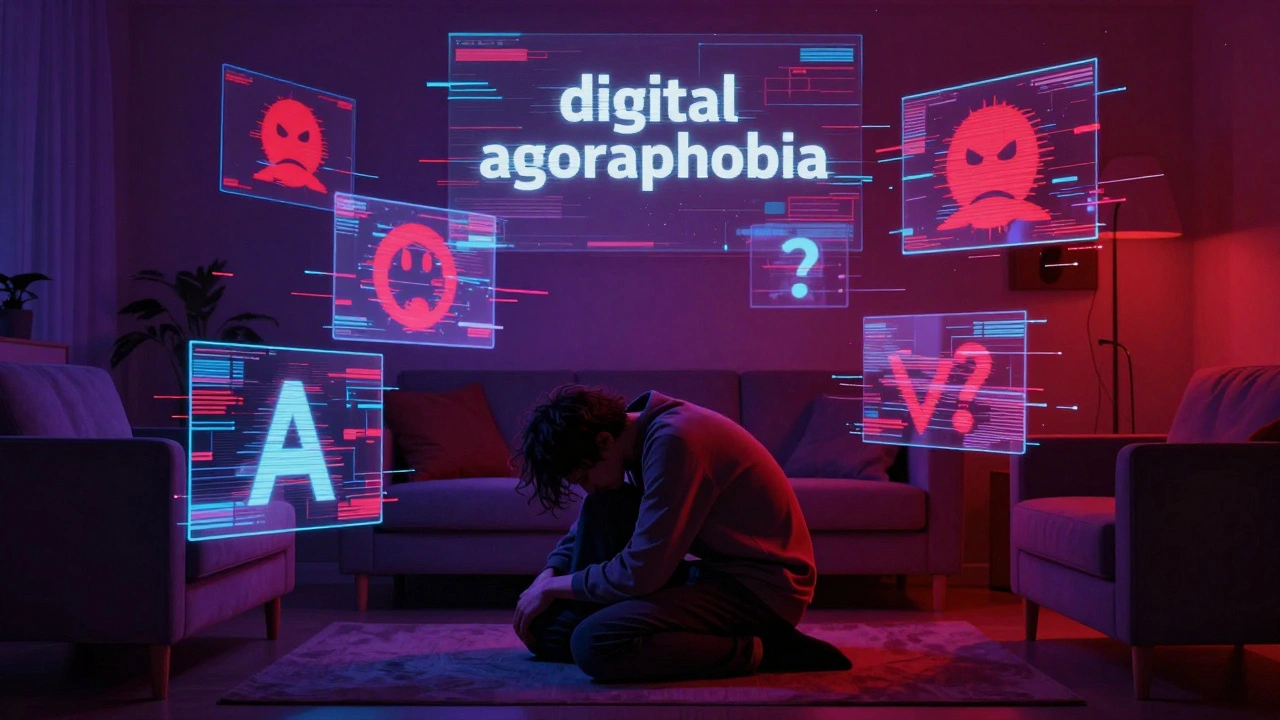
Take the example of a competitive player in a high-stakes environment like League of Legends or Valorant. If a player is targeted by a "hate raid," where dozens of accounts flood their social media with threats, the brain stops seeing the internet as a tool and starts seeing it as a weapon. This can lead to "digital agoraphobia," where the person feels unsafe even in their own home because the threat is coming through the screen.
| Intensity Level | Common Behaviors | Psychological Effect |
|---|---|---|
| Low (Toxicity) | Sarcasm, blaming, mild insults | Irritation, temporary stress |
| Medium (Harassment) | Repeated slurs, targeted insults | Anxiety, loss of confidence |
| High (Cyberstalking) | Doxxing, threats, raiding | Paranoia, PTSD symptoms, insomnia |
The Doxxing Domino Effect
The most severe form of harassment is Doxxing, which is the act of searching for and publishing private or identifying information about a particular individual on the internet. The moment a gamer's real name, address, or phone number is leaked, the harassment moves from the digital realm to the physical one. This creates a profound sense of vulnerability. How can you relax when a stranger might know where you sleep?
This breach of privacy often leads to a spiral of anxiety. Players start imagining the worst-case scenarios. They might stop ordering food delivery or feel a surge of panic when they see a strange car on their street. The psychological impact is akin to a trauma response. In many cases, the victim experiences Hyper-vigilance, a state of increased sensitivity to surroundings that makes it impossible to truly relax. The brain is stuck in a "fight or flight" loop, which eventually exhausts the body and leads to burnout.
Why Gamers are Specifically Vulnerable
Gaming communities are unique because they often blend social intimacy with intense competition. You might spend six hours a day with a "friend" you've never met in person. When that relationship sours, the betrayal feels personal, but the attacker remains anonymous. This anonymity acts as a shield for the harasser, a phenomenon known as the "online disinhibition effect." Because the attacker doesn't see the victim's physical reaction, they lack the empathy that usually stops a person from being cruel in real life.
Furthermore, the "grind culture" of modern gaming means players are often sleep-deprived and emotionally exhausted. When you're already running on four hours of sleep and a diet of energy drinks, your emotional resilience is low. A single nasty comment can feel like a crushing blow. This makes the environment ripe for psychological manipulation and gaslighting, where victims are told they are "too sensitive" or that the abuse is just "how the game works."
Breaking the Cycle: Recovery Strategies
Recovery from digital trauma isn't as simple as "just turning off the computer." The mental echoes remain. The first step is a complete digital detox. This means more than just closing the game; it means stepping away from all platforms where the harassment occurred. This allows the nervous system to reset and the cortisol levels to drop.
Implementing strict boundary management is also crucial. Many victims find success by creating a "siloed" digital life. This involves using separate accounts for different activities-one for competitive gaming, one for social media, and one for private communication. By disconnecting your identities, you reduce the surface area for potential attackers. If one account is compromised, your entire life isn't exposed.
Talking to a professional who understands digital spaces is a game-changer. Traditional therapy is great, but finding a counselor who understands the nuance of Cyberbullying ensures you aren't spending half your session explaining what a "raid" is. Validating the experience as a real trauma, rather than a "video game problem," is the key to moving past the paranoia.
Building a Healthier Gaming Ecosystem
The responsibility shouldn't fall solely on the victim. Game developers have a role in this. Systems that rely solely on player reports are often too slow. We need proactive AI moderation that catches hate speech before it reaches the user. When platforms treat toxicity as a bug to be fixed rather than a feature of the community, the mental health of the player base improves.
As a community, we can shift the culture by rewarding positive behavior rather than just punishing the negative. When players actively shut down harassment in a lobby, it signals to the victim that they aren't alone and to the harasser that their behavior is socially unacceptable. This "community policing" is often more effective than any automated ban-hammer because it changes the social reward system of the game.
How can I tell if my gaming stress is becoming actual paranoia?
If you find yourself fearing for your physical safety in the real world based on things that happened in a game, or if you are unable to sleep because you're obsessively checking your digital privacy, you may be experiencing hyper-vigilance or paranoia. When your "alert system" stays on even when you aren't playing, it's time to seek professional support.
What should I do if I've been doxxed?
First, document everything. Take screenshots of the leaks and the threats. Second, contact your local law enforcement to file a report, as doxxing can be a precursor to physical stalking. Third, change your passwords and enable two-factor authentication (2FA) on all accounts. Finally, consider a temporary social media blackout to starve the attackers of the attention they crave.
Can gaming toxicity lead to long-term PTSD?
Yes. While we usually associate PTSD with physical combat or accidents, severe and prolonged psychological abuse-including coordinated harassment campaigns-can trigger similar symptoms. This includes flashbacks to the abuse, avoidance of the triggers (like the game itself), and chronic anxiety.
Is it possible to enjoy competitive gaming without the stress?
Absolutely. The key is controlling your environment. Use "mute all" functions liberally, play with a trusted group of friends (a "closed circle"), and set a hard time limit on your sessions. When you prioritize your peace over the "rank grind," the game becomes a hobby again instead of a source of trauma.
Why do people harass others in games?
Most harassers are driven by a need for power and control. The anonymity of the internet allows them to project their own frustrations and insecurities onto others without facing immediate consequences. It's rarely about the victim's skill level and almost always about the attacker's need for dominance.
Next Steps for Recovery
If you're currently feeling overwhelmed, start with a small win. Turn off your notifications for 24 hours. The world won't end if you don't see the latest message in your discord server. If you feel a panic attack coming on, use the 5-4-3-2-1 grounding technique: identify 5 things you can see, 4 you can touch, 3 you can hear, 2 you can smell, and 1 you can taste. This pulls your brain out of the digital fear loop and back into your physical body.
For those who want to continue gaming but fear the toxicity, try switching to cooperative (PvE) games for a while. Shifting from a competitive environment to a collaborative one can help retrain your brain to associate gaming with positive social connection rather than conflict. Remember, your mental health is worth more than any digital trophy or rank.