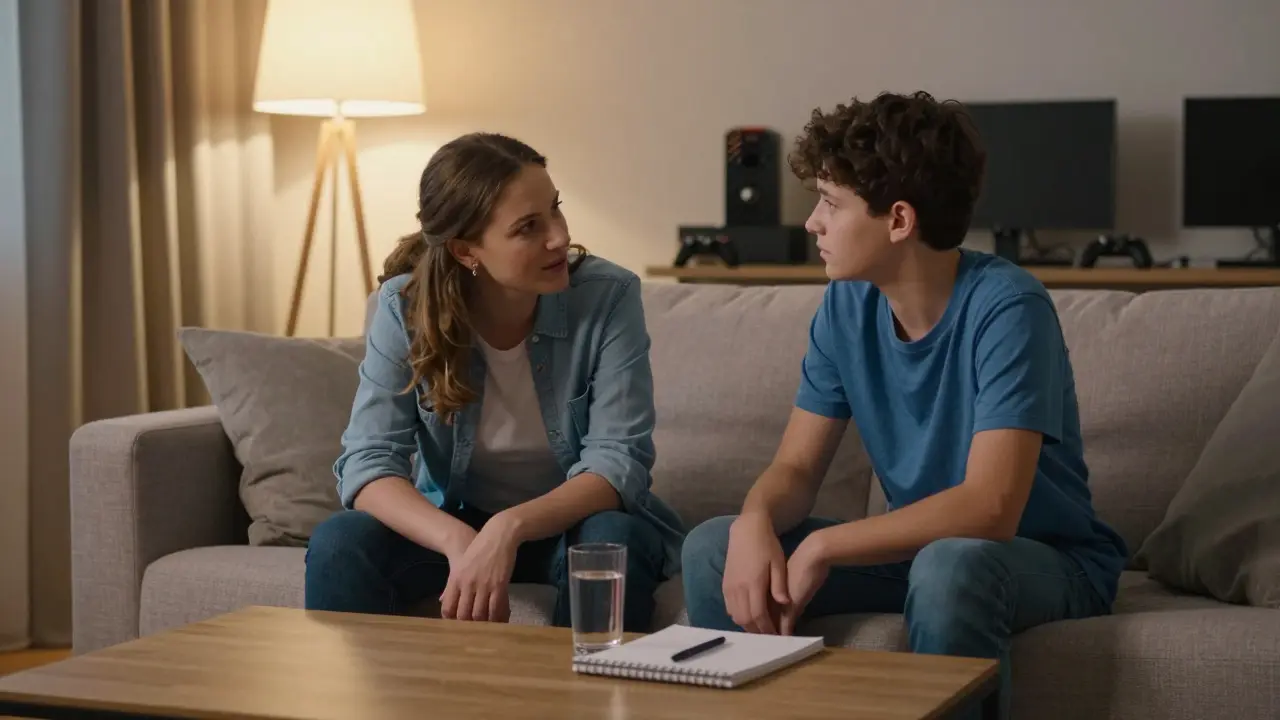
You notice your teen has been glued to their controller for four hours straight. Dinner is getting cold, chores are piling up, and they seem irritable when you ask them to take a break. It’s a familiar scene in many households, but the reaction often spirals into arguments about "addiction" or "wasted time." The real issue isn't just the number of hours; it's the breakdown in communication between parent and child. When we approach gaming with suspicion rather than curiosity, we shut down the very dialogue needed to find a healthy balance.
Parental concern regarding digital media consumption by adolescents is a major stressor in modern families. However, research from the American Academy of Pediatrics suggests that conflict-free negotiation leads to better long-term self-regulation skills than strict prohibition. The goal here is not to ban games, but to build a framework where both parties feel heard and respected.
Understanding the Shift in Family Dynamics
Gaming has evolved from a solitary hobby to a social hub. For many teenagers, Online multiplayer gaming is their primary method of maintaining friendships. If you view these sessions as mere isolation, you miss the social bonding happening in real-time. This disconnect fuels parental anxiety because the activity looks passive, yet it is cognitively and socially active.
When parents react with immediate criticism, teens often perceive it as a lack of trust. This triggers defensiveness, making honest conversation nearly impossible. To change this dynamic, you need to shift your role from "police officer" to "consultant." You aren't there to catch them doing something wrong; you're there to help them manage their time effectively.
The Psychology Behind Gaming Engagement
Why do kids stay so engaged? It’s not always laziness. Games provide clear goals, immediate feedback, and a sense of competence. In academic or work settings, progress can be slow and ambiguous. In a game, you see your level go up instantly. This psychological loop, known as variable reward scheduling, keeps players motivated.
Understanding this helps you empathize. Your child isn't necessarily "lazy"; they are seeking a reliable source of achievement. Acknowledging this doesn't mean you have to agree with the amount of time spent, but it removes the moral judgment that usually blocks productive talks.
| Aspect | Traditional Discipline | Collaborative Approach |
|---|---|---|
| Communication Style | Top-down commands | Two-way dialogue |
| Focus | Compliance and control | Self-regulation and understanding |
| Long-term Outcome | Resentment or secrecy | Intrinsic motivation and trust |
| Conflict Frequency | High during enforcement | Low due to shared ownership |

Practical Steps for Better Communication
Changing how you talk about gaming requires practice. Start by choosing a neutral time-not right after they finish a match, and not when you’re stressed. Sit down together and use "I" statements instead of "You" accusations. Instead of saying, "You play too much," try, "I worry that we aren't spending enough quality time together because of the late nights."
- Validate their interest: Ask them to show you their favorite game. Let them explain the strategy. This shows respect for their world.
- Define the problem clearly: Is it sleep deprivation? Missed homework? Or just a feeling of disconnection? Be specific.
- Negotiate limits together: Let them suggest a schedule. If they propose a limit, they are more likely to stick to it than if you impose one.
- Set non-negotiables: Some things must remain firm, like dinner times or bedtime. Explain *why* these are important (e.g., nutrition, rest) rather than just enforcing them.

Navigating Common Pitfalls
One major trap is using gaming as a reward or punishment. If you withhold games as a consequence for bad grades, you devalue the activity and create resentment. Conversely, using games as the only reward for good behavior makes them feel scarce and precious, increasing the urge to cheat the system. Keep gaming separate from academic performance whenever possible.
Another pitfall is inconsistency. If you enforce rules strictly on weekdays but ignore them on weekends, the message becomes confusing. Consistency builds predictability, which reduces anxiety for both parent and child. Create a written agreement if necessary. A simple digital contract signed by both parties can serve as a reference point when tensions rise.
When to Seek Professional Help
Most gaming issues are behavioral and manageable through family discussion. However, watch for signs of severe disruption. If your child is lying extensively about time spent, showing significant mood swings when away from screens, or neglecting basic hygiene and health, it may be time to consult a pediatrician or a family therapist. These are signs that the imbalance is affecting their overall well-being beyond just time management.
Remember, the aim is not to eliminate gaming, but to integrate it into a balanced life. By improving Family communication, you empower your child to become their own best manager. The skills they learn negotiating screen time now will serve them well in managing future responsibilities, whether in college, careers, or relationships.
How much screen time is considered normal for teenagers?
There is no single "correct" number, but experts generally recommend balancing screen time with physical activity, sleep, and face-to-face interaction. If 4-5 hours of gaming prevents sleep or schoolwork, it is likely too much. Focus on the impact on daily life rather than arbitrary hour counts.
What should I do if my child ignores verbal warnings?
Avoid escalating to yelling. Use a calm, pre-agreed signal or timer. If they ignore it once, wait a few minutes, then follow through with the agreed-upon consequence calmly. Consistency is key; if you don't follow through, they will test the boundary again.
Is gaming addiction a real medical condition?
The World Health Organization recognizes "Gaming Disorder" in the ICD-11, but it is rare. Most cases of excessive gaming are behavioral issues related to habit formation and emotional regulation, not clinical addiction. Treat most cases with behavioral strategies first.
How can I make my child want to stop playing voluntarily?
Give them autonomy. Let them choose when to start and stop within a set window. If they feel in control, they are less likely to rebel. Also, ensure there are appealing offline alternatives available, such as sports, creative hobbies, or family activities.
Should I check their gaming history or chat logs?
Generally, avoid secret surveillance unless safety is a concern. Open monitoring tools (like shared calendars or app timers) are better because they promote transparency. Secret checks often destroy trust, leading to more secretive behavior in the future.