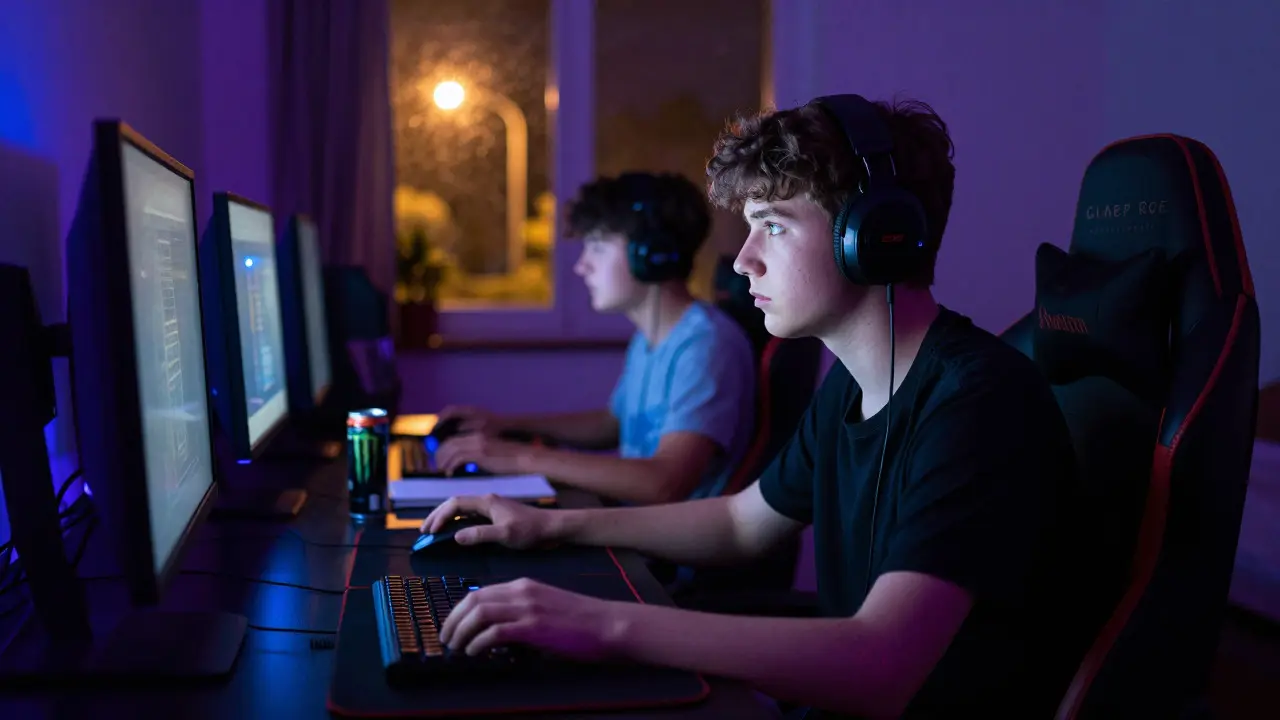
It’s 10 PM on a Tuesday. Your teenager is still up, not just playing Esports is competitive video gaming that has evolved into a multi-billion dollar industry with professional leagues and sponsorships. Unlike casual gaming, it requires intense focus, strategic depth, and often team coordination., but practicing aim for the third hour straight. They believe they are one clutch play away from a $50,000 prize pool. You know the stats say otherwise. The gap between their ambition and reality is where most parenting friction happens in this era.
You don’t need to crush their spirit or confiscate the controller. You need a strategy. This isn't about stopping them from gaming; it's about guiding them toward a sustainable path where gaming is a skill, not just a lottery ticket. Here is how you can bridge that gap without starting a war in your living room.
The Hard Truth About Professional Esports
First, let’s look at the numbers, because facts usually land harder than feelings. In major titles like League of Legends is a popular multiplayer online battle arena game that serves as a primary platform for high-level competitive esports tournaments. or Counter-Strike is a first-person shooter game known for its tactical precision and large professional circuit., the probability of reaching the top professional tier is roughly 1 in 10,000. That is rarer than becoming an Olympic athlete. Most pro players start before age 14 and train 8-12 hours a day under strict coaching regimes. If your child is 16 and just started taking it seriously, the window for pure "pro" status is closing fast.
This doesn't mean they are wasting time. It means the goalpost needs to move. Instead of "becoming a pro player," the new target should be "building a career adjacent to esports." This shift reduces anxiety for both of you. You stop worrying about their future stability, and they stop feeling like a failure if they don't make the team next month.
Reframing Success: From Player to Industry Pro
The esports ecosystem is huge, but only a tiny fraction of people are actually on stage playing. The rest? They are the engine. There are thousands of jobs in this space that require skills your teen is already building through gaming.
- Content Creation: Streaming on platforms like Twitch is a live video streaming service primarily used for broadcasting video games and interactive content. requires editing, marketing, and personality development. These are transferable media skills.
- Game Design & Development: Understanding game mechanics deeply helps in creating them. Tools like Unity is a cross-platform game engine that allows developers to create 2D and 3D games using C# programming language. are accessible to motivated teens.
- Management & Analytics: Teams need data analysts to track performance metrics and managers to handle logistics. These roles value logical thinking and attention to detail.
When you talk to your teen, show them these paths. Ask them, "If you weren't playing, what part of the game do you enjoy fixing or analyzing?" Often, they love the strategy more than the mechanical execution. That insight is gold for career planning.

Setting Boundaries Without Breaking Trust
Boundaries feel like control to a teen, especially when they are passionate. To avoid resentment, frame rules around health and balance, not punishment. A common mistake parents make is setting arbitrary screen-time limits (e.g., "2 hours max") without explaining why. Instead, use a flexible framework.
- Establish a Daily Cap: Agree on a maximum number of hours for competitive practice versus casual play. For example, 4 hours of focused practice might be better than 8 hours of mindless grinding.
- Mandatory Offline Blocks: Create non-negotiable windows for family meals, exercise, or sleep. No exceptions during these times.
- Performance-Based Flexibility: If they hit their school grades and complete chores, they earn extra gaming time. This teaches responsibility rather than just restriction.
Use a shared calendar. When they see their time visualized, they often realize how much time goes to low-value activities. This self-awareness is a powerful tool for self-regulation.
Building a Portfolio, Not Just a Rank
In traditional careers, we have resumes. In the digital age, we have portfolios. Encourage your teen to document their journey. This isn't just for bragging rights; it’s evidence of soft skills.
| Skill Area | Traditional Path Focus | Esports-Adjacent Application |
|---|---|---|
| Communication | Writing emails, presentations | Team voice chat, community management, stream commentary |
| Analytical Thinking | Data analysis, problem-solving | Game meta analysis, VOD review, opponent scouting |
| Time Management | Meeting deadlines | Balancing practice schedules, content upload consistency |
Ask them to keep a log of their improvements. Did they reduce their reaction time? Did they lead a team to victory in a local tournament? These are concrete achievements that look impressive on college applications or job interviews for marketing and tech roles.
Navigating Social Media Pressure
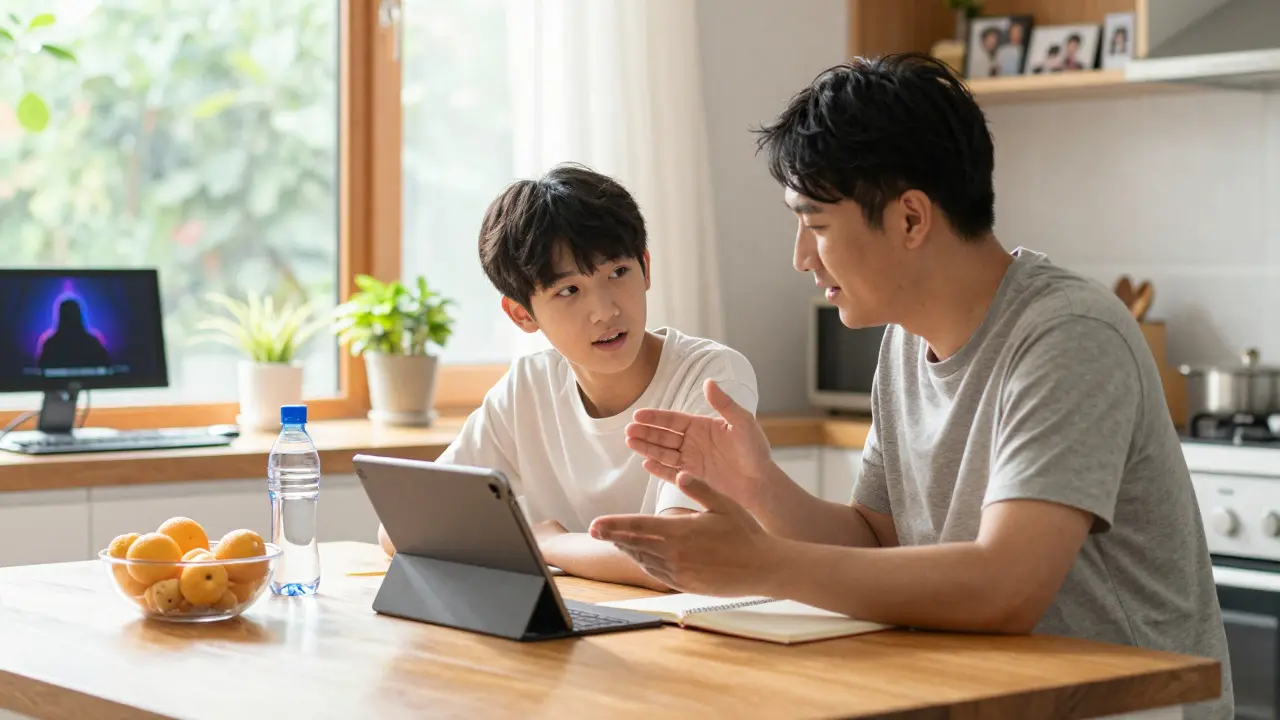
Social media distorts reality. Every highlight reel makes it look like everyone is winning. Your teen sees peers posting wins, sponsorships, and big payouts. This creates FOMO (Fear Of Missing Out) and pressure to perform. Help them curate their feed. Suggest following coaches, developers, and industry analysts instead of just star players. Coaches post tips on discipline and training. Developers talk about the business side. This shifts the narrative from "I need to be famous" to "I need to understand how this works."
Also, discuss the financial risks. Many young pros burn out by age 20 and have no backup plan. Talk about saving money, even if it's small amounts. Financial literacy is a critical life skill that gaming doesn't automatically teach.
When to Seek Outside Help
Sometimes, the dynamic gets stuck. If your teen becomes defensive, isolated, or anxious about gaming, it might be time to bring in a neutral third party. A counselor who understands youth culture can help mediate conversations. Alternatively, joining a local gaming club or community center group can provide structure and peer support outside the home environment.
Remember, your goal isn't to eliminate gaming. It's to ensure gaming serves their growth, not hinders it. By shifting the focus from "dreams" to "skills," you give them a roadmap that feels achievable and exciting. They get to stay in the world they love, but with a safety net underneath.
Is it too late for my 17-year-old to become a pro gamer?
For the very top professional leagues, yes, it is statistically unlikely as most pros start much younger. However, it is never too late to pursue a career in the broader esports industry, such as content creation, game design, or team management, which values experience and passion over raw reflexes.
How many hours a day should a teen spend practicing esports?
There is no single correct number, but 4 to 6 hours of focused, structured practice is generally considered healthy for teenagers balancing school and social life. More than that often leads to diminishing returns and physical strain, so quality of practice matters more than quantity.
What are good alternative careers related to gaming?
Common alternatives include video game journalism, UI/UX design for games, sports analytics for teams, event coordination for tournaments, and software testing. These roles allow individuals to stay involved in the gaming culture while earning a stable income.
How can I encourage my child to take breaks without them feeling punished?
Frame breaks as part of the training regimen, similar to athletes resting between sets. Use timers for short, frequent breaks (e.g., 10 minutes every hour) to maintain flow state while preventing fatigue. Ensure break time is free from screens to allow mental recovery.
Does having a gaming background help in getting a job in tech?
Yes, it demonstrates persistence, problem-solving skills, and familiarity with digital ecosystems. Many tech companies value candidates who understand user behavior in digital spaces. Highlighting specific achievements, such as leading a team or creating content, adds tangible proof of these soft skills.