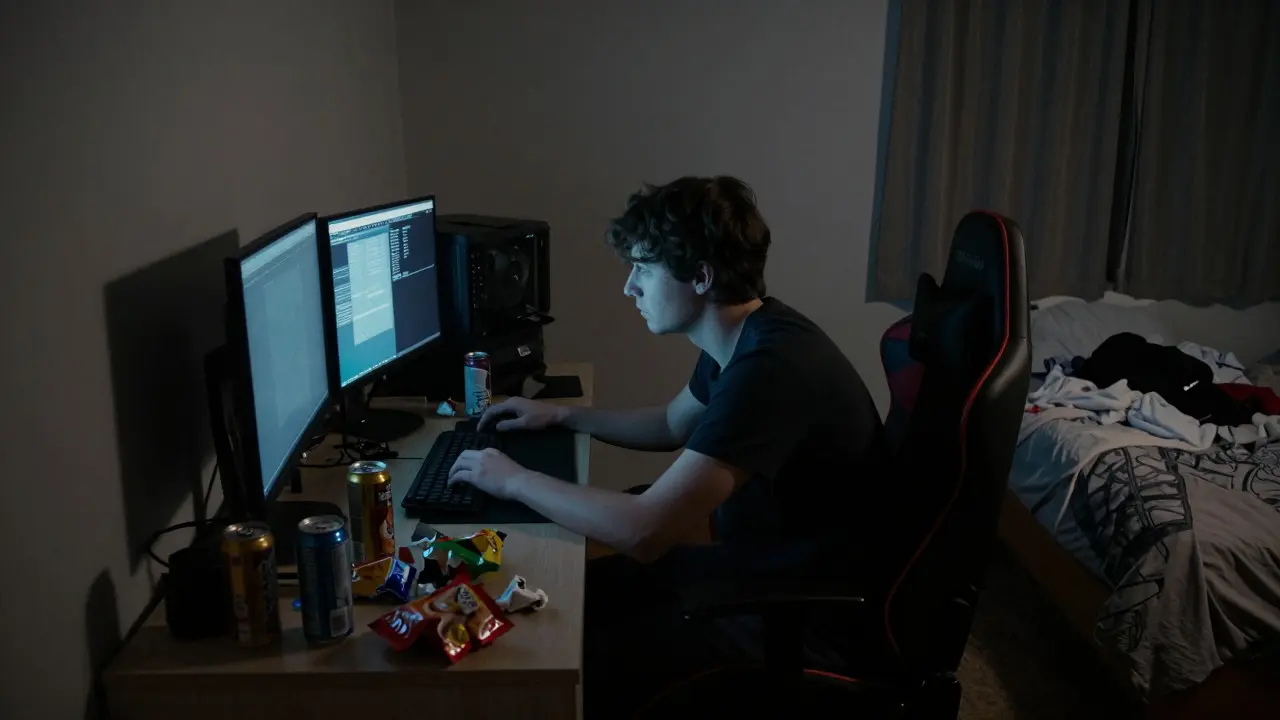
You notice the smell before you see the mess. It’s that distinct mix of stale sweat and unwashed fabric hanging in the air of a bedroom that hasn’t seen sunlight in days. For many families, this is the first red flag that something is seriously wrong with a loved one who spends hours in front of a screen. While we often associate Gaming Addiction is a behavioral condition characterized by excessive, compulsive gaming that disrupts daily life. Unlike casual play, it involves a loss of control where gaming takes precedence over basic human needs like eating, sleeping, and cleaning. When personal hygiene starts to slip, it signals that the brain’s reward system has hijacked the body’s survival instincts.
The transition from "just playing for a bit" to neglecting bodily functions isn't sudden. It’s a gradual erosion of self-care routines. You might think it’s just laziness or teenage rebellion, but clinically, it’s a sign of severe dopamine dysregulation. The brain gets so flooded with stimulation from the game that real-world tasks feel painfully dull by comparison. Washing your face? Boring. Showering? A hassle. But clearing another level? Instant gratification. This article breaks down the specific physical markers that indicate hygiene neglect has crossed the line into a medical concern.
Key Takeaways
- Hygiene neglect is a late-stage symptom of gaming disorder, indicating a breakdown in executive function.
- Dopamine desensitization makes routine self-care feel unrewarding compared to high-stimulation digital environments.
- Specific physical signs include skin conditions (acne, folliculitis), body odor, and dental decay due to skipped meals and hydration.
- Intervention should focus on breaking the isolation loop rather than just forcing a shower.
- Early detection through observation of sleep patterns and meal frequency can prevent severe physical deterioration.
The Biology Behind the Mess
To understand why someone would stop bathing, you have to look at what’s happening in their brain. Gaming triggers the release of Dopamine is a neurotransmitter associated with pleasure, motivation, and reward processing. In moderate amounts, it helps us stay focused. In excess, caused by repetitive gaming loops, it floods the brain. Over time, the brain adapts by reducing its sensitivity to dopamine receptors. This is called tolerance.
Here’s the problem: everyday activities like brushing teeth or taking a shower produce very little dopamine. To a brain accustomed to the intense spikes provided by video games, these actions feel flat and pointless. The person doesn't *want* to be dirty; they simply don't feel the drive to clean up because the reward is too low. This is a physiological state, not just a moral failing. It’s similar to how an opioid user might skip meals-not out of hunger, but because the priority hierarchy in their brain has shifted entirely.
Visible Physical Indicators
When you walk into the room, several visual cues confirm that hygiene has been neglected for weeks, not just days. These aren't just aesthetic issues; they are indicators of underlying health risks.
- Severe Body Odor: This is usually the most immediate signal. It stems from a buildup of bacteria on the skin that occurs when sweat isn't washed away regularly. If the smell lingers even after the person leaves the room, it suggests they haven't used soap or deodorant in over 48 hours.
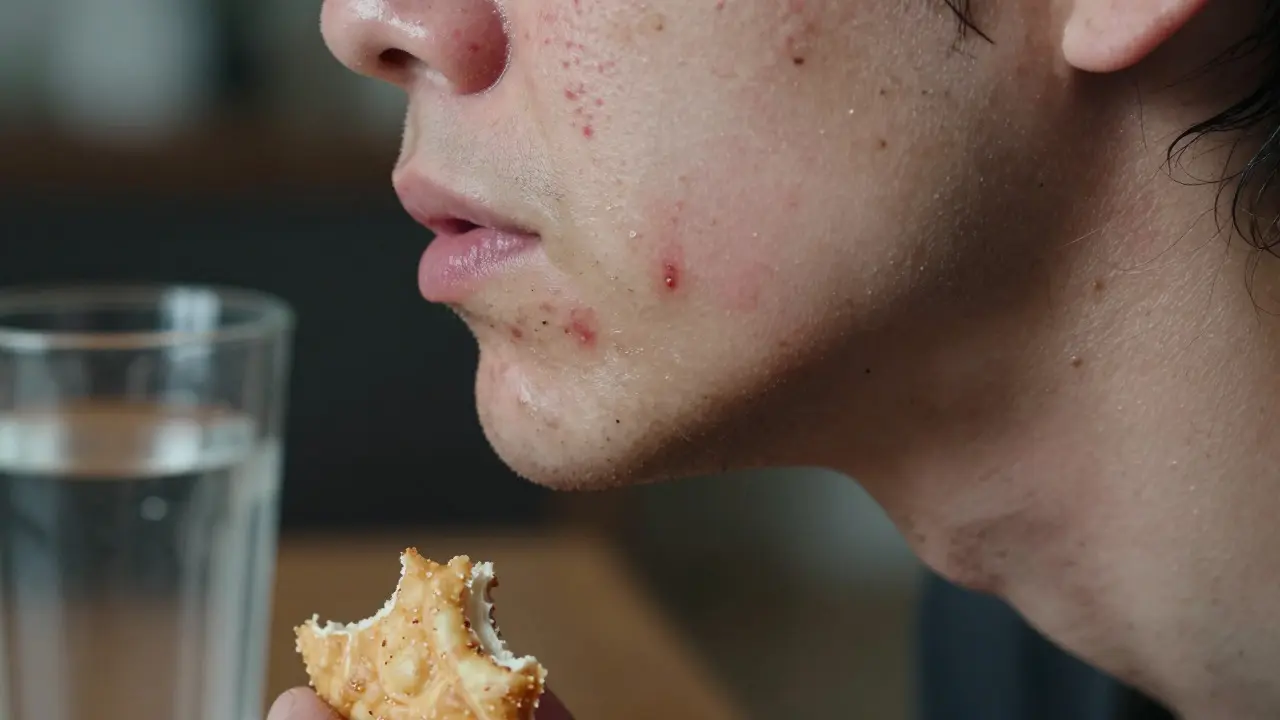
- Acne and Folliculitis: Long periods without washing allow oil and dead skin cells to clog pores. This leads to widespread breakouts on the back, chest, and face. Folliculitis, an inflammation of hair follicles, is common in areas covered by sweaty clothing that stays on for days.
- Dental Issues: Skipping regular meals and relying on sugary energy drinks or snacks leads to rapid tooth decay. Bad breath (halitosis) is a direct result of poor oral hygiene and dehydration. You might notice visible plaque or stained teeth if the person opens their mouth widely.
- Hair Condition: Unwashed hair becomes greasy, matted, and prone to dandruff. In severe cases, hair may stick together in clumps due to oil accumulation. Lice are also more likely to spread in unhygienic conditions, though this is less common in indoor settings.
Systemic Health Consequences
It’s easy to dismiss hygiene as a cosmetic issue, but prolonged neglect affects the entire body. The lack of movement combined with poor nutrition creates a perfect storm for physical decline.
First, consider the cardiovascular impact. Sedentary behavior for 10-12 hours a day slows blood circulation. This can lead to varicose veins in the legs and increased risk of deep vein thrombosis (DVT). When you add in the consumption of high-sugar, high-sodium convenience foods typical of long gaming sessions, you get a spike in blood pressure and insulin levels. This metabolic shift contributes to weight gain, which further discourages movement and self-care.
Second, the immune system weakens. Sleep deprivation, which is almost always present in severe gaming addiction, suppresses immune function. This means minor cuts or skin irritations take longer to heal and are more prone to infection. A small pimple can turn into a painful abscess if not cleaned properly. The body’s natural defense mechanisms rely on consistent rest and hygiene to function optimally.
How to Approach the Situation
Talking to someone about their hygiene can trigger defensiveness. They often know they’re messy; they just can’t bring themselves to fix it. Yelling "Take a shower!" rarely works because it highlights their shame without offering a solution. Instead, try a low-pressure approach.
Start with environmental changes. Make the bathroom more inviting. Leave fresh towels out. Place a bottle of water near their desk. Remove the friction from healthy choices. If they are eating junk food, swap it out for healthier options without making a big deal of it. The goal is to reduce the cognitive load required to make a healthy choice.
If the neglect persists for more than two weeks, it’s time to consider professional help. Look for a therapist who specializes in Behavioral Addictions is a category of disorders involving compulsive behaviors that interfere with daily functioning, such as gambling or gaming. Cognitive Behavioral Therapy (CBT) has shown strong results in helping individuals restructure their reward systems and rebuild daily routines.

Comparison: Casual Play vs. Addiction Symptoms
| Feature | Casual Gamer | Severe Addiction |
|---|---|---|
| Hygiene Routine | Maintains daily showering and grooming | Neglects bathing for days or weeks |
| Sleep Pattern | Regular schedule, adjusts for weekends | Chaotic, often 3-5 hours per night |
| Meal Frequency | Eats regular meals | Skips meals, relies on snacks/drinks |
| Social Interaction | Balances gaming with friends/family | Isolates, avoids eye contact or conversation |
| Reaction to Interruption | Frustrated but compliant | Angry, defensive, or withdrawn |
Rebuilding the Routine
Recovery isn't about quitting gaming overnight. That usually leads to relapse. It’s about reintroducing structure. Start with micro-habits. Ask them to just brush their teeth. Then, ask them to wash their face. Keep the bar low. Celebrate small wins. When they do shower, acknowledge it positively without making it a lecture.
Physical activity is crucial here. Even a 10-minute walk outside can reset the brain’s dopamine baseline. It provides a different kind of reward-one that comes from endorphins rather than digital stimulation. As their physical health improves, their mental clarity will follow, making it easier to engage with therapy and social interactions.
Remember, the goal is restoration, not punishment. The person is dealing with a neurological imbalance. With patience, consistent support, and professional guidance, the physical signs of neglect can reverse, and a balanced life can be rebuilt.
Is poor hygiene always a sign of gaming addiction?
No. Poor hygiene can stem from depression, anxiety, ADHD, or simple laziness. However, when combined with excessive screen time, social withdrawal, and irregular sleep, it strongly points toward gaming disorder. Context matters significantly.
How long does it take for physical health to improve after stopping excessive gaming?
Skin and dental issues can show improvement within 2-4 weeks of restored hygiene and diet. Energy levels and sleep quality often improve within the first week. Full cognitive and emotional recovery may take several months of consistent routine building.
What is the best way to start a conversation about hygiene without causing conflict?
Avoid accusatory language. Use "I" statements like "I’ve noticed the room feels stuffy, maybe we could open the windows?" Focus on the environment rather than the person. Offer solutions like bringing fresh clothes or setting a timer for a short break rather than demanding a full cleanup.
Can medication help with gaming addiction?
There is no FDA-approved medication specifically for gaming disorder. However, doctors may prescribe SSRIs or other medications if co-occurring depression or anxiety is present. Medication supports therapy but is rarely a standalone cure for behavioral addictions.
At what age does gaming addiction typically develop?
While possible at any age, it most commonly emerges during adolescence (12-18 years old) when the brain is still developing impulse control. Early intervention during this period yields the best long-term outcomes.