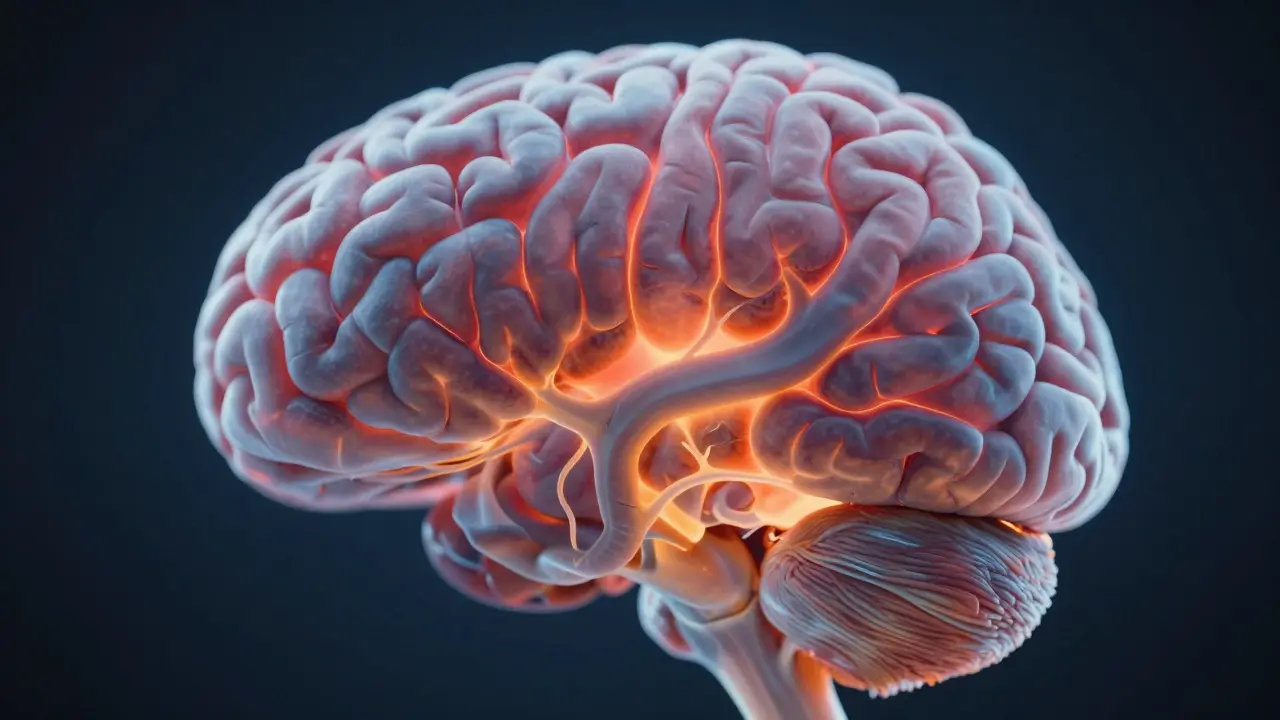
Imagine trying to stop a car that has no brakes. You see the cliff edge, you know you should stop, but your foot is stuck on the gas. That’s exactly what happens in the brain of someone with severe gaming addiction. It isn’t just about willpower or being "lazy." It is a physical change in how your brain processes rewards and controls behavior. The Prefrontal Cortex is the part of the brain responsible for executive functions like planning, decision-making, and impulse control. When this area weakens due to excessive screen time, the connection between wanting something and actually doing it gets scrambled.
The Brain's Executive Command Center
To understand why gamers lose control, we first need to look at who is in charge. The Prefrontal Cortex (PFC) sits right behind your forehead. Think of it as the CEO of your brain. It handles long-term planning, social norms, and the ability to say "no" to immediate temptations. In a healthy brain, the PFC works in tandem with the Basal Ganglia, which manages habits and routine actions. When you play a video game moderately, these two systems balance each other out. You play for an hour, feel satisfied, and go do your homework because the PFC reminds you of your goals.
However, when gaming becomes compulsive, this balance tips over. Recent neuroimaging studies using Functional Magnetic Resonance Imaging (fMRI) show that heavy gamers often have reduced gray matter volume in the left inferior frontal gyrus, a key region within the PFC. This reduction means the "brakes" are literally less powerful. The result? A stronger pull toward the next level, the next loot drop, or the next match, regardless of whether it fits into your real-life schedule.
Dopamine and the Reward Loop
Why does the PFC get weaker? The answer lies in Dopamine, the neurotransmitter associated with pleasure and motivation. Video games are designed to trigger massive spikes of dopamine through unpredictable rewards-like finding a rare item or winning a close match. This mechanism is similar to slot machines in a casino. Each time you get a hit of dopamine, your brain reinforces the behavior that led to it.
In moderation, this is fine. But in addiction, the system goes haywire. The Nucleus Accumbens, a core component of the brain's reward circuit, becomes hyperactive. It screams for more stimulation. Meanwhile, the PFC struggles to keep up. Over time, the brain downregulates its dopamine receptors to handle the constant flood. This leads to tolerance-you need longer sessions and more intense games to feel the same satisfaction. Eventually, boring real-world activities like talking to friends or reading a book feel dull because they don't provide that sharp dopamine spike. The PFC tries to intervene, saying "this isn't productive," but the reward system overrides it.
Symptoms of Impulse Control Loss
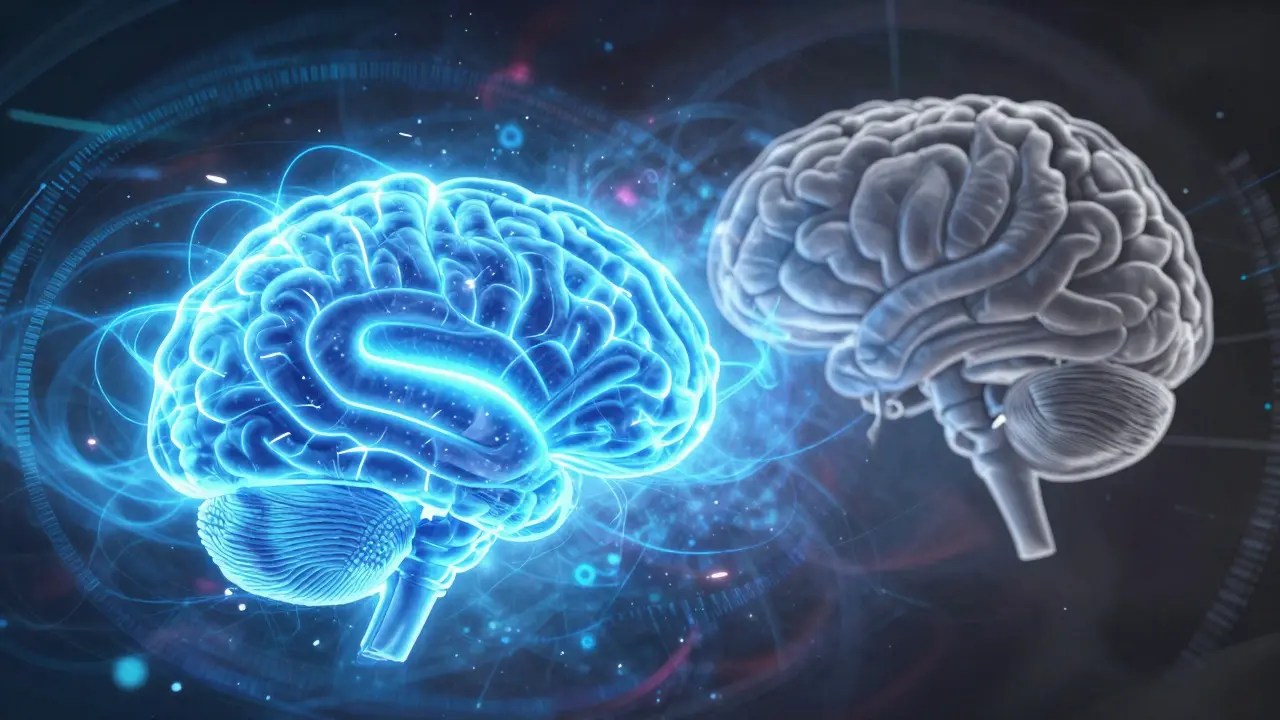
How does this neurological shift look in daily life? It starts subtly. Maybe you miss one dinner appointment because a match ran long. Then it becomes missing work deadlines. The hallmark sign is the inability to stop playing even when you want to. This isn't just distraction; it's a failure of the PFC to enforce a boundary.
- Time Distortion: You plan to play for 30 minutes, but three hours pass. The PFC loses track of elapsed time because it is focused entirely on the game loop.
- Emotional Reactivity: Getting frustrated by a bad loss leads to rage-quitting or aggressive chat behavior. The PFC usually smooths out emotional spikes, but here it fails.
- Withdrawal Symptoms: Feeling irritable, anxious, or depressed when not gaming. This indicates the brain is relying on the game for baseline mood regulation.
- Escalation: Moving from casual mobile games to high-intensity competitive titles to chase the same level of excitement.
These symptoms mirror those seen in substance addictions. The brain treats the virtual world as a primary source of survival needs-status, belonging, and achievement-bypassing the rational checks that would normally prioritize sleep, nutrition, and social connection.

Is It Permanent? Reversing the Damage
The good news is that the brain is plastic. Neuroplasticity means that structure and function can change based on experience. If you reduce gaming hours and engage in activities that require sustained attention and delayed gratification, the PFC can strengthen again. Studies suggest that changes in gray matter volume can begin to reverse within six months of significant behavioral change.
Recovery isn't just about quitting cold turkey. It involves rebuilding the neural pathways that support self-regulation. Cognitive Behavioral Therapy (CBT) helps identify triggers, while mindfulness practices train the PFC to observe impulses without acting on them. Physical exercise also plays a crucial role, as aerobic activity increases blood flow to the prefrontal regions and boosts neurotrophic factors that support neuron health.
Practical Steps to Regain Control
If you suspect your gaming habits are slipping into the addictive range, here are concrete steps to help your PFC regain authority:
- Set Hard Boundaries: Use external tools like app timers or parental controls. Don't rely on willpower alone; let technology act as your temporary PFC.
- Create Friction: Make it harder to start playing. Unplug the console after use, put controllers in another room, or log out of accounts. Every extra step gives your PFC time to kick in.
- Replace, Don't Just Remove: Find alternative activities that offer moderate dopamine hits without the risk of escalation. Hiking, team sports, or creative hobbies can satisfy the need for engagement and achievement.
- Monitor Emotional States: Keep a simple journal. Note when you feel the urge to play. Is it boredom? Stress? Loneliness? Identifying the root cause helps you address the need directly rather than masking it with gameplay.
Remember, the goal isn't to eliminate fun. It's to restore balance so that gaming remains a leisure activity rather than a compulsion. By understanding the biology behind the behavior, you take back control from the algorithm and return it to your own mind.
Does gaming addiction physically damage the brain?
Yes, chronic excessive gaming can lead to structural changes, specifically reduced gray matter volume in the prefrontal cortex. However, this damage is largely reversible through behavioral changes and lifestyle adjustments, thanks to neuroplasticity.
How long does it take for the brain to recover after quitting gaming?
While individual experiences vary, noticeable improvements in impulse control and mood can occur within weeks. Significant structural changes in the prefrontal cortex may take several months, typically around six months of consistent healthy habits.
What is the difference between a gaming habit and an addiction?
A habit is a regular practice that doesn't interfere with daily responsibilities. An addiction is characterized by loss of control, continued use despite negative consequences, withdrawal symptoms, and an increased tolerance for the activity.
Can meditation help with gaming addiction?
Yes. Meditation strengthens the prefrontal cortex, improving attention and impulse control. Regular practice helps create a pause between the urge to play and the action itself, allowing for more rational decision-making.
Are all video games equally addictive?
Not necessarily, but games with variable ratio reinforcement schedules (like loot boxes or random drops) and competitive multiplayer elements tend to be more engaging and potentially more addictive due to their strong dopamine triggers.