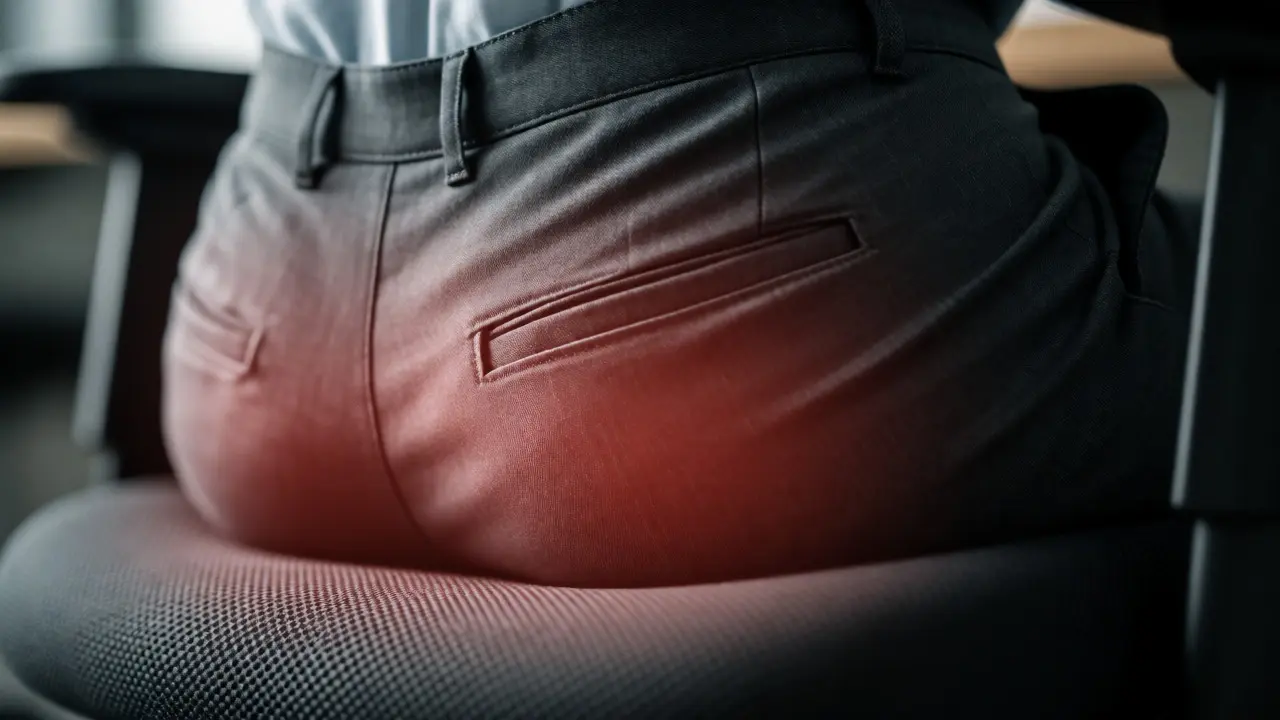
You’ve probably felt that nagging discomfort after a long day at your desk or a marathon gaming session. But for people who sit for extended periods-whether due to office work, paralysis, or mobility limitations-that discomfort can turn into something much worse: pressure sores, also known as decubitus ulcers or bedsores. These aren’t just annoying rashes; they are injuries to the skin and underlying tissue resulting from prolonged pressure on the skin. The scary part? They often start small and painless, but if ignored, they can lead to serious infections like sepsis.
If you spend more than six hours a day seated, your skin is under constant stress. Blood flow gets restricted, oxygen levels drop in the affected tissues, and cells begin to die. This article breaks down exactly what happens to your skin when you sit too long, how to spot the early warning signs, and the practical steps you can take today to prevent permanent damage.
The Science Behind Skin Breakdown
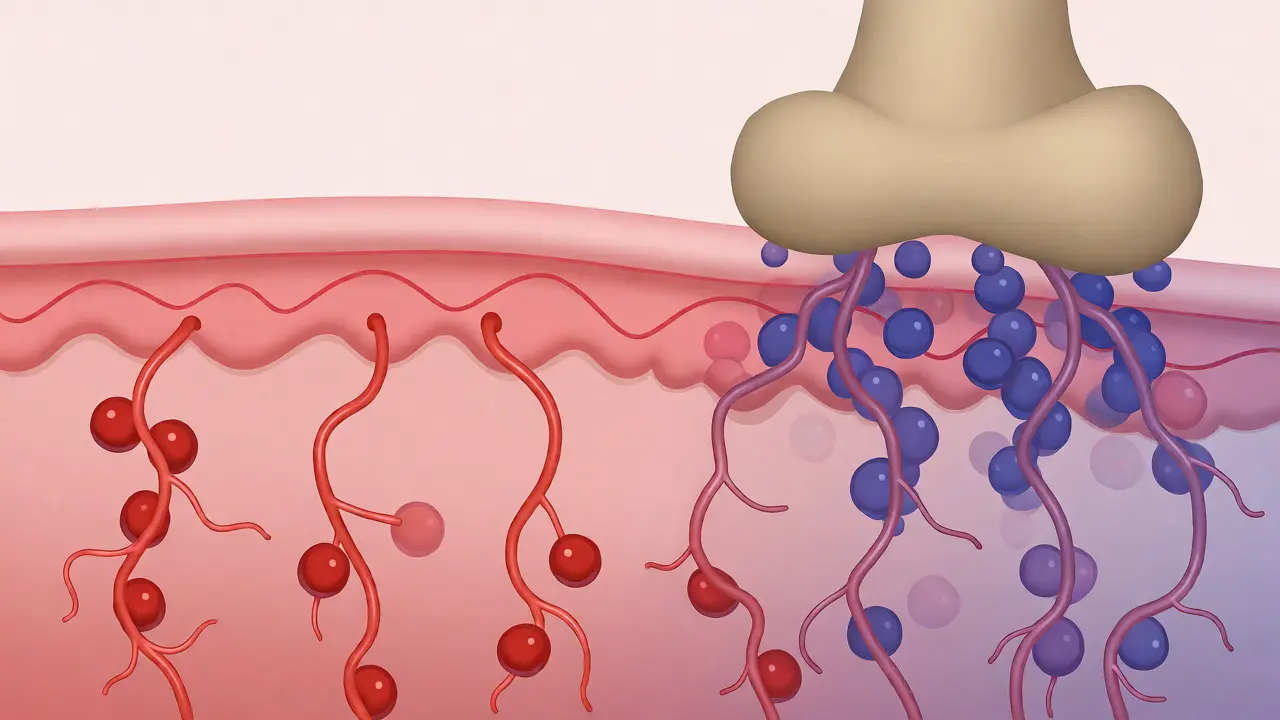
Think of your skin like a sponge. When you press on it, blood vessels get squashed, cutting off the supply of oxygen-rich blood. Normally, this is fine because you shift positions unconsciously every few minutes. But if you have limited mobility, nerve damage, or are deeply focused on a task, you might not move for hours. That sustained pressure blocks circulation. Without oxygen, skin cells start to break down within two to three hours.
This process creates a cascade of problems. First, you get redness that doesn’t blanch (turn white) when you press it. This is Stage 1 pressure injury. If the pressure continues, the top layer of skin dies, creating an open sore. Bacteria love these open wounds, which is why hygiene becomes critical. It’s not just about weight; it’s about shear force-the sliding motion between your body and the chair surface-which tears tiny blood vessels beneath the skin even before you see visible damage.
Who Is Most at Risk?
It’s easy to assume only elderly people or those in hospitals get pressure sores. But office workers, gamers, and drivers are increasingly reporting skin issues related to sitting. You’re at higher risk if you meet any of these criteria:
- Limited Mobility: If you use a wheelchair or have conditions like multiple sclerosis, spinal cord injuries, or arthritis that limit movement.
- Sensory Loss: Diabetic neuropathy or other nerve damage means you can’t feel the discomfort that tells you to shift position.
- Poor Circulation: Smoking, diabetes, and heart disease reduce blood flow, making skin heal slower and break down faster.
- Moisture Exposure: Sweat, urine, or fecal matter softens the skin (maceration), making it fragile and prone to tearing.
- Nutritional Deficiencies: Low protein intake impairs skin repair mechanisms.
Notice that many of these factors overlap with modern sedentary lifestyles. If you’re sitting eight hours a day in a non-ergonomic chair while working through lunch, you’re ticking several boxes without realizing it.
| Stage | Appearance | Action Required |
|---|---|---|
| Stage 1 | Intact skin with non-blanchable redness. May feel warm, firm, or softer than surrounding area. | Relieve pressure immediately. Use barrier creams. Monitor daily. |
| Stage 2 | Partial loss of dermis presenting as a shallow open ulcer with a red-pink wound bed. Might look like a blister. | Cleanse gently. Apply moisture-retentive dressing. Offload pressure completely. |
| Stage 3 | Full thickness tissue loss. Subcutaneous fat may be visible but bone/tendon/muscle not exposed. | See a healthcare provider. Wound care specialist needed. Debridement may be required. |
| Stage 4 | Full thickness tissue loss with exposed bone, tendon, or muscle. High risk of infection. | Immediate medical attention. Surgical intervention often necessary. |
Common Problem Areas for Sitters
Not all skin breaks down equally. Certain bony prominences bear the brunt of your weight when seated. Knowing where to check your skin is half the battle.
The ischial tuberosities-commonly called the "sit bones"-are the primary load-bearing areas when you’re upright. They stick out from the pelvis and press directly against the seat. If you lean back, pressure shifts to the sacrum (the triangular bone at the base of your spine). Leaning forward puts stress on the thighs and knees. For wheelchair users, the heels are also vulnerable if footrests aren’t adjusted properly, causing friction and pressure points.
Check these areas daily. Use a mirror if you can’t see them yourself. Look for changes in color, temperature, or texture. Darker skin tones might show purple or blue discoloration rather than bright red, so rely on touch-if an area feels hotter or harder than the surrounding skin, investigate it.
Prevention Strategies That Actually Work
Preventing pressure sores is far easier than treating them. Here’s a practical toolkit for anyone spending significant time seated.
Repositioning Rules
Set a timer. Every 15 to 30 minutes, perform a "weight shift." Lean left, then right, then forward. Stand up if possible. For wheelchair users, push-ups in the chair (lifting your bottom off the seat) for 15 seconds every 15 minutes is the gold standard. This restores blood flow before cell death occurs.
Surface Selection
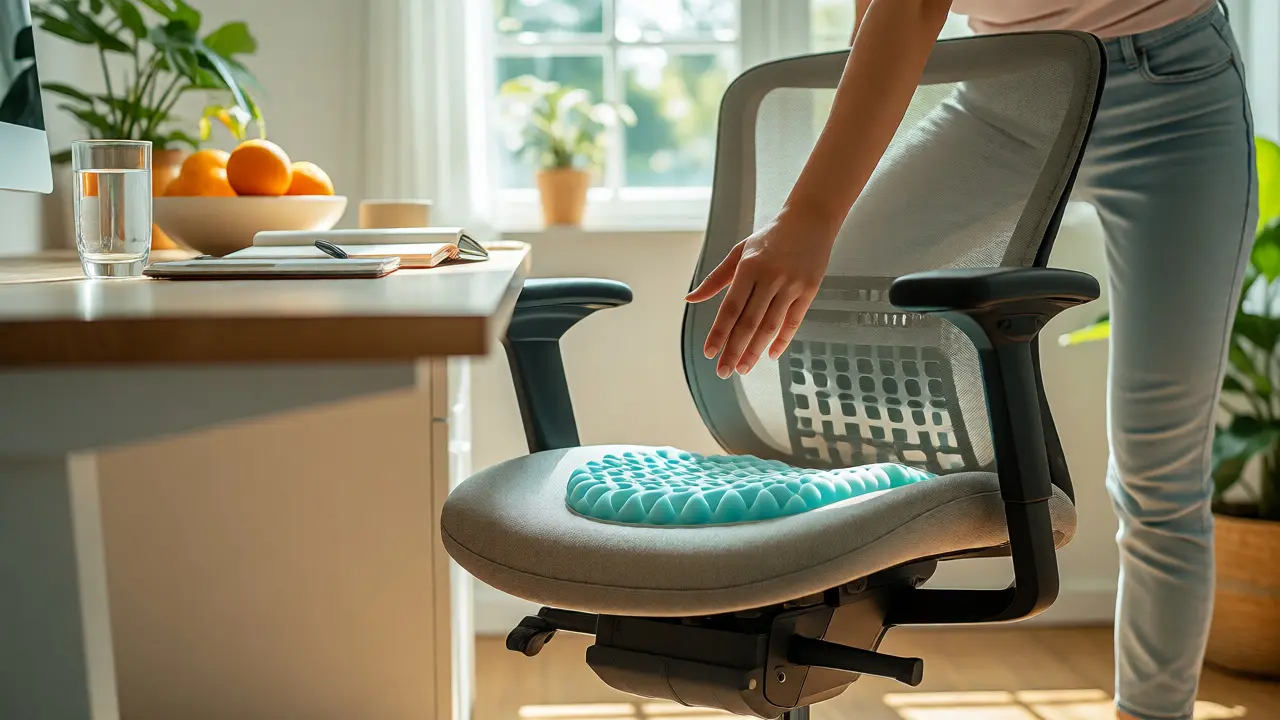
Your chair matters. Hard surfaces create high-pressure points. Foam cushions distribute weight better but can bottom out over time. Gel or air-filled cushions offer better pressure redistribution but require maintenance. Look for cushions labeled "pressure-redistributing" or "shear-reducing." Avoid donut-shaped rings; they actually increase venous congestion by trapping blood around the center hole.
Skin Hygiene and Protection
Keep skin clean and dry. Moisture weakens skin integrity. After sweating or accidents, cleanse with pH-balanced cleansers-not harsh soap, which strips natural oils. Apply barrier films or creams containing dimethicone or zinc oxide to protect against friction and moisture. Never massage reddened areas; this can damage capillaries further.
Nutrition for Skin Resilience
Your skin needs building blocks to stay strong. Protein is essential for collagen production. Vitamin C aids in wound healing, and Zinc supports immune function. If you’re vegetarian or have dietary restrictions, consider supplements after consulting a doctor. Hydration is equally vital; dehydrated skin loses elasticity and tears more easily.
Treating Early Signs Before They Become Ulcers
If you catch a Stage 1 pressure injury early, you can reverse it. The key is immediate and consistent pressure relief. Remove the source of pressure entirely for at least 24-48 hours. If you must sit, use a specialized cushion that floats the injured area.
Apply a transparent film dressing to protect the area from friction while allowing you to monitor the skin. Keep the area dry. If the redness persists beyond 48 hours despite offloading, or if it spreads, consult a dermatologist or wound care nurse. Do not apply heat packs to reddened areas; this increases metabolic demand in already oxygen-starved tissue.
For Stage 2 injuries, keep the wound bed moist but not wet. Hydrocolloid dressings work well here-they absorb light exudate and maintain a optimal healing environment. Change dressings according to manufacturer instructions, usually every 3-7 days unless saturated.
When to See a Doctor
Don’t wait until you’re bleeding. Seek professional help if you notice:
- A wound that doesn’t improve after one week of home care.
- Signs of infection: increased redness, warmth, swelling, pus, or foul odor.
- Fever or chills accompanying the skin issue.
- Rapid expansion of the wound size.
- Exposure of deeper tissues (fat, muscle, bone).
Infections in pressure sores can spread to the bone (osteomyelitis) or bloodstream (sepsis), both of which require aggressive antibiotic treatment and sometimes surgery. Early intervention saves weeks of recovery time.
Ergonomics and Lifestyle Adjustments
Prevention isn’t just about cushions; it’s about behavior. Invest in an ergonomic chair that supports your natural posture. Ensure your feet rest flat on the floor or footrests to avoid dangling, which cuts off circulation behind the knees. Take micro-breaks every hour to walk around, even if it’s just to get water.
For those with chronic conditions, consider a standing desk option to alternate between sitting and standing throughout the day. This changes pressure points regularly. Also, review your clothing. Tight waistbands or seams can create pressure points under the skin. Opt for breathable, seamless fabrics to reduce friction and moisture buildup.
Can pressure sores form quickly?
Yes. In individuals with poor circulation or sensory loss, severe pressure sores can develop within 2 to 6 hours of continuous immobility. Healthy individuals typically take longer, but repetitive short-duration pressure (like leaning on elbows at a desk) can cause cumulative damage over weeks.
Do donut cushions help prevent pressure sores?
Generally, no. Donut cushions can restrict blood flow to the tissue surrounding the central hole, potentially worsening venous congestion. Medical-grade foam, gel, or air-cell cushions are preferred because they redistribute weight across a larger surface area without creating a tourniquet effect.
How often should I check my skin?
Daily inspections are recommended for high-risk individuals. Check all bony prominences, including the tailbone, hips, and heels. Use a mirror for hard-to-see areas. Consistency is key because early detection prevents progression to irreversible stages.
Is massage good for preventing pressure sores?
No. Massaging reddened or damaged skin can rupture capillaries and deepen the injury. Gentle cleansing and drying are safe, but avoid rubbing or massaging areas showing signs of pressure injury. Focus on relieving pressure instead.
What role does nutrition play in pressure sore prevention?
Nutrition is critical. Adequate protein intake (1.2-1.5 g/kg/day for at-risk adults) maintains skin structure. Vitamins A, C, and E, along with Zinc, support tissue repair and immune function. Malnutrition significantly increases the risk of developing pressure injuries and slows healing rates.