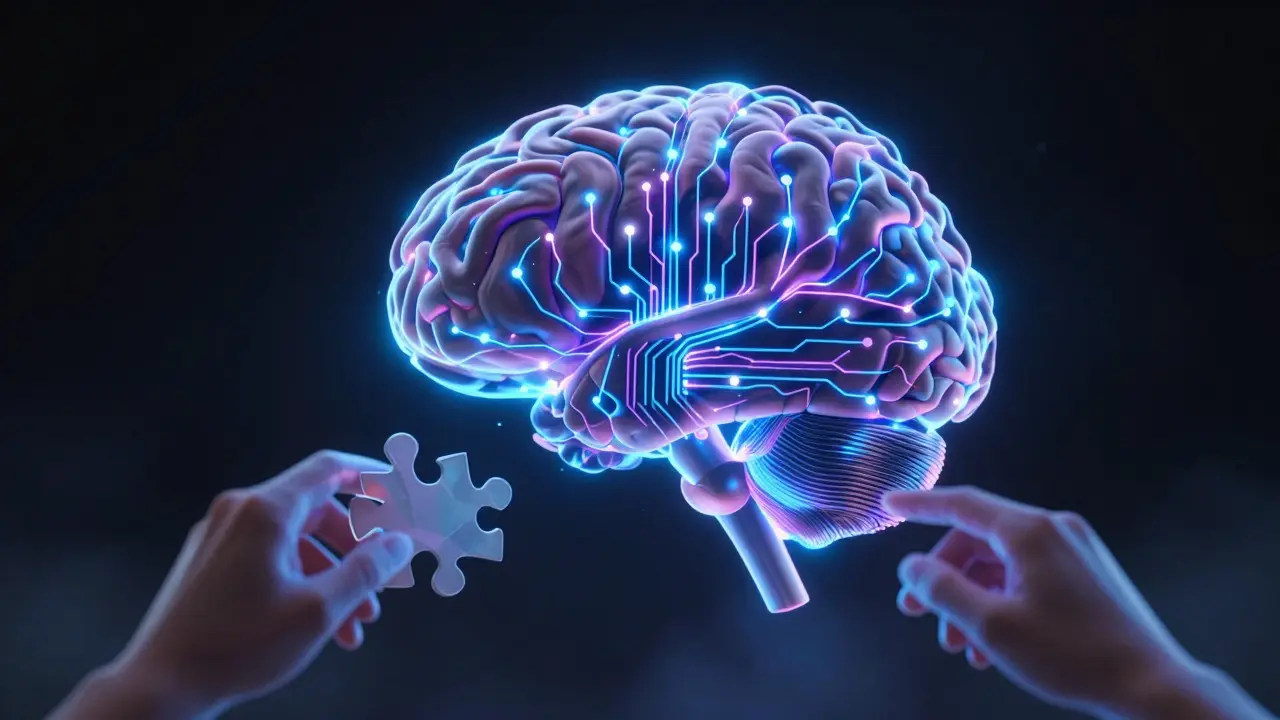
Ever feel like your brain gets stuck in a loop when things get complicated? You’re not alone. Most people think cognitive training is about doing boring math worksheets or memorizing random facts. But there’s a more engaging way to sharpen your mind: playing video games with intent. Specifically, healthy gaming acts as a powerful tool for developing problem-solving skills. It’s not just about killing monsters; it’s about learning how to think under pressure, manage resources, and adapt to changing environments.
The connection between gaming and brain health isn’t new, but the nuance matters. We aren't talking about passive consumption. We're discussing active engagement where every decision has a consequence. When you navigate a complex puzzle in a game, your brain fires up specific neural pathways that strengthen over time. This process, known as neuroplasticity, allows your brain to reorganize itself by forming new neural connections. In simple terms, you are literally building a better brain while having fun.
Why Gaming Works as Cognitive Training
To understand why this works, we have to look at what happens inside your head during gameplay. Traditional education often rewards one right answer. Games, however, reward experimentation. If you fail in a game, you usually respawn. This low-stakes failure environment encourages risk-taking and iterative learning. You try a strategy, it fails, you analyze why, and you try again. That cycle is the core of effective problem-solving.
Research from institutions like the University of Rochester has shown that action gamers develop superior attentional control. They can filter out distractions faster than non-gamers. This isn't magic; it's practice. Every time you track multiple enemies while managing your health bar, you are training your working memory and executive function. These are the same cognitive muscles you need when juggling deadlines at work or planning a family vacation.
- Working Memory: Holding multiple pieces of information in your head at once (e.g., enemy positions + inventory status).
- Cognitive Flexibility: Switching strategies quickly when the initial plan fails.
- Attention Control: Focusing on relevant details while ignoring noise.
The Role of Healthy Gaming Habits
Here is the catch: not all gaming creates these benefits. Binge-playing for eight hours straight without breaks can lead to mental fatigue, which actually hinders cognitive growth. This is where the concept of healthy gaming becomes critical. It’s about balance, intentionality, and physical well-being.
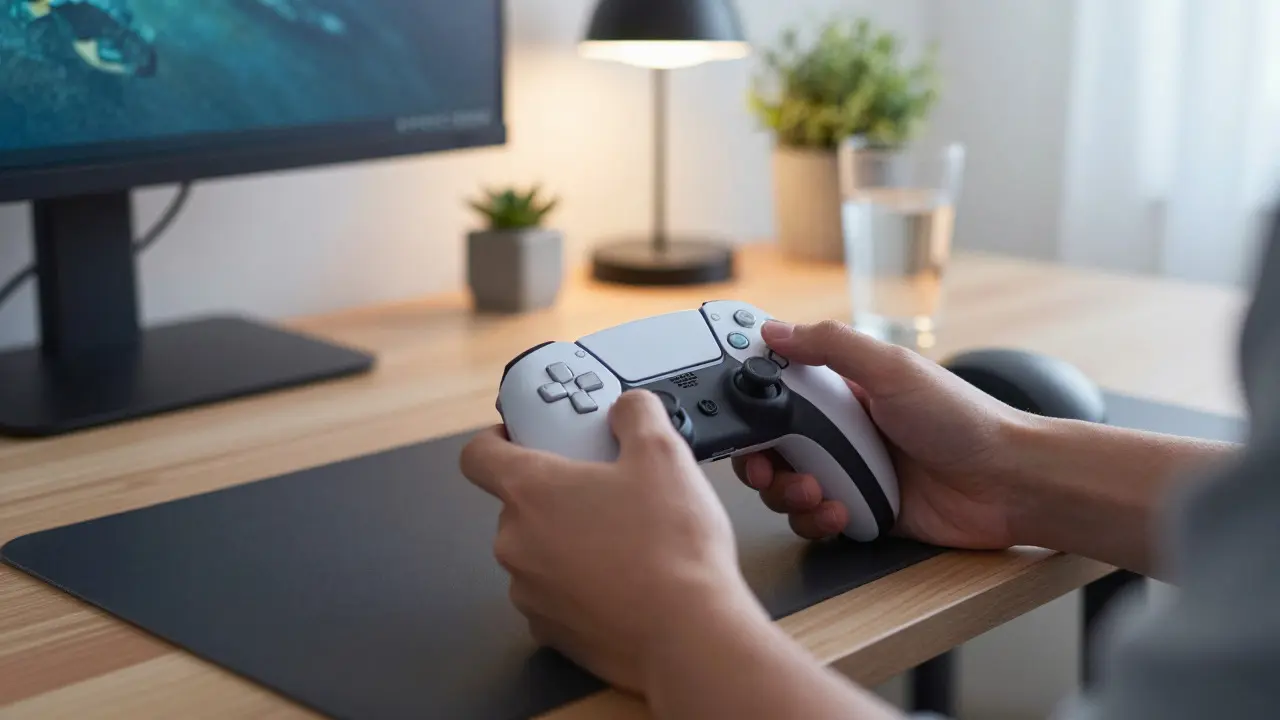
Think of it like going to the gym. If you lift weights but never sleep or eat properly, you won’t build muscle effectively. Similarly, if you play games but neglect hydration, posture, and rest, your cognitive gains will be minimal. A healthy gaming routine includes regular breaks, ergonomic setup, and a clear distinction between 'play' and 'work.'
For example, using the Pomodoro technique-25 minutes of focused play followed by a 5-minute break-can keep your brain fresh. During those breaks, step away from the screen. Look out a window, stretch, or drink water. This prevents eye strain and gives your prefrontal cortex a chance to reset. The goal is high-quality engagement, not just quantity of time spent.
Choosing the Right Games for Brain Power
Not every game trains the same cognitive muscles. Some titles are designed specifically for logic, while others focus on reaction speed or social coordination. To maximize problem-solving skills, you should choose genres that challenge different parts of your brain.
| Game Genre | Primary Cognitive Skill | Example Mechanics |
|---|---|---|
| Puzzle Games | Logical Reasoning & Pattern Recognition | Spatial manipulation, resource management |
| Strategy Games (RTS) | Planning & Multitasking | Unit management, long-term resource allocation |
| Action-Adventure | Decision Making Under Pressure | Combat timing, environmental exploration |
| Simulation Games | Systems Thinking | Complex cause-and-effect chains, optimization |
If you want to boost logical reasoning, start with puzzle games like Portal or The Witness. These titles force you to break down complex problems into smaller, manageable steps. On the other hand, if you struggle with multitasking, real-time strategy games like StarCraft or Civilization can help you learn to prioritize tasks efficiently. The key is to pick a genre that feels challenging but not frustrating. If you’re constantly stuck, you might be losing motivation rather than gaining skill.
Practical Steps to Start Your Cognitive Training
You don’t need a PhD in neuroscience to start benefiting from this approach. Here is a simple framework to integrate cognitive training into your daily life through gaming.
- Set a Time Limit: Decide on a specific duration for each session, such as 30 or 60 minutes. Use a timer to enforce boundaries. This prevents burnout and keeps sessions intense.
- Choose a Challenge Level: Pick a difficulty setting where you succeed about 70% of the time. This 'zone of proximal development' is where learning happens fastest. Too easy, and you get bored; too hard, and you give up.
- Reflect After Playing: Spend five minutes after your session thinking about what worked and what didn’t. Did you make a mistake because you rushed? Did you miss a clue? This reflection solidifies the learning.
- Mix Up Your Genres: Rotate between puzzle, strategy, and action games every few weeks. This ensures you are training a wide range of cognitive abilities rather than specializing in just one.
- Stay Physically Active: Combine gaming with movement. Stand-up desks, controller-based games, or even just walking around the house during breaks boosts blood flow to the brain.
Consistency beats intensity. Playing for 30 minutes every day is far more effective for long-term brain health than playing for five hours once a week. Your brain thrives on regular stimulation and adequate rest.
Common Pitfalls to Avoid
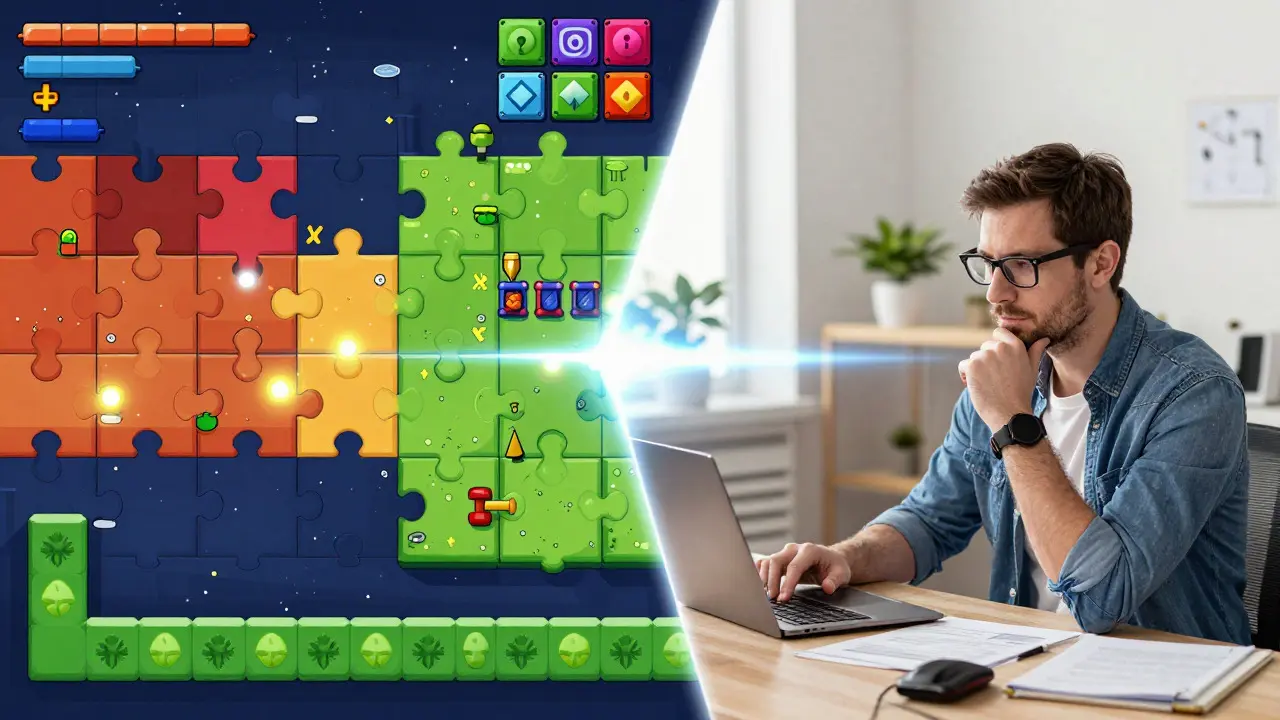
Even with the best intentions, people can fall into traps that negate the benefits of healthy gaming. One common mistake is treating gaming as pure escapism. If you use games solely to avoid real-life problems, you aren't solving them; you're postponing them. The cognitive benefits come from applying the structured thinking you practice in games to real-world scenarios.
Another pitfall is ignoring the social aspect. Many modern games are multiplayer experiences. Engaging with other players improves communication skills and emotional intelligence. Don't play in isolation if you can help it. Joining a community or playing with friends adds a layer of social cognitive training that single-player modes often lack.
Finally, watch out for screen dependency. If you find yourself unable to stop playing even when tired or stressed, it might be time to take a break. Balance is the defining characteristic of healthy habits. Listen to your body and mind.
Frequently Asked Questions
Do all video games improve problem-solving skills?
No. Passive games that require little decision-making offer limited cognitive benefits. Active games involving puzzles, strategy, or complex mechanics provide the strongest training for problem-solving skills.
How much time should I spend gaming for cognitive benefits?
Aim for 30 to 60 minutes of focused play per day. Consistency is more important than duration. Short, regular sessions with breaks are better than long, uninterrupted marathons.
Is gaming good for older adults?
Yes. Studies show that video games can help maintain cognitive flexibility and processing speed in older adults. Simple puzzle games or strategy titles are particularly beneficial for keeping the brain active.
What is the difference between healthy gaming and addiction?
Healthy gaming involves controlled play that enhances well-being, while addiction involves compulsive behavior that interferes with daily life. If gaming starts causing stress, sleep loss, or neglected responsibilities, it may be becoming unhealthy.
Can I combine gaming with other productivity techniques?
Absolutely. Using the Pomodoro technique, where you alternate between focused gaming sessions and short breaks, can enhance both enjoyment and cognitive retention. This method helps prevent mental fatigue.