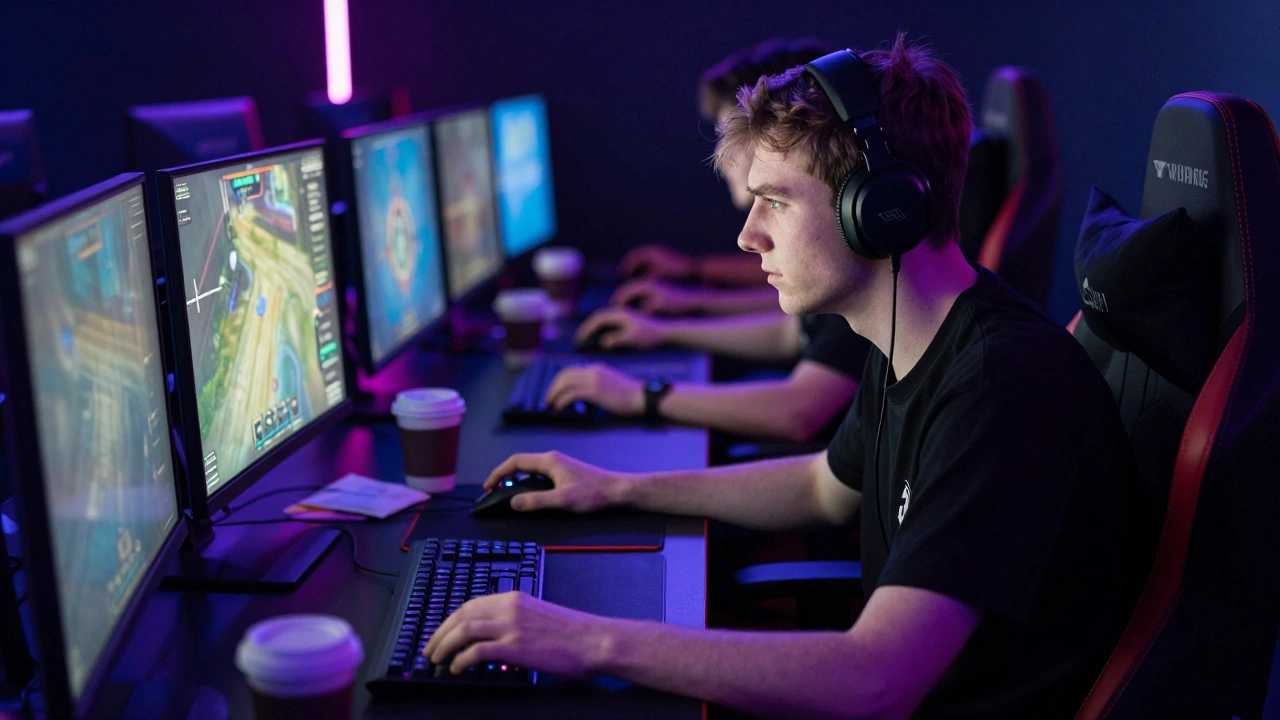
There is a moment when the screen stops glowing with promise and starts reflecting exhaustion. For one young player, the path from local tournaments to a global stage looked like a dream come true. But behind the highlight reels and the trophy photos, a different story was unfolding. This is not just about losing a game; it is about losing a life to the very thing that was supposed to build it. When professional gaming turns into addiction, the cost is often far higher than anyone expects.
The Rise: Chasing the Dream
It started like many others. A teenager discovers a competitive title and finds a natural talent. Esports is a form of competitive video gaming often involving professional players and large audiences. In 2024 and 2025, the industry saw record-breaking prize pools and mainstream recognition. For a skilled player, joining a team felt like signing a contract with destiny. The initial phase is intoxicating. You get a stipend, a gaming setup, and a team of coaches. You are told that your passion is now your profession.
The schedule is demanding but manageable at first. Practice sessions run from morning until night. The goal is simple: climb the leaderboard. Early wins validate the effort. A small tournament victory leads to a larger one. Sponsors start noticing. The player feels invincible. However, the environment creates a pressure cooker. The team expects consistency. One bad match can mean losing your spot on the roster. This pressure drives the need to practice more, to analyze every frame, to never let up.
The Shift: When Passion Becomes Compulsion
Somewhere along the line, the motivation changes. It stops being about love for the game and starts being about fear of failure. This is where Gaming Addiction is a behavioral condition characterized by an inability to control gaming habits despite negative consequences. It creeps in quietly. You skip a meal to finish a ranked match. You ignore a text from a friend because you are in the middle of a scrims. You feel anxious when you are not logged in. The dopamine hits from winning become the only thing that feels real.
The isolation is the most dangerous part. Professional gamers often live in team houses. While this sounds like a support system, it can become an echo chamber. Everyone is talking about the game. Everyone is grinding. There is no outside perspective. If you are tired, your teammates tell you to push through. If you are stressed, the coach tells you to focus. The boundaries between work and life dissolve completely. You are not living a life; you are serving the algorithm of the game.
The Career Collapse
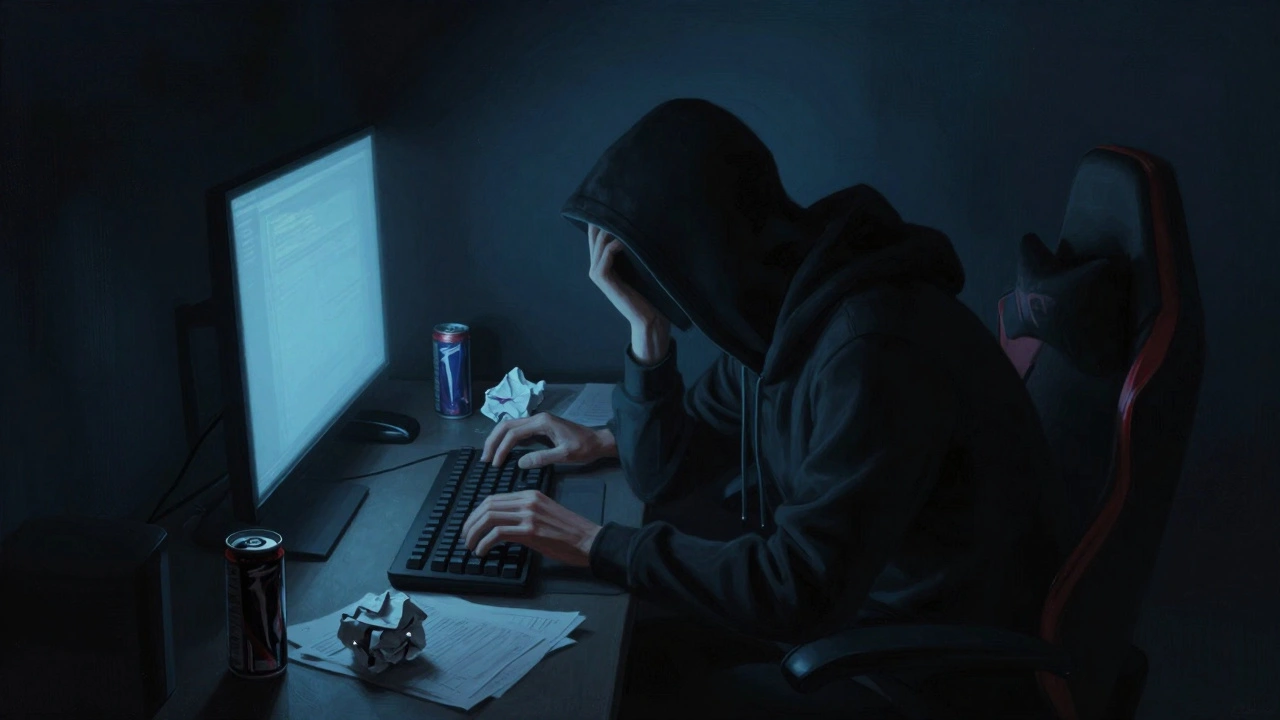
The turning point is rarely a single event. It is a slow erosion of performance. Reaction times slow down. Decision-making becomes clouded by fatigue. You start making mistakes that you used to be immune to. In the world of competitive gaming, margins are razor-thin. A missed shot in a crucial round can cost the team the championship. The management notices the decline. They pull you from the starting lineup. You are benched.
Then comes the financial reality. Sponsorships are agreements where companies pay athletes or teams for visibility and endorsement. These deals are performance-based. If you are not playing, you are not valuable. Brands pull out. The stipend gets cut. The fear of losing income drives you to try harder, which leads to more burnout. It is a vicious cycle. The career that was supposed to be the golden ticket becomes the chain that holds you down. You are stuck in a loop of trying to regain what you lost, but the addiction prevents you from seeing the solution.
| Aspect | Healthy Passion | Problematic Addiction |
|---|---|---|
| Time Management | Set practice hours with breaks | Playing until exhaustion, skipping sleep |
| Social Interaction | Balance with friends and family | Isolation, ignoring personal relationships |
| Emotional State | Frustration is manageable | Anger or depression when not playing |
| Performance | Improvement over time | Decline despite increased hours |
The Mental Toll
When the career ends, the identity crisis hits hard. You spent your teenage years and early twenties defining yourself by your rank and your role on a team. When that is stripped away, who are you? Mental Health is a state of well-being in which an individual realizes their own abilities and can cope with normal stresses of life. For many former pros, the answer is nothing. Anxiety and depression become constant companions. The brain has been rewired to seek the stimulation of the game. Real life feels dull and slow. Simple tasks like paying bills or going to the grocery store feel overwhelming compared to the high-stakes environment of a tournament.
The physical health issues also surface. Repetitive strain injuries from years of intense mouse and keyboard use cause chronic pain. Sleep patterns are permanently disrupted. Diet is often neglected in favor of energy drinks and fast food. The body takes the hit that the mind refuses to acknowledge. Recovery is not just about stopping the game; it is about rebuilding the body and the mind from the ground up.
Recovery and Moving Forward
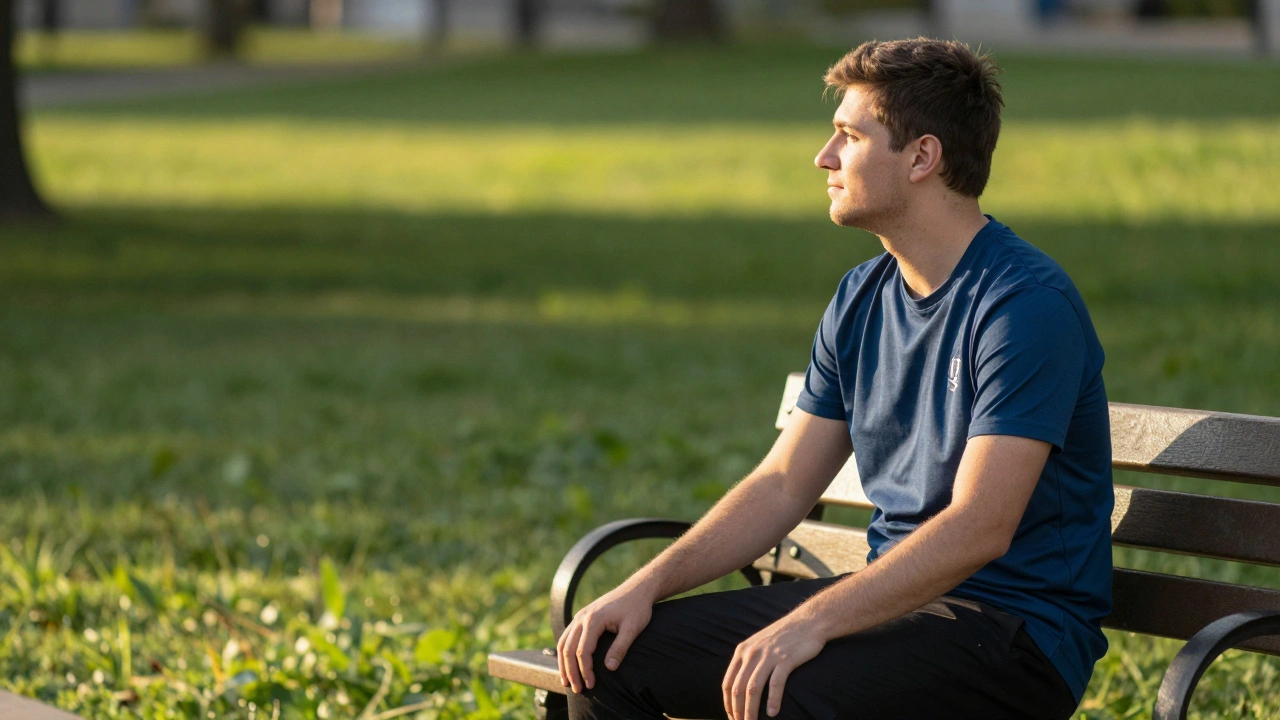
Getting out of the cycle requires a complete reset. It means walking away from the keyboard. For someone whose identity is tied to their gaming, this feels like death. But it is the only way to survive. Professional help is often necessary. Therapists who understand behavioral addictions can help reframe the relationship with the game. You learn to see gaming as a hobby again, not a job or a lifeline.
Some former players find success in coaching or content creation. They use their knowledge without the pressure of performance. Streaming is broadcasting gameplay live to an audience over the internet. This can be a viable path, but it requires a different mindset. You are entertaining, not competing. The stakes are lower. The pressure is off. Others choose to leave the industry entirely. They go back to school or start completely new careers. It is never easy, but it is possible.
Support systems are crucial. Family and friends who were pushed away need to be welcomed back. Rebuilding these relationships takes time and patience. You have to prove that you are present, not just physically but mentally. The journey back to a balanced life is long, but it is the only path that leads to a future.
Prevention for Aspiring Pros
For those looking to enter the scene, the warning is clear. Set boundaries before you start. Define what success looks like outside of the game. Have a plan B. The industry is volatile. Contracts are short-term. Injuries happen. Burnout is real. Treat your health as seriously as your aim. Sleep is not a weakness; it is a requirement. Nutrition is not optional; it is fuel. Social connections are not distractions; they are your safety net.
Teams and organizations also have a responsibility. They need to prioritize the well-being of their players. Mandated rest days are essential. Mental health support should be part of the standard contract. If the industry wants to grow, it needs to ensure that the people powering it can live healthy lives. The dream of professional gaming is valid, but it should not cost you your life.
How do you know if gaming is becoming an addiction?
Key signs include neglecting personal hygiene, losing interest in other hobbies, feeling irritable when not playing, and continuing to play despite negative consequences like failing school or losing a job.
Can a professional gaming career be sustainable?
Yes, but it requires strict discipline, a support system, and often a transition to roles like coaching or content creation as physical reflexes decline with age.
What are the common mental health issues in esports?
Common issues include anxiety, depression, burnout, and social isolation due to the high-pressure environment and sedentary lifestyle associated with competitive play.
Is it too late to recover after a career ends?
No, recovery is possible at any stage. It may require professional therapy and lifestyle changes, but many former players successfully rebuild their lives and find new passions.
How can parents support a child interested in pro gaming?
Parents should encourage balance, ensure education continues, monitor hours played, and maintain open communication about mental health and realistic career expectations.