
Imagine opening a casual puzzle game on your lunch break. You’ve been playing for two weeks, solving levels with ease, but recently the ads have changed. Instead of generic car commercials, you’re seeing targeted offers for stress-relief apps and premium coffee subscriptions. It feels personal, almost uncanny. This is psychographic targeting, a marketing strategy that goes beyond simple demographics like age or location to predict behavior based on personality traits, values, and emotional states. In the gaming industry, this technique has become a primary driver of monetization, yet it raises significant questions about consent, manipulation, and the boundaries of digital privacy.
For developers and publishers, psychographics offer a goldmine of insight. By analyzing how long a player pauses before making a decision, which color schemes they linger on, or how they react to failure, studios can build detailed profiles that predict purchasing habits with startling accuracy. However, when these predictions are used to serve ads, the line between helpful recommendation and subtle manipulation begins to blur. Players often feel they are being watched, not just tracked. The core ethical concern lies in whether players truly understand what data is being collected and how it influences their experience.
The Mechanics of Behavioral Profiling in Games
To understand the ethical weight of these practices, we first need to look at how the data is gathered. Unlike traditional web tracking that relies on cookies and click-through rates, in-game psychographics rely on real-time interaction data. Every tap, swipe, pause, and rage-quit contributes to a larger dataset. For example, a player who consistently chooses riskier options in a strategy game might be profiled as an "adventurer" or "high-risk tolerance" user. A player who spends excessive time reading lore might be tagged as "detail-oriented" or "immersion-focused."
These tags are then cross-referenced with external data sources, such as social media activity or previous app installations, to create a composite profile. This process, known as data enrichment, allows advertisers to target users with extreme precision. If a player shows signs of anxiety during high-difficulty levels, the ad network might serve them an ad for a meditation app rather than a competitive sports drink. While this seems benign, the implication is that your emotional state is being commodified without your explicit knowledge.
Where Consent Breaks Down
The most frequent criticism of psychographic targeting is the ambiguity of consent. Most mobile games require users to accept a Terms of Service agreement and a Privacy Policy before downloading. However, these documents are notoriously difficult to read. They rarely specify that every micro-interaction will be analyzed for personality traits. Instead, they use broad language like "improve user experience" or "personalize content."
This creates a consent gap. Players believe they are consenting to data collection for bug fixes or server optimization, not for deep psychological profiling. When a player sees an ad that references a specific frustration they had in-game five minutes prior, the surprise factor is high. This lack of transparency erodes trust. According to recent consumer behavior studies, over 60% of gamers report feeling uncomfortable when ads seem to know too much about their current mood or situation, even if the ad itself is relevant.

Manipulation vs. Relevance: The Thin Line
Is there a difference between showing a relevant ad and manipulating a player? Ethicists argue that the distinction lies in intent and outcome. Relevance serves the user by reducing friction; manipulation exploits vulnerabilities to drive immediate action. In gaming, where flow states and emotional engagement are key, this boundary is particularly fragile.
Consider a free-to-play battle royale game. A player who has just lost three matches in a row is likely experiencing frustration. A standard ad might show a new weapon skin. A psychographically targeted ad, however, might highlight a "comeback pack" or a service that offers coaching, tapping into the desire for redemption. If the player buys the pack, was it a free choice, or was it engineered? Critics point out that variable reward schedules, a staple of game design, combined with targeted ads, can trigger compulsive spending behaviors similar to those seen in gambling.
| Feature | Demographic Targeting | Psychographic Targeting |
|---|---|---|
| Data Source | Age, Gender, Location | Behavior, Emotion, Personality Traits |
| User Awareness | High (Explicitly shared) | Low (Inferred from actions) |
| Ethical Risk | Low (Standard practice) | Medium-High (Potential for manipulation) |
| Ad Relevance | Moderate | Very High |
| Consent Clarity | Clear | Ambiguous |
The Role of Third-Party Ad Networks
Rarely does a game studio handle all ad targeting in-house. Most rely on third-party networks like Unity Ads, IronSource, or Vungle. These platforms aggregate data across thousands of apps, creating a massive pool of behavioral insights. For the player, this means their data isn't just staying within one game ecosystem; it's flowing into a broader commercial infrastructure.
This aggregation increases the power of psychographic profiles but also dilutes accountability. If a player feels manipulated, who do they complain to? The game developer? The ad network? The data broker? The opacity of these supply chains makes it hard for consumers to exercise control. Furthermore, these networks often update their algorithms dynamically, meaning the criteria for targeting can change overnight without any notice to the user. This lack of stability makes it nearly impossible for players to form accurate mental models of how their data is being used.
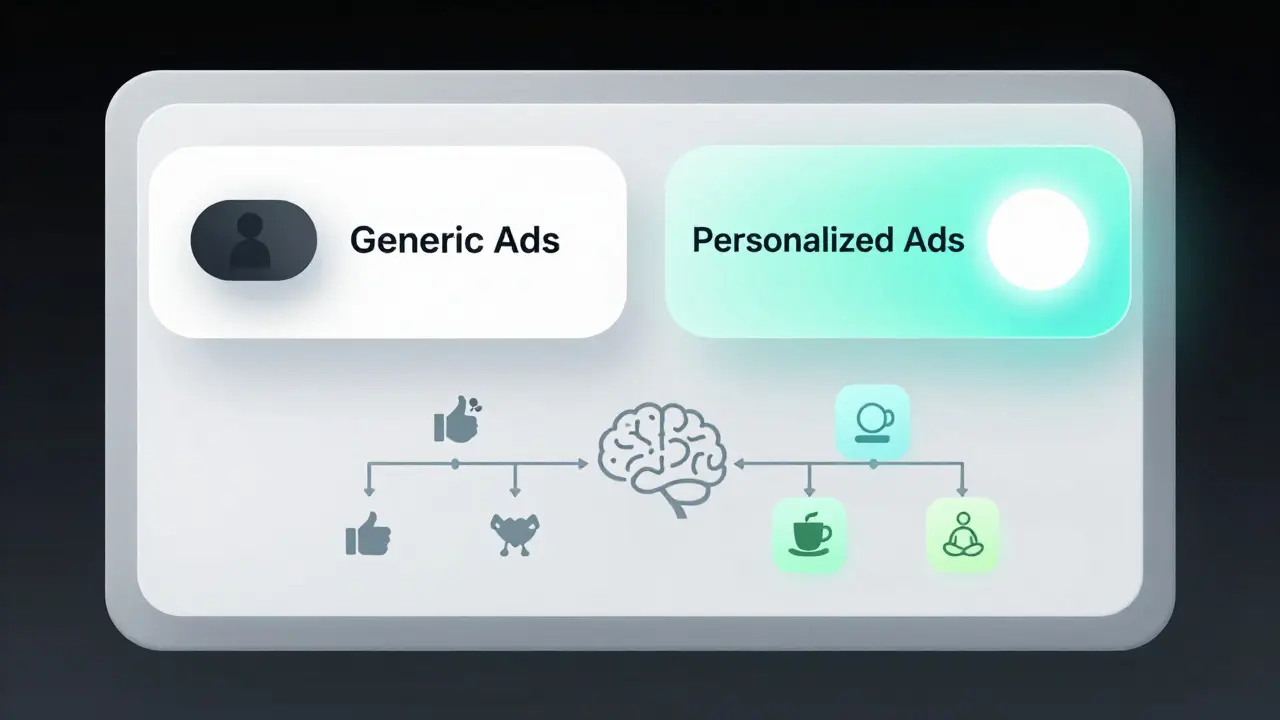
Building Ethical Frameworks for Future Monetization
So, how do we balance the financial needs of indie developers and the privacy rights of players? The answer isn't to ban psychographics, but to regulate its application. Several emerging best practices are gaining traction among ethical game designers:
- Transparent Opt-Ins: Instead of burying details in TOS, provide a clear, plain-language toggle for "Personalized Ads" vs. "Generic Ads." Let players choose the trade-off between relevance and privacy.
- Data Minimization: Collect only the data necessary for the specific ad objective. If you don't need to know a player's anxiety level to sell a skin, don't track it.
- Contextual Sensitivity: Avoid serving emotionally charged ads during critical gameplay moments. Respect the player's immersion and emotional state.
- Right to Explanation: Allow players to see why they received a specific ad. A simple "You saw this because you played strategy games last week" builds trust more effectively than silence.
Regulatory bodies are also taking notice. With the rise of GDPR in Europe and similar laws in California, the definition of "personal data" is expanding to include inferred characteristics. This legal shift forces companies to treat psychographic profiles with the same care as email addresses and phone numbers. For game developers, this is not just a compliance issue; it is a brand differentiator. Studios that prioritize ethical data handling are finding that players are more loyal and less likely to uninstall apps due to intrusive advertising.
Player Agency in the Digital Age
Ultimately, the goal of ethical psychographic targeting should be to enhance, not exploit, the player experience. When done right, personalized ads can fill dead space with content that actually interests the user, turning a disruptive interruption into a useful resource. But this requires a fundamental shift in mindset from viewing players as data points to viewing them as partners in the ecosystem.
As technology advances, the gap between the physical and digital self will continue to narrow. Our moods, habits, and preferences will become increasingly visible to algorithms. In this landscape, maintaining agency becomes crucial. Players must advocate for clarity, and developers must respond with respect. The future of game monetization depends not on how well we can guess what players want, but on how honestly we communicate how we know it.
What is psychographic targeting in video games?
Psychographic targeting in video games involves using player behavior, emotional responses, and interaction patterns to infer personality traits and preferences. These inferred traits are then used to deliver highly relevant advertisements, going beyond basic demographics like age or location.
Is psychographic targeting illegal in gaming?
Currently, it is not illegal in most regions, provided that general data protection laws are followed. However, regulations like GDPR in Europe are tightening definitions of personal data, which may soon require explicit consent for inferring sensitive psychological states. As of 2026, enforcement is increasing, but many jurisdictions still lack specific gaming-focused guidelines.
How can players reduce the impact of targeted ads?
Players can check the privacy settings within their device and the specific game to opt out of personalized advertising where possible. Using ad-blockers on mobile devices can help, though effectiveness varies. Additionally, clearing app cache periodically can reset some local behavioral tracking signals, though cloud-based profiles may persist.
Do psychographic ads always lead to better revenue for developers?
Generally, yes, because higher relevance leads to higher click-through rates and conversion. However, if the targeting feels manipulative, it can lead to negative reviews and higher uninstall rates. The long-term value of trust often outweighs the short-term gain of aggressive targeting.
What is the difference between contextual and psychographic ads?
Contextual ads are based on the current environment, such as the type of game being played or the time of day. Psychographic ads are based on the individual user's profile, including their past behavior and inferred personality. Contextual ads are generally considered less invasive because they don't require deep personal data analysis.