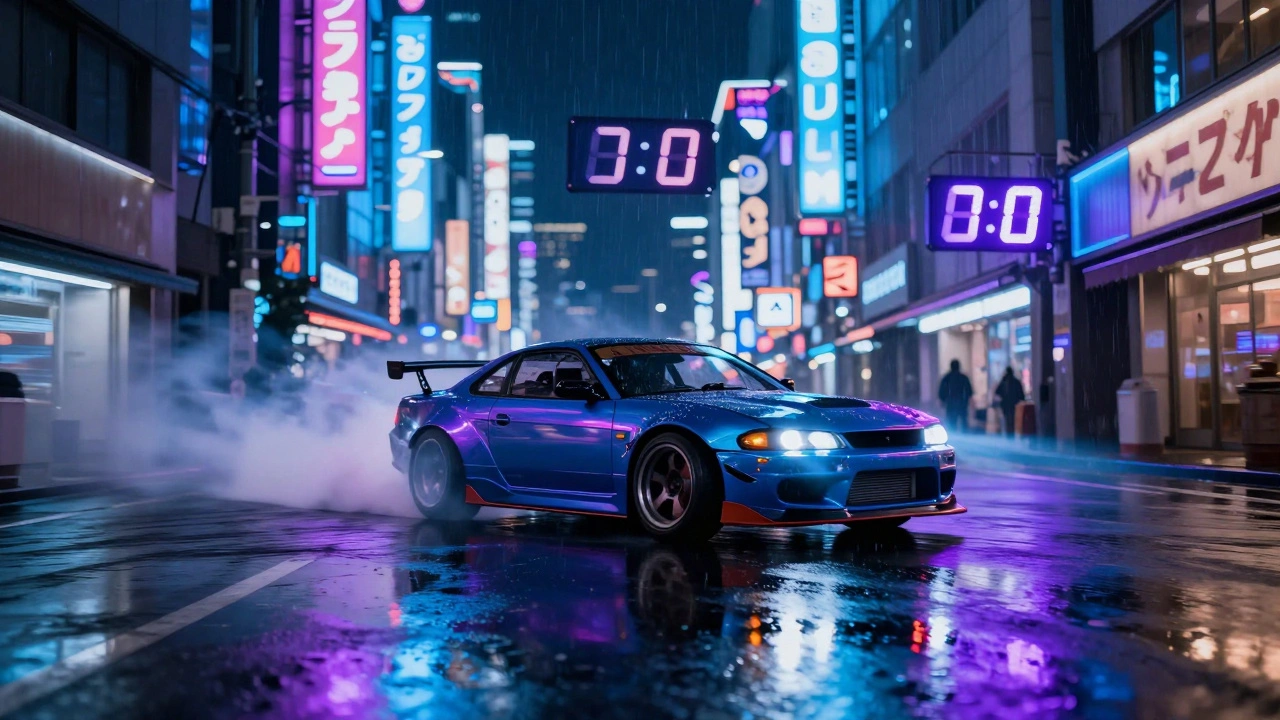
Every year, racing games do something strange. They don’t just release new cars or tracks. They drop限时 events that vanish in days-like a neon-lit drift race in Tokyo that disappears after 72 hours, or a snow-covered Alpine circuit that melts away by Valentine’s Day. And suddenly, your feed is full of friends showing off rare liveries, unlocked skins, and leaderboard spots you missed. That’s not luck. That’s FOMO engineered into every corner of the game.
What Makes Seasonal Events So Powerful in Racing Games?
Racing games don’t rely on storylines like RPGs. Their magic is in the moment. A perfect drift. A last-lap overtake. A time trial record that feels like yours alone. Seasonal events take that feeling and turn it into a countdown.
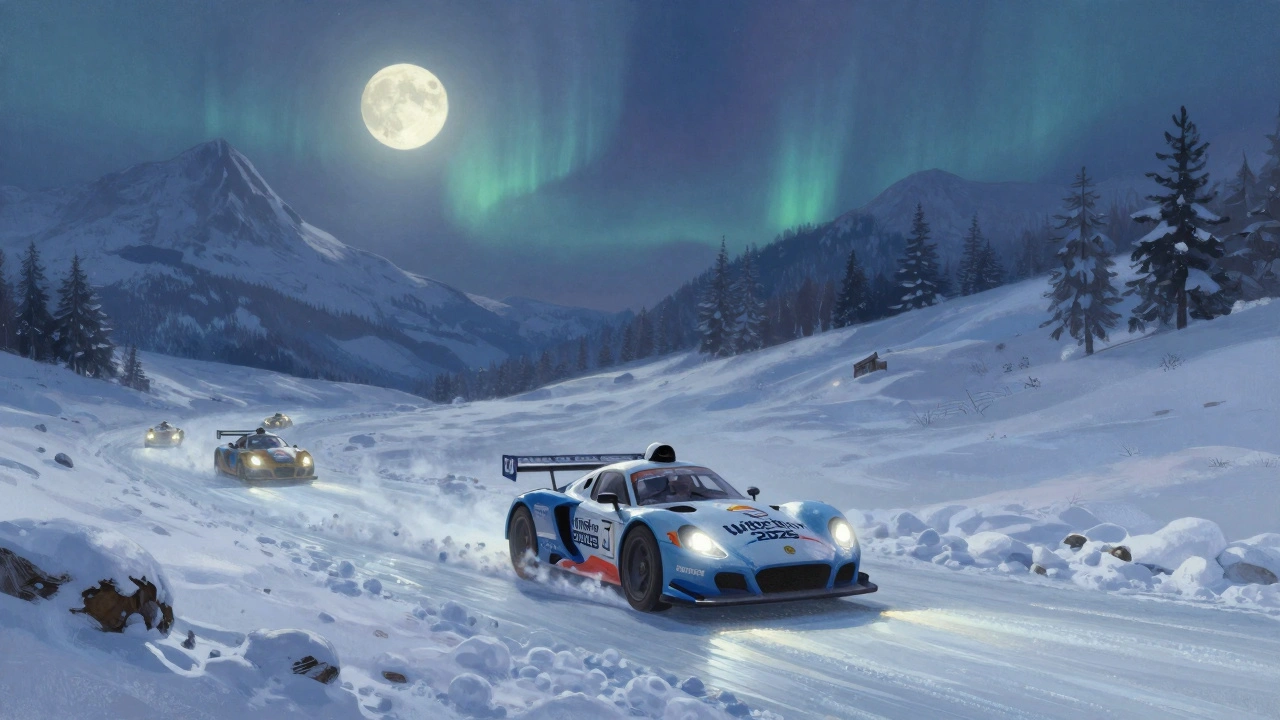
Look at Forza Horizon a open-world racing game developed by Playground Games and published by Xbox Game Studios. Every few months, they drop a new Festival. The Summer Series brings beachside circuits and convertible-only challenges. The Winter Storm turns mountains into icy obstacle courses. These aren’t just new maps-they’re time-limited experiences with exclusive rewards: a 1987 Lamborghini Countach you can’t buy in the dealership, a custom paint job that only 3% of players unlocked, or a badge that says "I survived the Blizzard Run".
It’s not about the car. It’s about the story behind it. That car? It was only available during the 2025 Winter Storm. If you didn’t log in between January 15 and February 10, you lost it. Forever.
The Psychology Behind FOMO in Racing Games
FOMO isn’t just a buzzword. It’s a behavioral loop built into the game’s architecture. Here’s how it works:
- Scarcity: Only 1,000 players can get the "Midnight Drift" skin. Once it’s gone, it’s gone.
- Progression: Daily challenges stack up. Miss one day? You fall behind. Miss three? You’re out of the running.
- Visibility: Your friends’ cars flash across the map with glowing badges. You see them. You know they got it. You didn’t.
- Social pressure: Discord servers, Reddit threads, TikTok clips-all scream "YOU MISSED IT".
It’s not enough to say "I don’t care." Your brain doesn’t believe you. Studies from the University of Michigan in 2024 showed that 68% of racing game players who missed a seasonal event reported feeling regret-even if they didn’t play the game again for months.
And the game knows it. The UI doesn’t just remind you. It highlights your friends’ progress. It shows a countdown. It plays a subtle chime every time someone unlocks a reward you haven’t. It’s designed to make you feel like you’re falling behind, even if you’re not.
How Developers Design These Events
It’s not random. Developers use real-world psychology to build these events:
- Event windows are 14-21 days long: Long enough to feel achievable, short enough to feel urgent. Anything longer loses tension.
- Peak rewards come at day 7: That’s when most players log in. Give them a big win, then tighten the screws.
- Hidden objectives: "Complete 5 drifts under 60 mph"? That’s not in the description. You have to figure it out. That creates community buzz.
- Weather and time-of-day shifts: Rain at night changes handling. A snowstorm at 3 a.m. makes racing harder. It’s not just visual-it’s mechanical.
Gran Turismo 7 a simulation racing game developed by Polyphony Digital and published by Sony Interactive Entertainment does this differently. Their events are tied to real-world racing calendars. The Monaco Grand Prix? They drop a replica circuit and a limited Ferrari F2004 just before the real race. It’s not just a game event-it’s a cultural moment.
What Happens When You Miss an Event
You don’t just lose a car. You lose status.
In Need for Speed: Unbound a racing game developed by Criterion Games and published by Electronic Arts, your garage isn’t just a collection of vehicles. It’s a social profile. Your friends see what you’ve unlocked. They see what you haven’t. A car with a "Winter Storm 2025" badge? That’s a trophy. Missing it? That’s a gap.
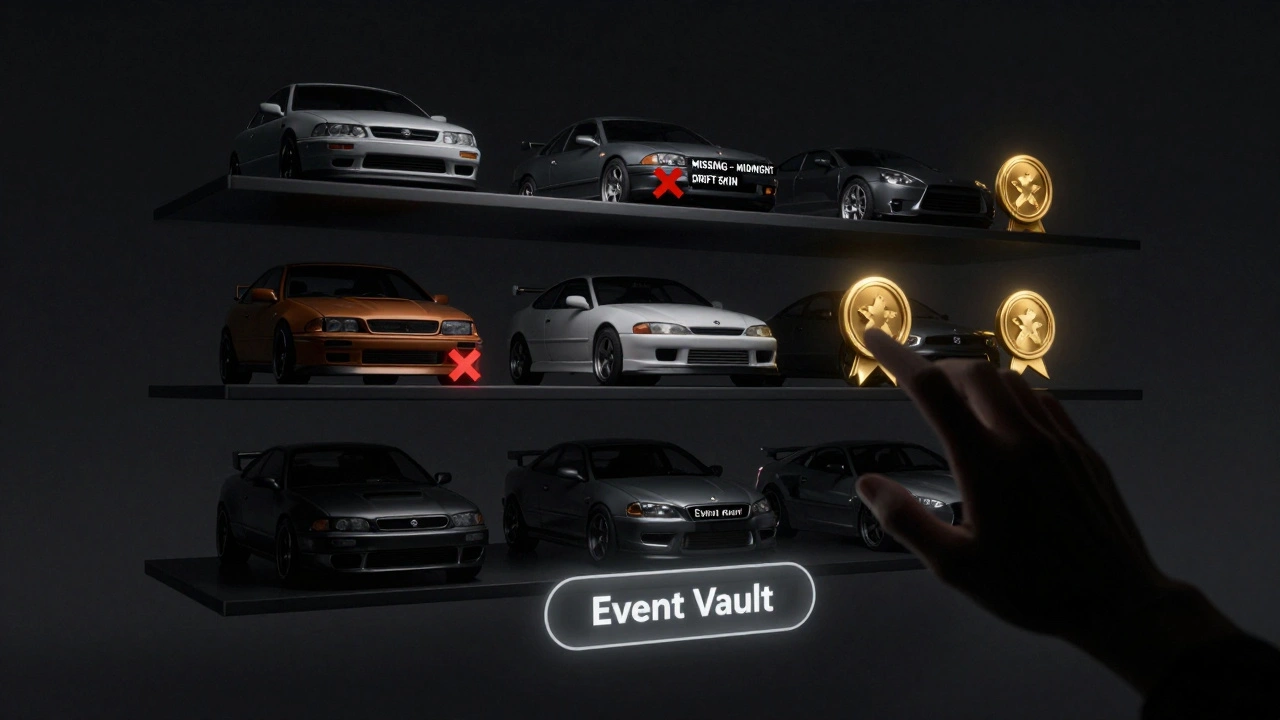
Some players buy the cars later with real money. Others wait for the "Event Vault"-a feature that sometimes brings back old events months later. But even then, the leaderboard is reset. The badge is gone. The glory is gone.
One Reddit user summed it up: "I didn’t care about the car. But when my brother posted his "Snow Queen" livery, I felt like I’d lost a race I never even entered."
How to Play Without Getting Trapped
FOMO isn’t evil. But it can turn fun into stress. Here’s how to stay in control:
- Set a play schedule: If you play 2 hours a week, block time for events. Don’t wait for "inspiration."
- Ignore the leaderboard: Focus on your personal best. Not the top 10.
- Use the "skip" option: Most games let you skip daily challenges. Use it. You don’t owe the game your time.
- Wait for the vault: Events return. Sometimes. Don’t panic if you miss one. The next one will be better.
- Remember: It’s a game. That car? It’s pixels. That badge? It’s code. Your time and peace of mind? Those are real.
There’s no shame in walking away. The game will still be there tomorrow. The event won’t.
Why This Keeps Racing Games Alive
Why do racing games still sell millions of copies every year? It’s not the graphics. It’s not even the physics. It’s the rhythm.
They give you a high. Then they take it away. Then they give you another chance. It’s dopamine on a timer. And it works.
Think about it: a racing game with no seasonal events is like a concert with no encore. You get the music, but you don’t get the memory. Seasonal events create those moments you talk about for years.
"Remember that time I got the Midnight Drift car? I had to race 17 times in one night. My hands were shaking. I didn’t sleep. But I won."
That’s the magic. Not the car. Not the track. The story.
Do seasonal events in racing games ever come back?
Sometimes, but rarely with the same rewards. Most games have an "Event Vault" or "Retro Events" section that brings back past content, but the exclusive badges, leaderboard rankings, and timed challenges are almost always gone for good. For example, Forza Horizon 5 brought back the original Festival map in 2025, but you couldn’t earn the original 2022 rewards again. The nostalgia is real-but the exclusivity isn’t.
Is it worth spending real money to buy missed event cars?
Only if you value the car as a collectible, not as a tool. Most event cars are functionally identical to ones you can buy normally. The difference is cosmetic: paint jobs, decals, and social status. If you care about showing off, it might be worth it. If you just want to race? Skip it. You won’t be slower.
Why do racing games use FOMO instead of just selling DLC?
Because FOMO keeps you playing every day. DLC is a one-time purchase. A seasonal event turns your game into a daily ritual. You log in to check progress. You race for 10 minutes to finish a challenge. You post on social media. That engagement is worth more to developers than a single $10 DLC sale. It’s a retention engine.
Can I avoid FOMO completely in racing games?
Yes-but it takes discipline. Turn off notifications. Mute Discord channels. Skip daily challenges. Play only when you feel like it. Some players thrive on this "slow play" style. Others feel left out. It’s personal. But if you want to enjoy racing without stress, you can. The game will still work. The world won’t end.
Are seasonal events the same across all racing games?
No. Open-world games like Forza Horizon use festivals with themed activities. Simulation games like Gran Turismo tie events to real-world racing calendars. Arcade games like Need for Speed focus on flashy, short-lived challenges with flashy rewards. Each style uses FOMO differently, but the goal is the same: make you feel like you’re missing out if you don’t play right now.