
You just spent $20 on a digital skin for a character you barely play. Two weeks later, the thrill is gone, your bank account looks thinner, and you’re staring at a credit card statement wondering what happened. Sound familiar? You aren’t alone. Microtransactions have reshaped how we pay for games, turning casual fun into a potential financial trap. But when that impulse buy turns into buyer’s remorse, things get messy fast. Many players try to undo the damage by filing a chargeback, only to find themselves banned from their favorite online worlds or facing fees they didn’t expect.
This isn’t just about losing a few dollars. It’s about understanding the mechanics of modern game monetization and why reversing payments is harder than it looks. If you’ve ever hit "buy" on a loot box or a battle pass and immediately wished you hadn’t, this guide breaks down exactly what happens next, why publishers hate chargebacks, and how to protect your wallet without losing your account.
Why We Buy What We Don’t Need
Before we talk about money leaving your account, let’s look at why it left in the first place. Game developers are experts at psychology. They design systems that trigger dopamine hits similar to slot machines. When you open a loot box or unlock a new tier in a Battle Pass, your brain gets a reward signal. This is known as variable ratio reinforcement-the same principle that keeps people pulling levers in casinos.
The problem arises when the cost outweighs the perceived value after the purchase. Maybe you bought a $15 cosmetic item because it looked cool during a livestream. Once you own it, the novelty fades quickly. You realize you can’t trade it back, and there’s no return policy for digital goods. This gap between expectation and reality creates buyer’s remorse. Unlike buying a shirt at a store where you can walk back in with a receipt, digital purchases are often final. The publisher’s Terms of Service usually state that all sales are non-refundable once the content is delivered. And since the content was delivered instantly, you technically got what you paid for, even if you don’t want it anymore.
The Chargeback Trap: How It Works
When traditional refunds fail, many gamers turn to their credit card companies. A chargeback is essentially a forced refund initiated by the bank, not the merchant. You tell your bank, "I didn’t authorize this," or "The service wasn’t as described," and they pull the money back from the game company.
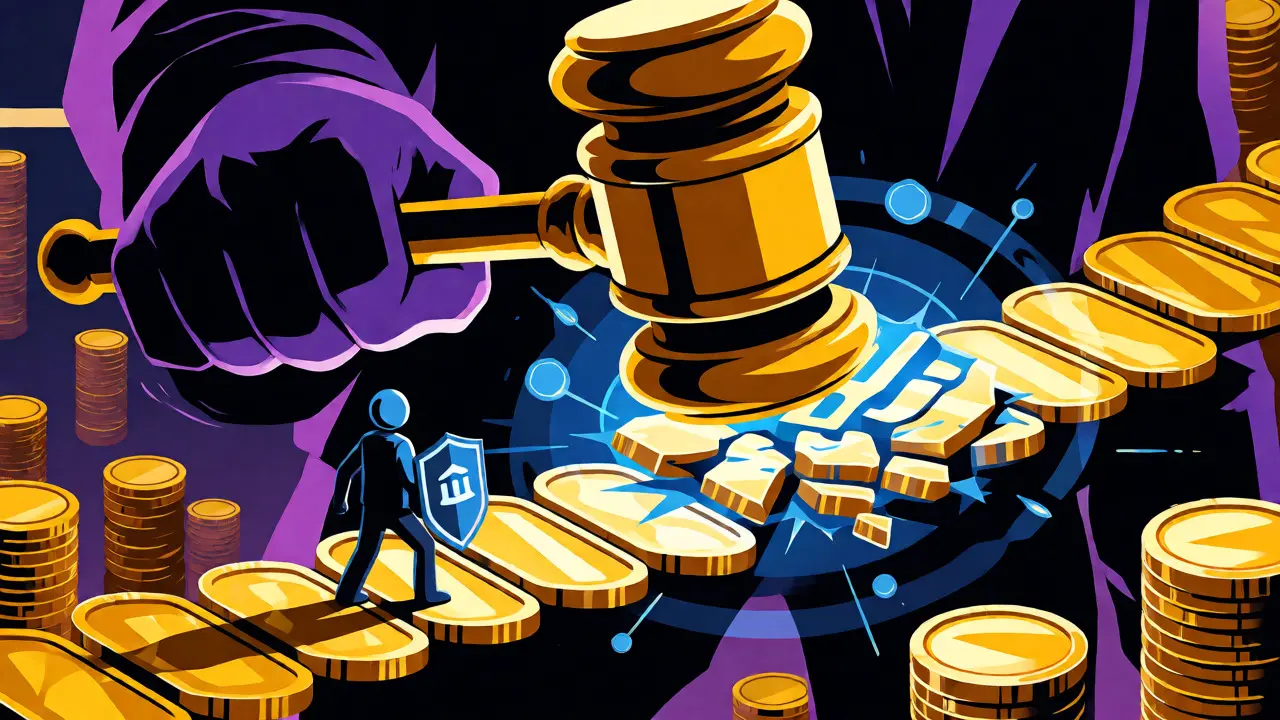
Here is the critical mistake most players make: they assume a chargeback is just a polite request for money back. It isn’t. To payment processors like Visa and Mastercard, a chargeback is an accusation of fraud or failure. When you file one against a legitimate purchase-say, you simply changed your mind-you are flagging the transaction as disputed. Game publishers track these disputes closely. If you dispute too many transactions, your name ends up on internal blocklists.
Consider this scenario: You buy a $99 expansion pack. You play it for ten minutes, decide it’s boring, and file a chargeback claiming the product was defective. The publisher sees this pattern. They know the server logs show you logged in and played. To them, this looks like abuse. Consequently, they may ban your account permanently. You get your $99 back, but you lose access to hundreds of hours of progress and other purchased items worth thousands of dollars. Is it worth it?
Publisher Policies vs. Bank Rules
There is a massive disconnect between what banks allow and what game companies tolerate. Banks prioritize consumer protection. They want to ensure you aren’t being scammed. Game companies, however, operate under strict anti-fraud rules set by card networks. High chargeback rates can cause a merchant to lose their ability to process credit cards entirely. This is called exceeding the "fraud threshold."
| Method | Success Rate | Account Risk | Speed |
|---|---|---|---|
| In-Store Refund | Low (if >48 hours) | None | 3-5 Days |
| Customer Support Ticket | Medium (case-by-case) | Low | 7-14 Days |
| Chargeback | High (Bank decides) | Extreme (Ban risk) | 30-60 Days |
Major platforms like Steam, PlayStation Network, and Xbox Live have explicit clauses stating that filing a chargeback on a valid purchase results in immediate suspension or termination of the user account. They don’t need to prove you lied; the act of disputing a clean transaction violates their terms. This means you might win the money war with your bank but lose the gaming war with the publisher.
The Hidden Costs of Disputes
Filing a chargeback isn’t free for anyone involved. For you, the direct cost might be zero, but the indirect costs are steep. First, there’s the time investment. Gathering screenshots, transaction IDs, and proof of purchase takes effort. Then there’s the waiting game. Chargebacks take weeks, sometimes months, to resolve. During this time, your funds are frozen, and your account status is uncertain.
For smaller indie developers, a single chargeback can be devastating. Payment processors charge merchants a fee (often $15-$25) for every dispute, regardless of who wins. If a small studio sells a $5 item and faces a $20 dispute fee, they lose money on a successful sale. This dynamic has led some smaller games to adopt stricter policies, refusing to engage with customers who threaten chargebacks. You might find yourself locked out of a community forum or removed from a beta test program solely due to a billing dispute history.
How to Avoid Regret Before You Click Buy
The best way to handle chargebacks is to avoid needing them. Here are practical steps to keep your finances healthy while enjoying modern games:
- Set a Monthly Cap: Treat in-game spending like a subscription. Decide beforehand how much you will spend per month. Use separate debit cards or prepaid gift cards loaded with that exact amount. When the card runs dry, you stop spending. This physical barrier stops impulsive clicks.
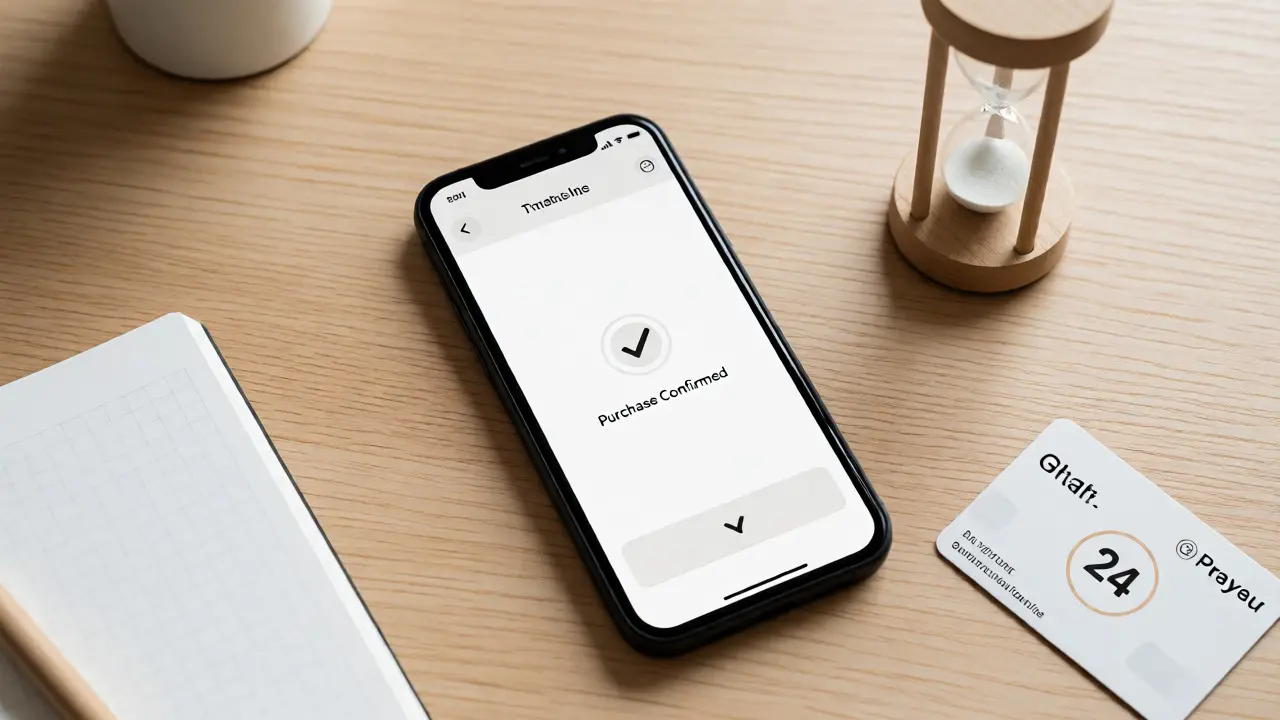
- The 24-Hour Rule: If you see a limited-time offer, wait 24 hours before buying. Often, the urgency fades, and you realize you don’t actually want the item. Loot boxes and flash sales rely on FOMO (Fear Of Missing Out). Waiting kills FOMO.
- Check Return Windows: Some platforms, like Steam, allow refunds within 14 days if you’ve played less than two hours. Know these numbers. If you miss the window, do not file a chargeback. Accept the loss and move on.
- Use Parental Controls for Kids: If children are playing, enable spending limits. Many chargebacks filed by parents happen because kids made unauthorized purchases. These are legitimate disputes, but they still require documentation. Prevention is easier than proving a child clicked the button.
What to Do If You Already Filed a Chargeback
If you’ve already pulled the trigger on a dispute, don’t panic, but act fast. Contact the game publisher’s customer support immediately. Explain that you filed the dispute in error or that you misunderstood the policy. Ask if they can reverse the chargeback internally. Sometimes, if you catch it early enough, they can work with the processor to cancel the dispute before it becomes permanent.
If the account is already suspended, check your email for a notification. Publishers usually provide a path to appeal. You may need to repay the disputed amount plus any processing fees to restore your account. It feels unfair, but it’s cheaper than starting over in a game with 500 hours of progress. Read the specific terms of service for your platform. Nintendo, Sony, Microsoft, and Valve all handle this differently. Knowing the specific rule for your ecosystem saves time.
The Future of Gaming Payments
The industry is reacting to the backlash against aggressive monetization. We are seeing a shift toward more transparent pricing models. Games are moving away from random loot boxes toward direct purchases, where you know exactly what you are getting. Additionally, some regions are implementing laws requiring clearer disclosure of odds and total costs. As consumers become more financially literate regarding digital goods, the tolerance for hidden fees and surprise charges decreases.
Ultimately, the power lies with you. Your credit card company gives you leverage, but using it recklessly burns bridges. Respect the ecosystem you enjoy. Pay for what you love, skip what you don’t, and save the nuclear option of a chargeback for genuine errors, not cold feet.
Can I get a refund for a digital game purchase after 30 days?
Generally, no. Most major platforms like Steam, PlayStation, and Xbox have strict windows, typically 14 days for games and shorter periods for DLC or in-game currency. After this period, the sale is considered final unless there was a technical error preventing you from accessing the content.
Will my game account be banned if I file a chargeback?
Yes, there is a high risk. Most Terms of Service agreements state that filing a chargeback on a valid transaction constitutes a breach of contract. This can lead to temporary suspension or permanent termination of your account, resulting in the loss of all purchased content and progress.
Are accidental purchases by children eligible for chargebacks?
Often, yes, but it requires proof. You must demonstrate that the user was a minor and did not have authorization. Platforms like Apple and Google have specific processes for refund requests involving minors, which are often handled directly through their support teams rather than via bank chargebacks to avoid account bans.
How long does a chargeback investigation take?
It varies by bank and card network, but typically ranges from 30 to 90 days. During this time, the merchant has a limited window to submit evidence proving the transaction was valid. If they fail to respond or their evidence is weak, you win the dispute automatically.
Is it better to contact support or file a chargeback first?
Always contact support first. It preserves your relationship with the publisher and avoids the negative mark on your account profile. Support agents often have discretion to issue goodwill refunds that automated systems deny, whereas a chargeback removes all discretion and triggers automatic penalties.