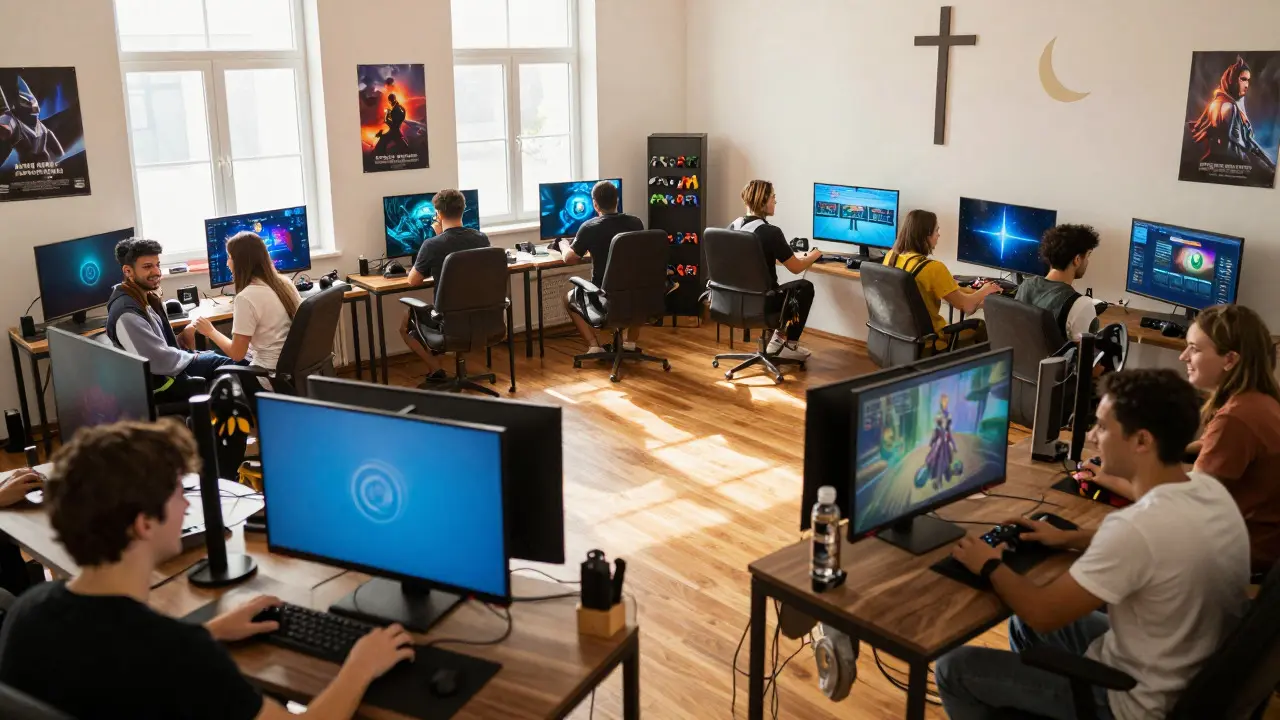
For decades, a persistent stereotype followed the average video game player: they were isolated, secular, and often viewed with suspicion by traditional communities. That image is rapidly dissolving. Today, religious communities are not just participating in gaming culture; they are reshaping it. From evangelical youth groups using Minecraft for Bible studies to Catholic parishes hosting esports tournaments, the intersection of faith and play has become a significant demographic shift. Understanding this dynamic requires looking beyond simple morality debates and into the data that reveals how belief systems influence media consumption habits.
The core tension here isn't about whether games are "good" or "bad." It's about integration. How do specific denominations view the medium? Which religious groups have the highest penetration rates in the gaming market? And how do these attitudes vary across different age brackets within those communities? The answer lies in a complex mix of theological interpretation, generational change, and social belonging.
Breaking Down the Demographic Landscape
To understand the current state of play, we need to look at who is actually playing. Historical surveys from organizations like the Pew Research Center and various industry analysts show that religious affiliation does not significantly reduce gaming participation compared to non-religious peers, but it does alter the *type* of engagement. Evangelical Protestants, for instance, have shown some of the highest rates of daily gaming among adults under 35, driven by strong community structures that normalize group activities, including digital ones.
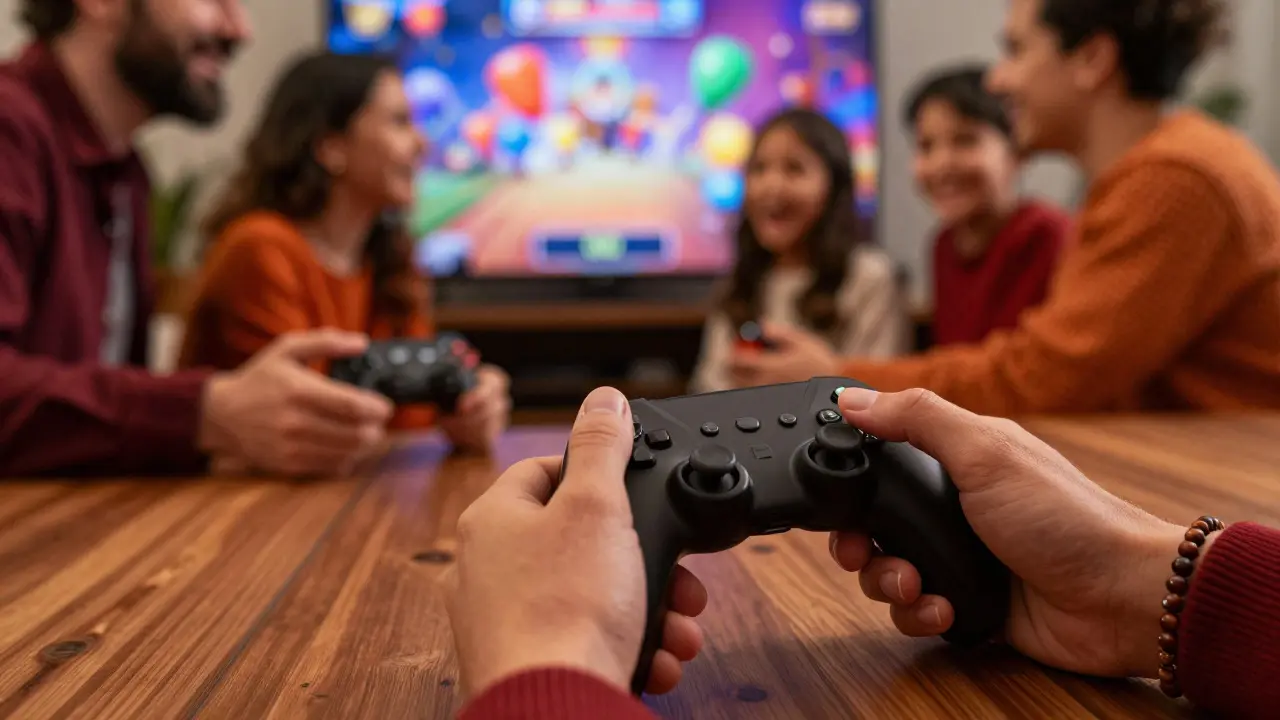
Catholic and Orthodox Christian demographics tend to show slightly lower rates of solo, competitive gaming but higher participation in family-oriented or cooperative titles. This distinction is crucial. It suggests that while the barrier to entry (the hardware) is universal, the social context dictates the preference. In many conservative religious households, gaming is treated as a communal activity rather than an individual hobby, which shifts the market demand toward multiplayer experiences that reinforce social bonds rather than isolate them.
- Evangelical Protestantism: High engagement in mobile and console gaming; strong emphasis on educational or narrative-driven content.
- Catholicism: Moderate engagement; high preference for family-friendly and strategy games; strong presence in Latin American markets where gaming culture is booming.
- Orthodox Christianity: Lower overall volume but growing interest in immersive storytelling; often viewed through a lens of spiritual metaphor rather than pure entertainment.
- Muslim Communities: Rapidly growing segment; specific concerns regarding representation and haram elements (gambling mechanics), leading to a niche market for "halal-certified" or ethically clean games.
Theological Frameworks: Sin, Stewardship, and Time
Attitudes toward gaming are rarely based on a single rulebook. Instead, they stem from broader theological concepts. For many Christian traditions, the debate centers on stewardship of time. If a game consumes hours that could be spent in prayer, service, or rest, is it a waste? This is a practical question, not necessarily a moral one. However, when games introduce elements perceived as morally ambiguous-such as excessive violence, sexual imagery, or gambling mechanics-the conversation shifts to moral stewardship.
In Islamic jurisprudence, the concept of halal (permissible) and haram (forbidden) applies directly to gaming mechanics. Games containing real-money gambling, interest-based financial systems, or depictions of forbidden acts can be problematic. This has led to the emergence of certification bodies that review games for compliance with Islamic principles. Similarly, in Jewish thought, the concept of shabbat creates a natural boundary for gaming, as screen use is often restricted during the day of rest, creating a weekly rhythm of disconnection.
Buddhist and Hindu perspectives often focus less on prohibition and more on intention. Is the game fostering mindfulness or distraction? Does it promote compassion or aggression? These frameworks allow for more fluid interpretations, meaning that a violent action game might be acceptable to a Buddhist player if played with a mindful attitude, whereas a casual puzzle game might be criticized by a strict Calvinist for lacking "purpose."

Generational Shifts Within Faith Communities
Perhaps the most significant factor influencing attitudes is generational turnover. The "Baby Boomer" generation, who dominated church leadership in the late 20th century, largely viewed gaming with skepticism. Their children, the Millennials, grew up alongside the rise of personal computers and consoles. Now, Gen Z, the current primary demographic for mobile and cloud gaming, is inheriting these roles. As younger leaders emerge, the institutional stance on gaming softens considerably.
We are seeing a phenomenon where young pastors and imams actively incorporate gaming into their ministry tools. A survey conducted in 2024 by a major US religious polling agency found that 68% of clergy under the age of 40 play video games regularly, compared to only 22% of those over 60. This gap indicates that the next generation of religious leaders will likely view gaming as a neutral or even positive tool for community building, rather than a threat to spiritual discipline.
This shift also affects marketing. Game developers are increasingly aware of these demographic nuances. Titles that feature diverse characters, inclusive narratives, or low-violance options are finding stronger resonance in religious markets. The success of games like Minecraft, which serves as both a creative sandbox and a platform for religious education, exemplifies this crossover appeal.
Market Implications and Industry Responses
For the gaming industry, understanding religious demographics is no longer just a niche curiosity; it's a market opportunity. The global gaming market is projected to exceed $250 billion by 2027, and religious communities represent a substantial portion of this consumer base. Ignoring their specific preferences means missing out on loyal customer segments.
| Group | Primary Concern | Preferred Genre | Gaming Context |
|---|---|---|---|
| Evangelical Protestant | Time management & Content morality | Narrative RPGs, Strategy | Group/Family |
| Catholic | Community building & Family values | Sports, Party Games | Family/Multiplayer |
| Muslim | Halal compliance & Representation | Action-Adventure, Mobile | Individual/Small Group |
| Jewish | Shabbat boundaries & Educational value | Puzzle, Simulation | Individual/Educational |
Developers are responding by offering more granular control settings. Options to disable blood effects, rename weapons to non-lethal terms, or adjust music tracks to avoid certain instruments are becoming standard features in major AAA titles. These small accommodations signal respect for diverse worldviews without alienating the mainstream audience.
Challenges and Misconceptions
Despite the progress, misconceptions persist. Many still assume that religious people are anti-gamer. This bias leads to poor targeting in advertising and missed opportunities in community outreach. Conversely, some within religious circles fear that embracing gaming will lead to secularization. They worry that if the church accepts the medium, it loses its critical edge.
Another challenge is the lack of standardized rating systems that account for religious sensibilities. While ESRB ratings cover violence and language, they don't address theological implications. This leaves parents and community leaders to make individual judgments, which can lead to inconsistency and confusion. There is a growing call for supplementary guides or community-reviewed databases that provide deeper context for families making purchasing decisions.
Frequently Asked Questions
Do religious people play fewer video games than non-religious people?
Not necessarily. Recent data shows that participation rates are similar across many groups, especially among younger generations. The difference lies more in the type of games played and the social context (e.g., family vs. solo) rather than the total amount of time spent gaming.
What are the main concerns for Muslim gamers?
The primary concerns usually revolve around halal compliance. This includes avoiding games with real-money gambling, interest-based economic systems, or explicit depictions of forbidden acts. Positive representation of Muslim characters is also a significant factor in purchasing decisions.
How do churches use video games today?
Many churches use games like Minecraft or Roblox for youth ministry, creating virtual worlds for Bible study or team-building exercises. Some also host local esports leagues to foster community connection among teens who might not otherwise attend traditional events.
Is there a specific genre preferred by religious communities?
While preferences vary by denomination, cooperative and narrative-driven games tend to perform well. These genres encourage teamwork and emotional investment, aligning with values of community and storytelling that are central to many religious traditions.
Will the stigma against gaming in religious circles disappear?
It is already fading rapidly. As older generations retire from leadership roles and younger, tech-savvy leaders take over, the stigma is being replaced by pragmatic acceptance. Within the next decade, gaming is likely to be viewed as a standard part of cultural life within most major religious institutions.