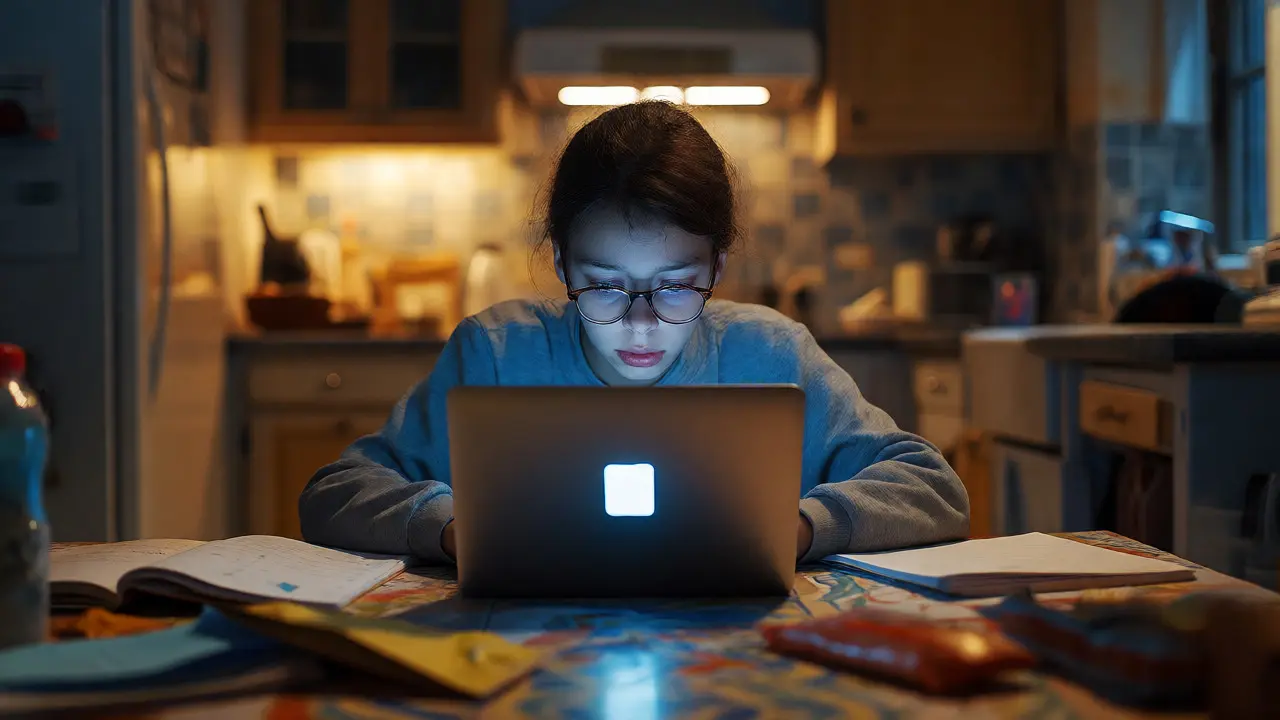
You remember the early days of remote learning, right? The novelty of pajama pants during class calls quickly faded, replaced by a new reality: staring at glowing rectangles for eight hours straight. It wasn't just about missing friends; it was a fundamental shift in how young bodies and brains processed information. As we look back from October 2026, the data is stark. Remote schooling didn't just change education logistics-it triggered a measurable spike in screen time risks among youth, creating a public health challenge that schools and parents are still navigating today.
The Shift from Passive to Active Digital Consumption
Before the pandemic, "screen time" usually meant passive entertainment-watching cartoons or playing games. Remote schooling turned screens into essential tools for survival in an academic environment. This distinction matters because active cognitive engagement on digital devices often leads to different physiological responses than passive viewing. When students attended virtual classes, they weren't just watching; they were reading text, typing assignments, and navigating complex interfaces simultaneously. This increased the cognitive load and reduced natural breaks. Unlike traditional classrooms where a student might stand up, walk to the whiteboard, or pass a note, the virtual classroom locked them in place. The result? A dramatic increase in continuous focus periods without physical movement, directly impacting posture and eye health.
Digital Eye Strain: The Silent Epidemic
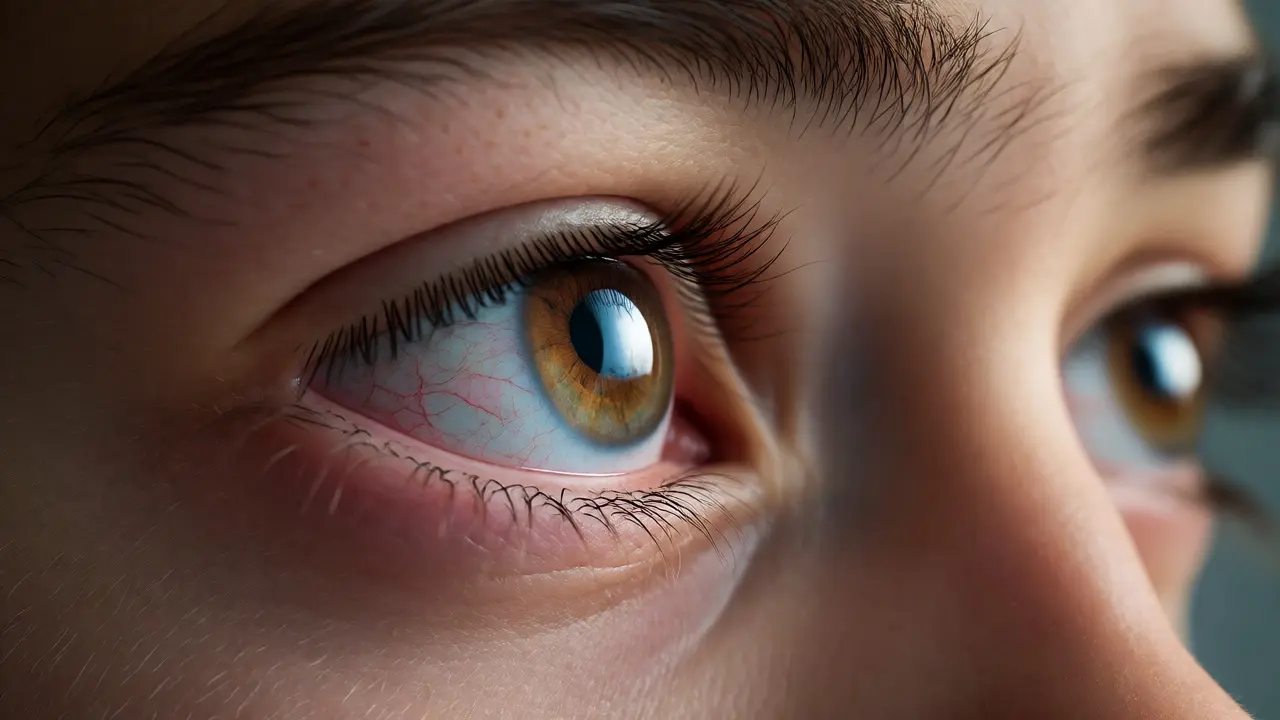
If you've ever felt your eyes burn after a long day of coding or gaming, you know what Digital Eye Strain (DES) feels like. For students transitioning to remote learning, this became a daily companion. DES, also known as Computer Vision Syndrome, includes symptoms like dry eyes, blurred vision, headaches, and neck pain. Why did this surge happen? It comes down to blink rate. Studies indicate that when people focus on digital screens, their blink rate drops by up to 60%. Less blinking means less lubrication for the cornea, leading to irritation. Furthermore, the proximity to screens during remote school was often closer than in a traditional classroom setting. Students huddled over laptops on kitchen tables, straining their ciliary muscles to maintain focus on near-field objects for hours. This sustained accommodation stress has contributed to a noticeable rise in myopia progression rates among adolescents since 2020.
Sedentary Behavior and Physical Health Decline
Let's talk about the body. Traditional schooling provided incidental exercise: walking to bus stops, changing classrooms, participating in PE, and recess. Remote schooling stripped these away. The concept of Sedentary Lifestyle took on a literal meaning. Many students reported sitting for six to nine hours a day, broken only by bathroom trips or grabbing snacks. This lack of movement affects more than just weight management. Prolonged sitting alters blood flow, reduces metabolic activity, and weakens core muscles. We started seeing an uptick in complaints about lower back pain in teenagers-a demographic that rarely complained of such issues before. The ergonomic setup of most home learning environments was also poor. Kitchen chairs aren't designed for eight-hour workdays, leading to slouching and forward head posture, which further exacerbates tension headaches and spinal misalignment.
Mental Health and Sleep Disruption
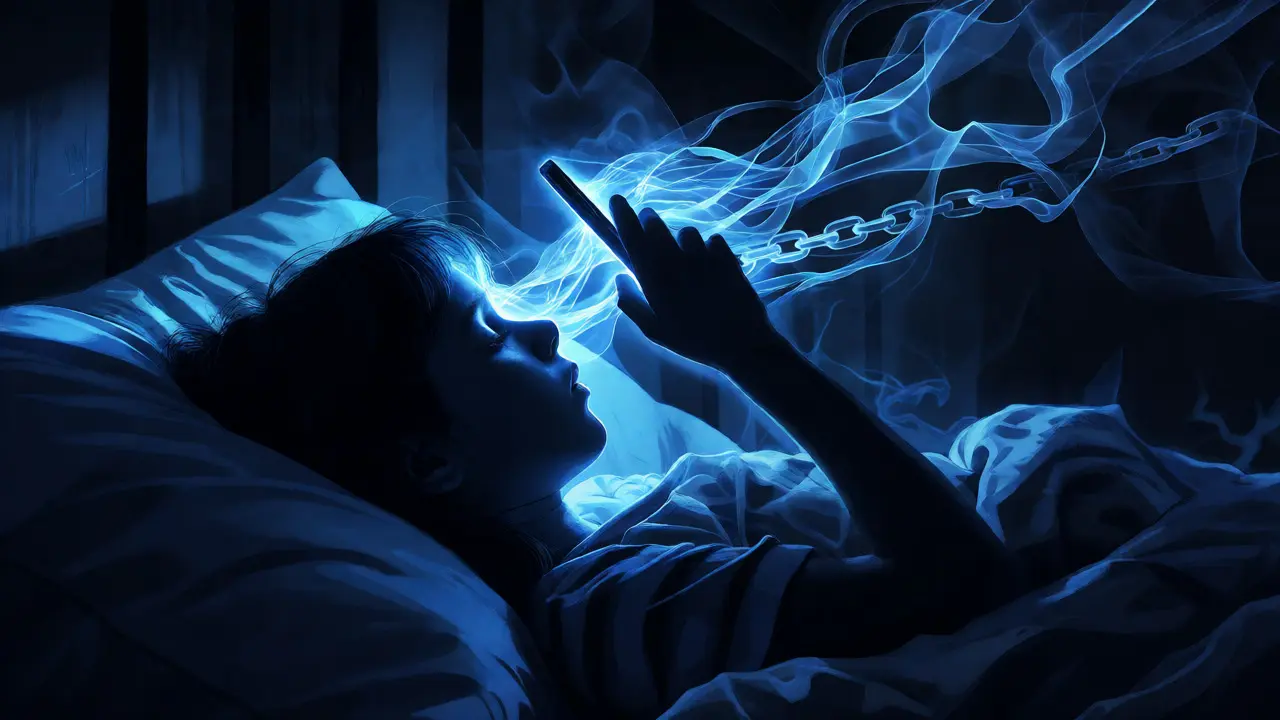
The connection between screen exposure and mental well-being is complex but undeniable. Blue light emitted from screens suppresses melatonin production, the hormone responsible for regulating sleep-wake cycles. With remote schooling, the boundary between "school" and "home" blurred. Assignments bled into evenings, and social interactions moved online, often extending late into the night. This disruption in circadian rhythms led to poorer sleep quality. Poor sleep, in turn, correlates with higher levels of anxiety and depression in youth. The isolation factor cannot be ignored either. While video calls allowed contact, they lacked the nuanced non-verbal cues of face-to-face interaction. This "Zoom fatigue" drained emotional energy, leaving many students feeling exhausted yet unfulfilled socially. The constant connectivity created a sense of being always-on, removing the psychological downtime necessary for mental recovery.
Comparing Pre-Pandemic vs. Remote Learning Habits
To understand the scale of the impact, it helps to compare typical daily habits before and during the peak of remote schooling. The table below highlights key differences in behavioral patterns that contribute to health risks.
| Behavior Metric | Traditional Schooling | Remote Schooling | Health Implication |
|---|---|---|---|
| Average Daily Screen Time | 3-4 hours (mostly leisure) | 7-9 hours (academic + leisure) | Increased risk of Digital Eye Strain |
| Physical Activity Breaks | Frequent (recess, class changes) | Rare (continuous seated sessions) | Higher risk of obesity and musculoskeletal issues |
| Sleep Onset Time | Consistent routine enforced by school | Delayed due to evening screen use | Circadian rhythm disruption |
| Ergonomic Environment | Standardized desks/chairs | Varied home setups (often poor) | Increase in back and neck pain |
Mitigation Strategies That Actually Work
So, what can parents and educators do now that hybrid models are common? You don't need to ban screens entirely-that's unrealistic. Instead, focus on modifying usage patterns. The 20-20-20 Rule remains the gold standard for eye health: every 20 minutes, look at something 20 feet away for 20 seconds. This simple habit relaxes the focusing muscle inside the eye. For physical health, integrate micro-movements. Encourage standing desks or using a stability ball instead of a chair for short periods. Set strict boundaries for device-free zones, especially in bedrooms, to protect sleep hygiene. Also, prioritize outdoor play. Natural light exposure helps regulate mood and may even slow myopia progression. Schools are increasingly adopting "movement breaks" into virtual lessons, recognizing that a wiggling kid is a healthier kid.
Key Takeaways
- Screen Time Volume: Remote schooling nearly doubled daily screen exposure for many students, shifting from passive to active use.
- Eye Health: Reduced blink rates and close-range focus have accelerated myopia trends and digital eye strain symptoms.
- Physical Impact: Sedentary behavior led to increased reports of back pain and reduced cardiovascular fitness in youth.
- Sleep Hygiene: Blue light exposure and blurred work-life boundaries disrupted sleep cycles, affecting mental health.
- Actionable Solutions: Implementing the 20-20-20 rule, ergonomic adjustments, and device-free sleep zones significantly mitigates risks.
Does all screen time cause eye damage?
Not exactly. All screen time causes strain if not managed, but permanent structural damage like myopia progression is linked to prolonged near-work combined with lack of outdoor light exposure. Managing duration and distance is key.
How much screen time is safe for children?
Guidelines vary by age, but generally, recreational screen time should be limited to under two hours per day for older children, excluding educational use. However, total continuous usage should be broken up frequently to prevent strain.
Can blue light glasses help reduce eye strain?
Blue light glasses may help with sleep regulation by reducing melatonin suppression, but evidence suggests they offer minimal benefit for actual eye strain compared to taking regular visual breaks and adjusting screen brightness.
Why does remote schooling lead to more back pain?
Home setups often lack proper ergonomics. Students sit in unsupportive chairs, slouch, and hold devices at improper angles for extended periods, placing undue stress on the spine and neck muscles.
Is the effect on mental health reversible?
Yes, most effects are reversible with consistent lifestyle changes. Restoring social connections, improving sleep hygiene, and increasing physical activity can significantly improve mental well-being and reduce anxiety associated with digital overload.