
You’re in the middle of a deep work session. Your phone buzzes. It’s your friend group chat: "Hey, who’s up for some League tonight?" You hesitate. You don’t want to play, but you also don’t want to be the one who kills the vibe or gets labeled as "boring." So you say yes. An hour later, you’re exhausted, behind on your tasks, and feeling resentful. Sound familiar?
Saying no to gaming invites is harder than it sounds because it’s not just about declining a game; it’s about managing social expectations, preserving friendships, and protecting your time. The good news? You don’t need to be rude or ghost your friends to set boundaries. With a few well-practiced role-playing scripts, you can decline gaming invites gracefully, keep your relationships intact, and reclaim your schedule.
Why Saying No to Gaming Is Harder Than It Looks
Gaming isn’t just a hobby; for many people, it’s a primary social connector. When friends invite you to play, they’re often inviting you into a shared experience, not just a match. Declining can feel like rejecting the friendship itself. This psychological weight makes simple refusal complicated.
Research in social psychology shows that humans have a strong desire for belonging, which triggers anxiety when we fear exclusion. In online communities, this fear is amplified by the immediacy of notifications and the public nature of group chats. If you always say yes out of obligation, you risk burnout, resentment, and decreased productivity. Learning how to refuse without guilt is a critical life skill in the digital age.
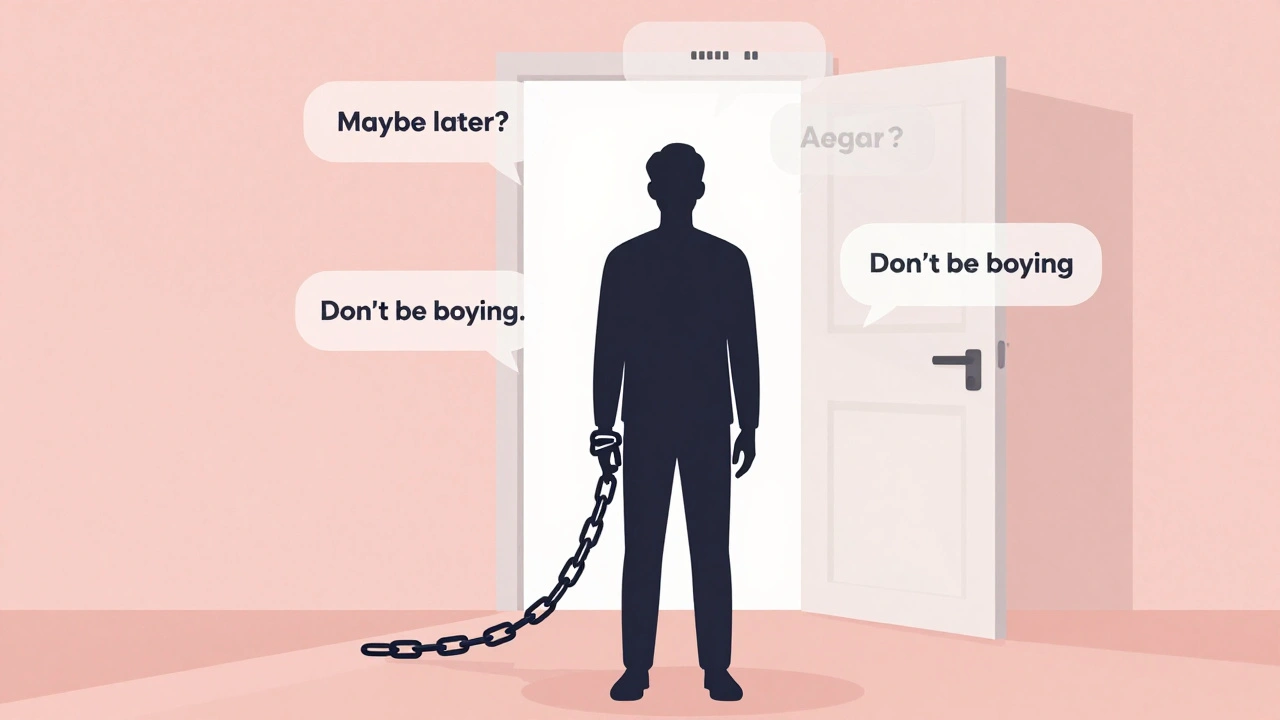
The key is shifting your mindset: saying no to an activity doesn’t mean saying no to the person. It means prioritizing your current needs while leaving the door open for future connection. Role-playing helps you practice this shift until it feels natural.
Core Principles of Effective Refusal Scripts
Before diving into specific scripts, understand the three pillars that make a refusal effective:
- Clarity: Ambiguity breeds confusion. "Maybe later" often translates to "Yes, but I’ll forget," which leads to more invitations and more stress. Be direct but kind.
- Empathy: Acknowledge the invitation. Show that you appreciate being asked. This softens the blow and validates the inviter’s effort.
- Alternative (Optional): Offering a different way to connect shows you value the relationship, not just the activity. However, only offer alternatives if you genuinely mean it.
Avoid over-explaining. You don’t owe anyone a detailed medical history or a breakdown of your to-do list. "I’m busy" is a complete sentence. Over-explaining invites negotiation, which puts you back in the position of having to defend your boundaries.
Scenario 1: The Casual Friend Group Chat
This is the most common scenario. You’re in a Discord server, WhatsApp group, or iMessage thread where friends are organizing a casual game night. The pressure is low, but the frequency is high.
The Trap: Feeling like you need to respond immediately to avoid looking uninterested.
The Script:
"Thanks for the invite! I’m going to pass this time-I’ve got a lot on my plate today. Have fun guys!"
Why it works: It’s quick, positive, and firm. You acknowledge the invite, state your decision clearly, and wish them well. No explanation needed. If they ask why, you can repeat: "Just swamped right now."
Role-Playing Tip: Practice saying this out loud. Notice how your tone changes from hesitant to confident. Confidence comes from repetition, not perfection.
Scenario 2: The Close Friend Who Takes It Personally
You have a friend who frequently invites you to play and interprets your absence as rejection. They might send follow-up messages like, "Are you mad at me?" or "You never play with us anymore."
The Trap: Apologizing excessively or making excuses to placate their feelings, which reinforces the behavior.
The Script:
"Hey [Name], I really appreciate you thinking of me. I’m not playing tonight because I need to focus on [specific goal/task]. It’s nothing personal-I still love hanging out with you. Let’s grab coffee/food next week instead?"
Why it works: It addresses the emotional concern directly. By naming the reason (focus on a task) and offering an alternative (coffee), you separate the activity from the relationship. This script requires sincerity-don’t offer coffee if you don’t mean it.
Role-Playing Tip: Imagine your friend’s reaction. Practice maintaining eye contact (if in person) or using a calm, steady tone (if texting). Avoid defensive language like "But you always..."
Scenario 3: The Competitive Gamer Who Needs a Player
Your friend is trying to rank up in a competitive game like Valorant or Counter-Strike. They need a reliable teammate, and they know you’re skilled. They might say, "We need you to win this match" or "Don’t let us down."
The Trap: Feeling obligated due to perceived competence or team loyalty.
The Script:
"I’d love to help, but I can’t commit to a competitive match right now. My schedule is too unpredictable. Good luck with the climb-you’ve got this!"
Why it works: It acknowledges their need without promising availability. "Unpredictable schedule" is a neutral reason that doesn’t invite debate. Encouraging them independently maintains goodwill.
Role-Playing Tip: Visualize yourself walking away from the conversation after sending this message. Do you feel relief or guilt? If guilt, remind yourself: you cannot control their outcome, only your participation.
Scenario 4: The Family Member Trying to Bond
A parent, sibling, or cousin invites you to play a casual game like Mario Kart or Among Us. They see gaming as a way to spend quality time together.
The Trap: Feeling guilty for not wanting to engage in their preferred bonding method.
The Script:
"That sounds fun, but I’m not in the mood for gaming right now. How about we watch a movie/go for a walk/play board games instead?"
Why it works: It redirects the interaction toward a different form of connection. Family members often care more about the time spent than the activity itself. Offering an alternative shows you still want to bond.
Role-Playing Tip: Suggest activities you actually enjoy. Authenticity matters. If you suggest a walk, be ready to go for a walk.

How to Practice These Scripts Without Awkwardness
Role-playing isn’t just for actors. It’s a cognitive tool that rewires your brain’s response to social pressure. Here’s how to practice effectively:
- Mirror Method: Stand in front of a mirror and say the script aloud. Watch your facial expressions. Are you smiling? Frowning? Adjust until your body language matches your words.
- Text Drafting: Type the script in a notes app before sending it. Edit for tone. Does it sound cold? Warm? Neutral? Aim for warm neutrality.
- Partner Practice: Ask a trusted friend to role-play the inviter. Let them push back gently. Practice staying calm and repeating your boundary without escalating.
- Post-Mortem Analysis: After refusing an invite, reflect. Did you feel anxious? Did they react negatively? Use this data to refine your script for next time.
Consistency is key. The first few times will feel awkward. That’s normal. With repetition, refusal becomes automatic, and your confidence grows.
Common Mistakes to Avoid
Even with great scripts, small errors can undermine your boundaries. Watch out for these pitfalls:
- Over-Apologizing: "I’m so sorry, I can’t believe I’m doing this, but..." Apologies imply wrongdoing. You’re not wrong for having other priorities.
- Leaving Room for Negotiation: "I might be able to join if..." This invites persistence. If you’re unsure, say "I’ll check back with you later" and do so.
- Ghosting: Ignoring invites entirely damages trust. A polite refusal preserves the relationship; silence erodes it.
- Inconsistency: Saying no one day and yes the next confuses friends. Set clear patterns. If you’re unavailable on weekdays, stick to it.
Remember: boundaries are not walls. They’re gates. You decide who enters and when. Clear communication keeps the gate functional.
Building Long-Term Digital Wellness Habits
Refusing gaming invites is part of a larger strategy for digital wellness. To sustain healthy boundaries, integrate these habits into your routine:
- Set Notification Boundaries: Turn off non-essential gaming app notifications during work/study hours. Out of sight, out of mind.
- Schedule "No-Gaming" Blocks: Designate specific hours or days as gaming-free. Share this schedule with friends so they know when to expect availability.
- Diversify Social Activities: Engage in hobbies outside gaming-sports, reading, cooking-to reduce reliance on gaming for socialization.
- Regular Check-Ins: Every few weeks, assess how you feel about your gaming habits. Are you playing because you want to, or because you feel pressured? Adjust accordingly.
Digital wellness isn’t about eliminating technology; it’s about using it intentionally. When you control your engagement, you regain control of your time and energy.
What if my friends get angry when I refuse gaming invites?
If friends react with anger, they may be testing your boundaries. Stay calm and reiterate your decision without apologizing. True friends respect your autonomy. If anger persists, reconsider the health of the relationship. You cannot force someone to respect your limits, but you can choose to distance yourself from those who don’t.
Is it okay to lie about why I’m refusing?
Lying can create short-term comfort but long-term distrust. If you say you’re sick when you’re not, friends may call to check on you, leading to more explanations. Honesty builds credibility. You don’t need to share every detail, but be truthful about your general state (busy, tired, focused).
How do I handle repeated invitations after saying no?
Repeated invitations signal that your initial refusal wasn’t clear enough. Respond firmly: "I’ve already mentioned I’m not available. Please respect that." If it continues, mute the chat or temporarily leave the group. Protecting your peace is more important than maintaining superficial harmony.
Can refusing gaming invites damage my friendships?
Healthy friendships withstand boundary-setting. If a friendship ends solely because you declined an activity, it was likely dependent on convenience rather than mutual respect. Quality relationships adapt to change. Focus on friends who value you beyond your availability for games.
What if I’m afraid of missing out on inside jokes or stories?
Fear of missing out (FOMO) is common but manageable. Ask friends to summarize key moments afterward. Most will happily fill you in. Additionally, participating occasionally in non-gaming conversations keeps you connected. You don’t need to attend every event to stay part of the community.