
When schools start asking students about how much they game, they’re not just curious. They’re trying to spot trouble before it gets out of hand. But here’s the thing: those surveys don’t always tell the truth. Not because students are lying, but because the questions themselves can be misleading, outdated, or just plain wrong.
Why Schools Use Surveys to Measure Problem Gaming
Schools aren’t policing kids’ hobbies. They’re looking for early signs of harm. When a student spends 7 hours a day gaming, skips meals, loses sleep, or stops hanging out with friends, it’s not just a phase-it could be a behavioral health issue. Problem gaming, sometimes called gaming disorder, is recognized by the World Health Organization as a pattern of behavior that interferes with daily life.
Since parents and teachers can’t watch every kid all the time, schools turn to surveys. They hand out questionnaires during health class, homeroom, or health screenings. The goal is simple: find the kids who need help before they fall behind in school, lose friendships, or develop anxiety or depression.
But the tools they use? Many were designed over a decade ago. And gaming has changed a lot since then.
What Most Surveys Get Wrong
Take the most common survey used in U.S. schools: the 9-item Gaming Disorder Scale. It asks questions like:
- Do you play to escape real-life problems?
- Have you lost interest in other activities?
- Do you lie about how much you play?
These questions sound reasonable. But they were based on studies from 2010-when most gaming happened on consoles or PCs, and online multiplayer games were still growing. Today, kids are playing mobile games for 10 minutes between classes, streaming on Twitch, or competing in esports tournaments. They’re not sitting in a dark room for 8 hours straight. They’re weaving gaming into their daily rhythm.
So when a student says they play 2 hours a day on their phone, but also use it to text friends, do homework, and listen to music, the survey might label them as “problematic.” But that’s not addiction-it’s normal usage.
Worse, some surveys still use the same cutoff scores from 2013. That means a student who plays 3 hours a day-half of what’s considered normal for teens today-gets flagged as high-risk. That’s not just inaccurate. It’s harmful.
The Bias of Self-Reporting
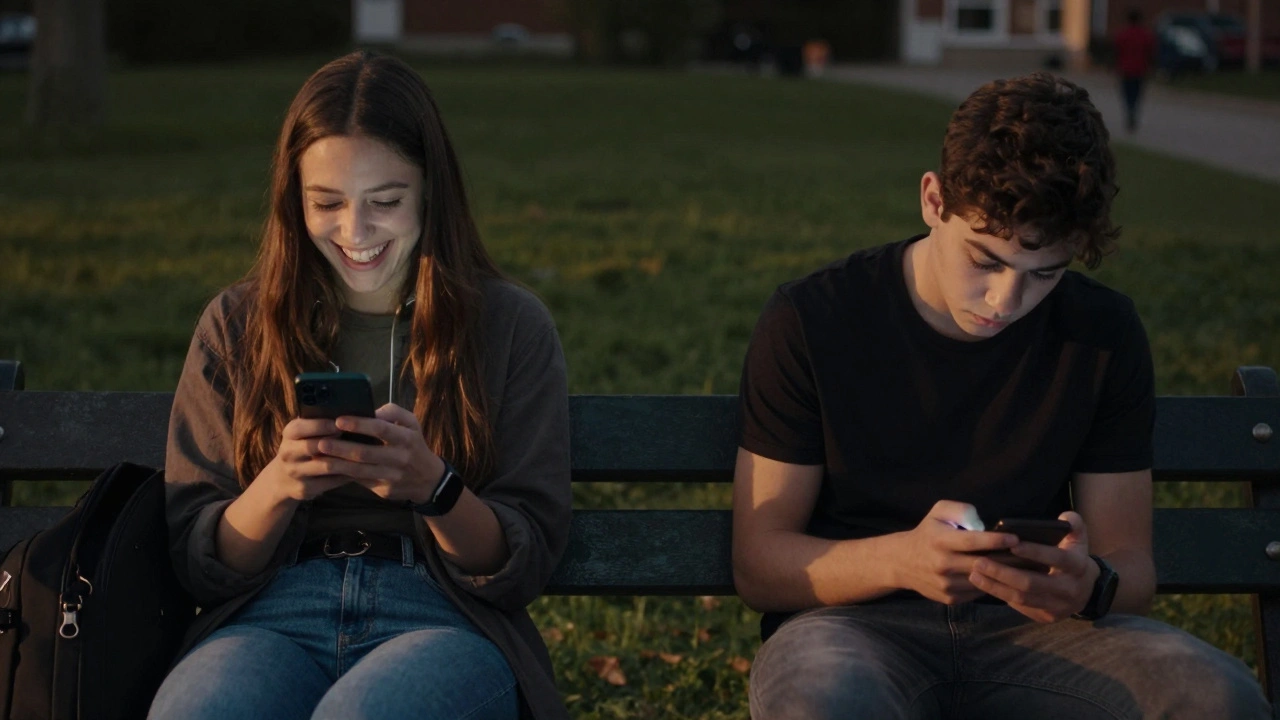
Surveys rely on students telling the truth. But kids aren’t always honest, especially when they think they’re being judged.
In a 2024 study of 12,000 middle and high school students across Oregon, researchers found that 37% of students who played over 4 hours a day claimed they played “less than 2 hours.” Why? They didn’t want to get in trouble. They didn’t want their parents to take away their devices. They didn’t want to be labeled “addicted.”
On the flip side, some students who barely played games reported heavy use because they thought it made them sound “cool” or “serious.” That’s social desirability bias-and it messes up the data.
And then there’s the timing. Surveys are often given during school hours. Kids who are already struggling with gaming-staying up late, skipping class-are the ones who aren’t even there to fill them out. So the data misses the most at-risk students entirely.
What Gets Overlooked
Most surveys only ask about time spent gaming. But time doesn’t tell the whole story.
A student who plays 1 hour a day of a competitive game like Valorant might be more at risk than someone who plays 5 hours of a casual game like Animal Crossing. Why? Because one triggers stress, frustration, and obsession. The other is relaxing and social.
Surveys don’t ask:
- What game are you playing?
- Do you feel bad after playing?
- Do you feel like you can’t stop even when you want to?
- Have you missed school or chores because of it?
Without those details, schools can’t tell the difference between a kid who’s passionate and one who’s stuck.
How to Fix School Surveys
It’s not about stopping surveys. It’s about making them better.
Here’s what works:
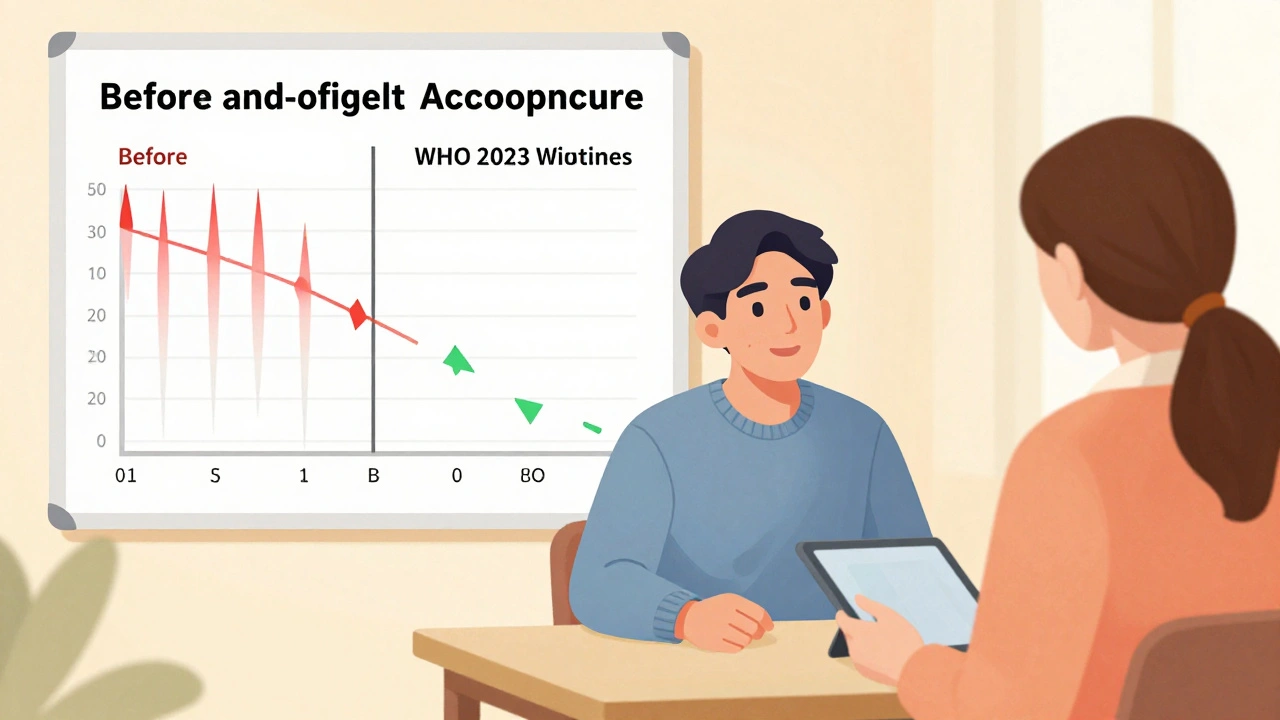
- Use modern tools-like the WHO’s 2023 updated screening checklist, which includes context questions about game type and emotional impact.
- Ask about consequences, not hours-Instead of “How many hours do you play?” ask “Has gaming ever caused you to miss school, get in trouble, or feel anxious?”
- Use anonymous digital surveys-Students are more honest when they answer on a tablet in private, not in front of a teacher.
- Include parents-A parent’s report of changes in sleep, mood, or hygiene adds crucial context.
- Don’t label kids-If a student scores high, don’t call them “addicted.” Offer support: counseling, time-management workshops, or tech-free zones.
A school in Portland started using this approach in 2025. Within 6 months, they saw a 40% drop in false positives. More importantly, they identified 14 students who actually needed help-and helped them before they fell apart.
The Bigger Picture
Gaming isn’t the enemy. Isolation, anxiety, and lack of support are. Surveys can help. But only if they’re designed to see the real problem-not just the screen time.
When schools rely on outdated tools, they don’t just waste time. They risk mislabeling kids, pushing them away from help, and missing the ones who truly need it.
The solution isn’t more surveys. It’s smarter ones.
Are school surveys a reliable way to detect gaming addiction?
Most school surveys are not reliable. They often rely on outdated tools that measure hours played instead of real-life impact. Many students underreport or overreport usage due to fear or social pressure. As a result, surveys can miss at-risk students or falsely label normal behavior as problematic. Better tools focus on emotional consequences, not screen time.
What’s the difference between heavy gaming and problem gaming?
Heavy gaming means spending a lot of time playing-maybe 4 or 5 hours a day. Problem gaming means that gaming is causing harm: skipping school, losing sleep, avoiding friends, feeling anxious when not playing, or lying about how much you play. One is about quantity. The other is about consequences. A student who plays 6 hours of a relaxing game with friends might be fine. One who plays 2 hours and then feels empty, angry, or ashamed might need help.
Why do students lie on gaming surveys?
Students lie because they’re afraid. They fear punishment-like having their devices taken away. They worry about being labeled “addicted” or “weird.” Some lie to sound cool. Others lie because they don’t realize their habits are unhealthy. Anonymous, private surveys and clear messages that help is available-not punishment-lead to more honest answers.
Can gaming surveys cause more harm than good?
Yes, if they’re poorly designed. When schools use outdated scales that flag normal behavior as addiction, they can shame students, damage trust, and push kids away from help. A student who’s just a casual player might be labeled a problem, while a student who’s truly struggling goes unnoticed. The goal should be support, not labeling.
What should schools do instead of using standard surveys?
Schools should switch to modern, context-based tools like the WHO’s 2023 screening checklist. They should ask about emotional impact, not just hours. Surveys should be anonymous, digital, and optional. Staff should be trained to respond with empathy, not punishment. The best approach combines student input with parent observations and professional follow-up-not just a checklist.