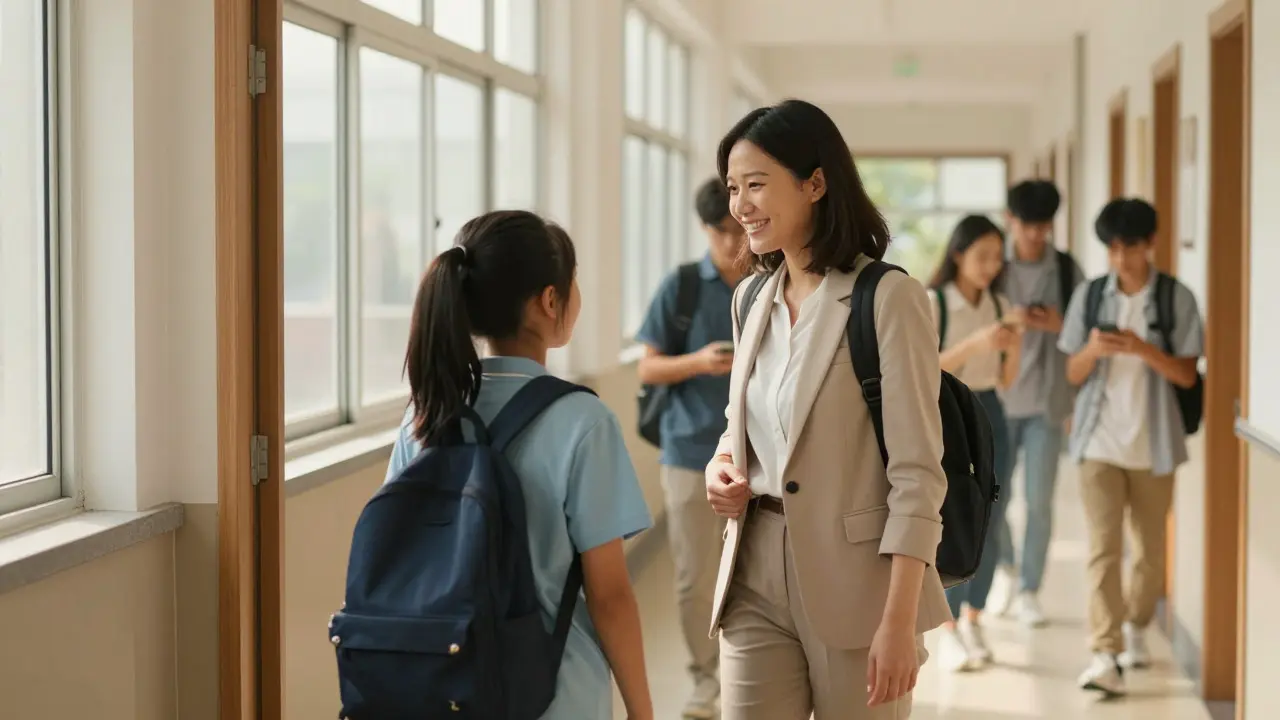
Imagine a student who feels invisible in the hallway. They don't know where to go when they're sad, and they assume no one cares if they skip class. Now imagine the opposite: a student who knows exactly which teacher will listen, which club makes them laugh, and which principal actually greets them by name. That difference isn't just about happiness; it is a measurable shield against dropout, anxiety, and behavioral issues. This is school connectedness, and it is arguably the most powerful educational protective factor we have.
We often talk about academic grades or standardized test scores as the metrics of success. But behind those numbers lies a complex web of social and emotional needs. When a student feels attached to their school environment, the risk of negative outcomes drops significantly. It’s not magic; it’s psychology. It’s the understanding that belonging is a basic human need, just like food or sleep. If you’re an educator, parent, or administrator, understanding how this works can change how you approach every interaction with young people.
What Exactly Is School Connectedness?
School connectedness is a subjective perception among students that adults and peers at school care about them personally and value their learning. It sounds simple, but it has two distinct parts: the relational side (feeling cared for) and the institutional side (believing the school values your education).
This concept goes beyond just liking your teachers. It includes the physical safety of the building, the fairness of the rules, and the availability of supportive adults. Research from the CDC and various longitudinal studies shows that students with high levels of connectedness are less likely to engage in risky behaviors. They stay in school longer. They participate more actively. In short, it acts as a buffer against the stressors of adolescence.
The Science Behind the Shield
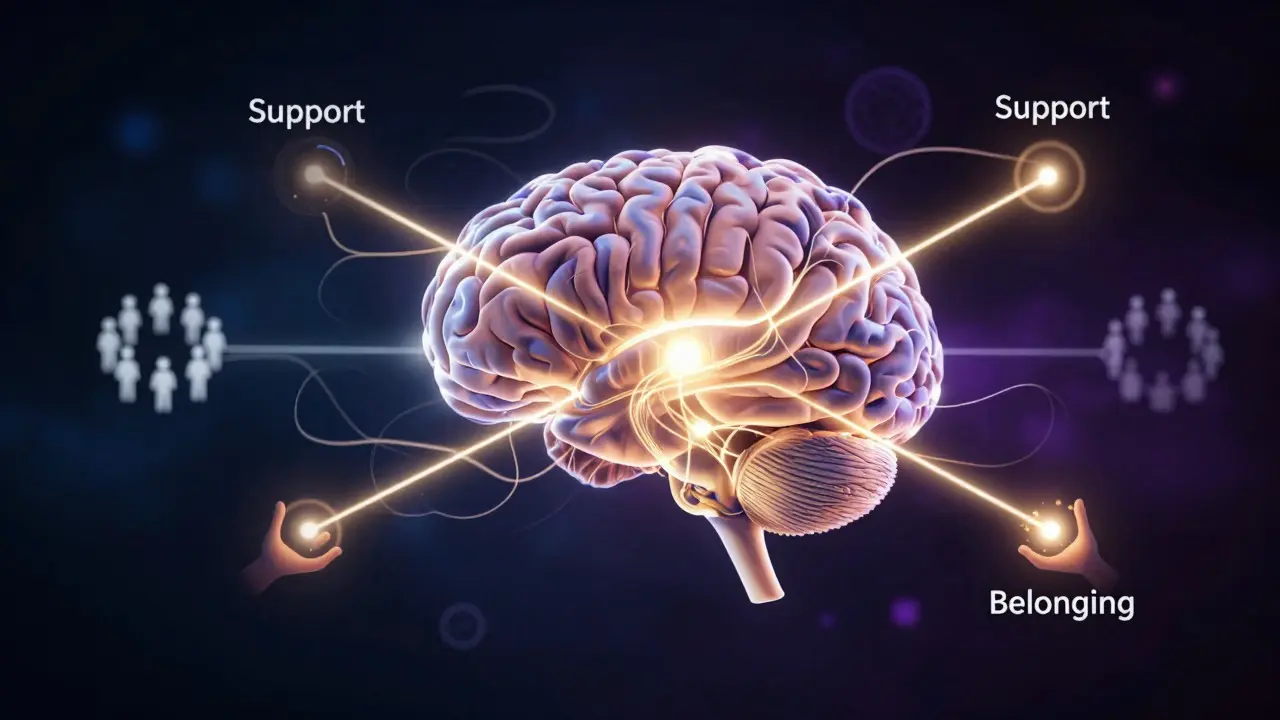
Why does feeling "connected" protect students? The answer lies in developmental psychology. During middle and high school years, the brain is undergoing massive restructuring. The prefrontal cortex, responsible for decision-making and impulse control, is still developing. Without a stable external support system, teenagers are vulnerable to peer pressure and emotional volatility.
When a school provides a consistent, caring environment, it reduces the cognitive load on the student. They don’t have to worry about whether they are safe or accepted. This frees up mental energy for learning. Think of it like a car: if the engine is running smoothly, you can focus on the destination. If the engine is sputtering (emotional distress), you spend all your energy fixing the engine and forget where you’re going.
Key components of this protective effect include:
- Perceived Support: Knowing at least one adult cares about you.
- Belonging: Feeling part of a group or community.
- Engagement: Active participation in school life.
- Trust: Believing that the school rules are fair and applied consistently.
How to Build Connection: Practical Strategies
You don’t need a massive budget to improve school connectedness. You need intentionality. Here are specific, actionable ways to foster these bonds in any educational setting.
- Greet Students at the Door: It sounds cliché, but it works. A simple "Good morning" or "Nice shoes" signals that the student is seen as a person, not a body number. Do this for at least the first five minutes of the day.
- Create Low-Stakes Interaction Spaces: Hallways and cafeterias are neutral zones. Set up small tables with puzzles, cards, or just chairs where students can sit without needing to be "on task." This lowers the barrier for shy students to talk to staff.
- Use Interest-Based Clubs: Academic clubs are great, but so are non-academic ones. A coding club, a gardening group, or a gaming lounge gives students a reason to stay after school because they *want* to, not because they have to.
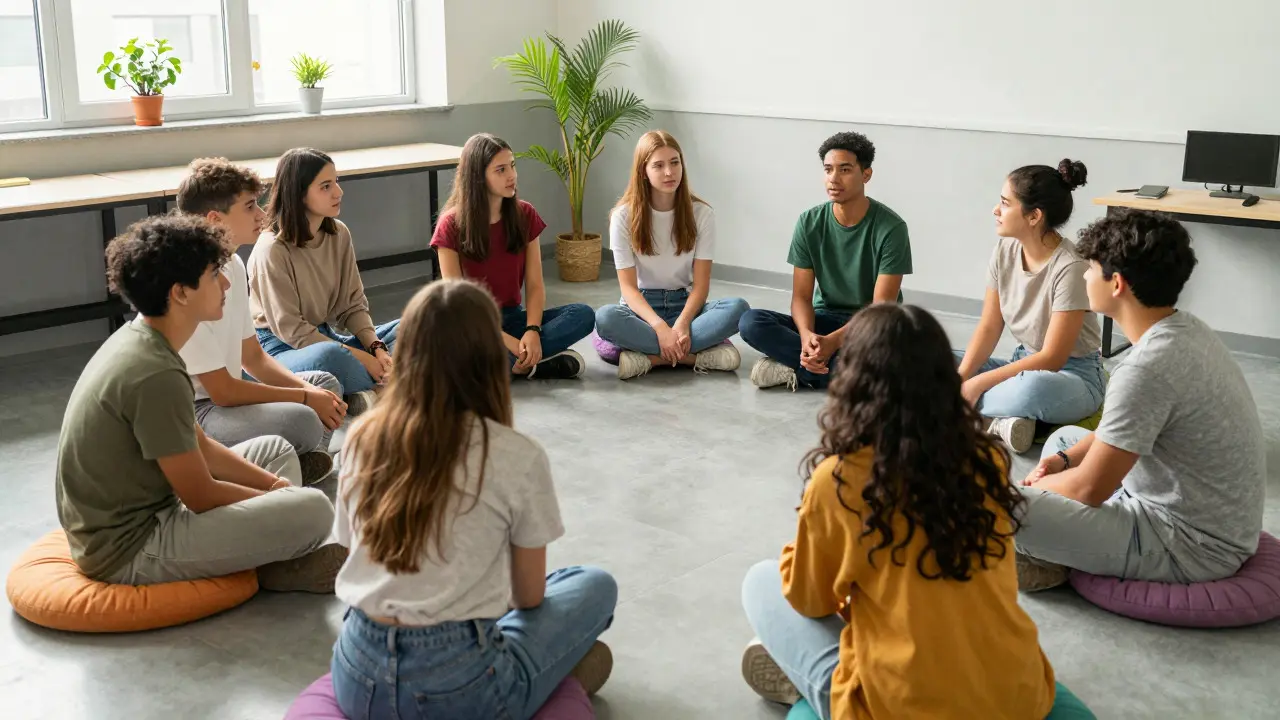
- Implement Restorative Practices: Instead of purely punitive discipline, use restorative circles. Ask questions like "Who was affected?" and "What do you need to feel better?" This builds trust and shows that mistakes are opportunities for growth, not just punishment.
Measuring What Matters
You can’t manage what you don’t measure. How do you know if your efforts are working? Use validated surveys like the School Connectedness Scale. Look for trends over time, not just single snapshots. Pay attention to attendance data, disciplinary referrals, and self-reported student satisfaction.
If attendance is down, ask why. Is it boredom? Is it fear? Is it lack of connection? Data doesn’t lie, but it needs context. Talk to students directly. Anonymous suggestion boxes or quick digital polls can reveal hidden frustrations that formal meetings miss.
| Aspect | Traditional Approach | Connectedness-Focused Approach |
|---|---|---|
| Discipline | Punitive, rule-based | Restorative, relationship-based |
| Student Role | Passive recipient of knowledge | Active participant in community |
| Adult Role | Authority figure/enforcer | Mentor/supporter |
| Primary Goal | Academic compliance | Holistic development and belonging |
Overcoming Common Barriers
"We don't have time," is the most common objection. Teachers are overworked, and administrators are buried in paperwork. But consider the cost of disconnection. One hour spent building relationships now can save hours of counseling later. Start small. Pick one classroom, one hallway, or one weekly event. Consistency beats intensity. If a teacher greets students every day for five minutes, that’s 130 minutes a year of pure connection. Multiply that across a whole school, and the impact is significant.
Budget constraints are real, too. But many of the best strategies are free. Listening is free. Asking a student about their weekend is free. Showing genuine interest in their hobbies costs nothing but attention. The key is shifting the culture from transactional to relational.
The Long-Term Impact
Investing in school connectedness pays dividends far beyond graduation. Students who feel connected in high school are more likely to pursue higher education, maintain stable careers, and build healthy relationships. They carry the lesson of belonging into their adult lives. Conversely, students who feel alienated may struggle with trust issues and isolation long after they leave the school building.
This is a preventative measure, not a reactive one. We usually wait until a crisis happens-a fight, a dropout, a mental health emergency-to intervene. By focusing on connectedness, we prevent the crisis before it starts. It’s cheaper, kinder, and more effective.
Frequently Asked Questions
Is school connectedness the same as student engagement?
They are related but distinct. Engagement refers to active participation in learning activities. Connectedness is the emotional bond and sense of belonging that *drives* engagement. A student can be engaged in a project because they want to impress a teacher they feel connected to. Without connectedness, engagement is often forced or superficial.
How can schools improve connectedness without increasing teacher workload?
Integrate connection into existing routines rather than adding new tasks. For example, instead of scheduling separate "wellness checks," use the first three minutes of class to check in informally. Train staff to use brief, positive interactions during transitions. The goal is efficiency in relationship-building, not additional administrative burden.
Does school connectedness matter for elementary students?
Yes, even more so. Young children rely heavily on adult figures for security. Establishing a strong foundation of trust in elementary school sets the stage for successful adaptation to middle and high school. Early connectedness predicts better social skills and lower anxiety levels throughout K-12.
What role do parents play in school connectedness?
Parents are partners in this process. When parents communicate positively with the school and show interest in their child's social life, it reinforces the message that school matters. Schools should invite parents into the building for events that aren't just about grades, such as open houses focused on student projects or community service days.
How do we handle students who seem resistant to connection?
Resistance is often a defense mechanism against past disappointment. These students need patience and consistency. Don't force intimacy. Simply be present and reliable. Over time, seeing that adults follow through on promises and treat them fairly will break down walls. One trusted adult can make all the difference for a resistant student.