Quick Takeaways
- Sensation seeking involves a biological need for high-intensity experiences.
- Novelty seeking is the drive to explore new environments and unpredictable rewards.
- Gaming disorder often emerges when digital rewards replace real-world risks.
- Genetic predispositions in the brain's reward system play a huge role.
- Understanding these traits helps in creating personalized recovery plans.
The Dopamine Loop and the Thirst for Novelty
Ever wonder why some people can play a game for an hour and walk away, while others lose an entire weekend? The answer often lies in Novelty Seeking. This is a specific behavioral tendency to respond strongly to new stimuli. In a healthy dose, it leads to creativity and exploration. However, in the world of gaming, it's like fuel on a fire. Modern games are built using a technique called "variable ratio reinforcement." This is the same logic used in slot machines. You don't win every time, but you *might* win the next time. For someone high in novelty seeking, this unpredictability is intoxicating. The brain releases Dopamine-the neurotransmitter associated with pleasure and motivation-not when the reward is received, but in the *anticipation* of it. When a player with this trait encounters a new expansion pack, a fresh map, or a random loot box, their brain lights up. The constant introduction of new mechanics prevents the "boredom plateau," keeping them locked into the screen for hours. They aren't chasing the game itself; they are chasing the feeling of discovery.Risk-Taking: From Bungee Jumping to Battle Royales
There is a strong link between physical risk-taking and digital risk-taking. People who enjoy extreme sports or high-speed driving often share the same neurological profile as those prone to gaming addiction. The key difference is the cost. Jumping out of a plane is expensive and dangerous. Playing a high-stakes match in a game like *League of Legends* or *Call of Duty* provides a simulated version of that risk with zero physical danger but high emotional intensity. This creates a "safe haven" for risk-takers. The brain perceives the social risk-the fear of losing rank or failing your teammates-as a legitimate thrill. For a sensation seeker, the intensity of a competitive rank-up match mimics the adrenaline of a real-world gamble. Over time, the real world can start to feel dull by comparison. Why go for a hike when you can lead a 100-person raid in a virtual world?| Trait | Primary Driver | Gaming Behavior | Risk Type |
|---|---|---|---|
| Sensation Seeking | Intensity & Arousal | Fast-paced shooters, horror games | Sensory/Physical |
| Novelty Seeking | Newness & Change | Open-world exploration, RPGs | Cognitive/Exploratory |
The Biological Blueprint: Why Your Brain is Different
It's not just about "personality"; it's about chemistry. Research into the Mesolimbic Pathway-the reward circuit of the brain-shows that people with gaming disorder often have a dampened response to natural rewards. This is known as reward deficiency syndrome. If your brain doesn't produce enough dopamine or has fewer receptors, a normal walk in the park feels boring. But a high-intensity video game provides a massive surge of stimulation that "overcomes" this deficiency. It's like a car with a sluggish engine that needs a turbocharger to get moving. For these individuals, gaming isn't just fun; it's a way to feel "normal" or chemically balanced. Furthermore, the Prefrontal Cortex-the part of the brain responsible for impulse control and decision-making-often shows reduced activity in those with high sensation-seeking traits. This means that even when they know they should stop, the "brake system" of their brain isn't strong enough to override the "gas pedal" of the reward system.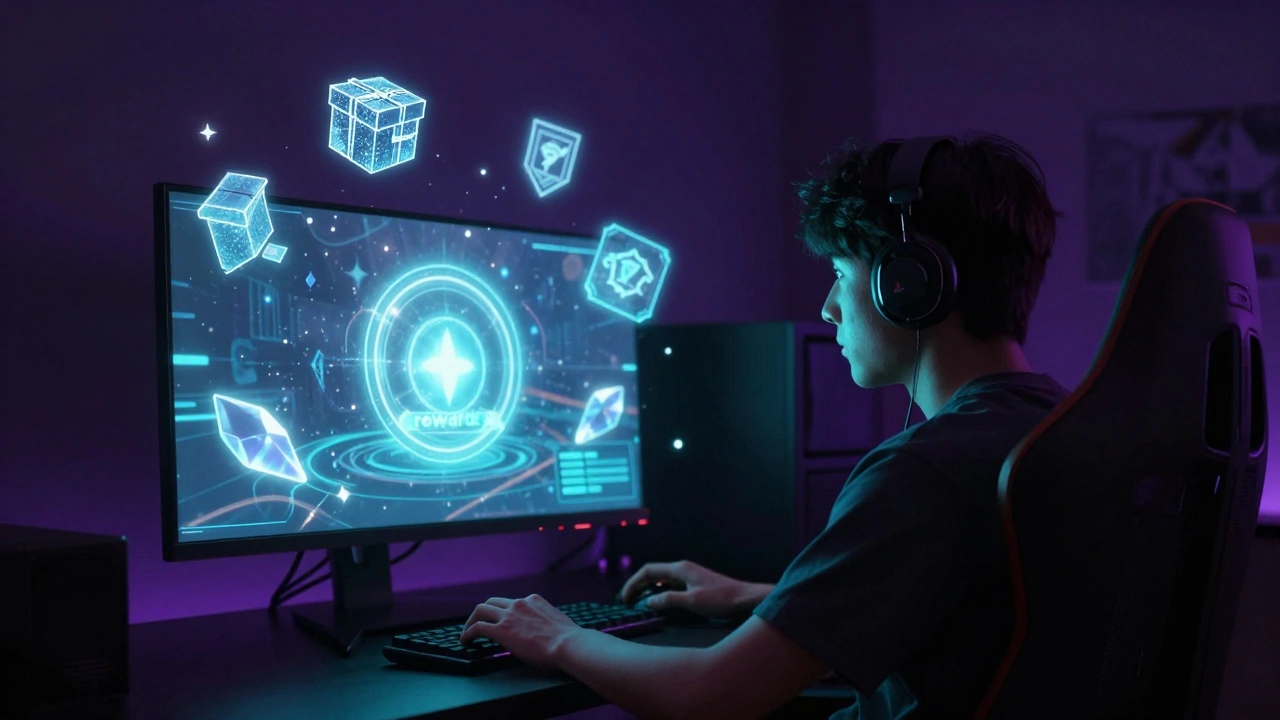
When the Thrill Becomes a Trap
At what point does a love for excitement turn into a clinical disorder? The transition happens when the pursuit of sensation interferes with basic life functions. In Gaming Disorder, as recognized by the World Health Organization, the person loses control over gaming, prioritizes it over other interests, and continues playing despite negative consequences. For the sensation seeker, the trap is the "tolerance effect." Just like a drug, the brain gets used to the level of stimulation. The same game that felt thrilling a year ago now feels repetitive. To get the same rush, the player must spend more time playing, seek out more stressful competitive environments, or spend money on gambling-like mechanics (loot boxes). This creates a vicious cycle: the more they play, the more numb they become to the real world, and the more they rely on the game to feel alive.Breaking the Cycle: Strategies for High-Sensation Personalities
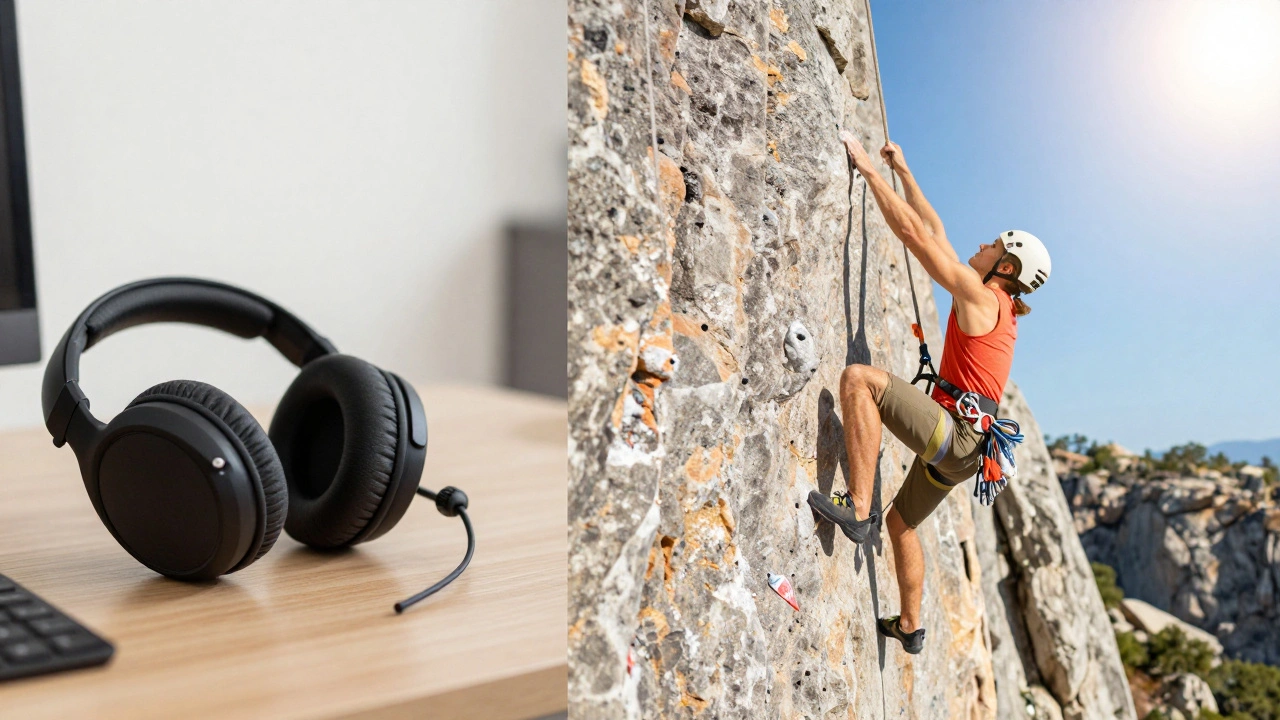
If you're someone who naturally craves intensity, telling you to "just read a book" won't work. The goal isn't to kill the sensation seeker inside you, but to redirect that energy into healthier channels. The key is to find "high-arousal alternatives" that provide the same chemical hit without the addictive loop of a screen.- Physical Highs: Switch from digital combat to high-intensity interval training (HIIT), rock climbing, or martial arts. These provide a genuine adrenaline rush and a sense of physical mastery.
- Social Risks: Try public speaking, improvisational theater, or joining a competitive sports league. The social anxiety and subsequent triumph provide a powerful emotional peak.
- Creative Exploration: Instead of exploring a digital world, try traveling to a city you've never been to without a map, or learning a complex skill like woodworking or coding from scratch.
- Scheduled Stimulation: Instead of constant gaming, set a "peak intensity" window. Use the game as a reward for completing real-world challenges, treating it like a high-calorie dessert rather than the main meal.
The Role of Environment in Triggering Traits
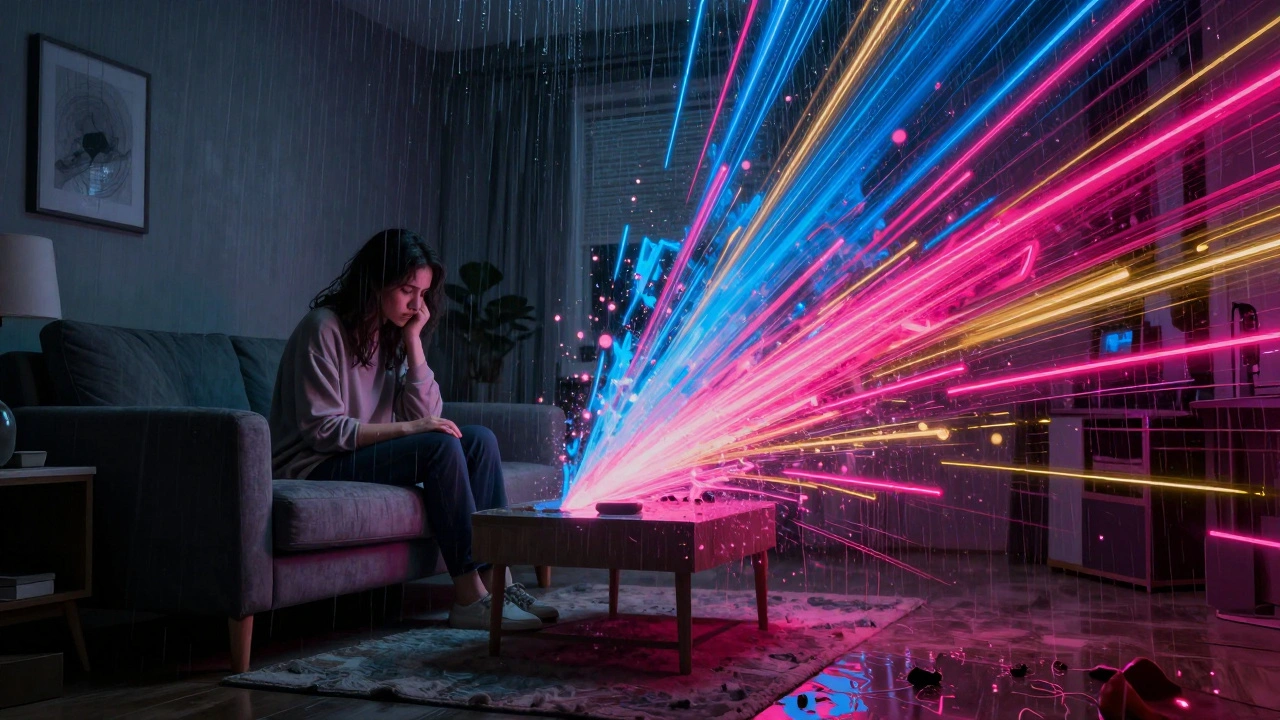
Personality is the gunpowder, but the environment is the match. A person high in sensation seeking who lives in a vibrant, active city with plenty of hobbies is less likely to develop a disorder. Conversely, someone in a restrictive or boring environment-perhaps someone struggling with social isolation-will find the virtual world far more appealing. When the real world offers no risks or rewards, the virtual world becomes the only place to exercise one's personality. This is why many people with gaming disorder report feeling "stuck" in their actual lives. The game isn't just a distraction; it's a replacement for the growth and exploration that their personality desperately craves.Can you actually change your sensation-seeking personality?
You can't change your basic biological temperament, but you can change how you express it. Sensation seeking is a trait, not a flaw. The goal is "sublimation"-taking that drive for intensity and applying it to productive activities like entrepreneurship, athletics, or art, rather than letting it drive a gaming addiction.
Are all people who like fast games prone to gaming disorder?
Absolutely not. Most people with high sensation-seeking traits simply enjoy high-octane games as a hobby. The disorder only occurs when there is a combination of genetic vulnerability, poor impulse control (prefrontal cortex weakness), and a lack of real-world stimulation.
What is the difference between novelty seeking and sensation seeking?
Sensation seeking is about the *intensity* of the experience (the "rush"), while novelty seeking is about the *newness* of the experience (the "discovery"). You can be a novelty seeker who hates risk (e.g., someone who reads 100 different books a year) or a sensation seeker who isn't interested in new things (e.g., someone who loves the same high-speed rollercoaster over and over).
Do loot boxes target these personality types specifically?
Yes. Loot boxes utilize variable ratio schedules of reinforcement, which specifically target the novelty-seeking and risk-taking circuits of the brain. For someone already predisposed to these traits, the "gambling" aspect of these mechanics is far more addictive than the actual gameplay.
How can I tell if my gaming is a personality-driven habit or a disorder?
The red flag is "functional impairment." If you are missing work, failing classes, or neglecting hygiene to chase the rush, it has moved into disorder territory. If you enjoy high-intensity gaming but still meet your real-world obligations and feel satisfied with your life, it's likely just a reflection of your personality trait.