You finish a session at 11:30 PM. The game is paused, the controller is down, but your brain is still buzzing. You feel a low-grade hum of anxiety-not because you lost, but because you didn't sleep. This isn’t just about losing hours; it’s about losing control. For millions of players, gaming boundaries are the difference between a hobby that enriches life and one that eats it alive. The good news? You don’t need to quit cold turkey or buy a new monitor to fix this. You just need a system that respects your reality.
The core problem with most advice on this topic is that it treats gamers like addicts who need saving. It doesn’t. Most of us know when we’re overdoing it. We just lack the structural support to stop without feeling like we’re betraying our passion. Let’s build a framework that makes stopping feel as natural as starting.
Why "Just Stop" Fails Every Time
We’ve all tried the willpower method. You set an alarm for 9 PM, tell yourself you’ll log off, and then... you play one more match. Why? Because video games are designed to exploit variable reward schedules. Unlike reading a book where you can close it anytime without penalty, games often have momentum loops. You’re mid-quest, your team is waiting, or the daily bonus expires in ten minutes. These mechanics create a psychological cost to stopping that feels disproportionate to the benefit.
To counter this, you need to move from willpower-based limits to environment-based limits. If you rely on memory or discipline, you are fighting against a billion-dollar industry’s UX design. Instead, change the physical or digital landscape so that stopping is the path of least resistance. This shifts the burden from your brain to your setup.
The 3-Layer Boundary System
Effective boundary setting requires three distinct layers. Think of them as concentric circles protecting your free time. Each layer serves a different function, from hard stops to soft nudges.
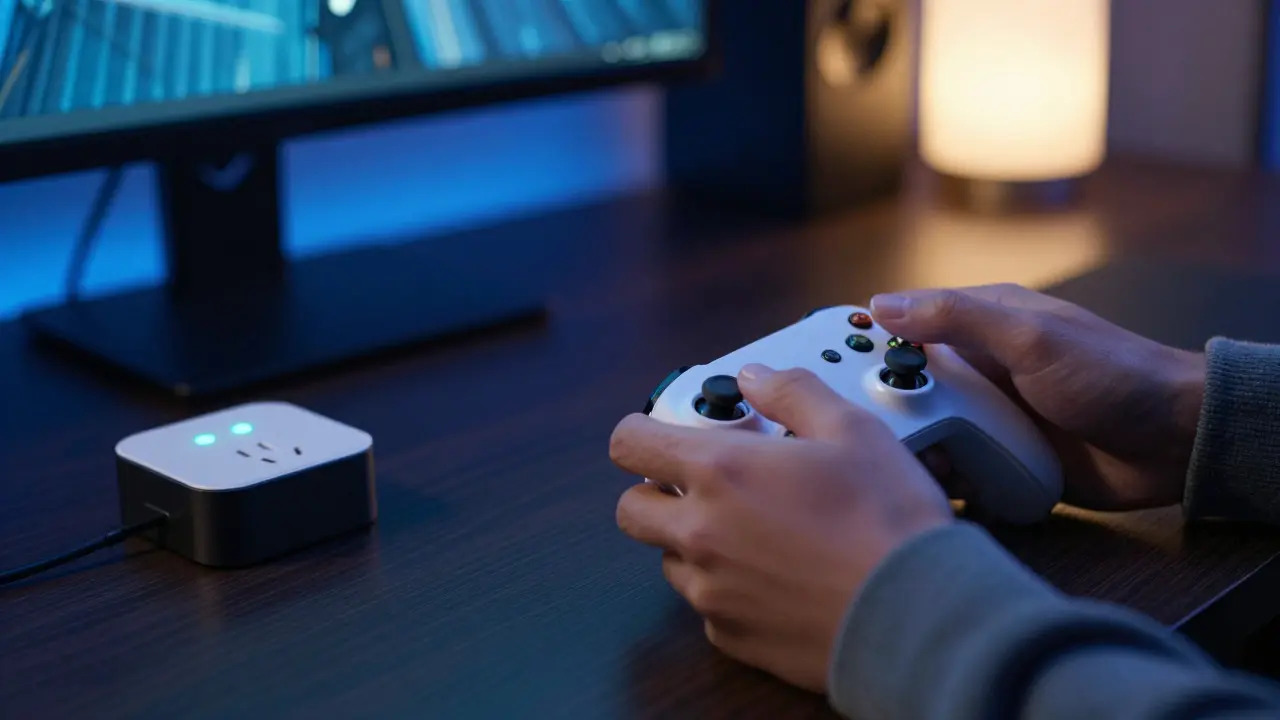
- Hard Stops (The Non-Negotiables): These are times when gaming is physically impossible. Examples include work hours, family dinner, or a specific bedtime. To enforce these, use external tools. A smart plug that cuts power to your console at 10 PM is a hard stop. It removes the decision entirely.
- Soft Limits (The Guidelines): These are flexible targets based on your energy levels. Maybe you aim for two hours on weekdays and four on weekends. Use a timer app that sends a gentle notification rather than a harsh alarm. The goal here is awareness, not punishment.
- Mood Checkpoints (The Internal Audit): Before starting a session, ask: "Do I have enough time to finish what I want to do?" If the answer is no, lower your expectations. This prevents the "all-or-nothing" mindset that leads to marathon sessions.
This layered approach ensures that even if you ignore the soft limit, the hard stop catches you. And if you hit the hard stop, you haven’t violated any moral code-you just followed the plan.
Tools That Actually Work (Without Breaking Your Bank)
You don’t need expensive software to manage your screen time. In fact, many built-in features are sufficient if you configure them correctly. Here’s how to leverage common platforms:
| Platform | Feature Name | Key Limitation | Best For |
|---|---|---|---|
| PC (Windows) | Family Settings / Focus Assist | Often bypassed by admins | Households with shared PCs |
| PlayStation | PlayStation App (Mobile) | Requires phone nearby | Remote monitoring by partner/parent |
| Xbox | Family Hub | Sync delays | Multi-user households |
| iOS/Android | Screen Time / Digital Wellbeing | App-specific only | Mobile gamers |
A pro tip: Set the "Daily Limit" for your gaming app to 30 minutes less than your actual target. This buffer accounts for the time it takes to load the game and settle in. If you hit the limit at 2:30 PM instead of 3:00 PM, you still have time to wind down properly.

Handling the "One More Match" Trap
The biggest enemy of healthy gaming is the sunk cost fallacy applied to entertainment. You think, "I’ve already played for two hours, might as well finish this raid." This logic ignores the diminishing returns of fatigue. After a certain point, your reaction time slows, your decision-making degrades, and the enjoyment drops sharply.
Combat this with the "Exit Strategy" rule. Before you start a session, decide exactly what you will achieve. Not "play until tired," but "complete the tutorial" or "win one ranked match." When you hit that specific goal, you are allowed to stop. No guilt. No debate. You fulfilled the contract you made with yourself.
If you find yourself resisting the exit, try the "5-Minute Rule." Tell yourself you’ll play for five more minutes. Often, the anticipation of stopping is harder than the act itself. Once those five minutes pass, check your clock. If you’re within your limit, stop. If not, you’ve bought yourself a small extension without blowing up your entire schedule.
Reframing Rest as Part of the Game
We often view rest as the absence of gaming. But in a sustainable routine, rest is a mechanic that improves your performance. Just like a character needs cooldowns, your brain needs downtime to consolidate skills and recover focus.
Treat your non-gaming hours as "cooldown periods." During these times, engage in activities that restore rather than drain. Reading, walking, or cooking are excellent cooldowns because they engage different neural pathways than gaming. This contrast actually makes the next gaming session feel fresher and more rewarding.
Try scheduling "No-Screen Hours" for the first hour after waking up and the last hour before bed. These windows protect your circadian rhythm and reduce the blue light exposure that contributes to poor sleep quality. Over time, you’ll notice that your patience during long loading screens increases, and your frustration with lag decreases. You’re not just playing better; you’re living better.

When Boundaries Feel Like Punishment
Sometimes, setting limits feels restrictive. This usually happens when the limit is imposed by someone else or when it conflicts with a high-stakes event (like a tournament). In these cases, flexibility is key.
Create "Flex Days" once a week where the rules are relaxed. If you have a big league match on Saturday night, allow yourself to stay up late. The key is to make it intentional. Don’t let the exception become the norm. By planning the flex day, you maintain agency over your schedule rather than reacting to impulses.
Also, communicate your boundaries to friends. If you’re in a co-op group, tell them, "I’m capping my playtime at 8 PM tonight." Most people will respect this, especially if you stick to it consistently. Over time, your reputation as a reliable player grows, which strengthens social bonds rather than weakening them.
Building a Sustainable Routine
Consistency beats intensity. A moderate gaming habit sustained over years is healthier than a binge-and-crash cycle. Start small. Pick one hard stop and one soft limit. Stick to them for two weeks. Then add another layer.
Track your progress not in hours played, but in how you feel after logging off. Do you feel refreshed? Accomplished? Or drained? Use this feedback loop to adjust your limits. If you consistently feel drained, your hard stop is too late. If you feel unsatisfied, your soft limit might be too short.
Remember, the goal isn’t to minimize gaming. It’s to maximize the joy you get from it while preserving the rest of your life. When you take back control of your schedule, gaming becomes what it should be: a source of pure delight, not a source of stress.
Is it okay to play games every day?
Yes, as long as it doesn’t interfere with sleep, work, or social obligations. Daily play can be healthy if you have clear boundaries and adequate rest periods between sessions.
What is the best time of day to game?
Late afternoon or early evening is often ideal. Your cognitive functions are typically at their peak after lunch, and you have enough time to wind down before bed without sacrificing sleep duration.
How do I stop feeling guilty after a long gaming session?
Shift your perspective from "wasted time" to "intentional leisure." If you planned the session and enjoyed it, it wasn’t wasted. Review your boundaries and adjust them if they were unrealistic, rather than judging yourself.
Do I need special software to track my gaming time?
No. Built-in OS features like Windows Focus Assist or macOS Screen Time are usually sufficient. Third-party apps are only necessary if you need detailed analytics or remote monitoring capabilities.
What if my gaming friends don’t respect my boundaries?
Communicate your limits clearly before starting a session. If they pressure you to stay longer, it’s a sign of a toxic dynamic. True friends will respect your need for balance and look forward to seeing you again later.