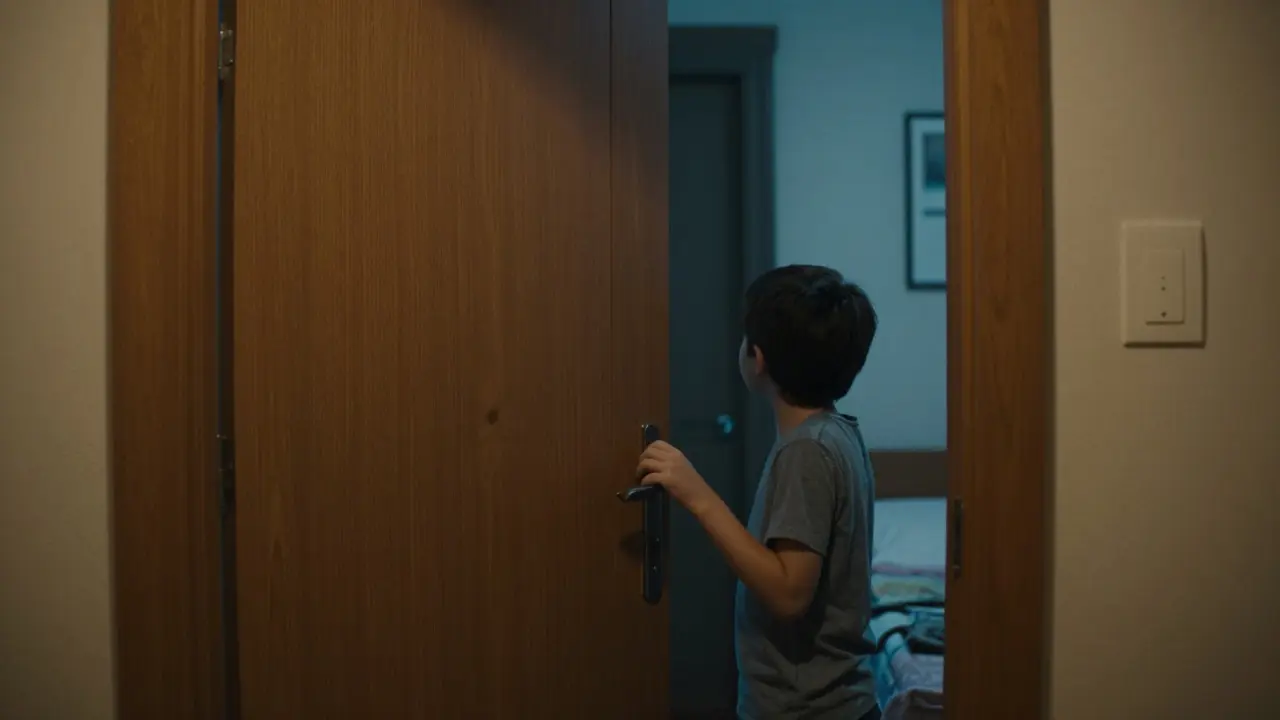
Imagine this: your younger brother is in his room. The door is closed. You can hear the frantic clicking of a mouse and the muffled sounds of a team voice chat. It’s 11 PM on a Tuesday. You tried to talk to him about dinner, but he didn’t answer. He’s not ignoring you out of malice; he’s just… gone. This isn't just a story about a teenager who likes video games. It is a snapshot of how gaming addiction quietly reshapes the emotional landscape of a household.
When one sibling becomes deeply immersed in digital worlds, the impact ripples outward. It changes how parents interact with their children, how siblings communicate, and how the whole family spends its free time. Understanding these shifts is crucial for anyone navigating a home where screens are always on. We need to look past the surface-level annoyance of "too much screen time" and examine the deeper structural changes happening within the family unit.
The Silent Shift in Sibling Bonds
Sibling relationships are built on shared experiences. Think about playing tag in the yard, building forts, or even arguing over the remote control. These interactions create a common language. When gaming enters the picture, that shared language often fractures. The gamer lives in two worlds simultaneously: the physical living room and the virtual arena. For the non-gamer sibling, the other person feels physically present but emotionally absent.
This creates a specific type of loneliness. You are in the same house, eating from the same fridge, yet you feel like strangers. Research suggests that competitive gaming can actually reduce face-to-face empathy because players focus intensely on in-game objectives rather than social cues. If your older sister is ranked up in a multiplayer shooter, she might miss your birthday party because a match started early. To you, it looks like she values pixels more than your presence. To her, it looks like keeping a promise to her online team. Both perspectives are valid, which makes the conflict so confusing and painful.

Parental Mediation and the Triangle of Conflict
Families operate as systems. When one part changes, everything else adjusts. In households with a gaming-addicted child, parents often find themselves stuck in the middle. They become mediators, referees, and sometimes adversaries. One parent might be the "enforcer," setting strict curfews and unplugging routers. The other might be the "sympathizer,