
You finish a ranked match at 2:00 AM. The adrenaline is still pumping, but your brain refuses to shut off. You tell yourself one more hour won’t hurt, yet by the time you close your eyes, it’s 4:30 AM. This isn’t just bad luck; it’s a specific physiological response known as sleep deprivation triggered by high-stimulation environments. For millions of gamers, the line between enjoying a hobby and suffering from chronic fatigue has blurred. Recognizing these shifts early can save your health and your performance.
Gaming doesn't just keep you up; it actively rewires how your body perceives time. The combination of blue light, variable reward schedules, and social pressure creates a perfect storm for delayed sleep phase syndrome. If you’ve ever felt like your internal clock is permanently broken after a weekend of raiding or grinding, you are experiencing a documented change in your circadian rhythm. Let’s break down exactly what is happening inside your head and how to spot the warning signs before they become permanent.
The Biological Cost of Late-Night Sessions
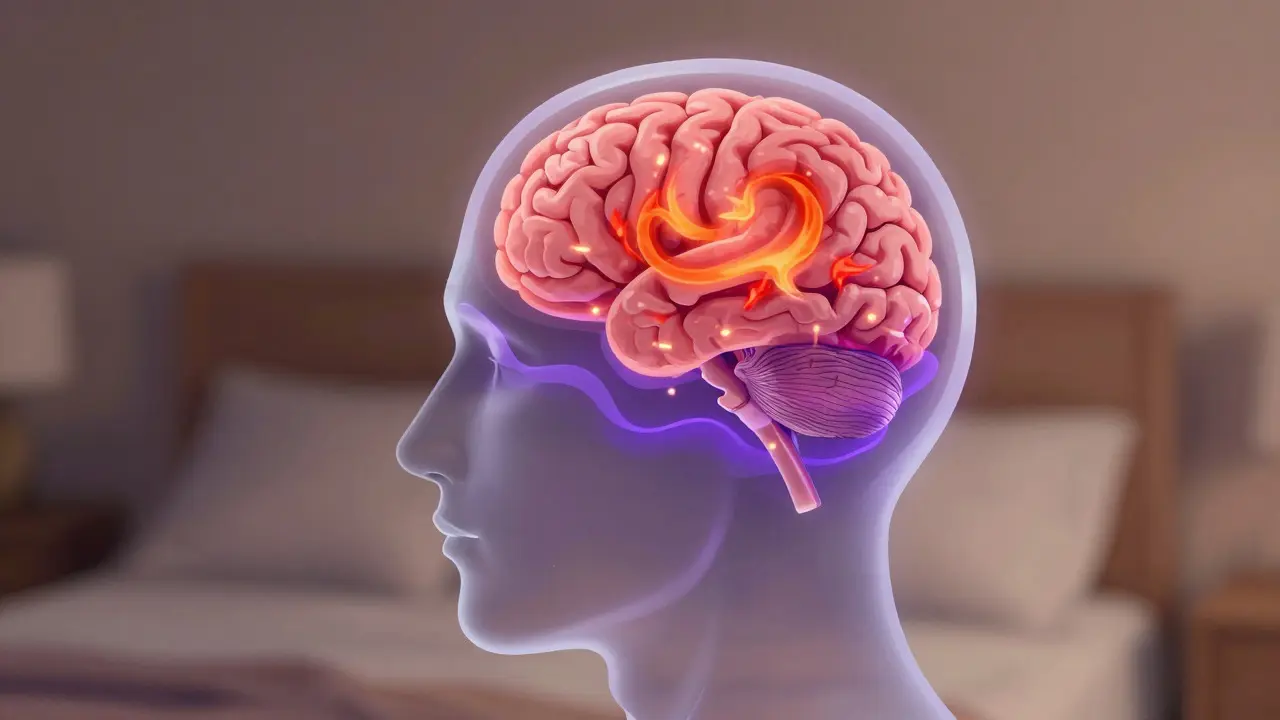
Your body runs on a 24-hour cycle called the circadian rhythm, regulated by a cluster of cells in the hypothalamus known as the suprachiasmatic nucleus (SCN). When you stare at a monitor, two things happen simultaneously that fight against this natural process. First, screens emit blue light, which suppresses melatonin production. Melatonin is the hormone that signals to your brain that it is time to sleep. Second, gaming engages the prefrontal cortex and amygdala, keeping your nervous system in a state of high alert.
This dual assault means that even if you feel tired, your body hasn’t received the chemical cue to wind down. A study published in the Journal of Clinical Sleep Medicine found that heavy video game players had significantly lower levels of slow-wave sleep compared to non-players. Slow-wave sleep is critical for physical restoration and memory consolidation. Without it, you’re running on fumes, relying on caffeine and willpower to function during the day.
- Melatonin Suppression: Blue light exposure delays the onset of sleepiness by an average of 90 minutes.
- Cortisol Spikes: Competitive tension raises cortisol, making it harder to fall asleep once you finally lie down.
- Dopamine Loops: Variable rewards in games create a dopamine spike that keeps the brain seeking the next hit, delaying the transition to rest.
Identifying the Shifted Schedule
The most obvious sign of gaming-induced sleep issues is a shift in your sleep window. It’s not just about staying up late; it’s about your inability to wake up at a consistent time. If you find yourself sleeping from 3:00 AM to 11:00 AM on weekdays, your circadian rhythm has likely shifted by several hours. This condition is often referred to as Delayed Sleep Phase Syndrome (DSPS) when it becomes chronic.
How do you know if it’s a temporary glitch or a structural problem? Look at your consistency. Occasional late nights are normal. But if your sleep schedule varies by more than two hours between your busiest workdays and your leisure weekends, your body is struggling to adapt. This variability is often worse for cognitive function than total sleep loss. Your brain thrives on routine. When you disrupt that routine with erratic gaming sessions, you pay the price in focus, mood, and reaction time.
| Feature | Healthy Gamer Routine | Disrupted Gaming Routine |
|---|---|---|
| Average Bedtime | 10:30 PM - 11:30 PM | 1:00 AM - 3:00 AM+ |
| Average Wake Time | 6:30 AM - 7:30 AM | 10:00 AM - 12:00 PM |
| Sleep Latency | < 20 minutes | > 45 minutes |
| Weekend Variation | < 1 hour | > 3 hours |
| Daytime Alertness | Stable throughout day | Crash at 2:00 PM, hyper at 8:00 PM |
The Psychological Trap of 'One More Game'
Why does it feel so impossible to stop? It’s because modern games are designed to exploit psychological vulnerabilities. Features like daily login bonuses, limited-time events, and competitive ladders create a sense of urgency. You don’t just want to play; you feel obligated to play to avoid losing progress. This creates a form of behavioral dependency where sleep becomes the victim of productivity metrics.
This is distinct from general insomnia. Insomnia is often caused by stress or anxiety about external life events. Gaming-related sleep deprivation is driven by the anticipation of the next session. You might lie awake not because you’re worried about work, but because you’re mentally replaying a failed strategy or planning your next build. This mental rehearsal keeps your brain active long after the screen goes dark. Recognizing this distinction is crucial because the solution isn’t just better sleep hygiene; it’s managing the input stimulus.
Physical Symptoms That Signal Overload
Your body speaks louder than your mind when it comes to sleep debt. While you might feel fine on caffeine, your physiology tells a different story. Pay attention to these concrete indicators that your sleep architecture is compromised:
- Microsleeps: Brief episodes of unconsciousness lasting seconds, often noticed while driving or reading. These are dangerous signs of severe fatigue.
- Irritability Thresholds: Small annoyances trigger disproportionate anger responses. This is a classic symptom of reduced prefrontal cortex regulation due to sleep loss.
- Appetite Changes: Cravings for high-sugar and high-carb foods increase. Leptin, the satiety hormone, drops when you are sleep-deprived, leading to overeating.
- Immune Response: Getting sick more frequently. Even mild colds linger longer because your immune system relies on deep sleep to produce cytokines.
If you notice three or more of these symptoms consistently, it’s time to audit your gaming habits. These aren’t minor inconveniences; they are biological alarms indicating that your recovery time is insufficient for your activity level.
Practical Strategies to Realign Your Clock
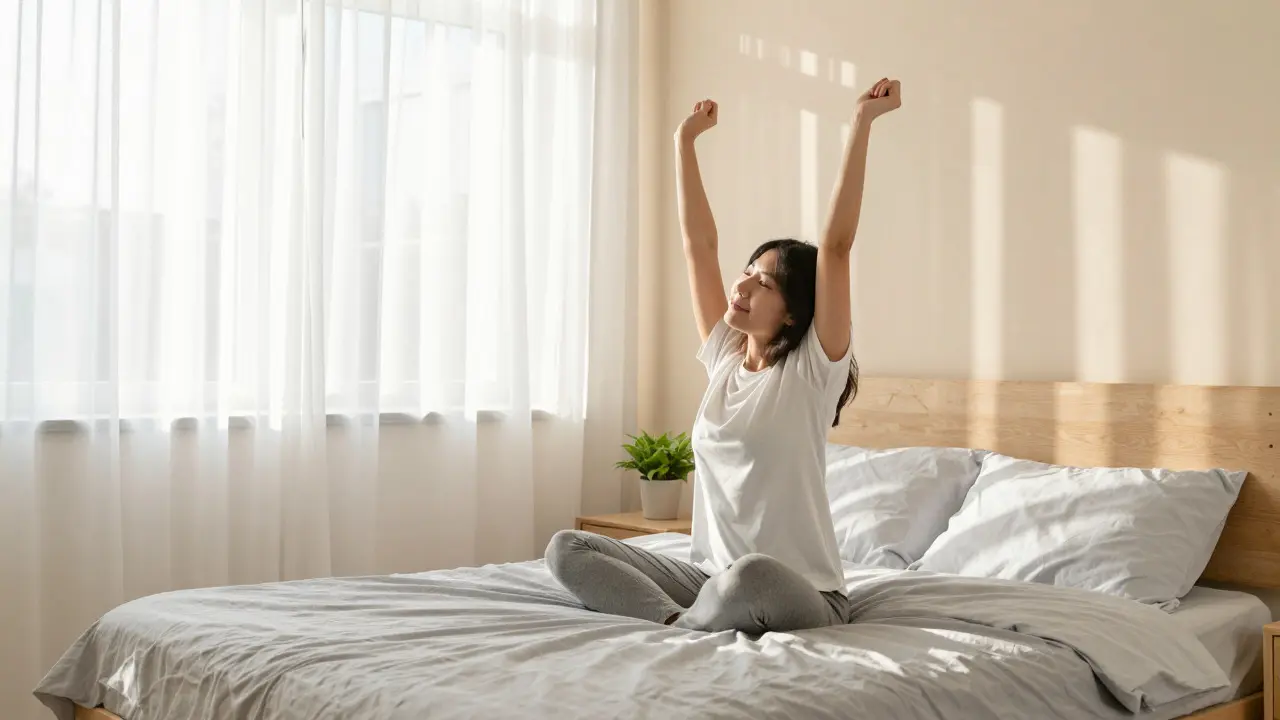
Fixing gaming-related sleep issues doesn’t require quitting the hobby. It requires strategic management. Here is a practical framework to help you reclaim your sleep without sacrificing your passion.
Implement a Hard Stop Rule. Set a timer for your gaming sessions. When it goes off, you have 15 minutes to wrap up. No exceptions. This trains your brain to associate the end of the timer with the beginning of the wind-down process. Use apps that track your playtime to remove the guesswork.
Manage Light Exposure. Switch your monitor to night mode at least two hours before bed. Better yet, move your gaming setup away from your bedroom. Keeping your bed exclusively for sleep helps strengthen the association between lying down and resting. If you must game in bed, use a dim lamp instead of the bright monitor glow.
Use Caffeine Strategically. Avoid caffeine after 2:00 PM. Many gamers rely on energy drinks late into the night, which extends the half-life of caffeine well past bedtime. Stick to water or herbal tea in the evening. If you need a boost mid-session, take a 10-minute walk outside instead of reaching for another drink.
Create a Pre-Sleep Ritual. After your hard stop, engage in low-stimulation activities for 30 minutes. Reading a physical book, stretching, or listening to calm music helps lower your core body temperature and heart rate. This acts as a buffer zone between the high-arousal state of gaming and the low-arousal state required for sleep.
When to Seek Professional Help
Sometimes, self-discipline isn’t enough. If your sleep disruption persists despite implementing these strategies, or if it begins to interfere with your job, relationships, or academic performance, consider consulting a healthcare provider. Conditions like Attention Deficit Hyperactivity Disorder (ADHD) often co-occur with gaming behaviors, and the stimulation from games may be a coping mechanism for underlying executive dysfunction. A professional can help determine if you are dealing with simple poor habits or a deeper neurological issue requiring targeted therapy.
Remember, the goal isn’t to eliminate gaming, but to balance it. Your brain needs downtime as much as it needs engagement. By recognizing the subtle shifts in your sleep patterns and acting on them proactively, you can enjoy your favorite games without paying the price in exhaustion. Your future self will thank you for the clarity and energy that come with proper rest.
Does playing games before bed always cause sleep problems?
Not necessarily. It depends on the type of game, the duration, and your individual sensitivity to light and stimulation. Casual puzzle games played for 30 minutes may have minimal impact, whereas intense competitive shooters played for four hours significantly delay sleep onset. The key factor is the intensity and timing relative to your desired bedtime.
How long does it take to fix a disrupted sleep schedule?
For most people, it takes about 7 to 14 days of consistent behavior change to reset the circadian rhythm. During this period, you should maintain a fixed wake-up time every day, including weekends, and gradually shift your bedtime earlier by 15-30 minutes each night until you reach your target time.
Are blue light glasses effective for gamers?
They can help, but they are not a magic bullet. Blue light glasses reduce the suppression of melatonin by blocking specific wavelengths. However, they do not address the psychological arousal caused by gameplay. For best results, combine them with a reduction in screen brightness and a consistent wind-down routine.
What is the difference between gaming addiction and sleep deprivation?
Gaming addiction is a behavioral disorder characterized by a loss of control over gaming habits, neglect of other responsibilities, and continued play despite negative consequences. Sleep deprivation is a physiological state resulting from insufficient rest. While gaming addiction often leads to sleep deprivation, you can experience sleep deprivation from other causes, such as work stress or medical conditions, without having a gaming addiction.
Can napping replace lost sleep from gaming?
Naps can provide temporary relief from acute fatigue, but they rarely replace the benefits of full-night sleep. Long naps (over 30 minutes) can actually make it harder to fall asleep at night, creating a vicious cycle. Keep naps short, under 20 minutes, and before 3:00 PM to minimize interference with nighttime sleep.