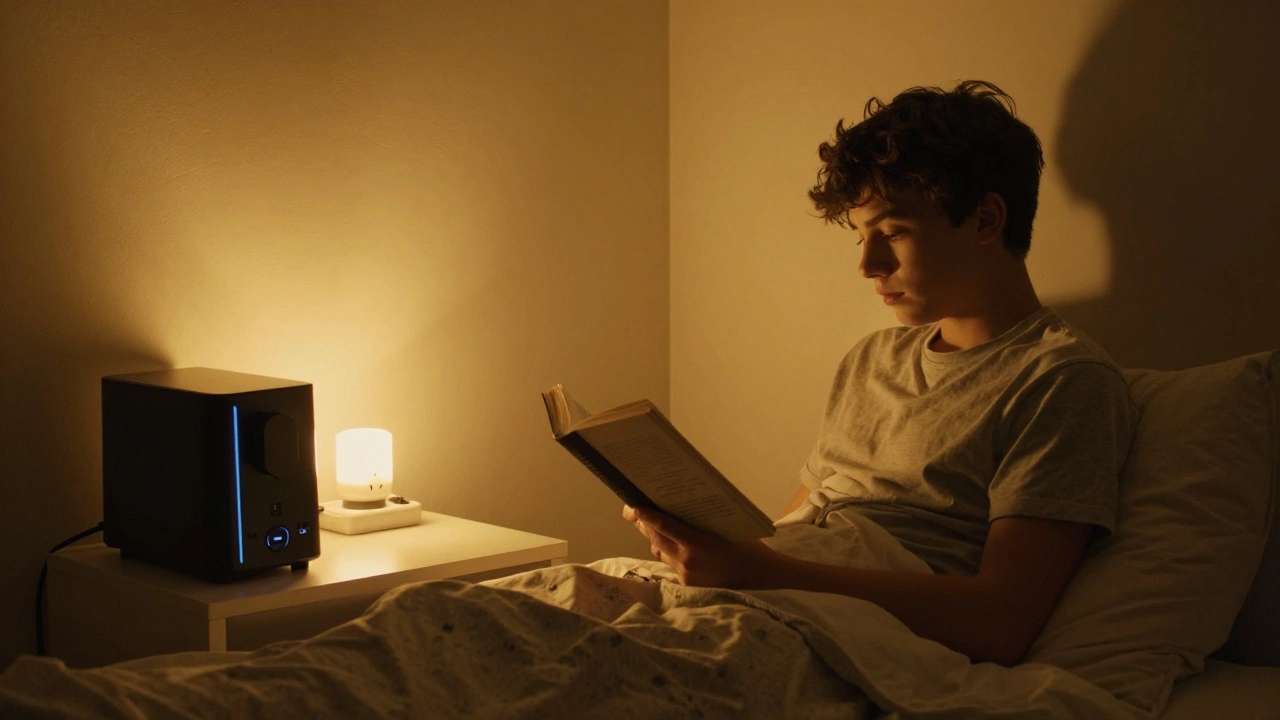
Teens are stuck in a cycle: finish homework, grab a snack, open the game console, and before they know it, it’s 2 a.m. And they’re still playing. This isn’t just about willpower-it’s about biology, environment, and habit stacking. The average teen gets just 6.5 hours of sleep on school nights, and late-night gaming is one of the biggest culprits. But it’s not the games themselves that are the problem. It’s the sleep routines that don’t exist.
Why Teens Stay Up Playing Games
It’s not laziness. It’s not rebellion. It’s dopamine. Video games trigger the brain’s reward system harder than almost anything else teens experience. Every kill, every level-up, every win releases a spike of dopamine. That’s why they say, "Just one more match." And then another. And another. By the time they log off, their body thinks it’s morning. Their circadian rhythm is scrambled.
Studies from the American Academy of Sleep Medicine show that teens who play video games after 9 p.m. are 2.3 times more likely to report poor sleep quality. And it’s not just about the light from screens-though blue light does suppress melatonin. It’s the mental arousal. The adrenaline from competitive play. The emotional investment in a clan or a rank. Their brains don’t switch off. And without a routine to signal bedtime, their bodies never get the cue to slow down.
What Works: Real Sleep Routines That Actually Stick
Here’s what doesn’t work: telling them to go to bed. Yelling. Taking away the console. Those tactics backfire. They create conflict. They teach teens to hide, not change.
What does work? Building a routine so predictable, so calm, and so rewarding that gaming becomes a natural part of the day-not the end of it.
- Set a "game cutoff" time - not a bedtime, but a hard stop for play. 8:30 p.m. for weekdays. 9:30 p.m. on weekends. This isn’t a punishment. It’s a boundary. Stick to it. No exceptions.
- Make the pre-bed hour screen-free - no phones, no tablets, no consoles. Replace it with something low-stimulus: listening to music, reading a physical book, stretching, or talking about their day. The goal isn’t silence. It’s transition.
- Use lighting to signal change - flip on warm, dim lights 30 minutes before cutoff. Bright overhead lights = alert mode. Soft yellow lights = wind-down mode. Your home should feel different at 8:30 p.m. than it does at 7 p.m.
- Charge devices outside the bedroom - not in the kitchen. Not in the hallway. Outside the room. If the phone isn’t within reach, the urge to "just check" drops by 70%. This is science-backed.
- Build a "reward" into the routine - "If you log off by 8:30, you get your favorite snack tomorrow morning." Or, "You earn 30 extra minutes of weekend gaming for every night you stick to the cutoff." Rewards work better than punishments.
How to Get Buy-In Without a Fight
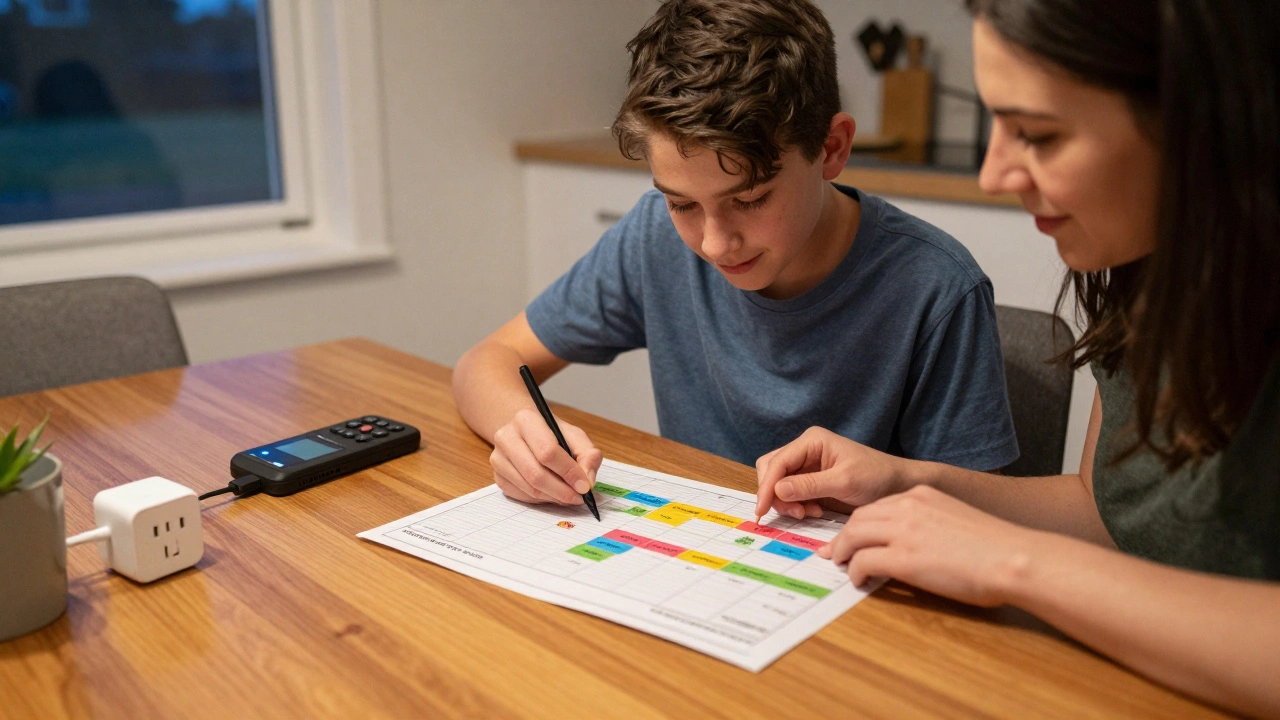
Teens don’t respond to rules. They respond to ownership. So don’t impose a routine. Co-create it.
Have a family meeting. Ask: "What time would you feel okay stopping gaming?" Listen. Don’t interrupt. Then say: "I’m worried about your sleep. Here’s what I’ve learned: teens who sleep 8+ hours do better in school, sports, and even in-game performance. Your reaction time drops after 6 hours of sleep. That’s not just fatigue. That’s a disadvantage."
Then say: "Let’s build a plan together. What would make it easier to stop? What would help you feel like you’re still winning?"
When teens help design the system, they’re more likely to follow it. And if they pick the snack reward? They’ll remember it. They’ll care.
What About Weekends?
Weekends are where routines break. And that’s okay. But they need structure too.
On weekends, let them sleep in-but not past noon. Let them game longer-but not past 10:30 p.m. And here’s the key: if they go to bed after midnight on Friday, they don’t get to game past 9 p.m. on Saturday. It’s not punishment. It’s consequence.
Teens need consistency, not perfection. One late night doesn’t ruin everything. But if late nights become the norm, sleep debt piles up. And that affects mood, focus, grades, and even their gaming performance.
Tools That Help (Without Being Spies)
You don’t need to track every minute. But you do need tools that make boundaries automatic.
- Console parental controls - Xbox, PlayStation, and Nintendo Switch all let you set daily time limits and automatic shutdowns. Set them. Don’t ask. Let the system do the enforcing.
- Smart plugs - Plug the console into a smart plug. Set it to turn off at 9 p.m. No arguments. No power struggles. Just silence.
- App timers - Use built-in screen time tools on iPhones or Android. Block gaming apps after 8:30 p.m. The app disappears. No access. No temptation.
These tools aren’t about control. They’re about removing choice at the moment when self-control is weakest.
The Bigger Picture: Sleep Is a Performance Tool
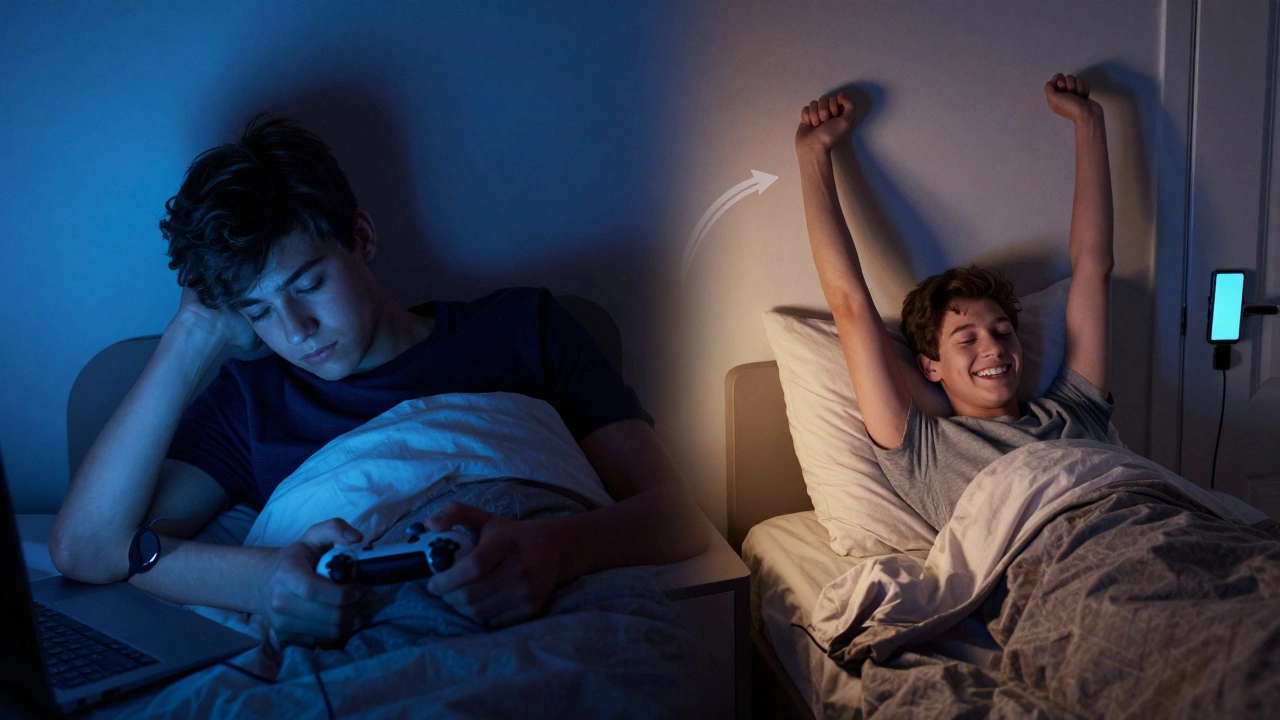
Think of sleep like training for a sport. You wouldn’t expect a runner to win a race after three hours of sleep. Yet teens think they can win a ranked match, ace a test, or stay alert in practice after pulling an all-nighter.
Research from the University of Minnesota shows that teens who sleep 8+ hours have better reaction times, sharper decision-making, and higher focus-whether they’re on the field, in class, or in a game. The same brain that helps them aim a sniper shot is the one that needs rest to function.
Good sleep isn’t just about health. It’s about performance. And for a teen who loves gaming, that’s a message they can understand.
What to Do When It Fails
It will fail. You’ll catch them gaming at 1 a.m. again. Don’t panic. Don’t yell. Don’t take away everything.
Instead, ask: "What made tonight different?" Was it a new game? A tournament? A friend online? Did they forget the cutoff? Did the routine feel too rigid?
Adjust. Not punish. Fix the system. Maybe the cutoff is too early. Maybe they need a 15-minute wind-down playlist before stopping. Maybe the smart plug glitched. Figure it out. Together.
Progress isn’t linear. But routines are. Keep showing up. Keep resetting. Keep reminding them: "You’re not failing. We’re just adjusting the plan.""
Why can’t teens just stop gaming on their own?
Teens’ brains are still developing, especially the part that controls impulses and long-term planning. Gaming triggers dopamine hits that feel like instant rewards, making it hard to walk away-even when they know they should. It’s not laziness or defiance. It’s biology. Structure helps bridge the gap between what they know and what they do.
Is blue light from screens the main problem?
Blue light does interfere with melatonin, but it’s not the biggest issue. The real problem is mental stimulation. A tense match, a heated chat, or the pressure to win keeps the brain active. Even without screens, a teen who’s emotionally wired won’t fall asleep easily. That’s why wind-down routines matter more than blue light filters.
Should I take away gaming privileges entirely?
No. Removing gaming entirely often leads to sneaking, resentment, or rebellion. Instead, set clear, consistent boundaries. Use timers, smart plugs, or console settings to enforce limits. Let them earn playtime through consistent sleep habits. This builds responsibility, not dependence.
How long until I see results?
Most families see improvements in 2-3 weeks. Sleep patterns shift slowly. The first week might be rough. The second week, teens start noticing they feel less tired. By week three, they often ask to stick to the routine because they’re sleeping better and performing better-both in school and in-game.
What if my teen says they need gaming to relax?
Gaming can be relaxing-but only if it’s not competitive or intense. Suggest alternatives like casual games (Stardew Valley, Animal Crossing), music, or journaling. If they insist on gaming, move it earlier in the day and make sure it’s low-stakes. The goal isn’t to eliminate gaming. It’s to separate it from bedtime.
Teens don’t need more rules. They need better systems. And when sleep becomes part of their daily rhythm-not a battle-it’s not just about rest. It’s about performance, mood, and control. Give them the routine. Let them own it. And watch how the late-night gaming fades-not because it was banned, but because it no longer fits.