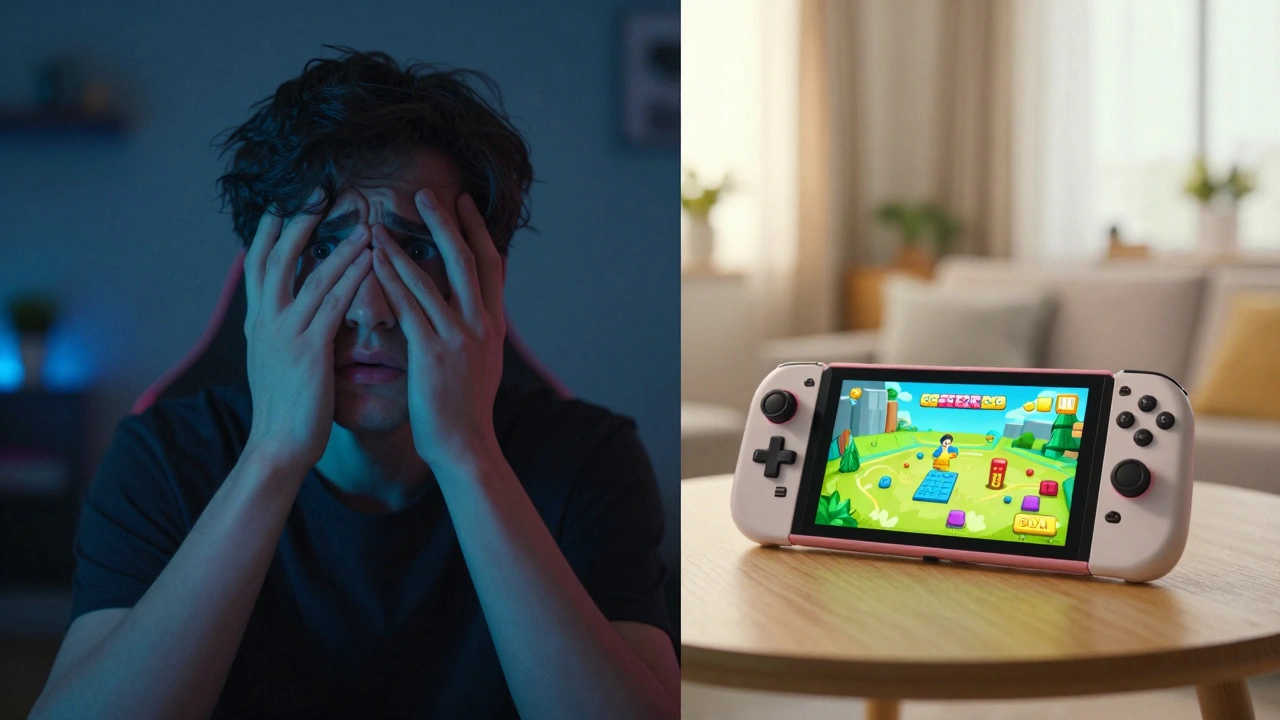
- Identify your specific gaming triggers (social pressure, stress, boredom).
- Shift from 'achievement-based' gaming to 'experience-based' play.
- Set hard physical boundaries to prevent marathon sessions.
- Use a 'buddy system' for accountability.
- Prioritize single-player, non-predatory game designs.
Recognizing the Dopamine Trap
When you've spent years using games to numb pain or escape reality, your brain is wired for a specific kind of reward. Dopamine is the chemical responsible for that 'just one more level' feeling. In a state of recovery, your receptors are sensitive. If you jump straight back into a high-stakes competitive game, you're not just playing; you're triggering a chemical cascade that mirrors the one you experienced during your active addiction. Think about the difference between a puzzle game and a Battle Royale. The latter is designed to keep you in a state of high alert and constant craving. It uses variable reward schedules-the same mechanism found in slot machines-to ensure you stay glued to the screen. If you're trying to maintain sober gaming habits, starting with these types of games is like a recovering alcoholic walking into a bar just to 'see if they can handle one drink.'The Transition to Casual Play
Returning to gaming doesn't mean going back to who you were. It means adopting a 'casual' mindset, which is actually a skill you have to learn. Most of us were 'hardcore' gamers-we optimized every stat and played until 4 AM. Casual play is about enjoying the process rather than the outcome. Start by auditing your library. Look for games that have a definite end point. A game with a credits sequence is far safer than a 'live service' game that updates weekly to keep you hooked. When you play, focus on the sensory experience: the art style, the music, the story. If you find yourself getting angry, sweating, or ignoring a physical need (like hunger or thirst), that's a signal that you've moved from casual play into a triggered state.| Feature | Recovery-Safe (Casual) | High-Risk (Addictive) |
|---|---|---|
| Reward System | Narrative progress / Exploration | Loot boxes / Rank climbs |
| Time Commitment | Defined sessions (1-2 hours) | Open-ended / 'Grinding' |
| Social Dynamic | Co-op / Positive community | Toxic competition / Pressure to perform |
| Game Design | Single-player / Indie gems | MMORPGs / Gacha games |
Setting Hard Physical Boundaries
Willpower is a finite resource. If you rely solely on your mind to stop playing, you will eventually fail. You need external systems to protect your sobriety. This is where 'environmental design' comes in. One effective method is the 'physical timer.' Not a phone app-which is just another screen-but a loud, annoying kitchen timer placed across the room. When it goes off, you have to physically stand up and walk away from the desk to turn it off. This break in the flow state is critical. It forces your brain to switch from the 'gaming zone' back into the 'real world' zone. Another strategy is the 'Console Lock.' If you find yourself sliding back into old habits, give your power cable to a trusted friend or partner. Agree that they will only give it back to you after you've completed your daily non-gaming goals, like exercising or meditating. This creates a barrier that prevents the impulsive 'just one more hour' decision.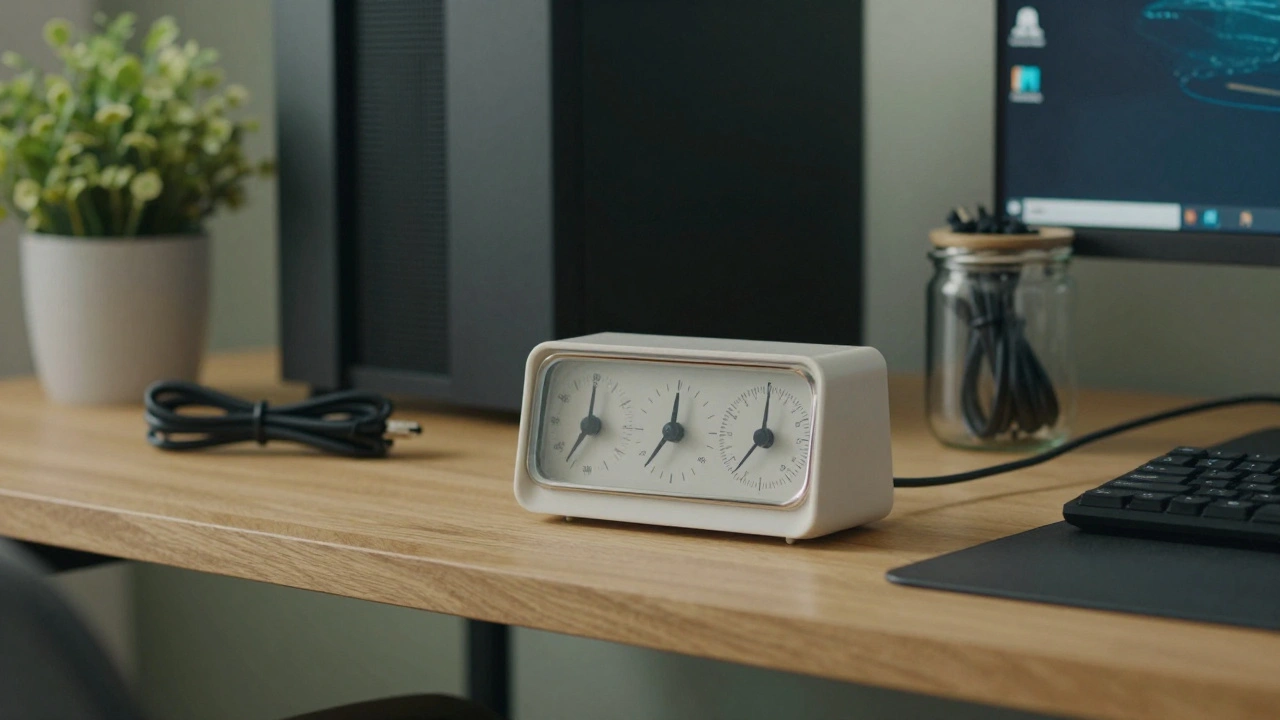
The Role of Social Accountability
Gaming is often a social activity, but that's where the danger lies. 'Gamer guilt' is a real thing-the feeling that you're letting your team down if you log off. This pressure can lead to relapse because it prioritizes the virtual world over your mental health. Be honest with your circle. Tell your friends, 'I'm practicing sober gaming. I can play for two hours, but I'm logging off at 9 PM regardless of what happens in the game.' True friends will support this. If your social circle mocks your boundaries or pressures you to stay online, that environment is no longer safe for your recovery. You might need to find a new community or stick to single-player experiences for a while.Managing the 'Void' After Gaming
One of the hardest parts of returning to casual play is the 'come down.' When you turn off the console, there's often a sudden drop in stimulation. This is the moment where cravings for other substances or behaviors usually hit. You've just spent two hours in a high-stimulation environment, and suddenly, you're back in a quiet room. The contrast is jarring. To combat this, create a 're-entry ritual.' Don't just jump from the screen to your bed. Spend 15 minutes doing something grounding: wash some dishes, take a short walk, or stretch. This helps your nervous system regulate and prevents the vacuum of boredom that often leads to a relapse. If you feel an intense urge to keep playing or start using again, acknowledge it as a chemical reaction, not a personal failure.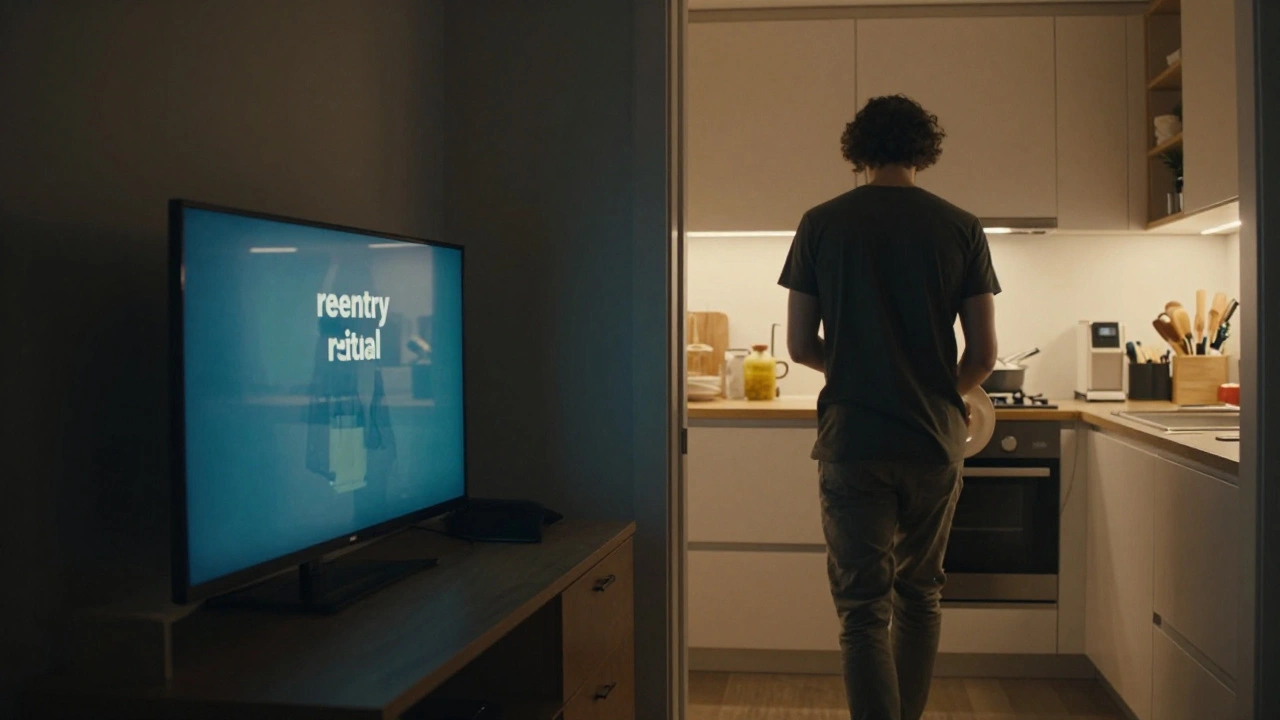
Evaluating Your Progress
How do you know if your return to gaming is healthy? It comes down to how you feel *after* the session. If you feel relaxed, entertained, and ready to move on to other parts of your life, you're doing it right. If you feel irritable, anxious, or guilty, it's time to step back. Keep a simple gaming log. Note down the game you played, how long you played, and your mood on a scale of 1 to 10 before and after. Over a few weeks, you'll start to see patterns. You might realize that certain genres always lead to an anxiety spike, or that playing after 10 PM always leads to poor decisions. This data allows you to make informed choices about what enters your life.Can I play multiplayer games if I'm in recovery?
Yes, but with caution. Avoid competitive 'ranked' modes that trigger high stress. Focus on cooperative (co-op) games where the goal is teamwork rather than dominating others. If you feel social pressure to play longer than planned, it's a sign to take a break.
What are the 'safest' genres for sober gaming?
Puzzle games, narrative-driven adventures, and 'cozy games' (like Stardew Valley) are generally safer because they lack the aggressive dopamine loops found in shooters or gacha games. Look for titles with a clear ending.
How do I handle the urge to 'grind' for rare items?
Grinding is a form of behavioral addiction. When you feel the urge to play for hours to get one item, remind yourself that the item has no value outside the screen. Set a strict time limit before you start the session and stop immediately when it ends.
Should I avoid gaming entirely during early recovery?
For many, a 'digital detox' for the first 90 days is recommended. This allows the brain's dopamine receptors to reset. If gaming was a primary coping mechanism for your addiction, it's often best to establish other hobbies before reintroducing it.
What is the difference between a hobby and an addiction in gaming?
A hobby enhances your life; an addiction replaces it. If you are skipping meals, neglecting hygiene, or avoiding real-world relationships to play, you have crossed the line. A healthy hobby fits into your schedule without compromising your responsibilities.