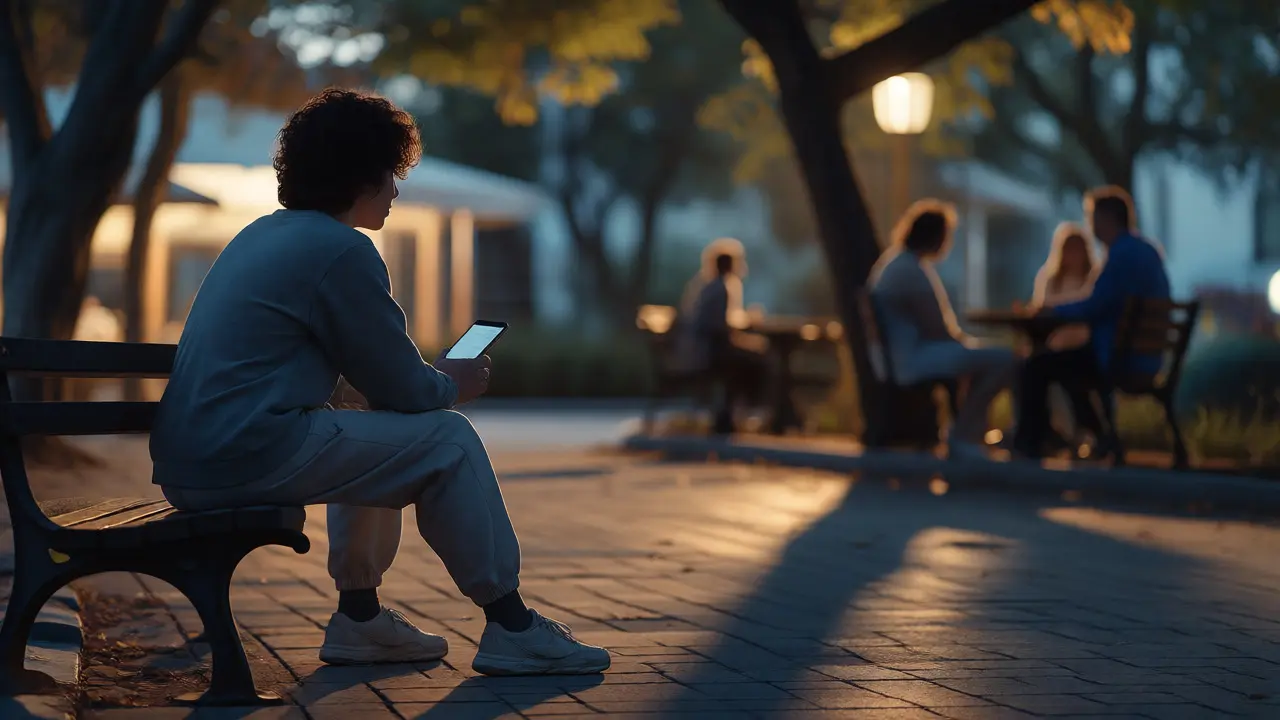
You hit a wall. Maybe it’s the fourth Friday night you’ve spent scrolling through your phone because the idea of walking into a bar feels like stepping onto a minefield. Or maybe you’re three months sober and realize that every single friend you had was attached to a bottle or a bowl. It’s terrifying, isn’t it? The sudden silence where the noise used to be. But here is the truth nobody tells you at step one: recovery isn't just about stopping what hurts; it's about starting what heals. And for most people, that healing starts with human connection that doesn't require a chemical crutch.
We often confuse "socializing" with "partying." We think if we aren't drinking, we aren't socializing. That’s a lie sold to us by marketing departments and bad habits. Real connection happens when two people are present. When you’re recovering, finding those moments requires intention. You have to actively hunt for them because they don’t just fall into your lap anymore. So, how do you rebuild a life filled with people without the old anchors? Let’s look at concrete ways to find your tribe again.
Redefining What Social Means
First, let’s adjust your compass. If you’re looking for "fun," you might be looking in the wrong places. Fun is fleeting. Fulfillment lasts. In early recovery, your brain chemistry is still recalibrating. Dopamine hits from alcohol or drugs were massive spikes followed by deep crashes. Now, you need steady, low-level releases of oxytocin and serotonin. These come from bonding, not buzzing.
Think about your last genuine laugh. Was it while you were blackout drunk? Probably not. It was likely during a shared moment of vulnerability or humor with someone who actually knew you. That’s the target. You are looking for interactions that leave you feeling fuller, not emptier. This shift changes everything about how you choose your Saturday nights.
The Power of Structured Interaction
One of the biggest hurdles for anyone in recovery is the unstructured free time. Alcohol and drugs thrived in the voids of boredom. To combat this, look for activities that provide a built-in script. You don’t have to worry about what to say or how to act because the activity dictates the flow. This lowers social anxiety significantly, which is often high during early sobriety.
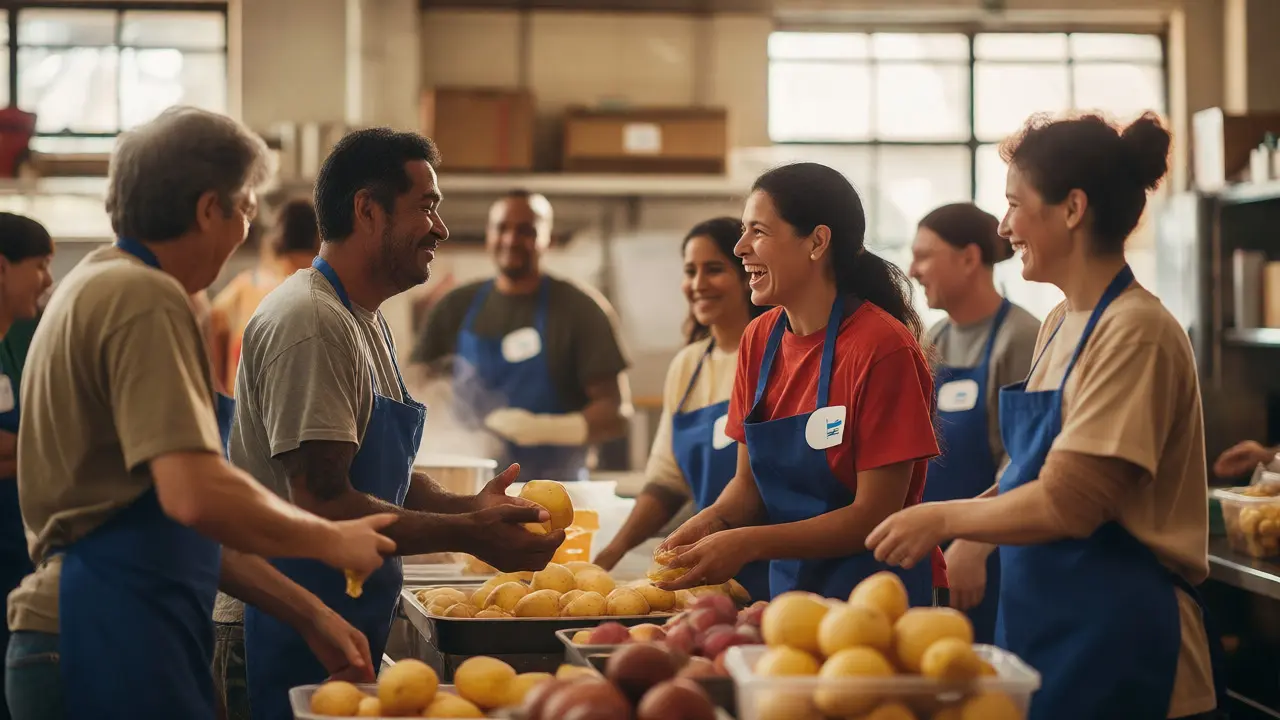
Volunteering is arguably the most underrated tool in the recovery toolkit. It’s not just about being nice; it’s about purpose. When you serve meals at a local shelter or walk dogs for an animal rescue, you interact with people based on a shared task. There’s no pressure to perform. You’re just showing up and doing work.
Consider the Portland Rescue Mission or similar local organizations. You show up, you peel potatoes or sort donations, and you talk to the person next to you. Why? Because you’re both there. It’s organic. Plus, helping others gets you out of your own head. For many people in recovery, self-absorption is a major trap. Volunteering forces your eyes outward. Studies suggest that regular volunteering can reduce mortality risk and improve mental health markers, but honestly, you don’t need a study to tell you that feeling useful beats feeling numb.
Hobbies as Social Bridges
If volunteering feels too heavy right now, try hobbies. But not solitary ones. I’m not talking about watching Netflix alone. I mean group-based interests. Hiking clubs, run groups, board game cafes, or pottery classes. These environments offer repeated exposure to the same people. Familiarity breeds comfort, and comfort breeds trust.
Take hiking, for example. In the Pacific Northwest, trails are everywhere. Joining a weekend hiking group means you see the same faces every week. You start with nods, then small talk about the weather, then deeper conversations about life. The physical exertion also helps regulate mood. Exercise releases endorphins, which are natural mood lifters. You’re getting a double win: social contact and biological regulation.
Board games are another sleeper hit. They have rules. Rules create safety. If you’re awkward, the game covers for you. You focus on strategy or luck, not on filling silences. Look for local game stores that host weekly meetups. Many are explicitly sober-friendly, creating a safe harbor for people who want to connect without the expectation of alcohol.
Navigating the "Third Place" Without Booze
Sociologists talk about the "third place"-a social surrounding separate from home (first place) and work (second place). Historically, this was often a pub or a tavern. For many, this has become a barrier. How do you find a third place that isn’t a brewery?
You have to curate it. Coffee shops are the obvious alternative, but they can feel transient. Try libraries. Modern libraries are vibrant community hubs. They host book clubs, tech help sessions, and art exhibits. They are quiet, accessible, and completely free. Sitting in a library café allows you to be around people without needing to engage directly if you’re not ready. It’s passive socialization, which is a valid stage of reintegration.
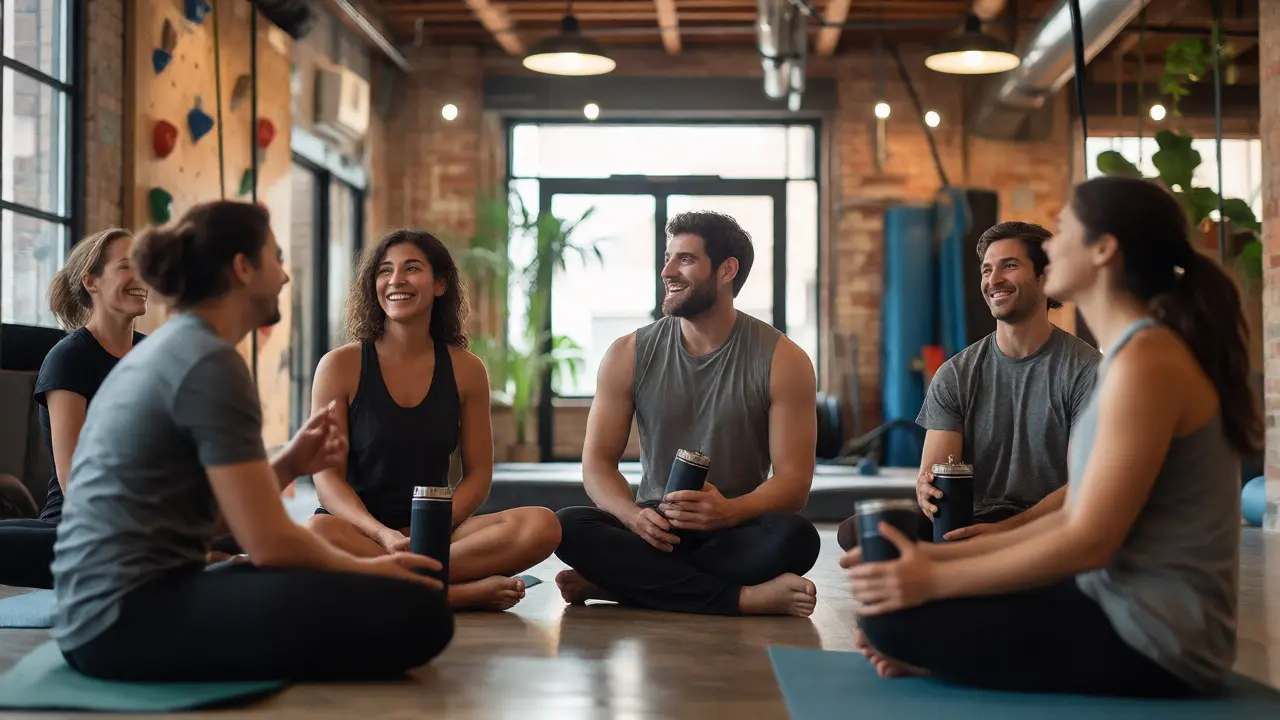
Another option is fitness centers that emphasize community over competition. CrossFit boxes, yoga studios, or climbing gyms often foster tight-knit communities. People know each other’s names. They celebrate milestones together. In a climbing gym, for instance, strangers cheer for each other on the wall. That instant camaraderie is powerful. It breaks down barriers quickly because everyone is vulnerable and trying hard.
Comparing Social Strategies
Not every approach works for every personality type. An introvert might dread a large run club but thrive in a small pottery class. Here is a quick breakdown to help you decide where to start.
| Activity Type | Social Pressure Level | Recovery Benefit | Best For |
|---|---|---|---|
| Volunteering | Low | Purpose, humility, routine | Those seeking meaning and structure |
| Group Fitness/Hiking | Medium | Endorphins, discipline, shared struggle | Those needing physical outlets and energy |
| Classes (Art/Cooking) | Low-Medium | Creativity, skill-building, patience | Introverts or those exploring new identities |
| Game Nights | Low | Playfulness, cognitive engagement | Competitive spirits or rule-followers |
| Support Groups | High (Vulnerability) | Deep understanding, shared experience | Early recovery or crisis moments |
Notice that support groups are listed separately. While they are social, they serve a different function. They are your emergency room for emotions. Don’t rely on them exclusively for all your social needs. Mix them with lighter activities to keep your life balanced.
Handling the Awkward Transitions
Here is the hard part: leaving old friends behind. Or rather, letting some friendships fade. It hurts. You might feel guilty. But staying in relationships that revolve solely around substance use is dangerous. It keeps you tethered to your past self.
You don’t have to cut everyone off dramatically. Often, distance does the work for you. If you stop going to bars, you naturally stop seeing certain people. That’s okay. Grieve the loss if you need to. But recognize that you are making space for new connections that align with your current values.
When meeting new people, you don’t always have to announce your recovery status immediately. Some prefer to lead with their interest (e.g., "I love hiking") rather than their identity (e.g., "I’m an alcoholic"). Both are valid. Test the waters. See if the conversation flows before revealing your hand. Most decent people won’t care anyway. They’ll just be glad you showed up.
Building a Routine That Sticks
Motivation fades. Systems remain. Don’t rely on feeling like going out. Schedule it. Put "Pottery Class" on your calendar like it’s a doctor’s appointment. Treat it with the same respect. Consistency is key to building trust within a new group. Showing up once makes you a stranger. Showing up five times makes you a regular. Regulars get invited to things. Invitations lead to deeper bonds.
Also, manage your energy. Socializing is exhausting when you’re learning to navigate the world sober. It’s okay to go to an event for only thirty minutes. You can leave early. No explanation needed. Protect your peace. If you burn out, you’ll retreat back into isolation. Pace yourself.
Finally, remember that loneliness is temporary, but connection is a practice. It’s a muscle you build. At first, it will feel weak and clumsy. You’ll make mistakes. You’ll pick the wrong group. You’ll have an awkward silence. That’s fine. It’s better than the alternative. Every time you choose presence over escape, you reinforce the neural pathways that make sober living sustainable. You’re not just avoiding relapse; you’re building a life worth staying sober for.
How do I meet new people after cutting ties with drinking buddies?
Start with structured activities like volunteering, hobby classes, or group sports. These provide a shared focus, reducing the pressure of forced conversation. Consistency is crucial; attend regularly to build familiarity and trust with the same group of people over time.
Is it normal to feel lonely even when surrounded by people in recovery?
Yes, it is very common. Early recovery often involves grieving lost relationships and adjusting to new social norms. Feeling disconnected doesn't mean you're failing; it means you're transitioning. Give yourself time to build deeper, more authentic connections that replace superficial ones.
What are good sober-friendly venues for socializing?
Look for coffee shops, libraries, parks, gyms, community centers, and museums. Many cities have dedicated sober social clubs or events at breweries that offer non-alcoholic options. Focus on places where the primary activity isn't drinking, such as game nights, hiking groups, or art workshops.
Should I disclose my recovery status to new acquaintances?
It depends on your comfort level and context. You don't need to lead with it. Share it when you feel safe or when it becomes relevant to the conversation. Many people find that sharing builds immediate trust, while others prefer to let the friendship develop first before discussing personal history.
How can I handle social situations where alcohol is present?
Have an exit strategy and a plan. Bring a supportive friend if possible, order a non-alcoholic drink to hold, and set a time limit for your stay. Remember that you are allowed to leave whenever you feel uncomfortable. Your sobriety takes priority over social politeness.