
Have you noticed that your best friend hasn’t returned your calls in weeks? Or maybe you’ve canceled plans with family three times this month, citing "busy schedules" or "just needing some time alone." If this sounds familiar, it’s easy to brush it off as stress or introversion. But when social withdrawal becomes a pattern, it is often one of the first visible social isolation symptoms linked to underlying issues like substance use disorders or behavioral addictions.
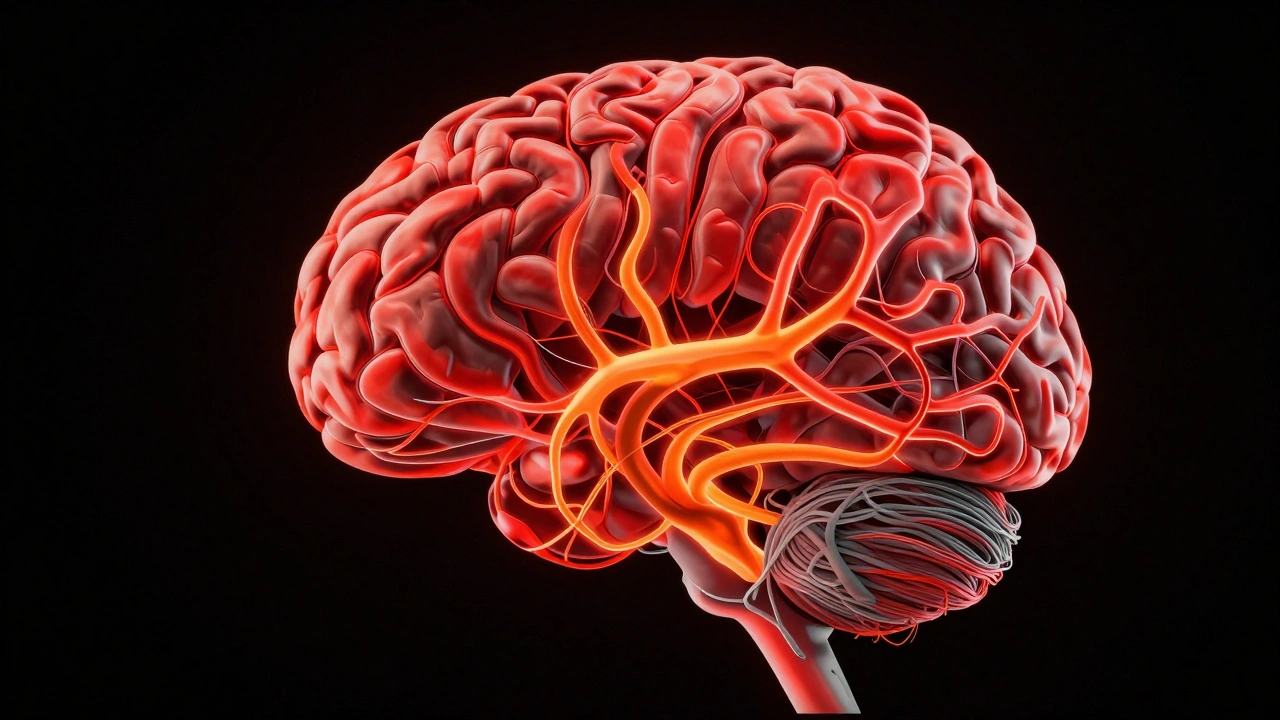
Withdrawing from loved ones isn’t just about being shy. It is a protective mechanism gone wrong. The brain, seeking comfort or escape through an addictive behavior, begins to prioritize that source of relief over human connection. Over time, the neural pathways that reward social interaction weaken, while those tied to the addictive habit strengthen. This shift doesn’t happen overnight, but the signs are usually there if you know what to look for.
The Early Warning Signs of Social Withdrawal
Social isolation rarely starts with a dramatic announcement. Instead, it creeps in through small, seemingly harmless changes. You might start by declining invitations more often than usual. Then, conversations with close friends feel draining rather than energizing. Eventually, you find yourself preferring the silence of your own company-or the company of whatever substance or activity is driving the isolation.
Here are the most common early indicators that someone is pulling away due to addiction-related factors:
- Declining Invitations Frequently: Saying no to events not because of genuine conflict, but because attending would require stepping away from the addictive behavior or facing judgment.
- Shortened Conversations: Ending phone calls or texts abruptly. The person may seem distracted, irritable, or simply uninterested in maintaining dialogue.
- Avoiding Shared Spaces: Spending less time in communal areas of the home, such as the kitchen or living room, to hide behaviors or avoid casual questions about their day.
- Loss of Interest in Hobbies: Dropping activities they once loved, especially if those activities involve other people. A avid hiker stops hiking; a regular gamer quits online teams.
- Emotional Flatness: Appearing detached or numb during interactions. They may smile politely but lack genuine engagement or empathy.
These behaviors can mimic depression or anxiety, which is why context matters. If the withdrawal coincides with secretiveness, financial strain, or mood swings, addiction is a likely culprit. Understanding these nuances helps distinguish between temporary burnout and a deeper health crisis.
Why Addiction Drives People Away from Loved Ones
You might wonder why someone would choose isolation over support. The answer lies in how addiction rewires the brain’s reward system. Normally, human connection releases dopamine, creating feelings of pleasure and security. In addiction, the substance or behavior hijacks this system, providing a faster, more intense dopamine hit. Over time, natural rewards-like laughter with friends or a heartfelt talk with a parent-feel dull by comparison.
This phenomenon is known as anhedonia, or the inability to feel pleasure from previously enjoyable activities. When anhedonia sets in, socializing feels like work. The effort required to engage others outweighs the perceived benefit, so the individual retreats further into their addictive cycle.
Guilt and shame also play a major role. Many people struggling with addiction fear rejection or confrontation. They worry that friends and family will see them as broken or unworthy. To protect themselves from this potential pain, they preemptively cut ties. It’s a defensive strategy, albeit a destructive one. The more isolated they become, the harder it is to seek help, creating a vicious loop.
| Factor | Addiction-Related Withdrawal | Depression-Related Withdrawal | Introversion/Natural Preference |
|---|---|---|---|
| Motivation | To hide behavior or continue using | Lack of energy or interest in life | Preference for solitude to recharge |
| Secrecy | High (hiding usage, lying) | Low (open about feeling down) | N/A (not hiding anything) |
| Mood Changes | Irritability, defensiveness, euphoria | Sadness, hopelessness, apathy | Calm, contented |
| Impact on Responsibilities | Work/school performance declines sharply | Gradual decline in productivity | No significant impact |
| Response to Support | Resistant or hostile | Appreciative but overwhelmed | Comfortable setting boundaries |
Recognizing these differences is crucial for determining the right approach. Treating addiction-induced isolation requires addressing the root cause-the addictive behavior-while supporting the emotional fallout. Simply urging someone to "go out more" rarely works without tackling the underlying dependency.
Emotional and Psychological Impact of Isolation
When you withdraw from friends and family, you don’t just lose connections; you lose a safety net. Human beings are wired for community. Our ancestors survived by relying on group cohesion, and modern psychology confirms that social bonds are essential for mental health. Breaking those ties triggers a cascade of negative effects.
First, loneliness intensifies. Paradoxically, the very thing meant to provide escape-addiction-often leads to deeper feelings of emptiness. Without social validation, self-worth plummets. You begin to believe the worst thoughts about yourself, reinforcing the need to escape again. This cycle erodes confidence and resilience.
Second, cognitive function can decline. Studies show that chronic social isolation affects memory, attention, and problem-solving skills. The brain thrives on stimulation from diverse interactions. When deprived, it becomes sluggish, making daily tasks feel overwhelming. This mental fog can make quitting an addiction even harder, as decision-making capabilities are impaired.
Third, emotional regulation suffers. Friends and family often serve as mirrors, reflecting our emotions back to us in healthy ways. They offer perspective during crises. Without them, emotions spiral unchecked. Anger turns into rage; sadness deepens into despair. This instability makes recovery feel impossible, further cementing the isolation.
How to Spot the Difference Between Introversion and Addiction Withdrawal
Not everyone who spends time alone is struggling with addiction. Introverts naturally recharge through solitude, and extroverts may occasionally need space. So how do you tell the difference? Look at the quality of the withdrawal, not just the quantity.
An introverted person withdrawing typically maintains core relationships. They might skip a large party but still call their sibling or meet their partner for dinner. Their absence is predictable and communicated openly. They return from solitude refreshed, ready to engage again.
In contrast, addiction-driven withdrawal is erratic and secretive. The person disappears without explanation, misses important events repeatedly, and shows signs of distress when confronted. They don’t return refreshed; they return exhausted, anxious, or defensive. The key distinction is intent: introversion seeks peace; addiction seeks escape.
If you’re unsure, observe patterns over time. Does the withdrawal coincide with specific triggers, like payday or stressful periods? Are there physical signs, such as bloodshot eyes, tremors, or sudden weight changes? These clues point toward addiction rather than personality preference.

Steps to Reconnect and Break the Cycle
Rebuilding connections after prolonged isolation is challenging but possible. It requires patience, honesty, and consistent effort. Here’s a practical roadmap for anyone looking to bridge the gap:
- Acknowledge the Problem: Admitting that isolation has occurred is the first step. Denial keeps you stuck. Write down recent instances where you pulled away and identify potential triggers.
- Reach Out Slowly: Don’t bombard friends with messages. Start small-a text check-in, a brief coffee meeting. Low-pressure interactions reduce anxiety and rebuild trust gradually.
- Be Transparent: Share your struggles without oversharing. Letting loved ones know you’re working on personal challenges invites support rather than judgment. Vulnerability strengthens bonds.
- Seek Professional Help: Therapy provides tools to manage cravings and improve communication skills. Cognitive-behavioral therapy (CBT) is particularly effective for addressing thought patterns that fuel isolation.
- Join Support Groups: Communities like Alcoholics Anonymous (AA) or Narcotics Anonymous (NA) offer peer support from people who understand the journey. Shared experiences reduce stigma and foster belonging.
- Set Boundaries with Triggers: Identify environments or people that encourage addictive behaviors and limit exposure. Replace them with healthier alternatives, like exercise classes or volunteer work.
Remember, reconnection isn’t linear. There will be setbacks. Some friends may have moved on, and rebuilding those relationships takes time. Focus on progress, not perfection. Every positive interaction chips away at the walls of isolation.
The Role of Technology in Modern Social Isolation
In today’s digital age, technology complicates social dynamics. On one hand, apps and social media allow us to stay connected across distances. On the other, they enable new forms of isolation. Scrolling through feeds while sitting next to family members creates a paradox: we’re hyper-connected yet profoundly lonely.
Addiction exploits this dynamic. Gaming disorder, social media addiction, and pornography addiction all thrive in digital spaces. These behaviors are private, easily hidden, and instantly accessible. Unlike substance use, which leaves physical traces, digital addictions leave little evidence beyond screen time stats.
However, the impact is similar. Excessive screen use displaces face-to-face interaction, weakening relational muscles. Eye contact, body language, and tone of voice-all critical for empathy-are lost in virtual exchanges. Over time, real-world social skills atrophy, making offline interactions awkward and uncomfortable.
To combat this, establish tech-free zones and times. Designate meals or weekends as device-free. Encourage activities that require presence, like cooking together or playing board games. Small shifts in habit can restore balance and reignite genuine connection.
Is social isolation always a sign of addiction?
No, social isolation can stem from various causes, including depression, anxiety, grief, or personality traits like introversion. However, when withdrawal is sudden, secretive, or accompanied by mood swings and neglect of responsibilities, it may indicate an underlying addiction issue.
How long does it take to rebuild social connections after addiction?
There’s no fixed timeline, as it depends on the severity of isolation and the strength of existing relationships. Generally, consistent effort over several months yields noticeable improvements. Patience and realistic expectations are key to sustainable reconnection.
Can therapy help reverse social withdrawal caused by addiction?
Yes, therapy addresses both the addictive behavior and the psychological barriers to connection. Modalities like CBT and dialectical behavior therapy (DBT) teach coping strategies and emotional regulation, enabling healthier interpersonal dynamics.
What should I do if my loved one refuses help for social isolation?
Focus on maintaining open lines of communication without pressure. Express concern rather than criticism, and model healthy behavior yourself. Sometimes, seeing positive change in others inspires readiness for help. Consider joining Al-Anon or similar support groups for guidance.
Does digital detox help reduce addiction-related isolation?
For digital addictions, yes. Limiting screen time reduces reliance on virtual substitutes for real connection. For substance addictions, reducing digital distractions can free up mental bandwidth for engaging in recovery-focused activities and face-to-face interactions.
Social isolation is more than just spending time alone-it’s a symptom of deeper struggles that deserve attention. By recognizing the signs early and taking proactive steps, you can break the cycle before it spirals out of control. Connection remains our greatest antidote to suffering, even when it feels hardest to reach.