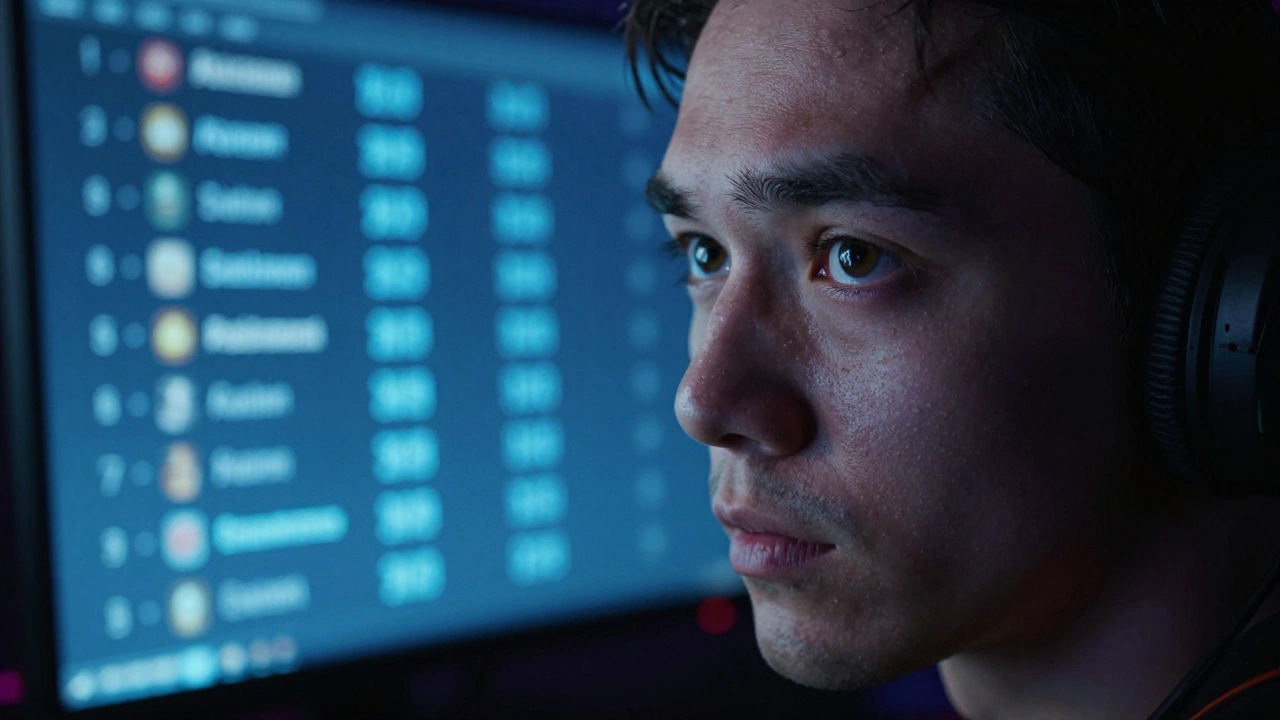
Have you ever found yourself grinding for hours just to climb a few spots on a leaderboard? You know the match isn’t going well. Your team is losing. But that little number next to your name won’t let you quit. This isn’t just dedication; it’s design. Game developers use Social Ranking Systems as mechanisms that display a player's relative standing compared to others in real-time or over specific periods to trigger deep psychological responses. These systems are engineered to create what researchers call "competitive addiction drivers," keeping players hooked long after the fun has faded.
The modern gaming landscape relies heavily on these loops. It’s not about skill alone anymore. It’s about status. It’s about where you sit in the hierarchy of your friends, your guild, or the global community. Understanding how these systems work helps you see the strings pulling at your attention span.
The Psychology Behind the Ladder
Why do we care so much about being better than our neighbor? It goes back to basic human nature. We have an innate drive for social comparison. When a game introduces a rank, it taps into this instinct. You aren’t just playing against AI bots. You’re playing against other people who want the same thing: validation.
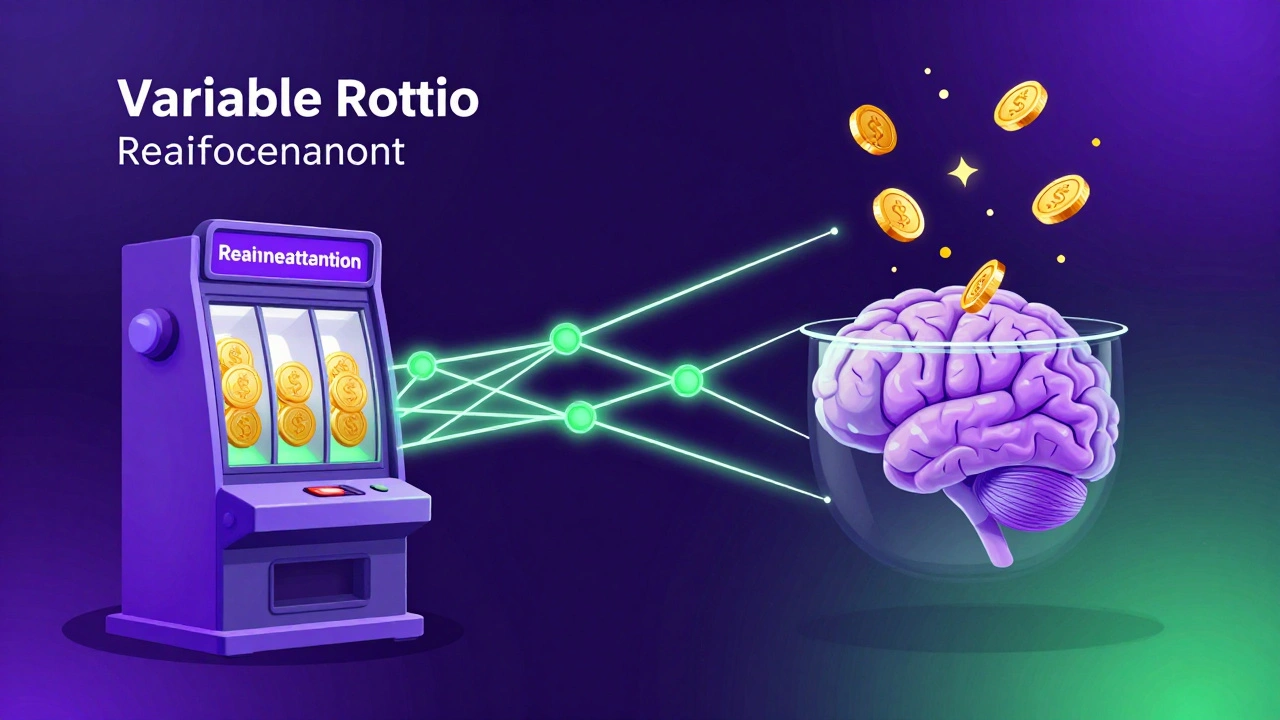
This creates a feedback loop known as Variable Ratio Reinforcement is a behavioral conditioning schedule where rewards are given after an unpredictable number of responses, creating high resistance to extinction. In simple terms, you don’t know when you’ll win. You might lose five times in a row. Then you hit a streak. That unpredictability releases dopamine more effectively than consistent wins. The brain starts craving the potential reward rather than the reward itself.
Consider the concept of "Loss Aversion." Humans feel the pain of losing twice as strongly as the pleasure of gaining. Social ranking systems exploit this by making your current rank feel like an asset you can lose. If you’re ranked Gold, dropping to Silver feels like a failure. So you keep playing to protect your status, even if you’re tired or frustrated. This fear of losing ground is often stronger than the desire to reach the top.
How Games Engineer Dependency
Game designers don’t leave this to chance. They build specific features to maximize engagement. Let’s look at the tools they use.
- Visual Progression Bars: Seeing a bar fill up gives a sense of completion. When it’s tied to a social rank, the urge to finish it becomes social pressure.
- Seasonal Resets: Every few months, the rankings reset. This prevents anyone from staying at the top forever, but it also forces everyone to start over. It keeps the competition fresh and ensures no one can coast on past glory.
- Exclusive Rewards: High ranks unlock skins, titles, or emotes. These aren’t just cosmetic. They are badges of honor. Wearing a "Diamond" tag tells others you’ve suffered through the grind. This adds monetary value to time spent playing.
- Public Shaming: Some games show low-performing teammates’ stats openly. This triggers shame and defensiveness, motivating players to improve-or blame others-to restore their self-image.
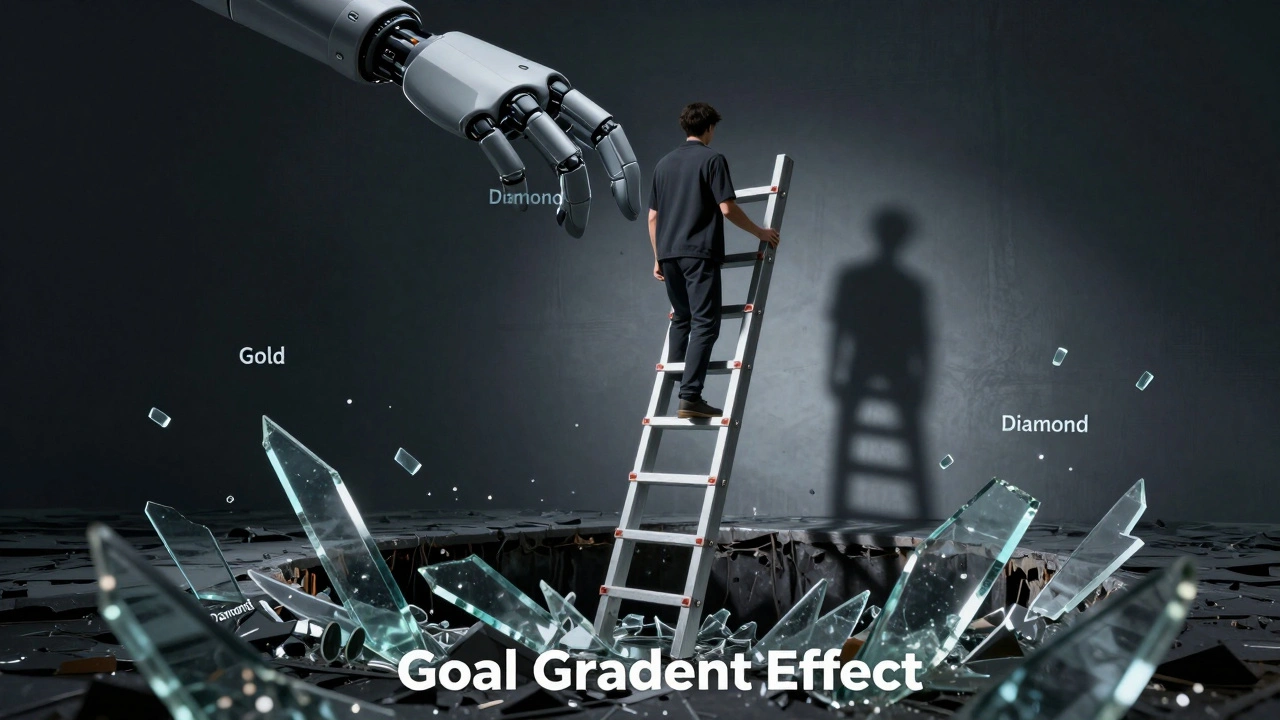
Take League of Legends is a multiplayer online battle arena (MOBA) video game developed and published by Riot Games as an example. Its tiered system (Iron to Challenger) is brutal. The gap between Iron and Bronze feels huge. Once you break through, the next gap feels manageable. This is called the "Goal Gradient Effect." The closer you get to a goal, the faster you move toward it. Developers manipulate these gaps to keep you chasing the next tier.
| Trigger | Mechanism | Player Impact |
|---|---|---|
| Status Anxiety | Fear of dropping ranks | Increases playtime during off-hours |
| Social Proof | Seeing others succeed | Creates FOMO (Fear Of Missing Out) |
| Identity Fusion | Rank becomes part of self-concept | Personalizes losses as character flaws |
| Intermittent Rewards | Unpredictable win/loss cycles | Strengthens habit formation |
The Dark Side of Competition
When competition becomes too intense, it stops being fun. It becomes toxic. This is where "Competitive Addiction Drivers" turn harmful. Players report feeling anxious, depressed, or angry after sessions. The game is no longer a hobby; it’s a job they didn’t apply for.
One major issue is "Tilt." This is a state of emotional frustration where a player makes irrational decisions. In ranked matches, tilt spreads. One bad play leads to anger, which leads to worse plays, which leads to blaming teammates. The social ranking system amplifies this because every mistake costs points. The pressure to perform perfectly creates a hostile environment.
There’s also the problem of burnout. Many players hit a plateau. They put in hundreds of hours but can’t break into the next tier. Instead of quitting, they double down. They watch tutorials, change strategies, and sacrifice sleep. The system has convinced them that success is just one more match away. This is a classic trap. The house always wins because the algorithm adjusts difficulty to keep you engaged, not necessarily satisfied.
Research in Behavioral Psychology is the scientific study of human behavior, focusing on how environmental stimuli influence actions shows that external rewards (like ranks) can undermine internal motivation (like enjoyment). Over time, players stop caring about the game mechanics. They only care about the number. If the game changes and the rank doesn’t matter, they quit. The addiction was never to the game; it was to the validation.
Signs You’re Hooked
How do you know if a social ranking system is controlling you? Look for these signs.
- You check your rank before checking your messages.
- You feel physical stress (heart racing, sweating) when starting a ranked match.
- You avoid playing casually because it feels "wasteful."
- You spend money on boosts or coaching services to skip the grind.
- You dream about the game or replay matches in your head while sleeping.
If any of these sound familiar, the system has worked. It has shifted your focus from intrinsic joy to extrinsic validation. This shift is subtle. It happens over months. By the time you notice, you’re already dependent on the daily dose of status updates.
Breaking the Cycle
Can you enjoy competitive games without becoming addicted? Yes. It requires intentional boundaries. First, separate your identity from your rank. You are not your Elo score. You are a person who plays a game. Remind yourself of this before every session.
Second, limit ranked play. Treat ranked matches as a special event, not your default mode. Play casual modes with friends. Focus on learning new skills rather than winning. When you remove the pressure of the ladder, the fun returns.
Third, take breaks. Step away from the game for a week. Notice how you feel. Do you miss the community? Or do you miss the anxiety? Often, the relief of not having to perform is refreshing. Use this time to explore other hobbies. Reconnect with the world outside the screen.
Finally, be mindful of monetization tactics. Games that sell rank boosts or exclusive cosmetics are designed to accelerate your dependency. Avoiding these purchases reduces the financial stakes, making it easier to walk away.
The Future of Social Rankings
As technology advances, social ranking systems will become more sophisticated. Artificial Intelligence will tailor difficulty curves to individual players. Matches will be matched not just by skill, but by psychological profile. Imagine a system that knows exactly when you’re about to quit and offers a slightly easier opponent to keep you hooked.
This raises ethical questions. Should there be regulations on how addictive game mechanics can be? Some countries are already exploring "loot box" laws. Social ranking systems may face similar scrutiny. Until then, the burden falls on players to recognize the manipulation.
Understanding these systems doesn’t mean you have to stop playing. It means you play with your eyes open. You choose when to engage and when to disengage. You reclaim control over your time and your emotions. The game is supposed to serve you, not the other way around.
What is a social ranking system in gaming?
A social ranking system is a feature in games that displays a player's relative performance compared to others. It uses metrics like win rates, scores, or tiers to create a hierarchy. Examples include Elo ratings, Battle Pass levels, and seasonal leaderboards. These systems motivate players by offering status and recognition.
Why are social ranking systems addictive?
They tap into psychological triggers like variable ratio reinforcement and loss aversion. Players crave the unpredictable reward of climbing ranks and fear the pain of dropping. The social aspect adds pressure to maintain status, leading to compulsive play habits.
How do I know if I’m addicted to ranked play?
Signs include checking your rank obsessively, feeling stressed before matches, avoiding casual play, spending excessive money on boosts, and dreaming about the game. If your mood depends on your rank, you may be hooked.
Can I still enjoy competitive games without the stress?
Yes. Set boundaries by limiting ranked sessions. Focus on skill improvement rather than winning. Play with friends in casual modes. Remember that your worth is not defined by your in-game rank.
What is the Goal Gradient Effect?
The Goal Gradient Effect is a psychological phenomenon where people increase their effort as they get closer to a goal. In gaming, this means players grind harder when they are near the next rank threshold, even if the actual distance hasn't changed.