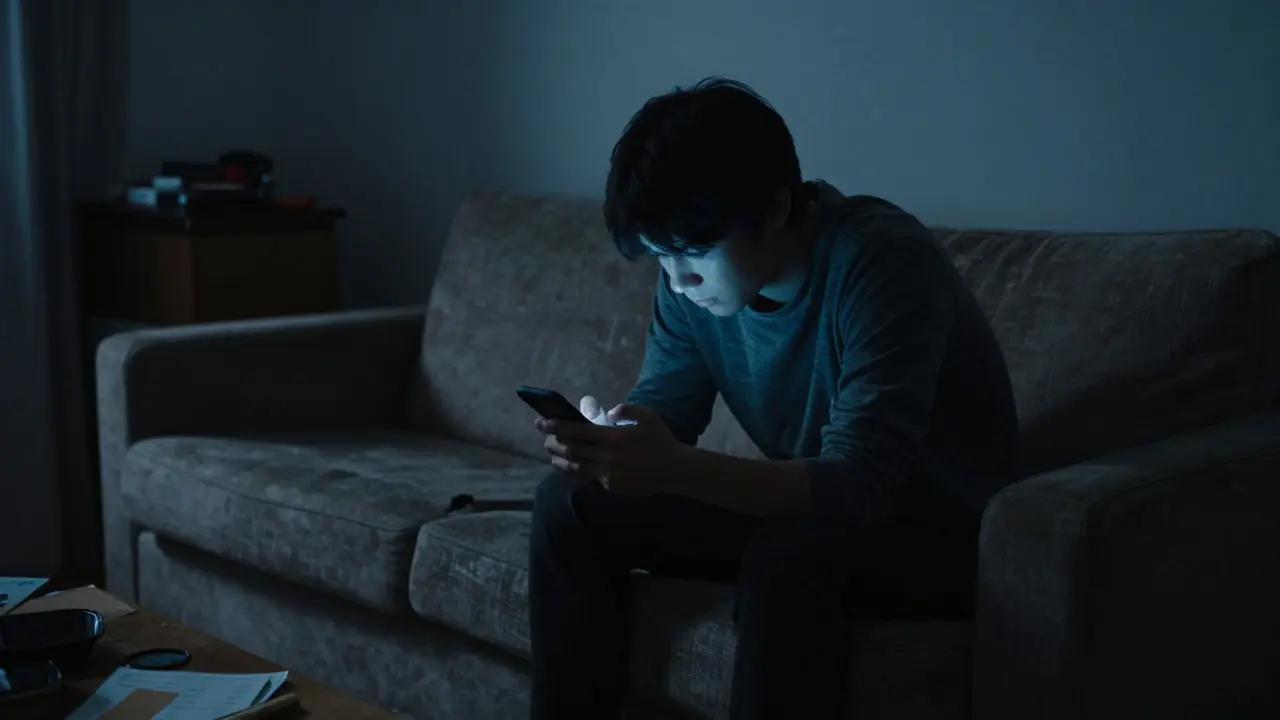
It’s 9 PM on a Tuesday. You’re scrolling through Instagram, seeing photos of friends you haven’t seen in months. Your phone is warm in your hand, but the room feels cold. You tell yourself you’re “busy” or “tired,” but deep down, you know the truth: you’ve stopped showing up for people. This isn’t just about being shy; it’s Social Withdrawal is a gradual retreat from face-to-face interactions that leads to emotional distance and loneliness. It’s a silent epidemic affecting millions, especially in our hyper-connected digital age.
The Silent Erosion of Connection
Most people don’t wake up one day deciding to isolate. It happens in increments. First, you cancel plans because you’re “not feeling well.” Then, you let weeks slip by without checking in on old friends. Finally, the idea of leaving the house for a casual coffee feels like climbing Mount Everest. Psychologists often refer to this as Passive Avoidance, which is a behavioral pattern where individuals avoid social situations due to anxiety or low energy rather than active dislike.
The danger here is the feedback loop. The longer you stay home, the harder it becomes to go out. Social muscles, much like physical ones, atrophy when unused. A study published in the American Journal of Preventive Medicine found that adults who reported high levels of loneliness were 59% more likely to develop heart disease over an eight-year period. So, this isn’t just a mood issue; it’s a physiological risk factor.
Digital Surrogates vs. Human Contact
We’ve become masters at simulating connection. We send voice notes, share memes, and video call from across time zones. These tools are great, but they aren’t replacements. Parasocial Interaction, which refers to one-sided relationships with media figures or online contacts that feel personal but lack mutual presence, can trick your brain into thinking you’re socially fulfilled. But true friendship requires shared space, non-verbal cues, and the vulnerability of being seen in your natural state.
Think about the last time you laughed so hard with a friend that your stomach hurt. Did that happen over text? Probably not. Real-world friendships rely on Oxytocin Release, which is a hormone triggered by physical touch, eye contact, and synchronized breathing during face-to-face interaction. Without it, your stress hormones remain elevated, keeping you in a state of low-grade alertness that makes socializing even more exhausting.
Why We Pull Away: The Root Causes
To fix the problem, you have to understand why you started hiding. For many, it’s burnout. In high-pressure careers, socializing feels like another task on a never-ending list. For others, it’s fear of judgment. If you’ve been working from home for three years, returning to office culture or group settings can feel alienating. There’s also the factor of Social Anxiety Disorder, which is a chronic condition characterized by intense fear of social scrutiny and negative evaluation. Unlike normal shyness, this involves physical symptoms like rapid heartbeat and sweating, making avoidance the only logical coping mechanism in the moment.
| Feature | Digital Communication | In-Person Interaction |
|---|---|---|
| Effort Level | Low (can be done anytime) | High (requires scheduling/travel) |
| Emotional Depth | Moderate (text-based) | High (non-verbal cues included) |
| Loneliness Reduction | Temporary relief | Sustained improvement |
| Physical Health Impact | Neutral to Negative (sedentary) | Positive (movement, oxytocin) |

Breaking the Cycle: Small Steps That Work
You don’t need to reinvent your life overnight. You just need to lower the barrier to entry. Start with Micro-Interactions, which are brief, low-stakes social exchanges designed to rebuild confidence without overwhelming pressure. Say hello to a neighbor. Buy coffee from a local shop instead of ordering delivery. These small acts remind your brain that humans are generally safe and welcoming.
Next, schedule “low-effort” hangouts. Instead of a dinner party, suggest a walk. Walking side-by-side reduces the pressure of direct eye contact, which is a game-changer for those with social anxiety. It also provides a natural conversation starter if things get awkward-you can always comment on the weather or the path ahead.
Rebuilding the Circle: Quality Over Quantity
You don’t need fifty friends. You need three or four people who make you feel safe. Focus on depth. Reach out to someone you’ve lost touch with, but keep the message simple. “Hey, saw this meme and thought of you. Coffee this week?” is better than a long, formal invitation. Vulnerability is key. Admitting that you’ve been stuck inside gives the other person permission to be relaxed too. Most people are relieved to hear from you, even if it’s been months.
Consider joining groups based on activity rather than just talking. Book clubs, hiking groups, or volunteer organizations provide a structured reason to meet people. The focus is on the activity, not on performing socially. This shifts the dynamic from “I need to be interesting” to “We are doing something together.”

When to Seek Professional Help
If your withdrawal is accompanied by persistent sadness, loss of interest in hobbies, or changes in sleep and appetite, it might be depression. Major Depressive Disorder, which is a clinical condition involving prolonged periods of low mood and anhedonia that impairs daily functioning, often manifests as social isolation. In these cases, willpower alone isn’t enough. Therapy, particularly Cognitive Behavioral Therapy (CBT), has proven effective in breaking avoidance patterns. Medication may also be necessary to balance neurochemical imbalances that fuel anxiety and withdrawal.
Frequently Asked Questions
Is social withdrawal a sign of introversion?
Not necessarily. Introverts recharge by spending time alone, but they still maintain meaningful connections. Social withdrawal is characterized by a *loss* of connection and distress caused by isolation. If you feel lonely and dread reaching out, it’s likely withdrawal, not just personality.
How do I start talking to people again after a long break?
Start with low-stakes environments like libraries, parks, or classes. Use open-ended questions about the immediate environment. Remember, you don’t need to be the most interesting person in the room; you just need to be present. Consistency matters more than intensity.
Can video calls replace in-person meetings?
They are a good bridge, but not a replacement. Video calls lack the peripheral awareness and physical presence that build deep trust. Use them to maintain contact until you can meet in person, but don’t let them become your primary mode of connection indefinitely.
What if my friends don’t seem interested in meeting up?
This is common. Many people are also struggling with their own social fatigue. Be patient and specific with your invitations. If one friend cancels, try another. Eventually, you’ll find those who value the connection enough to show up.
How long does it take to feel comfortable socializing again?
For most people, noticeable improvement occurs within 4 to 6 weeks of consistent micro-interactions. The first few times will feel awkward, but the discomfort decreases rapidly with repetition. Think of it like learning a new skill: practice beats perfection.