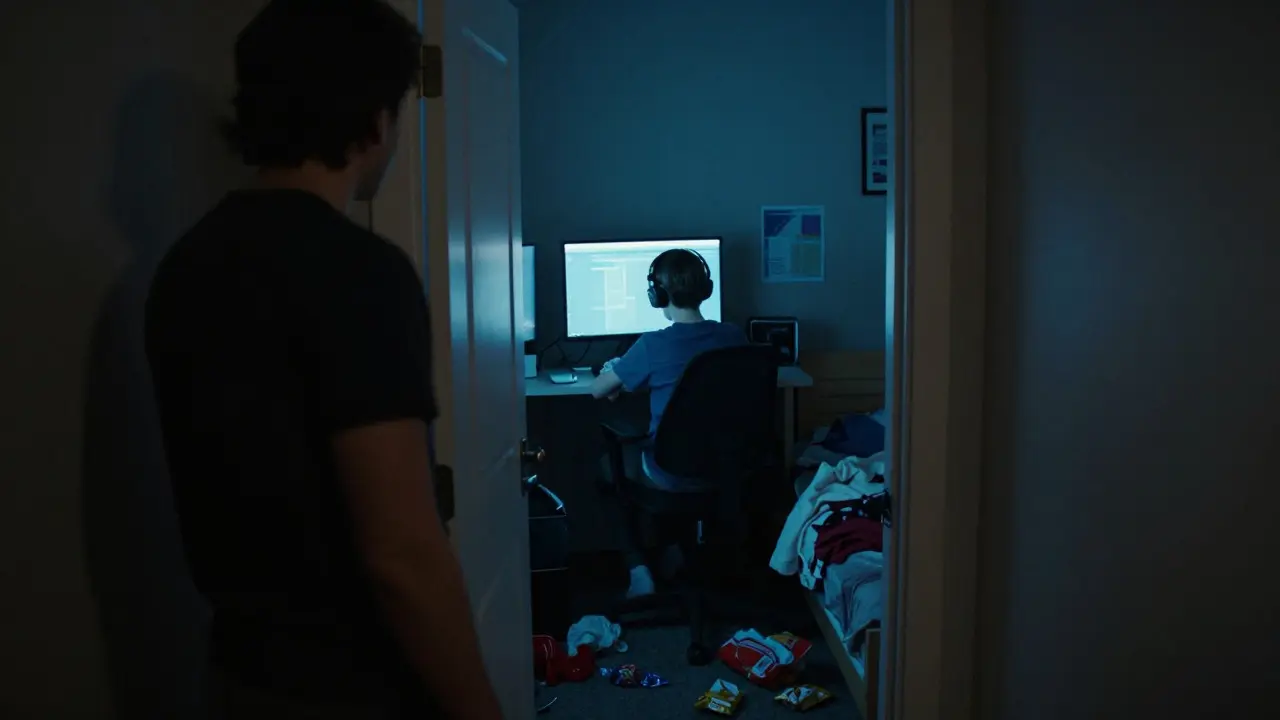
It is 10 PM on a Tuesday. Your child has been in their room for four hours. The door is closed, the headset is on, and when you knock, they don't answer. You feel a mix of frustration and worry. Is this just normal teenage behavior, or is something deeper going on? For many parents, excessive gaming looks like laziness or poor time management. But often, it is a mask. Behind the glowing screen, a child might be battling depression, using the game as a shield against a painful reality.
Understanding the difference between a hobby and a coping mechanism is crucial. It requires looking past the controller and observing the whole person. This guide helps you spot the subtle shifts that indicate your child is hiding behind their avatar.
The Difference Between Passion and Escape
Video Games are interactive digital entertainment experiences that can provide social connection, cognitive challenge, and stress relief. In healthy contexts, gaming is a source of joy. Children who play for passion usually talk about their games with excitement. They share achievements, laugh at funny moments, and balance their playtime with other interests like sports, reading, or hanging out with friends offline.
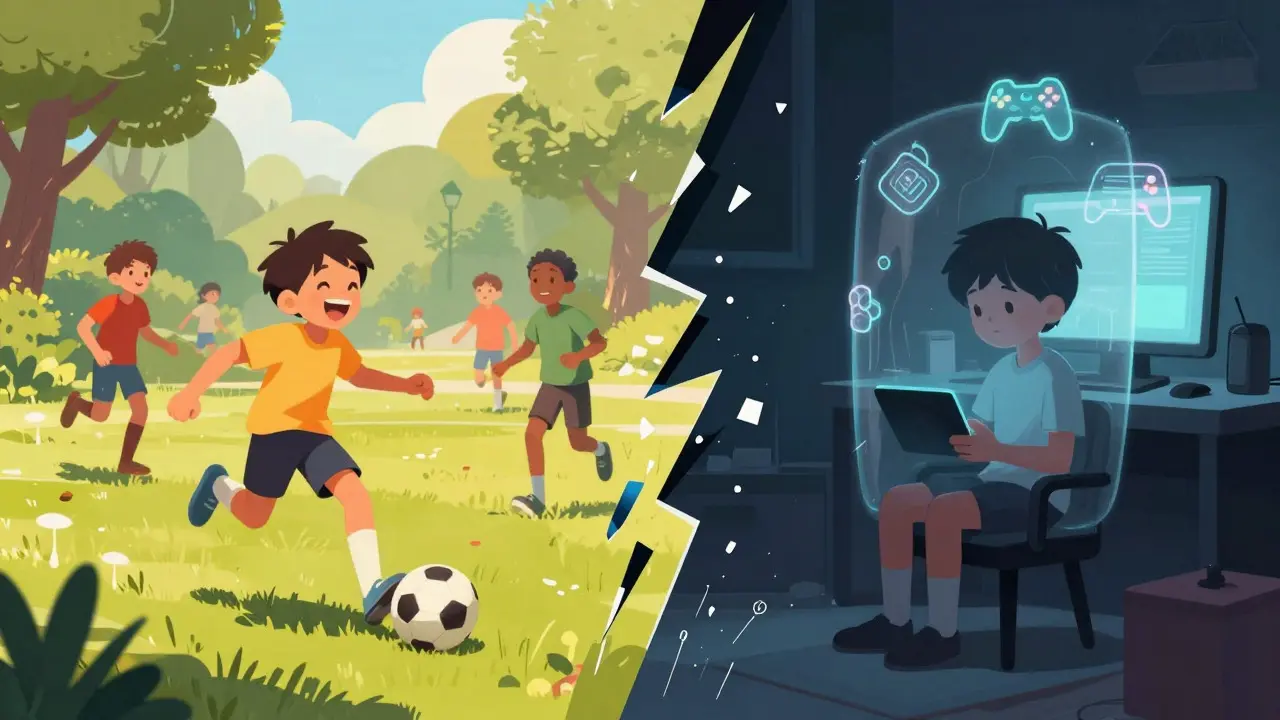
When gaming becomes an escape, the tone changes. The child stops talking about the game itself and starts using it to avoid everything else. If your child used to love soccer but now refuses to put on their cleats because "it's too much effort," that is a red flag. The game isn't the problem; the game is the symptom. It offers a world where rules are clear, progress is visible, and failure is temporary. In real life, if they are struggling with school pressure, bullying, or family conflict, the stakes feel permanent and overwhelming.
Key Behavioral Signs to Watch For
Depression in children doesn't always look like sadness. It often looks like withdrawal. Here are specific behaviors that suggest gaming is masking emotional pain:
- Social Isolation: They stop answering the door. They ignore text messages from friends. They cancel plans last minute, citing "no energy" or "just want to stay in."
- Loss of Interest (Anhedonia): Hobbies that used to bring joy are abandoned. If they were into art, music, or sports, those activities disappear overnight.
- Changes in Sleep Patterns: They sleep during the day and are awake at night. This disrupts their circadian rhythm and makes them more irritable and tired during the day.
- Appetite Changes: They forget to eat or only eat snacks while playing. Weight loss or gain can happen without them noticing.
- Irritability Over Small Things: Taking the controller away, asking them to do dishes, or even a loud noise triggers an angry outburst. This is often called "irritability-based depression" in younger people.
If you see three or more of these signs lasting for more than two weeks, it is time to take it seriously.
Why Kids Hide Behind Screens
To understand why your child retreats into pixels, you need to understand what the game gives them that real life isn't right now. Psychologists note that video games provide a sense of agency and control. In a game, if you fail, you respawn. You try again. There is no judgment. For a child dealing with academic failure or social rejection, this safety net is incredibly appealing.
Furthermore, online communities offer a different kind of social validation. If a child feels invisible at school, they might be a leader in a gaming clan. This isn't bad in itself. The issue arises when the online world becomes *more* rewarding than the offline one. When the contrast is too sharp, the real world feels dull and painful by comparison. The child doesn't hate you or their life; they just prefer the place where they feel competent and safe.
How to Start the Conversation Without Triggering Anger
The worst thing you can do is storm in and yell, "Get off that game!" This confirms their fear that you only care about the screen, not them. Instead, approach them when they are not playing. Maybe after dinner or during a car ride. Keep the tone low and curious, not accusatory.
- Pick a neutral time: Avoid moments when they are mid-game or just finished a match.
- Use "I" statements: Say, "I've noticed you've been spending a lot of time in your room lately. I'm a little worried about how you're feeling," instead of "You are always on your computer."
- Listen more than you speak: Let them explain. They might say, "It's just fun." That's okay. Ask follow-up questions like, "What part of the game do you like best?" This shows you respect their interest.
- Validate their feelings: If they mention stress at school, say, "That sounds really hard. Do you want help figuring out a plan, or do you just need some space?"
The goal isn't to ban the game immediately. The goal is to open a channel of communication so they know they aren't alone in their struggles.
Practical Steps for Parents
Once you suspect depression, you need a strategy. Banning the game abruptly can make things worse, leading to rebellion or secret gaming. Try these balanced approaches:
| Strategy | Reactive Approach (Punitive) | Proactive Approach (Supportive) |
|---|---|---|
| Initial Action | Confiscate device immediately | Observe patterns and note specific triggers |
| Communication Style | Accusatory, shouting, ultimatums | Calm, curious, empathetic listening |
| Goal Setting | Zero gaming until grades improve | Negotiated limits with clear rewards for non-gaming activities |
| Professional Help | Only if behavior becomes violent | Early consultation with a pediatrician or therapist |
| Long-term Outcome | Secret gaming, resentment, trust issues | Better emotional regulation, restored trust |
Start small. Suggest a "tech-free hour" before bed. Encourage them to join a local club or team that aligns with their interests. If they like strategy games, maybe they enjoy chess or board games. If they like action games, perhaps martial arts or swimming could satisfy that need for physical release. The key is replacement, not just removal.

When to Seek Professional Help
You don't have to figure this out alone. Sometimes, parental intuition is all you need to know that something is wrong. Consider seeing a professional if:
- Your child mentions self-harm or death, even in passing.
- Their grades drop significantly over a short period.
- They become physically ill (stomach aches, headaches) before school or social events.
- They have stopped eating or sleeping properly for more than a week.
A pediatrician can rule out physical causes, but a child psychologist or psychiatrist is better equipped to diagnose depression. Early intervention makes a huge difference. Treating depression early prevents it from becoming chronic and helps your child develop healthier coping mechanisms for the future.
Frequently Asked Questions
Is excessive gaming always a sign of depression?
No. Many kids play excessively because they find it fun or because their peers are doing it. However, if gaming coincides with withdrawal from other activities, mood changes, or physical symptoms, it may be a sign of underlying mental health issues.
How much screen time is considered too much for a teenager?
There is no single number, but the American Academy of Pediatrics suggests balancing screen time with sleep, physical activity, and homework. Generally, more than 4-5 hours of recreational screen time per day can start to interfere with daily responsibilities and social development.
Should I take away my child's console if they seem depressed?
Usually, no. Abruptly removing a primary coping mechanism can increase anxiety and anger. Instead, work toward negotiated limits and replace gaming time with other engaging activities. Use the console as a reward for positive behaviors rather than a punishment target.
What if my child denies being sad or stressed?
Many adolescents minimize their emotions. Don't argue about whether they are sad. Focus on observable behaviors. Say, "I notice you haven't eaten lunch in three days," rather than "You look depressed." This keeps the conversation factual and less defensive.
Can video games actually help with depression?
Yes, in moderation. Some studies suggest that certain types of games can improve mood, reduce stress, and provide a sense of achievement. The key is balance. When gaming is one part of a healthy lifestyle, it can be beneficial. When it replaces all other activities, it becomes a risk factor.