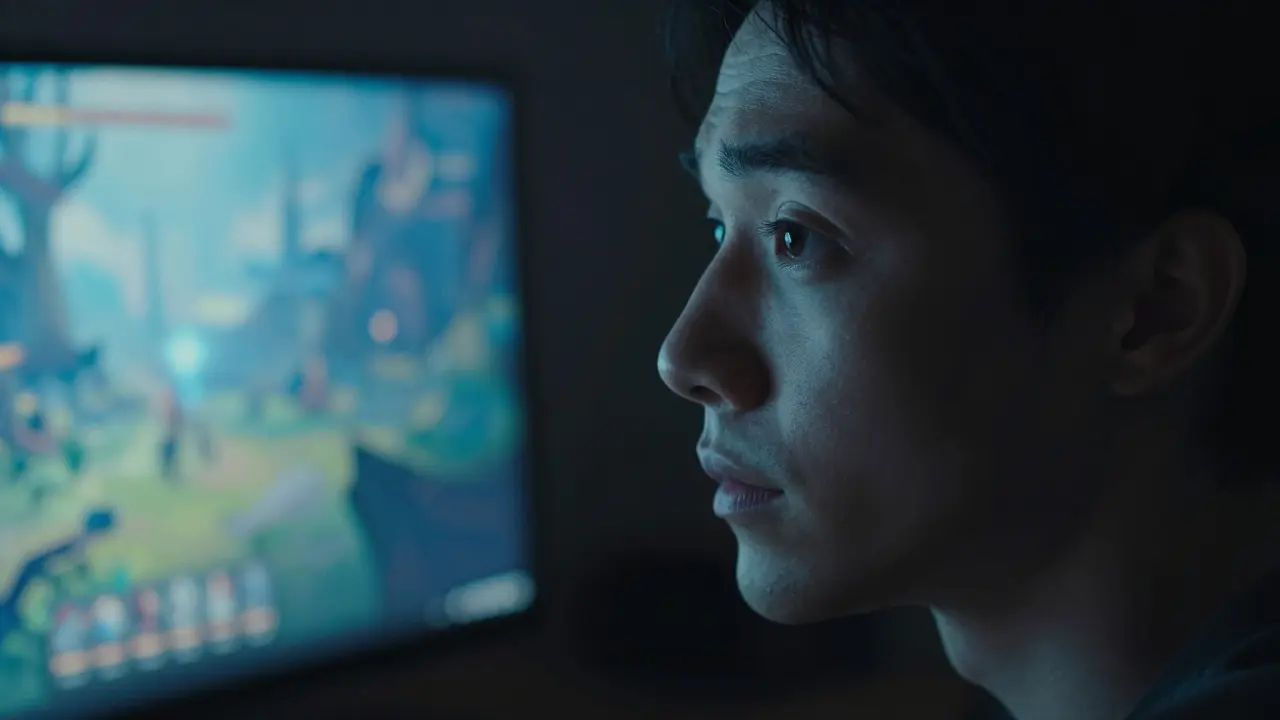
Have you ever stayed up until 3 AM because a character in a game was about to make a life-altering decision? You knew the real world was waiting for you. You had work in eight hours. But the story demanded your attention. This is the power of narrative immersion. It’s not just about playing; it’s about living inside someone else’s reality.
Modern video games have moved far beyond simple button-mashing. They are now complex psychological environments where players form deep emotional bonds with digital characters. This bond creates a unique type of engagement that borders on dependency. Is it healthy? Is it harmful? Or is it simply a new way humans connect with stories?
The Psychology of Staying In
To understand why we get hooked, we have to look at how our brains process fiction. When you read a book or watch a movie, you are an observer. You watch from the outside. In a video game, you are the protagonist. Your actions drive the plot. This agency changes everything.
Psychologists call this "flow state." It happens when a task is challenging enough to keep you focused but not so hard that you quit. In story-driven titles, the challenge isn't just combat; it's moral ambiguity. Do you save the village or save the friend? The brain releases dopamine not just when you win, but when you resolve tension. Every choice resolves a knot of uncertainty, giving you a small hit of satisfaction.
This loop is similar to other addictive behaviors, but with a twist. The reward is often emotional rather than material. You don't get money or food. You get closure. And closure is powerful.
How Designers Build the Hook
Game developers know exactly what they are doing. They use specific techniques to keep players engaged for dozens of hours. These aren't accidental; they are engineered.
- Environmental Storytelling: Instead of long text boxes, designers place clues in the environment. A broken toy in a corner tells you a family lived there. A bloodstain on the wall hints at violence. You piece the story together yourself, which makes it feel more personal.
- Character Arcs: Main characters start flawed and end changed. Players invest in this growth. If a character fails, it feels like *your* failure.
- Pacing Control: Developers alternate between high-intensity action and quiet reflection moments. After a battle, you might sit by a campfire and talk to companions. This rest period lets the emotional weight settle in.
These elements work together to create a seamless experience. There is no pause button for the story. Even when the gameplay stops, the narrative tension remains.
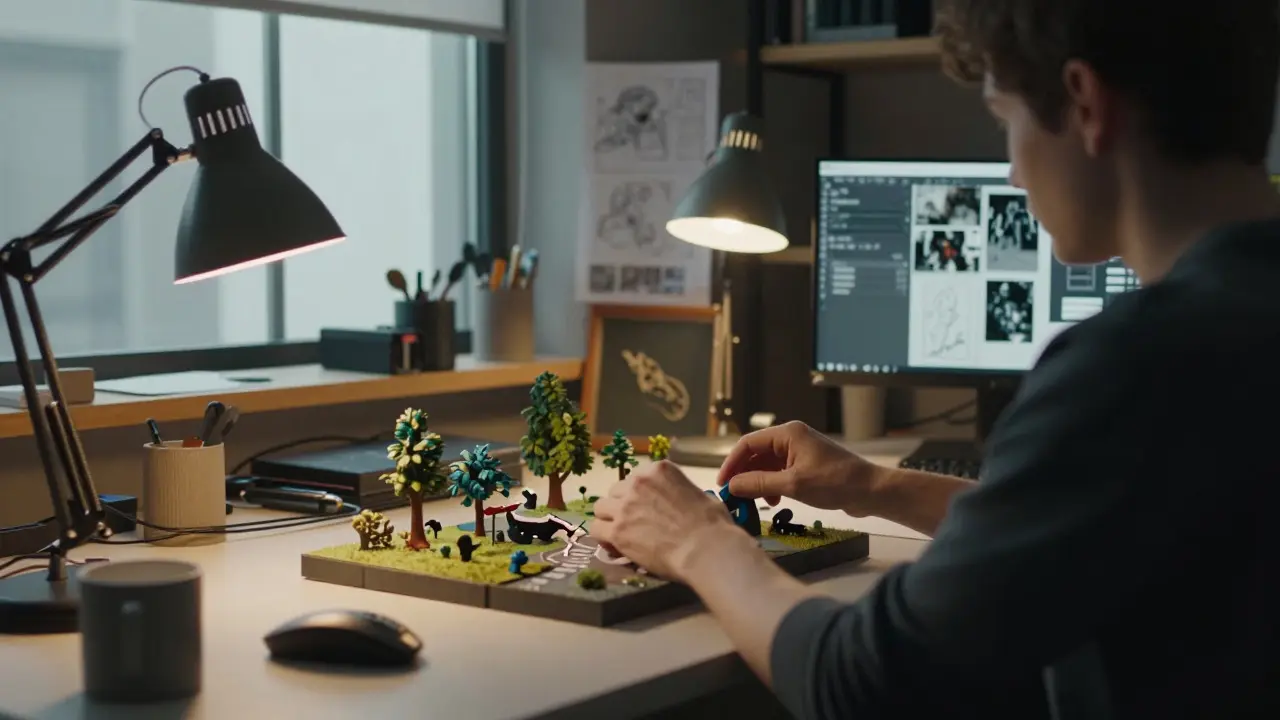
Immersion vs. Obsession
There is a fine line between being immersed and being obsessed. Immersion is temporary. You finish the chapter, take a break, and return to normal life. Obsession is when the game starts dictating your schedule.
Signs that immersion has tipped over include:
- Neglecting basic needs like sleep or hydration to finish a quest.
- Irritability when forced to stop playing.
- Trouble separating game logic from real-life decision-making.
- Social withdrawal to spend more time in the virtual world.
If you find yourself checking your phone to see if the game is still loading, you might be crossing that line. The goal is enjoyment, not escape.
The Role of Community
You are rarely alone in your obsession. Online communities amplify the experience. Fans discuss theories, share fan art, and debate endings. This social layer adds another dimension to the addiction. You stay engaged not just for the story, but for the conversation around it.
For many, these communities become support systems. Sharing the grief of a character's death with others validates the emotion. It proves that the story mattered. This collective processing helps players move on, but it also keeps them connected to the franchise long after the credits roll.

Managing Your Time
You don't have to choose between loving a game and living your life. Here are practical ways to keep the balance.
- Set Hard Stop Times: Use an alarm. When it goes off, save and exit. No exceptions.
- Play in Chunks: Aim for 1-2 hour sessions rather than marathon nights.
- Keep a Journal: Write down how you felt after each session. Did you feel energized or drained?
- Mix It Up: Alternate story-heavy games with lighter, casual titles to prevent burnout.
By treating gaming as a scheduled activity rather than a default state, you maintain control. The story will wait for you tomorrow. Your health won't always.
Frequently Asked Questions
Are story-driven games more addictive than action games?
Not necessarily. Action games rely on reflexes and score-chasing, while story games rely on emotional investment. Both can be addictive, but for different reasons. Story games tend to have longer, deeper hooks because the player cares about the outcome of specific characters.
What is narrative immersion?
Narrative immersion is the psychological state where a player forgets they are interacting with a machine. They believe their choices matter and feel emotionally connected to the fictional world. It combines visual, auditory, and mechanical elements to create a sense of presence.
Can video games cause depression?
Video games do not directly cause depression, but excessive play without balance can contribute to isolation and poor sleep, which are risk factors. Conversely, many players use games as a healthy coping mechanism for stress. Context matters more than the medium itself.
Why do I cry when a game character dies?
You are experiencing empathy. Because you controlled the character, you internalized their journey. Their loss feels personal. This is a sign of strong narrative immersion and indicates that the game successfully created a meaningful connection.
How long should I play a story-driven game per day?
There is no universal rule, but most experts suggest limiting screen time to 1-2 hours for adults to avoid eye strain and sedentary habits. Listen to your body. If you feel tired or irritable, it's time to stop.