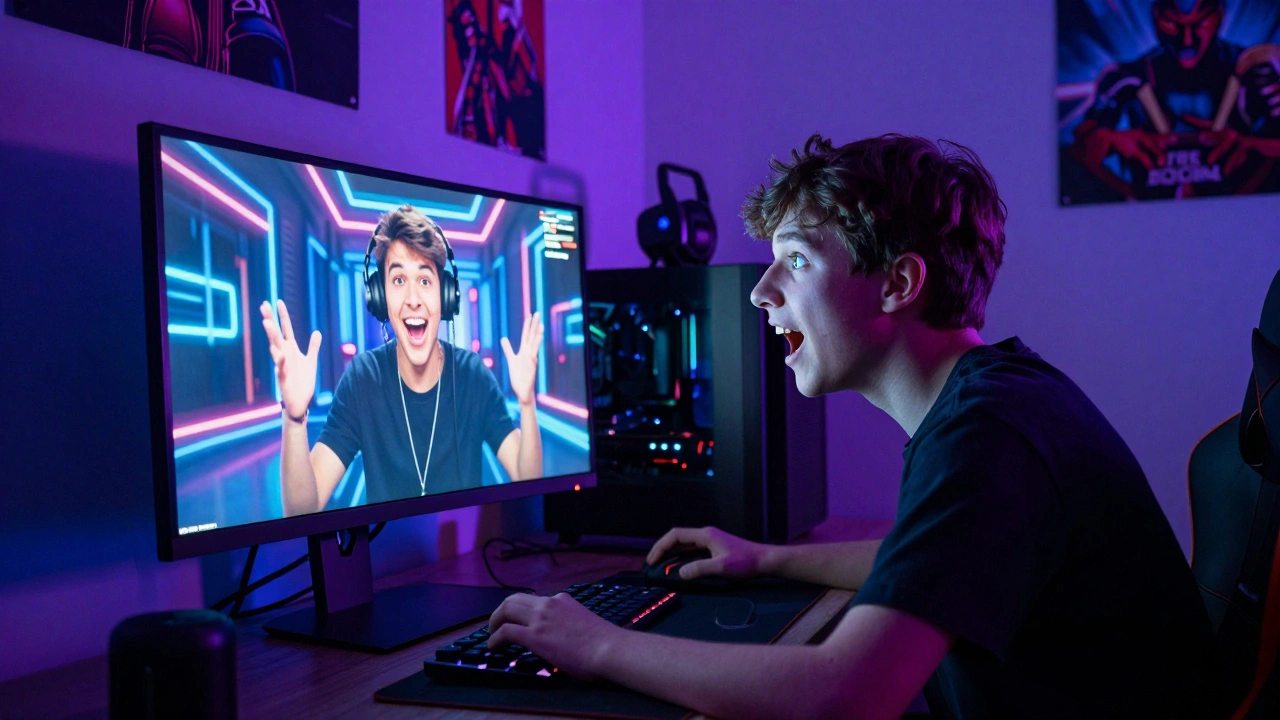
The core problem isn't the gift itself; it's the behavior these promotions normalize. When we blend entertainment with high-stakes luck, the line between a friendly giveaway and a gambling habit starts to blur. For a teenager whose brain is still wiring its reward system, these moments aren't just "fun content"-they are powerful lessons in risk and reward that can shape how they handle money for years.
The Quick Take: What You Need to Know
- Giveaways create a "halo effect," making viewers trust the streamer's advice on spending.
- Loot promotion often mimics gambling mechanics, triggering dopamine hits in young brains.
- The "near-miss" effect keeps youth engaged, believing the next big win is just one click away.
- Parental awareness of "skin gambling" and third-party sites is critical for safety.
The Psychology of the "Big Win"
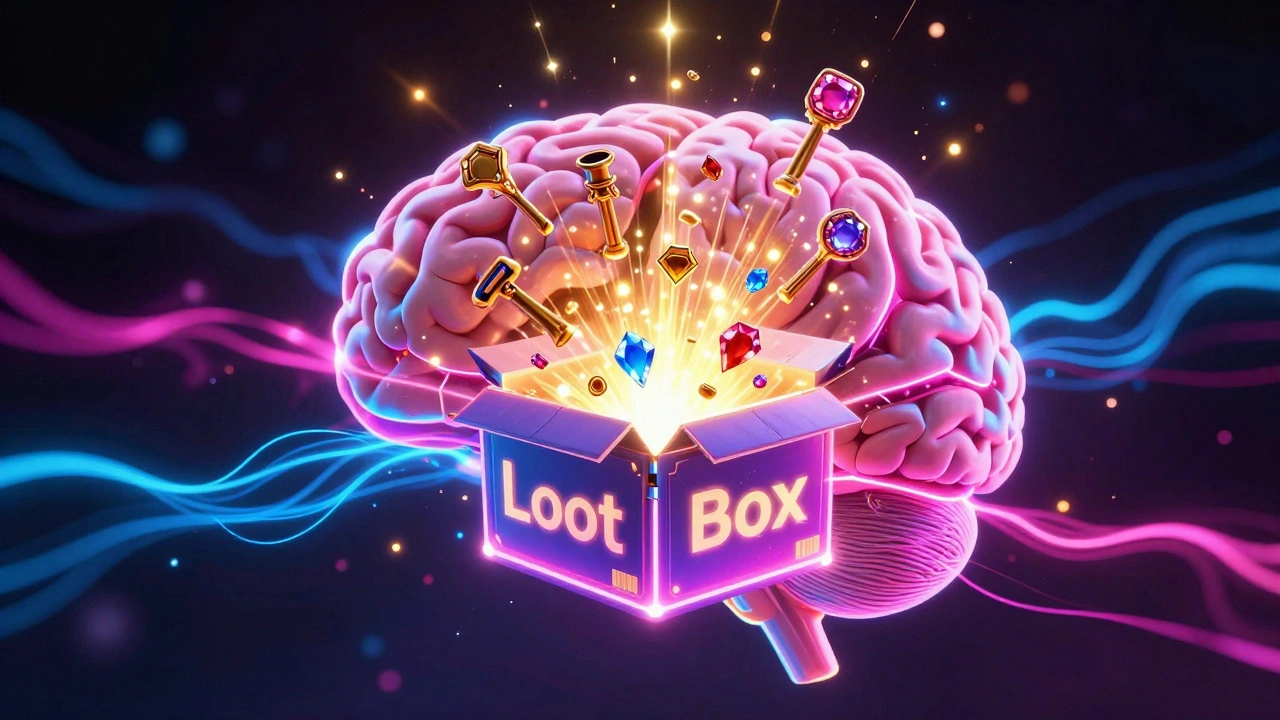
To understand why these promotions work, we have to look at how the human brain reacts to unpredictability. When a streamer opens a Loot Box-a digital container with a randomized reward-it creates a variable ratio reinforcement schedule. This is the same mechanism used in slot machines. The uncertainty of the reward makes the eventual win far more addictive than a guaranteed prize.
For youth, this is amplified by the Dopamine rush. When a viewer sees a creator land a rare item, they don't just see a digital asset; they see a lifestyle upgrade. They start to believe that the "luck" is transferable or that they can replicate the result if they just spend enough. This creates a dangerous cycle where the viewer equates spending money on randomized items with a legitimate investment strategy for social clout.
How Influencer Trust Fuels Spending
Unlike a traditional TV ad, a streamer has a parasocial relationship with their audience. They aren't just a spokesperson; they are a "friend" who hangs out with the viewer for four hours a day. When a creator promotes a specific site or a set of Skins-customized cosmetic appearances for in-game items-they aren't just selling a product. They are lending their credibility to the transaction.
This trust allows streamers to bypass the natural skepticism kids might have. If a trusted figure says, "This site is legit, I just won a knife worth $2,000," the viewer ignores the thousands of failed attempts that happened off-camera. They only see the peak of the mountain, not the climb. This skewed perception of probability is where the real danger lies, as it encourages youth to gamble with pocket money or, in extreme cases, stolen credit cards.
| Feature | Standard Giveaway | Loot/Gamble Promotion |
|---|---|---|
| Cost to User | Free / Low Effort | Direct Monetary Investment |
| Psychological Trigger | Hope and Excitement | Risk-Taking and Addiction |
| Outcome | Winner takes all | Probabilistic loss for most |
| Long-term Effect | Brand Loyalty | Normalization of Gambling |
The Hidden Danger of Third-Party Skins Sites
While many game developers have their own internal monetization, the real wild west exists in third-party marketplaces. These sites often allow users to trade, bet, or gamble with Virtual Currency. When a streamer promotes these platforms, they are essentially onboarding minors into an unregulated casino.
Take a look at the typical flow: a streamer shares a referral code for a "case opening" site. The viewer gets a small amount of free credit to start. Once they experience the thrill of a small win, they are prompted to deposit real money to keep the streak going. Because these sites often operate across international borders, they frequently bypass child labor and gambling laws, leaving parents in the dark until the bank statement arrives.
The Social Pressure and "Digital Status"
In the modern youth culture, owning a rare item in a game like CS2 or Fortnite is the equivalent of wearing a designer watch. It's a signal of status, wealth, and "coolness." Streamer giveaways exploit this need for belonging. When a creator gives away a high-value item, they aren't just giving away a piece of code; they are giving away social power.
This creates an environment where kids feel an intense pressure to participate in these "loot loops." If all their friends are talking about the latest drop or the streamer's latest giveaway, not participating feels like social exclusion. The fear of missing out (FOMO) is a powerful motivator that pushes kids to spend more time and money than they can afford, all for a digital asset that can be patched or deleted by the developer at any time.
Signs That Loot Promotion is Becoming a Problem
Not every giveaway is harmful, but there are red flags that suggest a young person is crossing the line from a fan to a compulsive spender. Parents and educators should look for these specific behavioral shifts:
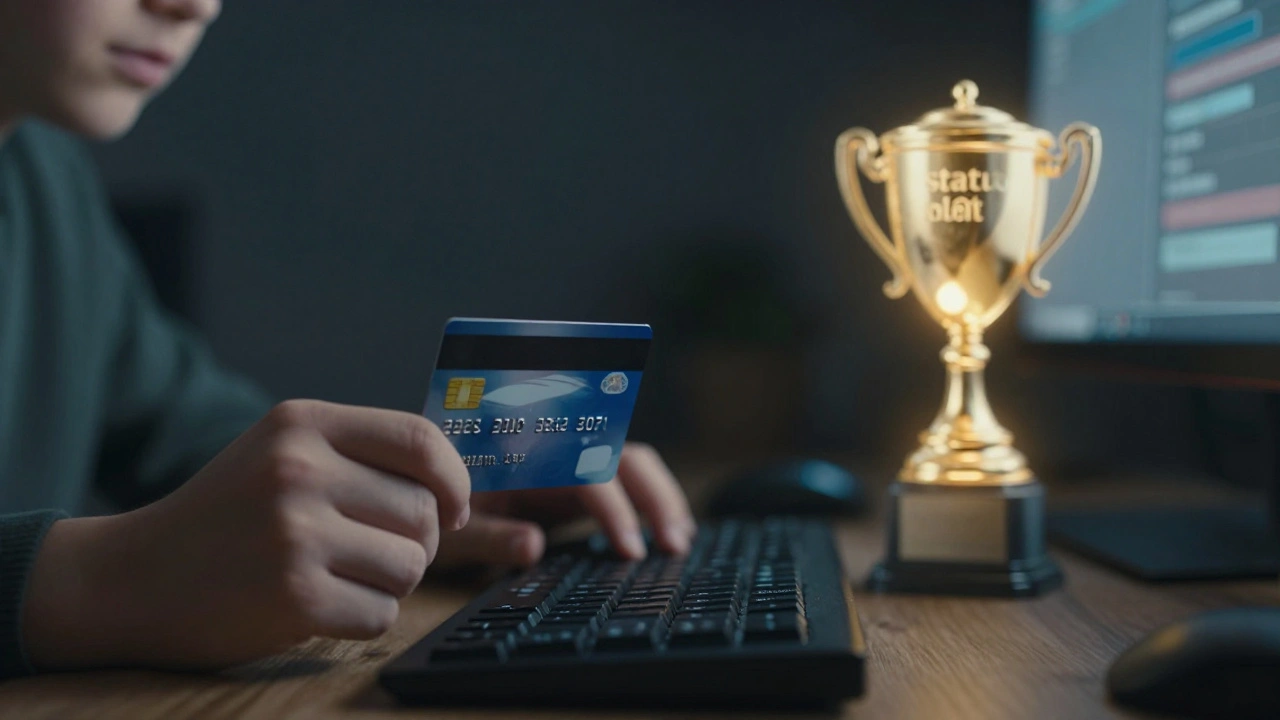
- Secretive Spending: Hiding bank statements or using "gift cards" to mask deposits into gambling sites.
- Emotional Volatility: Intense anger or depression following a "loss" in a loot box opening.
- Obsessive Tracking: Spending hours analyzing "odds" or "drop rates" instead of playing the game.
- Priority Shift: Choosing to spend money on virtual skins over real-world needs like school supplies or food.
How to Build a Healthier Relationship with Gaming Content
We can't simply ban all giveaways-they are a part of the internet's economy. Instead, the goal should be digital literacy. We need to teach youth that a streamer's "luck" is often a curated performance. In many cases, creators are given "seeded" accounts by sponsors-meaning they are guaranteed to win big to make the product look more appealing to the audience.
Encouraging a critical eye is the best defense. Ask questions like: "Why is the streamer showing us this?", "Who is paying for this giveaway?", and "What are the actual odds of winning?" By turning a passive viewing experience into an active analysis, we can strip away the magic and reveal the marketing strategy underneath.
Are streamer giveaways legal for minors?
Generally, free giveaways are legal. However, when a giveaway requires a "purchase to enter" or promotes a site where minors can gamble virtual items for real money, it enters a legal gray area. Many countries are currently tightening regulations on "loot boxes" because they mirror illegal gambling practices.
What is the difference between a loot box and a gamble?
The difference is primarily the perceived value. A loot box is an in-game purchase where the reward is random. It becomes gambling when the items have a real-world market value (like skins that can be sold for cash) and the user spends money repeatedly in hopes of hitting a high-value jackpot.
How can parents stop their kids from spending on loot sites?
The most effective method is removing direct access to credit cards. Use prepaid cards with strict limits or enable "Ask to Buy" features on app stores. More importantly, talk to your children about how these sites are designed to make them lose money while showing a few lucky winners to keep them hooked.
Do streamers actually give away the prizes?
Most reputable streamers do, as their brand depends on trust. However, there are many scams. If a giveaway asks for a "shipping fee" or a password to a social media account, it is almost certainly a phishing attempt to steal information.
Why are loot boxes so addictive for teenagers?
Teenagers' prefrontal cortex-the part of the brain responsible for impulse control-is not fully developed. This makes them more susceptible to the immediate gratification and the dopamine spikes caused by the "near-miss" effect found in randomized loot promotions.
Next Steps for Parents and Educators
If you're worried about the influence of loot promotions, start with a "digital audit." Look at the creators your kids follow and see if they frequently promote third-party gambling sites. If they do, it's a great time to have a conversation about the business of streaming.
For those in a classroom setting, integrating a lesson on probability and statistics using actual game "drop rates" can be a powerful way to show students how the math is stacked against them. When a kid realizes that a "0.1% chance" means they could spend thousands of dollars and still get nothing, the allure of the loot box often vanishes.