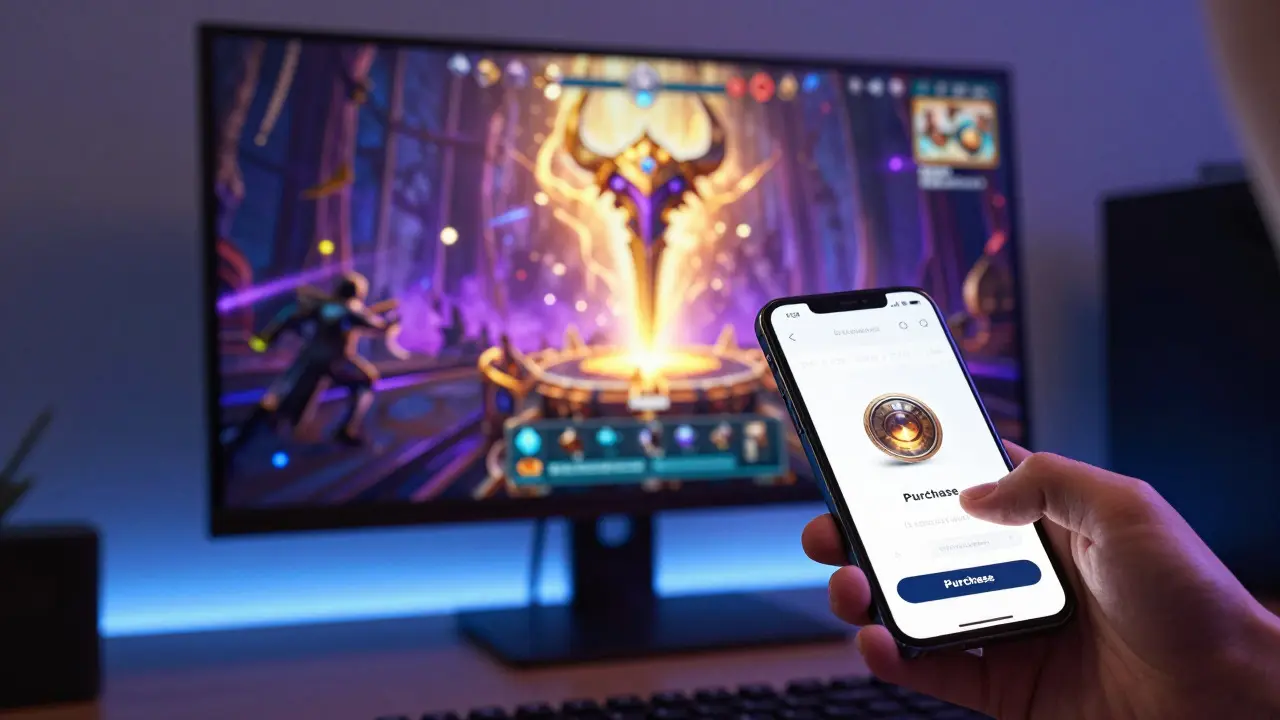
Imagine watching your favorite streamer pull a legendary skin in Genshin Impact. They scream, the chat explodes with emotes, and within seconds, you’re clicking “Buy Now” on a $50 bundle. This isn’t just luck; it’s a calculated psychological trigger. In 2026, influencer-driven loot box purchases have become a multi-billion dollar engine for game publishers, blurring the lines between entertainment and retail. For players, it feels like fun. For marketers, it’s precision targeting. But what’s actually happening under the hood? We’re looking at a sophisticated ecosystem where trust is the currency, and randomness is the product.
The Mechanics of the Deal: How Streamers Get Paid
To understand why this works so well, you have to look at the contract. It’s rarely a simple flat fee anymore. Most major studios use a hybrid model that ties compensation directly to performance metrics. This creates a powerful incentive for streamers to hype up specific items or bundles during their broadcasts.
- Affiliate Commissions: The streamer gets a unique link or code. If you buy a loot box through that link, they earn 5-15% of the sale. This is the most common entry-level deal.
- CPC (Cost Per Click) Bonuses: Payouts increase based on how many viewers click the purchase button, regardless of whether they complete the transaction.
- Performance Tiers: High-tier creators might receive a base salary plus bonuses if the total revenue from their audience exceeds a certain threshold, such as $10,000 in a single week.
This structure means the streamer’s enthusiasm is often proportional to their potential earnings. When a creator pushes a “limited-time” offer, they aren’t just sharing news; they are protecting their own commission window. Understanding this dynamic helps you separate genuine excitement from sales pressure.
Psychological Triggers: Why You Buy What They Say
Human brains are wired for social proof. When a trusted figure validates a random outcome, our risk assessment drops significantly. In the context of loot box mechanics, this effect is amplified by three key psychological factors:
- Variable Reward Schedules: Similar to slot machines, the uncertainty of what’s inside keeps dopamine levels high. Seeing someone else win reinforces the belief that you could too.
- Scarcity Bias: Streamers often emphasize “last chance” or “exclusive drop” windows. Even if the odds don’t change, the perceived urgency drives immediate action.
- Parasocial Trust: You feel like you know the streamer. Their recommendation feels like advice from a friend, not an advertisement. This lowers the mental barrier to spending money on probabilistic goods.
These triggers work together to create a low-friction path from viewing to purchasing. The transition is seamless because the purchase happens in the same environment as the entertainment, removing the need to leave the app or browser.

Comparing Monetization Models: Flat Fees vs. Performance
Not all sponsorship deals are created equal. The type of contract significantly impacts how aggressively a streamer promotes a product. Here is a breakdown of the two primary models used in the gaming industry in 2026:
| Feature | Flat Fee Model | Performance-Based Model |
|---|---|---|
| Payout Structure | Fixed amount per broadcast or month | Commission per sale + potential bonuses |
| Streamer Motivation | Maintain brand presence; less pushy | Maximize conversion; highly persuasive |
| Risk for Publisher | High (paying regardless of results) | Low (paying only for results) |
| Viewer Experience | Subtle integration, background ads | Direct calls-to-action, live demos |
| Best For | Brand awareness campaigns | Direct sales and limited-time offers |
If you notice a streamer constantly interrupting gameplay to show a shop menu, they are likely on a performance-based deal. Conversely, if the logo appears subtly in the corner while they play casually, it’s probably a flat fee arrangement. Recognizing these cues can help you gauge the level of commercial intent behind the content.
The Regulatory Landscape: Disclosure Requirements
With the rise of aggressive influencer marketing, regulators have stepped in. In the US, the Federal Trade Commission (FTC) requires clear and conspicuous disclosure of material connections between brands and influencers. In the EU, similar rules apply under the Omnibus Directive.
In practice, this means streamers must say “Sponsored,” “Ad,” or “Partnered” clearly enough for a viewer to catch it without pausing. However, enforcement remains inconsistent. Many smaller streamers rely on hashtags in the video description rather than verbal or on-screen text, which reduces visibility. As a consumer, checking the description box is a quick way to verify if a promotion is official. If there’s no disclosure, the “recommendation” might be organic, but it could also be an undisclosed deal.
Strategies for Smarter Spending
You don’t have to stop buying loot boxes, but you can make more informed decisions. Here are practical steps to protect your wallet while enjoying the content:
- Check the Odds: Most games now publish drop rates. Compare the cost per expected value against the price of the bundle. If the math doesn’t favor you, wait.
- Set a Hard Budget: Decide before the stream starts how much you will spend. Stick to it, even if the streamer hits a jackpot.
- Look for Cashback Deals: Some credit cards or loyalty programs offer points on digital game purchases. This can offset 3-5% of the cost.
- Verify Exclusivity: Ask yourself: Is this item truly exclusive to this streamer’s promo code, or is it available in the general store? Often, the “exclusive” label is just marketing fluff.
By treating each purchase as a calculated decision rather than an impulse reaction, you regain control over your spending habits.
Future Trends: AI and Personalized Drops
Looking ahead to late 2026 and beyond, we expect to see more personalized loot box experiences driven by AI. Imagine a system that analyzes your past purchases and suggests bundles with higher probability of containing items you’ve been missing. This hyper-personalization will make influencer recommendations even more targeted. Streamers may receive real-time data on which of their viewers are most likely to buy, allowing them to tailor their pitch dynamically. While this sounds efficient, it also raises questions about data privacy and manipulation. Keeping an eye on these developments will be crucial for both consumers and marketers.
Do streamers always get paid when they mention a loot box?
Not necessarily. If it’s an organic mention without a contract, they get nothing. However, if there is a sponsorship deal, they usually earn either a flat fee for the appearance or a commission if you buy through their link. Always check for disclosures to know which scenario applies.
Are loot box odds different for streamer audiences?
Generally, no. The drop rates are programmed into the game server and remain the same for everyone. However, streamers might use special codes that give bonus currency or extra pulls, which effectively improves your chances without changing the core odds.
How can I tell if a streamer is being paid to promote a game?
Look for the word “Sponsored” or “Ad” in the title, on-screen text, or in the first few seconds of the video. Also, check the video description for affiliate links or partner tags. If you don’t see any of these, it’s likely an organic recommendation, though not guaranteed.
Is it legal to sell loot boxes in all countries?
No. Belgium banned loot boxes in 2018, and other regions have strict regulations. In the US and most of Europe, they are legal as long as odds are disclosed. Always check local laws if you are playing in a regulated market.
What is the average commission rate for streamer affiliates?
The standard range is between 5% and 15% of the net sale price. Top-tier creators with millions of followers might negotiate higher rates, sometimes up to 20%, depending on their engagement metrics and historical conversion rates.