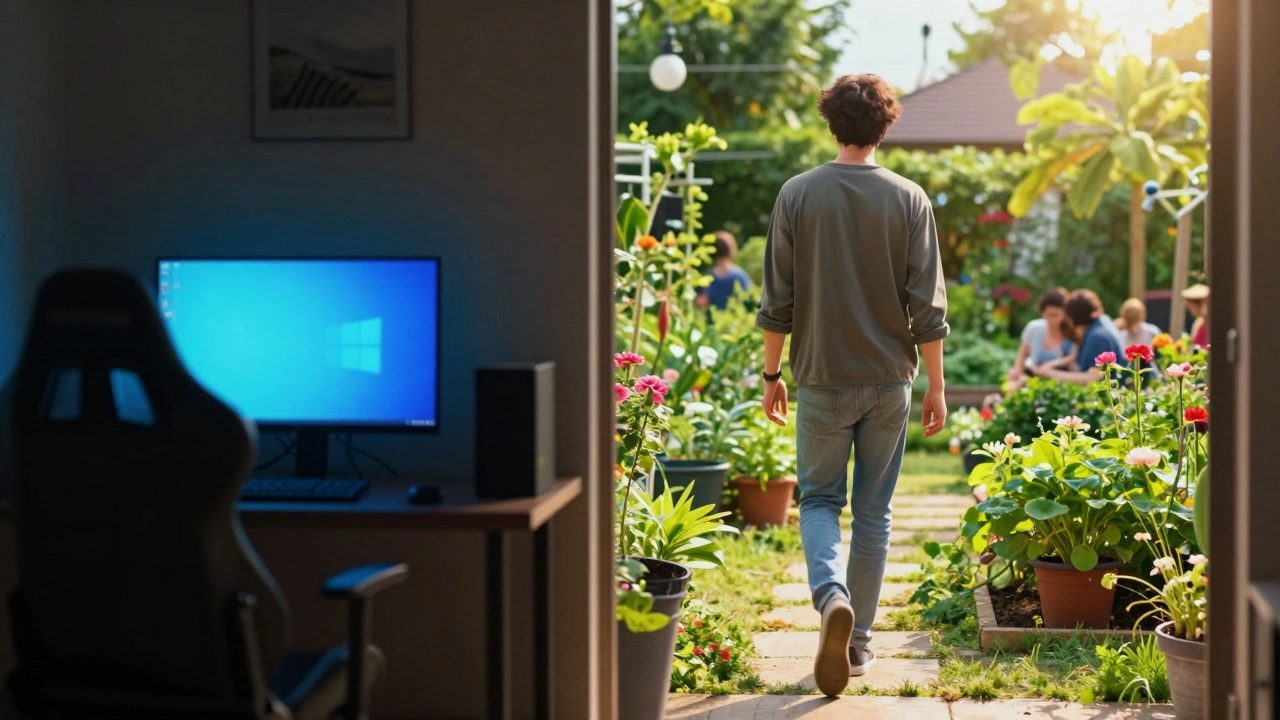
Key Takeaways for Your Transition
- Purpose over Pleasure: Trading short-term digital hits for long-term social fulfillment.
- Social Integration: Moving from Discord servers to face-to-face human interaction.
- Dopamine Reset: Slowing down the reward cycle to appreciate slower, real-world progress.
- Accountability: Being needed by others creates a powerful reason to stay offline.
Why Community Service Works for Gaming Recovery
Gaming is designed to make you feel essential. In an MMO or a competitive shooter, you have a role, a rank, and a team that relies on you. When you stop gaming, you lose that identity. This is where Behavioral Activation-a core part of Cognitive Behavioral Therapy-comes into play. Instead of focusing on the sadness of quitting, you actively engage in activities that produce positive emotions.
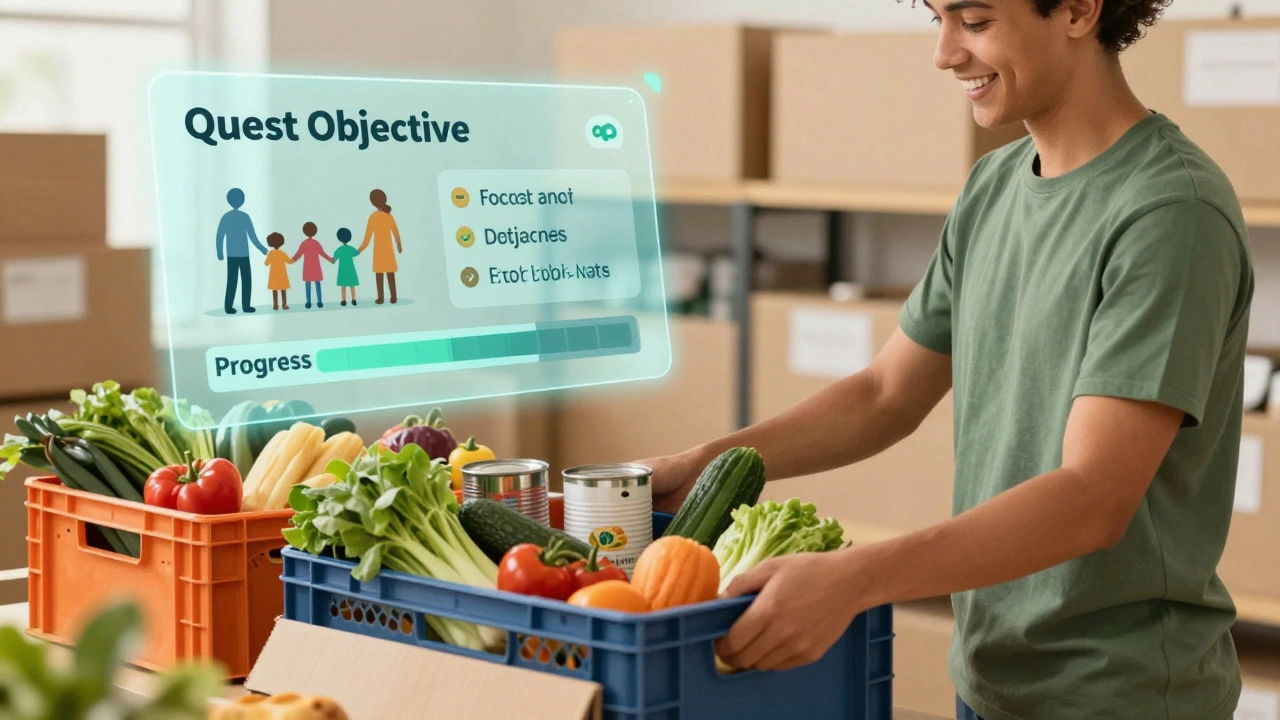
Volunteering mimics the "quest" structure of gaming. You have a goal (cleaning a park, sorting food at a pantry), a set of tasks, and a visible result. The difference is the quality of the reward. A digital trophy lasts a second; seeing a family get a week's worth of groceries provides a lasting sense of utility. This shift helps combat the anhedonia-the inability to feel pleasure-that often follows a heavy gaming detox.
Matching Your Gaming Archetype to a Service Role
Not all gamers are the same, and not all volunteer roles fit every personality. If you try to force yourself into a role that feels like a chore, you'll likely crawl back to your PC. The trick is to find a service that mirrors the gaming addiction recovery triggers you actually enjoy.
| Gamer Type | Core Motivation | Best Community Service Fit | Real-World 'Reward' |
|---|---|---|---|
| The Achiever (RPG/Sims) | Progression & Growth | Habitat for Humanity / Community Gardens | Seeing a physical structure grow from nothing |
| The Socializer (MMOs) | Connection & Belonging | Youth Mentoring / Senior Center Visits | Building deep, one-on-one human bonds |
| The Tactician (Strategy/Puzzle) | Problem Solving | Animal Shelter Management / Food Bank Logistics | Optimizing a system to help more people |
| The Competitor (FPS/MOBA) | Skill Mastery & Status | Coaching Youth Sports / Rescue Volunteer | Mastering a physical skill to save or help others |
Managing the 'Boredom Gap'
One of the hardest parts of this transition is the first two weeks. Your brain is used to the hyper-stimulation of Dopamine spikes. Real life is slower. You might find yourself at a soup kitchen thinking, 'This is boring compared to a Raid.' This is normal. It's actually a sign that your brain is resetting.
To survive this gap, don't start with a 40-hour-a-week commitment. Start with a 'micro-quest.' Commit to four hours a week. This creates a sustainable loop without overwhelming your mental health. Use a physical calendar to track your hours. Crossing off a day on a paper calendar provides a tactile satisfaction that mimics the "level up" feeling of a game, but it's anchored in reality.
Building a New Social Circle
Gaming often provides a surrogate for real social interaction. You might have 50 friends on Discord, but who can you call when your car breaks down? Community service forces you into 'third places'-social environments outside of home and work.
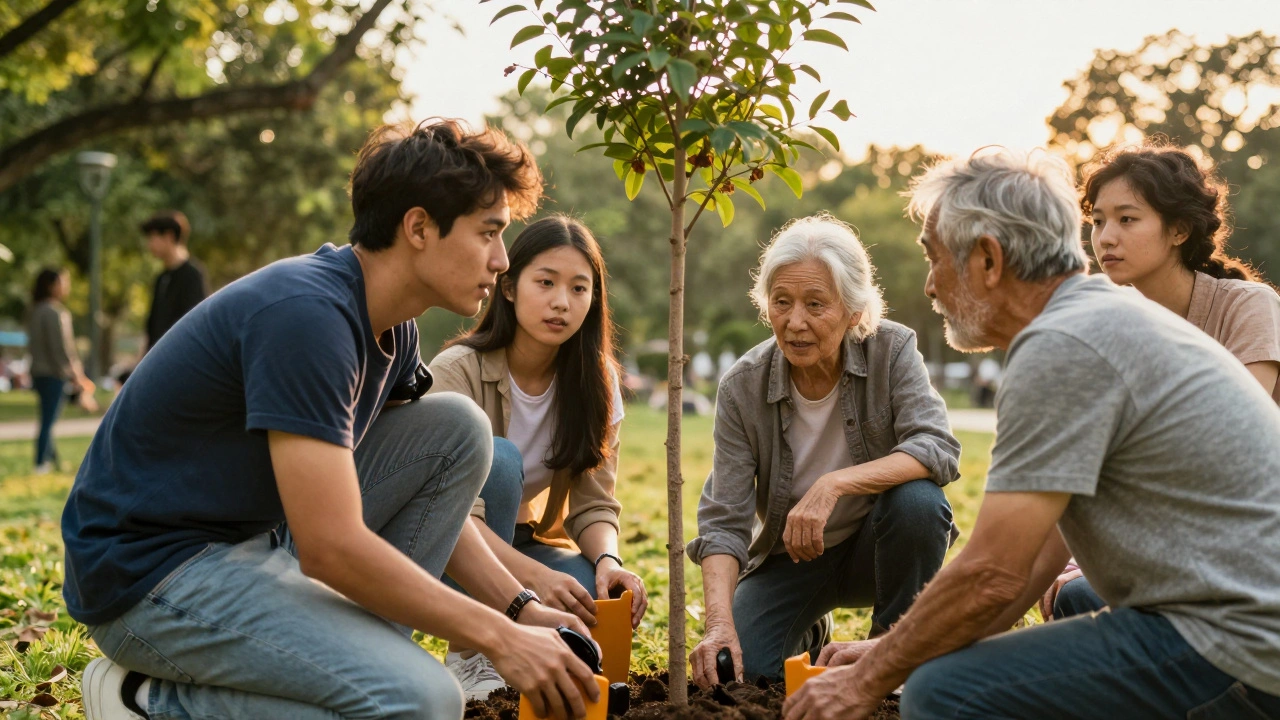
When you volunteer, you meet people from different age groups and backgrounds. This breaks the echo chamber of gaming culture. You'll find that the sense of camaraderie felt during a high-stakes match is similar to the bond formed while working a long shift at a disaster relief center. Both involve shared hardship and a common goal, but the latter builds actual social capital and emotional intelligence.
Practical Implementation: Your First 30 Days
Transitioning requires a plan, not just a wish. If you simply delete your games, you'll likely reinstall them within 72 hours because the boredom is too loud. You need to replace the time slot. If you usually gamed from 6 PM to 11 PM, that 5-hour window is your danger zone.
- Week 1: The Audit. List the specific things you love about your favorite game. Is it the loot? The teamwork? The exploration? Find a local non-profit that offers a similar emotional payoff.
- Week 2: The Trial. Sign up for a one-day event. A park cleanup or a food drive. Low commitment, high visibility. This proves to your brain that you can function and feel good outside the digital world.
- Week 3: The Schedule. Commit to a recurring shift. Tuesday nights from 6 PM to 9 PM. By occupying the time you used to spend gaming, you remove the decision-making process (and the temptation) from your evening.
- Week 4: The Reflection. Compare how you feel after a gaming session versus a volunteering session. Note the difference between 'numb' and 'tired but satisfied.'
Pitfalls to Avoid During Recovery
It's easy to accidentally recreate the 'gaming' mindset in your volunteering. Avoid the trap of 'performance volunteering,' where you only do the work to get a gold star or a shout-out on social media. This is just another version of the achievement system that fuels addiction. Focus on the person you are helping, not the credit you are getting.
Also, be wary of 'digital volunteering.' While helping a charity via a website is great, it keeps you in the same physical environment-the chair and the screen-where your addiction lives. For recovery, physical presence is non-negotiable. You need the sensory input of wind, dirt, noise, and human touch to fully break the cycle of digital dependency.
Will I actually enjoy volunteering if I'm used to high-stimulation games?
Initially, it might feel slow. Your brain is calibrated for instant rewards. However, after a few weeks of a 'dopamine detox,' you'll start to notice the satisfaction of slow-burn rewards. The feeling of genuine gratitude from another person is a more stable and lasting form of happiness than a digital achievement.
How do I find the right organization for my needs?
Look for roles that require an active skill. If you like strategy, look for roles in logistics or coordination. If you like combat or high-energy tasks, look into search and rescue or animal shelter work. The more the role aligns with your 'gamer personality,' the easier the transition will be.
What if I feel a strong urge to game while I'm volunteering?
Acknowledge the urge as a craving for a dopamine spike. Remind yourself that the boredom you feel is actually your brain healing. Focus on a physical sensation in the moment-the weight of the tool in your hand or the sound of the people around you-to ground yourself in the present.
Is community service enough to cure gaming addiction?
For some, it's a primary tool. For others, it's part of a larger strategy. While replacement therapy is powerful, if you find yourself unable to function or experiencing severe depression, it's best to pair volunteering with professional therapy, such as Cognitive Behavioral Therapy (CBT).
How many hours a week should I commit to?
Start small. 2 to 5 hours per week is usually enough to create a new habit without causing burnout. The goal is consistency over intensity. It is better to volunteer two hours every Tuesday for six months than to work 40 hours one week and then quit because you're exhausted.
Next Steps for Different Scenarios
If you're a student: Look for school-affiliated clubs or tutoring programs. This allows you to bridge the gap between your academic life and your recovery, making the transition feel more natural.
If you're working full-time: Seek out 'micro-volunteering' opportunities on weekends. Avoid tasks that keep you at a desk; if you work in an office and then volunteer for data entry, you're still staring at a screen, which can trigger gaming urges.
If you're socially anxious: Start with 'low-interaction' volunteering, such as cleaning parks or organizing warehouses. As you get more comfortable with the environment, you can move toward roles that involve more human interaction, like mentoring or hospitality.