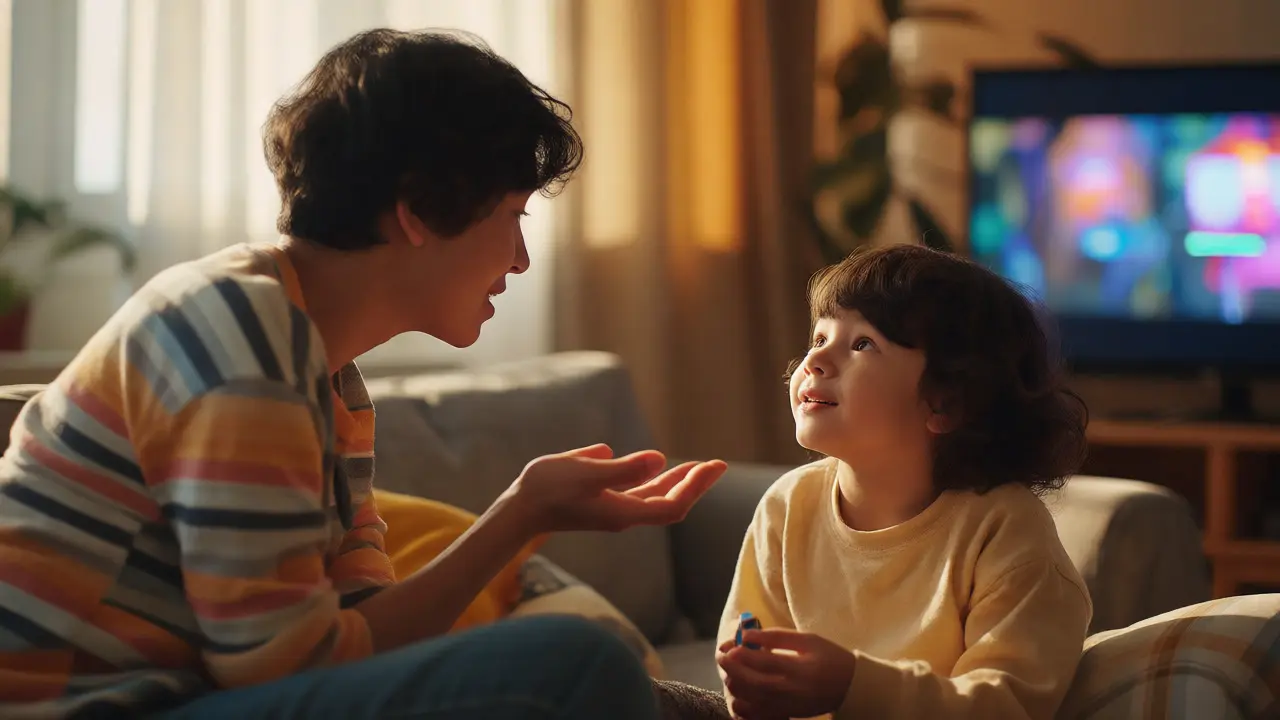
Ever watched your kid stare at a YouTube video where someone unboxes a toy, only to realize the creator is holding it because a company paid them? It’s not just play; it’s business. And for kids growing up in 2026, the line between "fun" and "sales pitch" is blurrier than ever. We aren’t talking about complex economics here. We’re talking about helping children spot when they are being sold something disguised as entertainment.
Influencer Marketing is a strategy where brands pay individuals with large social media followings to promote their products directly to that audience. Unlike traditional TV ads, which interrupt content, this method weaves the product into the narrative of the video or stream. For an adult, a "#ad" hashtag might be obvious. For a seven-year-old, it looks like their favorite person just happens to love that specific energy drink or game skin. The goal isn't to scare kids away from screens. It’s to arm them with the ability to question what they see.
The Shift from Passive Viewing to Active Skepticism
Think back to how you learned to tell if a friend was trying to sell you something. You probably noticed they kept bringing up the same brand, or maybe they got a free sample first. Kids need to learn these same cues, but faster, because the digital landscape moves quicker than real life. When we talk about monetization, we aren't discussing stock markets. We are discussing attention economy basics: Who paid for this? Why did they choose this person?
Start by asking simple questions during co-viewing sessions. Instead of saying, "That's an ad," try asking, "Do you think she actually bought that phone case, or did someone send it to her?" This shifts the dynamic from passive consumption to active detective work. It turns every video into a mini-investigation. Over time, kids start noticing patterns. They see the same logo on three different creators' desks. They notice the script sounds rehearsed. That awareness is the first layer of defense against manipulative sales tactics.
Decoding the "Unboxing" Phenomenon
Unboxing videos are everywhere. They tap into the joy of surprise, which is powerful for developing brains. But here is the trick: most unboxings are sponsored. The creator often gets multiple units of the product, sometimes even before it hits stores. The excitement you see on screen is real, but the choice of product is strategic.
| Feature | Traditional TV Ad | Influencer Unboxing |
|---|---|---|
| Format | Interrupts the show | Is the show itself |
| Trust Factor | Low (seen as corporate) | High (feels personal) |
| Disclosure | Clear ("Commercial Break") | Subtle (#ad, verbal mention) |
| Kid Perception | "This is boring/wait for it" | "This is my friend's opinion" |
This table highlights why influencer content is so effective. It bypasses the mental filter kids build for commercials. If a character in a cartoon sells cereal, kids know it’s fake. If their favorite gamer plays a new title and says, "This is the best update ever," it feels like peer advice. Teaching kids to distinguish between genuine enthusiasm and scripted praise takes practice. Look for the "too good to be true" moments. Does the product solve every problem instantly? Is the creator ignoring obvious flaws? These are red flags worth pointing out gently.
Gaming Skins and the Illusion of Free
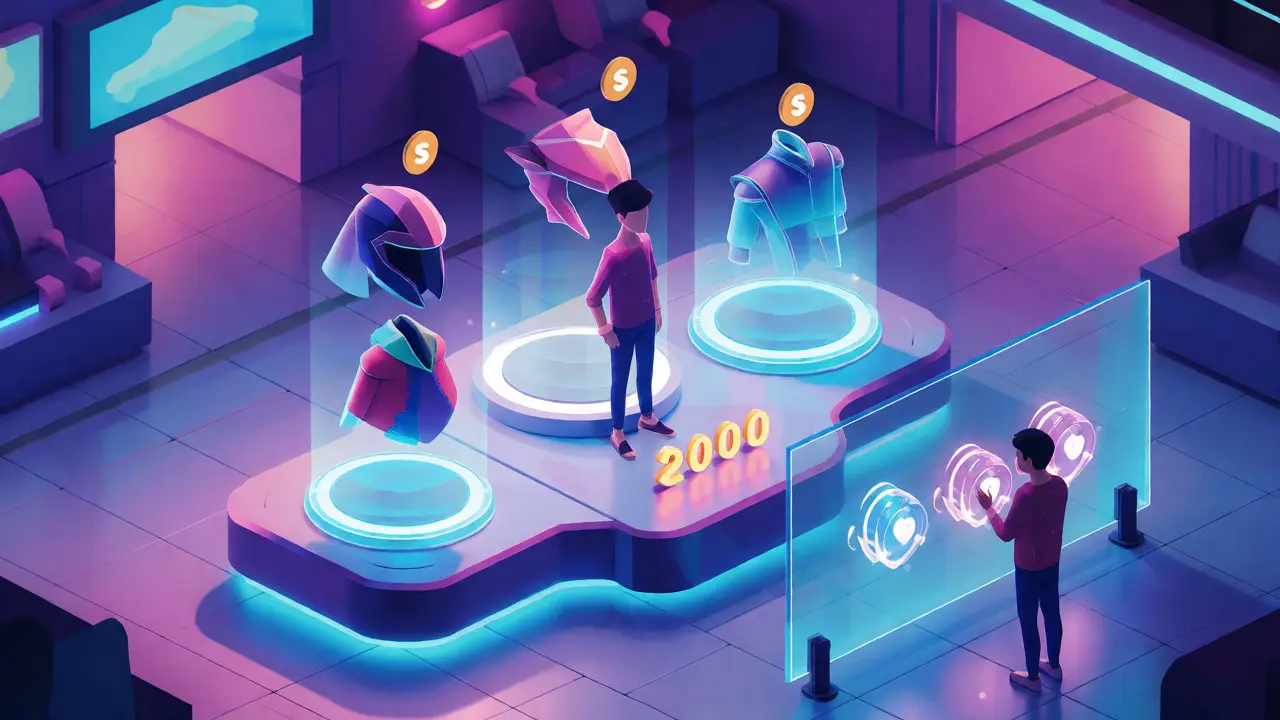
If your child plays games like Fortnite or Roblox, they understand skins. These are cosmetic items that change how a character looks. Many are free, but many cost real money. The monetization trick here is scarcity and social pressure. Limited-time offers create a fear of missing out (FOMO). "Get this skin before it disappears forever!" sounds urgent, even if it will likely return in six months.
You can use this to teach value versus price. Ask your kid, "Does having this skin make you better at the game?" Usually, no. It’s purely aesthetic. Then ask, "How many hours of gameplay does this cost?" Breaking down a $5 skin into "one hour of fun" helps contextualize the expense. Some parents set a rule: no purchases without a 24-hour waiting period. This breaks the impulse buy cycle driven by countdown timers.
The Power of Visual Cues and Hashtags
Digital literacy involves spotting visual markers. In 2026, regulations require clear disclosure, but companies get creative with placement. Sometimes the #ad tag is buried in a sea of other hashtags. Sometimes it’s mentioned quickly in speech. Teach your kids to look for specific phrases. Words like "partnered," "sponsored," or "gifted" are key indicators.
- Visual Check: Does the product fill the frame unnaturally? Is the logo facing the camera perfectly?
- Verbal Check: Did they say "I was sent this" or "Check out the link below"?
- Context Check: Would this topic come up if there were no product involved?
Making this a game works well. Challenge your kids to find the hidden ad in a ten-minute video. Whoever finds it first picks dinner. It turns a potentially annoying lesson into a shared activity. Plus, it reinforces the idea that ads are part of the ecosystem, not enemies. Creators need to eat, too. The issue isn't monetization itself; it's transparency.
Navigating Live Streams and Donations
Live streaming adds another layer. Viewers donate money in real-time, often seeing their names pop up on screen. For kids, this public recognition is addictive. They want to be seen. Streamers often encourage donations by thanking donors personally or letting them choose the next game level. This creates a sense of agency and connection.
However, this can lead to overspending. A child might feel pressured to donate to keep the streamer happy or to gain status in the chat. Discuss the difference between tipping a street performer (optional appreciation) and buying a ticket (required entry). Streaming is more like the latter if you want full access, but the donation model blurs the lines. Set clear boundaries for any in-app purchases or donations. Treat them like allowances spent on entertainment, not necessities.
Talking Money Without Making It Taboo
Many families avoid discussing money, especially how much things cost or who pays for what. With monetization, hiding the financial aspect makes it harder for kids to understand. Be open about how apps make money. Explain that if an app is free, you are the product. Your data and attention are sold to advertisers.
Use concrete examples from daily life. Compare a free game with ads to a paid version without ads. Calculate the "cost" of watching ads in time lost. If a kid spends 10 minutes watching ads to save $3, is that a good trade? This introduces opportunity cost in a relatable way. It empowers them to make informed choices rather than feeling victimized by unseen forces.
Practical Steps for Parents
You don't need a degree in media studies to guide your kids. Start small. Here is a checklist to integrate these conversations into your routine:
- Co-watch Regularly: Spend 15 minutes weekly watching what your kid watches. Note the ads together.
- Ask Open-Ended Questions: Avoid yes/no answers. Ask "Why do you think he showed that watch?" instead of "Was that an ad?"
- Analyze Influencers: Pick one favorite creator. Track their posts for a week. How many feature products? Are they consistent?
- Set Purchase Rules: Implement a cooling-off period for in-game buys. Wait 24 hours before spending real money.
- Model Behavior: Point out ads in your own browsing. Show them how you identify sponsored content on your news feed.
Remember, the goal is critical thinking, not cynicism. We want kids who enjoy content but understand its structure. By demystifying monetization, you help them navigate the digital world with confidence. They stop being passive consumers and start becoming savvy participants.
At what age should I start talking about ads and monetization?
You can start as early as age 5 or 6. At this stage, focus on distinguishing between shows and commercials. As they grow older, around 8 to 10, introduce concepts like sponsored content and influencer partnerships. The conversation evolves with their cognitive development.
Is it bad to let kids watch influencers who do lots of ads?
Not necessarily. Many influencers provide valuable entertainment and community. The key is moderation and discussion. If a channel is heavily commercialized, use it as a teaching tool to analyze the balance between content and promotion. If the ads feel manipulative or aggressive, consider finding alternative creators.
How do I explain "free" apps that have ads?
Explain that companies pay developers to show ads to users. So, while the user doesn't pay cash, they pay with their attention and time. Use analogies like a free newspaper that has advertisements inside. The content is free because businesses sponsor it.
What if my kid insists a product is good because their favorite YouTuber said so?
Validate their trust in the creator but add context. Explain that the creator might be paid to highlight positive aspects. Encourage them to look for independent reviews or ask friends who bought the product. Teach them to seek multiple sources of information before making decisions.
Are loot boxes in games considered gambling?
Many experts compare loot boxes to gambling because players pay for a random outcome without knowing exactly what they will get. This uncertainty triggers dopamine responses similar to slot machines. Discussing probability and randomness can help kids understand why they feel compelled to keep opening them.