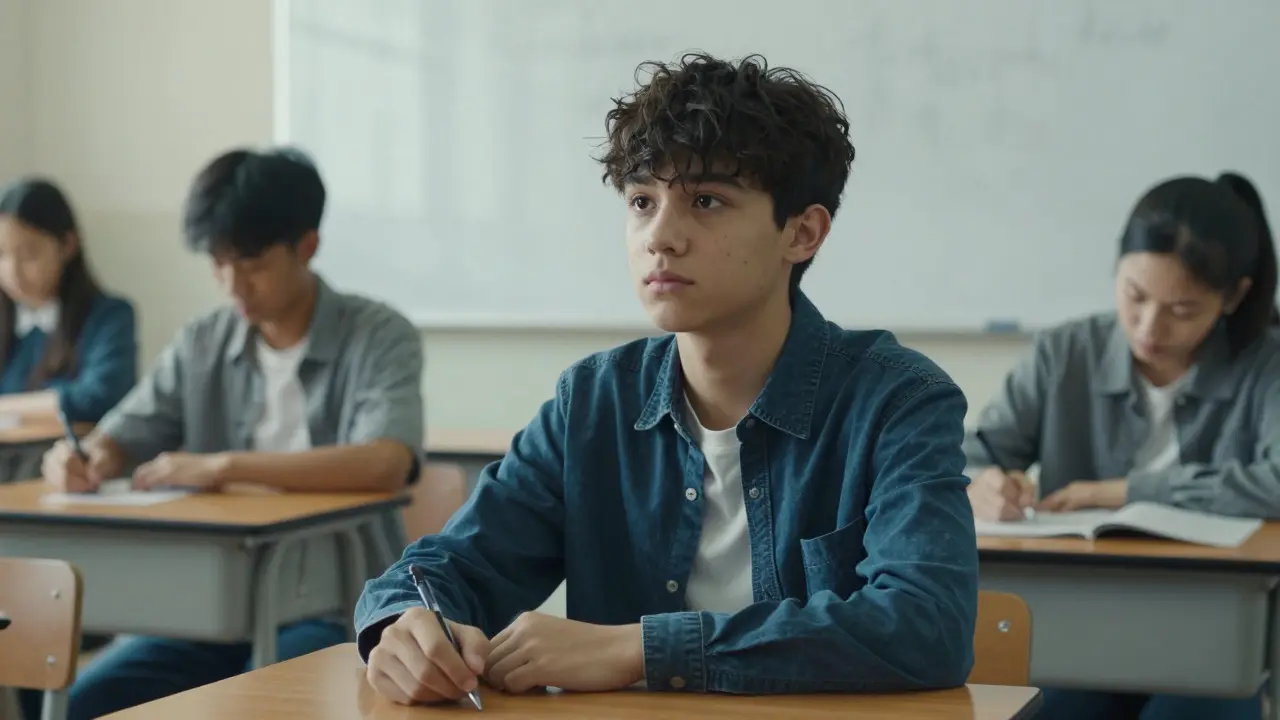
Walk into any high school classroom today, and you’ll likely see a student staring blankly at their desk, tapping their pen rhythmically, or scrolling through a phone under the table. For many educators, this looks like typical teenage distraction. But for a growing number of teachers, it’s the first sign of something deeper: gaming addiction. As video games become more immersive and social, the line between healthy leisure and compulsive behavior is blurring. Teachers are often the first adults to notice these shifts, yet most haven’t received specific training on how to identify them. This guide breaks down what gaming addiction actually looks like in a school setting, why it’s harder to spot than other behavioral issues, and practical steps educators can take to intervene before it affects academic performance or mental health.
What Does Gaming Addiction Actually Look Like?
To recognize the problem, you first need to define it. The World Health Organization (WHO) officially recognized "Gaming Disorder" as a mental health condition in 2019. It isn’t just about playing too much; it’s about a pattern of behavior characterized by impaired control over gaming, increasing priority given to gaming over other life interests, and continuation or escalation of gaming despite negative consequences. In a school context, this doesn’t always look like a kid glued to a console. It often manifests as a lack of focus, irritability, or social withdrawal during non-gaming hours.
Think of it this way: if a student spends four hours on homework but only retains 10% because they were mentally replaying a boss fight from last night, that’s a functional impairment. The key distinction lies in the impact on daily functioning. A student who plays games but still maintains friendships, completes assignments, and sleeps adequately is likely engaging in healthy recreation. The red flags appear when gaming starts to crowd out essential activities like sleep, hygiene, or face-to-face interaction.
Key Behavioral Indicators for Educators
Teachers observe students in structured environments where distractions are minimized, making behavioral changes easier to detect. Here are the specific signs to watch for, categorized by how they present in the classroom:
- Cognitive Decline: A noticeable drop in concentration span. Students may struggle to follow multi-step instructions or make careless errors on tests they previously aced. They might seem "zoned out," with their eyes focused on a point in space rather than the whiteboard.
- Emotional Irritability: Sudden mood swings when interrupted. If a teacher takes away a phone during lunch or asks a student to stop fidgeting, an addicted gamer might react with disproportionate anger or frustration, similar to withdrawal symptoms.
- Social Withdrawal: While gaming can be social, excessive players often prefer online interactions over in-person ones. You might notice a student who used to sit with friends now eats alone, headphones on, ignoring group work invitations.
- Physical Neglect: Signs of poor sleep hygiene, such as dark circles, frequent yawning, or falling asleep in class. There may also be a decline in personal grooming or participation in physical education classes.
It’s crucial to differentiate between a bad week and a pattern. One day of distraction is normal. Three weeks of declining performance combined with social isolation is a signal worth investigating.

The Difference Between Engagement and Compulsion
One of the biggest hurdles for teachers is distinguishing between a student who loves games and one who is addicted. Many gamers are highly engaged, creative, and strategic thinkers. In fact, gaming can develop valuable skills like problem-solving and teamwork. The difference lies in volition. An engaged player chooses to play; a compulsive player feels compelled to play even when they want to do something else.
Consider two scenarios. Student A joins a club dedicated to game design, talks about mechanics with passion, and balances this with soccer practice. Student B cancels soccer practice three times in a row to stay up until 3 AM finishing a raid, then skips breakfast to get back online. Student A is engaged; Student B is showing signs of compulsion. Teachers should look for the presence of regret or guilt after gaming sessions, which is a hallmark of addiction but rarely present in healthy hobbyists.
Practical Steps for Classroom Intervention
When you suspect a student is struggling, jumping straight to a diagnosis is premature. Instead, start with low-stakes, observational strategies that build trust without triggering defensiveness.
- Conduct a Private Check-In: Avoid calling out the student in front of peers. Use a moment after class or during office hours to ask open-ended questions. Instead of "Are you addicted?", try "I’ve noticed you seem a bit tired lately. Is everything okay?" This opens the door for the student to share their routine voluntarily.
- Monitor Digital Breaks: Observe how students use technology during free periods. Are they constantly checking notifications? Do they rush to grab their devices the second the bell rings? These micro-behaviors can indicate a dependency on digital stimulation.
- Collaborate with School Counselors: Teachers don’t need to be therapists. Your role is observation and referral. Build a rapport with your school’s counseling team so you have a clear path for students who show persistent signs. Share specific observations, not judgments. Say "Student X has missed five consecutive days of group work," not "Student X is lazy."
- Offer Alternative Engagement: Sometimes, the drive behind gaming is a need for achievement or community. Identify other outlets where the student can feel competent. If they’re good at strategy games, suggest chess club or debate. If they seek social connection, invite them to lead a small project in class.

Common Pitfalls Teachers Should Avoid
Misidentifying gaming addiction can lead to unnecessary stress for the student or missed opportunities for help. Here are common mistakes to steer clear of:
- Stigmatizing the Hobby: Never frame gaming as "wasting time" in front of the student. If they feel judged, they will hide their behavior. Validate the fun aspect while addressing the imbalance.
- Ignoring Gender Differences: Historically, gaming addiction was associated with boys playing action games. Today, girls and younger children are equally susceptible, often through mobile games or social media-integrated apps. Don’t assume a quiet, well-dressed girl isn’t struggling with screen time.
- Focusing Only on Academic Grades: A student might maintain high grades while suffering from poor mental health. Look beyond test scores to assess overall well-being and social integration.
Building a School-Wide Awareness Culture
Individual teacher efforts are important, but systemic change yields better results. Schools can integrate basic awareness of digital well-being into their broader health curriculum. This doesn’t mean banning phones; it means teaching students self-regulation skills. Workshops for parents can also be invaluable, as home environments heavily influence gaming habits. When schools and homes align on expectations regarding screen time, students receive consistent messaging.
Furthermore, providing teachers with brief, annual refresher training on recognizing behavioral addictions ensures that new staff members are equipped with the same knowledge base. This creates a safety net where no student falls through the cracks simply because their current teacher hasn’t encountered the issue before.
How much screen time is considered too much for students?
There is no single magic number, but the American Academy of Pediatrics suggests limiting recreational screen time to two hours per day for older children and teens. However, the quality of that time matters more than the quantity. Two hours of collaborative, offline-style gaming may be healthier than four hours of passive, isolating consumption. The key metric is whether the screen time interferes with sleep, exercise, or face-to-face relationships.
Should teachers confiscate phones from suspected addicts?
Generally, no. Confiscation can feel punitive and may damage the teacher-student relationship. Instead, use the situation as a conversation starter. If a student is using a phone inappropriately, address the behavior neutrally, then follow up privately to discuss their overall balance. The goal is to encourage self-management, not external control.
Is gaming addiction covered by insurance or school services?
Coverage varies by region and provider. Since the WHO classification, many insurance companies now recognize Gaming Disorder as a treatable condition. Schools typically handle mild cases through counseling referrals. For severe cases requiring professional therapy, families may need to seek external providers. Teachers should check with their district’s guidance department for specific resources available to students.
How can I tell if my student is just stressed vs. addicted?
Stress usually has a clear trigger, like exams or family issues, and improves when the stressor is removed. Gaming addiction is more pervasive and often worsens under stress because the student uses games as a coping mechanism. If a student seems relieved only when gaming and anxious when not, it leans toward addiction. If they seem anxious about a specific event but function normally otherwise, it’s likely general stress.
Do all video games cause addiction?
No, but certain design features increase risk. Games with variable reward schedules (like loot boxes), endless progression systems, and strong social pressure to log in daily are more likely to foster compulsive behavior. Puzzle games or narrative-driven experiences with clear endings tend to have lower addiction potential. Understanding the type of game a student plays can give teachers context on their engagement level.