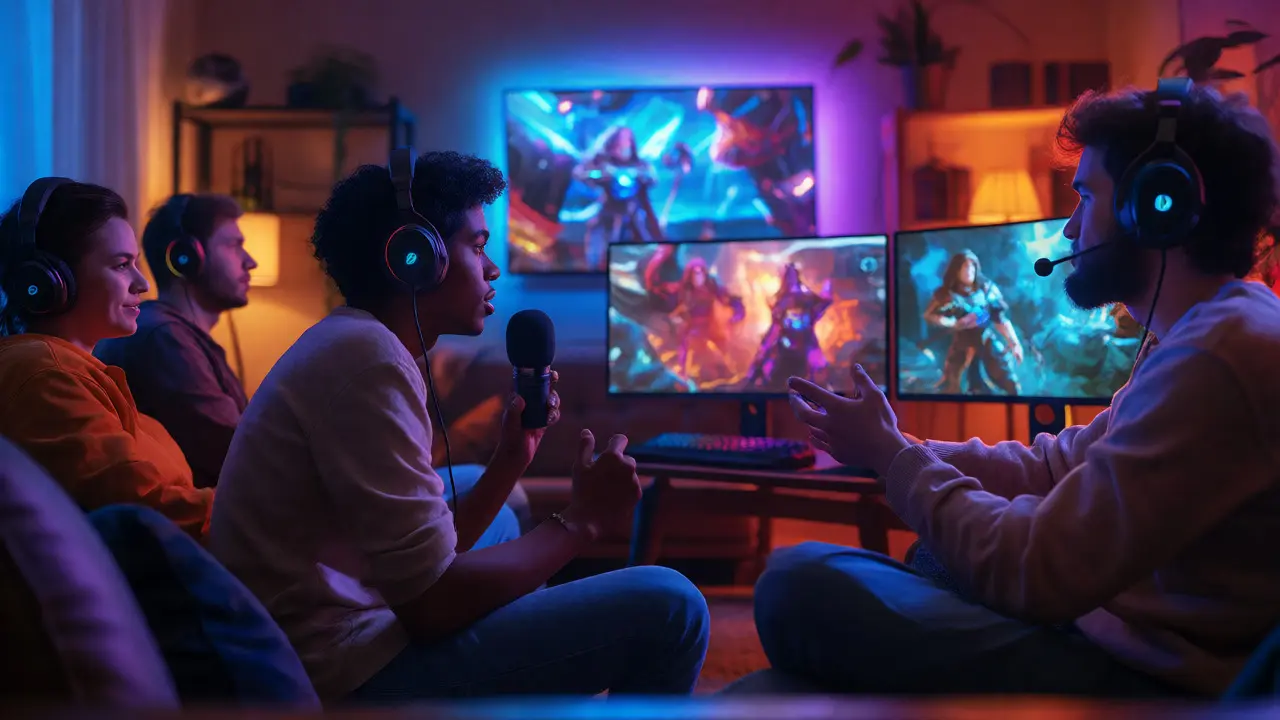
You’ve probably heard the old stereotype: gamers are isolated hermits staring at screens, disconnected from reality. But if you’ve ever spent an evening trying to coordinate a raid in World of Warcraft, a massively multiplayer online role-playing game that requires intense group coordination, or tried to win a ranked match in League of Legends, a competitive MOBA where five players must act as a single unit, you know that’s completely wrong. Modern multiplayer gaming is less about isolation and more about high-stakes teamwork. It turns out that the digital arenas we spend our weekends in are actually some of the most effective training grounds for collaboration, communication, and leadership.
The reason isn’t magic; it’s mechanics. Game designers have inadvertently created perfect environments for practicing soft skills. In a office meeting, you can hide behind silence. In a raid boss fight, if you don’t communicate your cooldowns, everyone dies. That immediate feedback loop changes how we learn to work together. Let’s break down exactly how these virtual interactions translate into real-world competence.
The Evolution from Solo Play to Cooperative Design
Gaming didn’t start with teams. Early arcade games were solitary pursuits-high scores were personal achievements. The shift began in the late 1990s and early 2000s with the rise of LAN parties and early MMORPGs. Suddenly, winning wasn’t just about your reflexes; it was about whether your friend covered your flank. This design evolution forced developers to build systems that rewarded cooperation over individual glory.
Consider Overwatch, a hero shooter that mandates team composition balance. You cannot win this game by being the best player on the server if your team lacks a healer or a tank. The game mechanics punish lone wolves. If you try to solo push while your team waits, you die, and you lose points. This structural necessity teaches a hard lesson: individual excellence means nothing without collective alignment. It mirrors project management perfectly. You can be the best coder in the room, but if you don’t sync with the designers and marketers, the product fails.
Communication Under Pressure
One of the biggest hurdles in any workplace is clear communication during stress. Gamers face this daily. When a grenade lands next to you in Counter-Strike 2, a tactical first-person shooter emphasizing precise voice comms, you don’t have time for polite emails. You need concise, actionable data. "Enemy mid," "Flash out," or "Rotating B."
This style of communication is called "low-latency information transfer." It strips away fluff and focuses on facts. Research from the University of California, Berkeley, suggests that frequent gamers develop better situational awareness and faster decision-making processes. Why? Because they practice filtering noise constantly. In a chaotic battle royale like Apex Legends, a battle royale game featuring squad-based survival mechanics, you must process dozens of audio cues per second. Learning to speak clearly and listen actively under pressure is a skill that transfers directly to emergency response teams, stock trading floors, and agile software development sprints.
| Feature | Traditional Office Meeting | Multiplayer Game Raid |
|---|---|---|
| Feedback Loop | Days or weeks (performance reviews) | Seconds (instant death or victory) |
| Communication Style | Formal, hierarchical, often ambiguous | Direct, jargon-heavy, urgent |
| Role Clarity | Often fluid or undefined | Rigidly defined by class/role |
| Consequence of Error | Delayed financial loss or reprimand | Immediate failure/reset |
Trust and Role Specialization
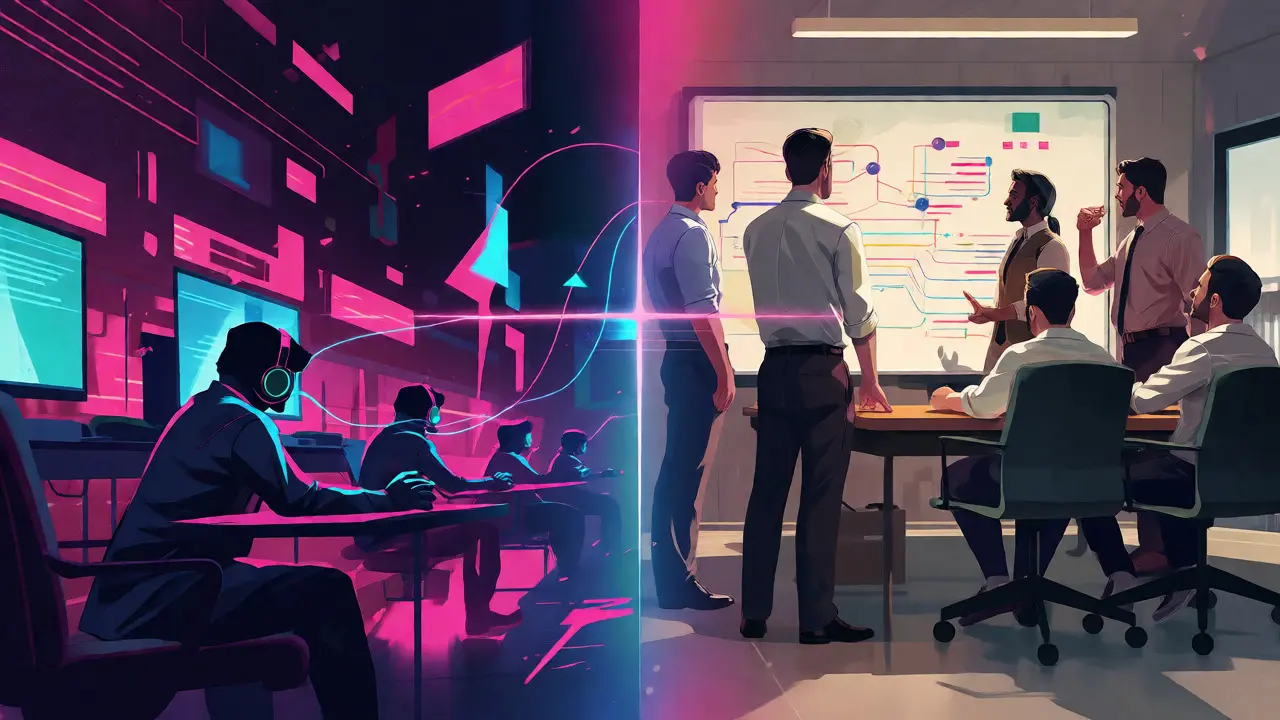
In many games, you pick a character class. Maybe you’re a Healer, maybe you’re a Tank. Once you lock in, you have to trust your teammates to do their jobs. A Healer trusts the Tank to hold aggro (enemy attention). The Tank trusts the DPS (damage dealers) to kill enemies before they overwhelm the party. If one person breaks this social contract, the whole group suffers.
This dynamic builds what psychologists call "swift trust." Unlike long-term relationships where trust is built over years, swift trust happens quickly because roles are explicit. In a study published in the Journal of Computer-Mediated Communication, researchers found that online gamers who played cooperatively showed higher levels of prosocial behavior and empathy than those who played competitively against each other. They learned to value different types of contributions. The person healing you might not get the flashy kill notifications, but without them, you’re dead. Recognizing and valuing invisible labor is a crucial workplace skill that gamers master intuitively.
Conflict Resolution and Emotional Regulation
Let’s be honest: people get angry when they lose. In online lobbies, toxicity is rampant. But successful teams learn to manage this. If you blame your teammate for every mistake, you’ll end up playing alone. Successful guild leaders and clan captains learn emotional regulation quickly. They know that shouting helps no one. Instead, they analyze the replay. What went wrong? Was it positioning? Timing? Lack of resources?
This post-mortem culture is standard in tech companies now, but gamers pioneered it. In Dota 2, a complex MOBA known for its steep learning curve and strategic depth, teams review replays to identify errors without ego. This separates the person from the problem. It’s a powerful conflict resolution tool. Instead of saying, "You’re bad at this," you say, "Our strategy failed because we engaged too early." It’s objective, it’s actionable, and it preserves the relationship.
From Virtual Guilds to Professional Networks
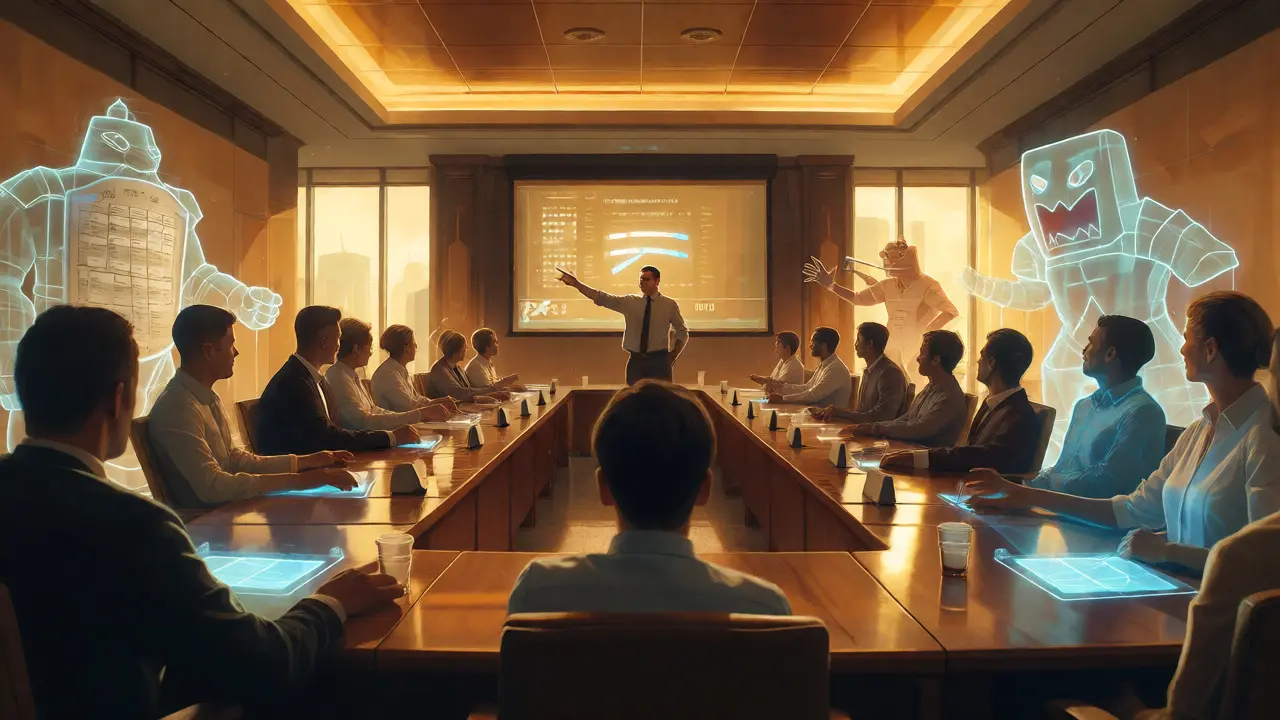
It’s not just about in-game mechanics. The communities themselves function like professional networks. Discord servers, Reddit threads, and forums are places where strangers collaborate to solve puzzles, share strategies, and mentor newcomers. These platforms require digital literacy and netiquette. Knowing how to ask for help effectively, how to give constructive feedback, and how to navigate community norms are all transferable skills.
Many employers are starting to recognize this. Some tech firms now look for candidates with experience leading guilds or managing clans. Why? Because managing fifty players across three time zones, keeping them motivated during a losing streak, and resolving interpersonal drama is essentially middle management. If you can keep a raid group focused for four hours, you can likely handle a quarterly sprint review.
Practical Tips for Leveraging Gaming Skills
If you’re a gamer wondering how to showcase these skills, or a manager trying to understand your team, here are a few concrete steps:
- Translate your experience: Don’t just list "Played WoW" on your resume. Say "Managed a 40-person collaborative team, coordinating schedules and resolving conflicts to achieve weekly objectives."
- Observe non-verbal cues: Even in text chat, pay attention to tone. Are your teammates frustrated? Burnt out? Adjust your communication style accordingly.
- Embrace specialization: Accept that you can’t be good at everything. Identify your core strength (strategy, execution, support) and lean into it.
- Debrief regularly: After a session or a project, take five minutes to discuss what worked and what didn’t. Make it a habit, not a chore.
The line between play and work is blurring. As remote work becomes the norm, the asynchronous, text-based, and video-call-heavy nature of modern gaming is becoming the default mode of business interaction. We are all becoming gamers in a sense-navigating digital spaces, collaborating with avatars (or Zoom tiles), and striving for shared goals.
Does playing violent games hurt teamwork skills?
Not necessarily. While competitive shooters can foster aggression, cooperative modes within these same games (like PvE campaigns in Call of Duty) emphasize teamwork. The key factor is not the violence itself, but whether the game mechanic rewards cooperation or pure individual dominance. Cooperative play consistently shows positive correlations with prosocial behavior.
Can I use my gaming experience on my resume?
Yes, especially for roles requiring soft skills like communication, leadership, or adaptability. Frame it in terms of project management. Mention specific achievements, such as leading a guild, organizing events, or mentoring new players. Use business terminology like "cross-functional collaboration" or "real-time problem solving" to make the connection clear to recruiters.
How do I avoid toxicity when playing with coworkers?
Set ground rules before you start. Agree that the goal is fun and bonding, not rank climbing. Avoid blaming language. If things get heated, take a break. Remember that the stakes are low, so there’s no need to escalate. Keeping the tone light and humorous helps maintain professional boundaries even after the game ends.
What is the best type of game for building collaboration?
Games with distinct roles and interdependent mechanics are best. MMORPGs like Final Fantasy XIV, cooperative survival games like Deep Rock Galactic, or puzzle co-ops like Portal 2 force players to rely on each other. Pure battle royales can be tricky because they often encourage solo play until the final moments, whereas persistent team-based games offer more consistent collaboration opportunities.
Is online gaming better than offline for teamwork?
Both have merits. Offline board games teach turn-taking and face-to-face negotiation. Online games teach digital communication, remote coordination, and managing larger groups asynchronously. For modern workplaces, which are increasingly hybrid, online gaming skills are highly relevant. However, combining both offers a well-rounded approach to social interaction.